
Horizontal directional drilling machines generate immense forces. For instance, a Vermeer D24 drill can exert 24,000 pounds of thrust. To counteract these powerful pushing and pulling forces, an HDD Machine Anti Slip Anchor Prevents Sliding. This crucial component ensures the drill remains stationary, contributing to precise and safe drilling operations. A machine that shifts or slides can lead to inaccurate bores and potentially hazardous conditions. CEGC horizontal directional drilling machines incorporate a specialized "Precision Guidance & Stability System." This system is designed to optimize the performance of the anti-slip anchor, effectively preventing any unwanted movement of the machine.
Key Takeaways
-
Anti-slip anchors stop machines.
-
These machines drill sideways.
-
They stop them from sliding.
-
This happens during work.
-
These anchors help drilling.
-
It makes drilling accurate.
-
The job is safer for workers.
-
Equipment is also safer.
-
Different ground types exist.
-
They need different anchors.
-
This holds the machine.
-
It keeps it firmly in place.
Why Anti-Slip Anchors Are Essential for HDD Operations
Addressing Machine Stability Challenges
Horizontal directional drilling machines make strong forces. These forces can push or pull the drill. The machine can move without a good anchor. This movement can make the drill go off course. This is called "Bore Deviation & Crossing Failure." Keeping the machine steady is very important.
Some ground makes it harder to stay steady. Soft dirt like sand, silt, and clay can fall apart easily. Running sand acts like water when moved. Gravel and cobbles are not steady. They can make the drill bit bounce. Harder layers like caliche and hard pan are tough to drill. Rocks like shale, limestone, sandstone, and granite are also hard. Each rock is different. For example, limestone bedrock with many holes can wear out tools fast. It also has empty spaces. These can make the drill bit go off track. Underground karst formations have hidden caves and holes. These are very dangerous. Very sandy dirt also makes HDD work hard. Dirt with a lot of clay can be sticky. This makes it hard to take out of the hole. It can also make the bit get stuck. Dirt with a lot of sand needs special liquids. These liquids stop the hole from falling in. All these things show why a steady drill spot is needed.
Preventing Unintended Movement and Risks
Machine sliding causes many dangers. It can hurt workers. It can also break the drilling tools. When the machine moves, drilling works less well. This means jobs take longer and cost more. A sliding machine can also harm the drill hole. This might need costly fixes. Or, you might have to start over. Such problems cause delays and extra costs. An HDD Machine Anti Slip Anchor Prevents Sliding. This keeps the machine still. It stops these unwanted moves and their risks.
Ensuring Precision and Safety
Being steady is key for drilling right. Anti-slip anchors give this steadiness. They help the drill bit follow the exact path. This accuracy is vital to avoid doing work again. It also helps avoid fines on jobs. A steady machine means a safer place to work. It lowers the chance of accidents. These are caused by sudden machine shifts. This steadiness is a main part of the "Precision Guidance & Stability System." This system makes sure every drill job is both right and safe. It keeps people and tools safe.
How HDD Machine Anti Slip Anchor Prevents Sliding
Mechanics of Ground Engagement
An HDD Machine Anti Slip Anchor Prevents Sliding by creating a strong connection with the ground. These anchors dig into the soil. They create friction. They also form a mechanical lock with the earth. This action helps the drill rig stay still. It absorbs the strong pushing and pulling forces from the drilling process. It also handles any twisting forces.
Anchors can be put into the ground in different ways. Some are set by hand. Workers might use tools to screw them in. Other systems are automatic. The drilling machine itself can push or screw anchors into the ground. Taking anchors out is the opposite process. They are either unscrewed or pulled back up.
Counteracting Drilling Forces
The horizontal directional drilling machine creates powerful forces. It pushes forward to drill. It also pulls back to remove drill pipe or product. These forces can make the machine move. Anchors work with the machine's thrust system. They hold the rig firmly in place. This stops the rig from sliding. It makes sure the drill bit follows the exact path. This steady hold is key for successful drilling.
Types of Anti-Slip Anchors
Many types of anchors are used to keep drilling rigs stable.
-
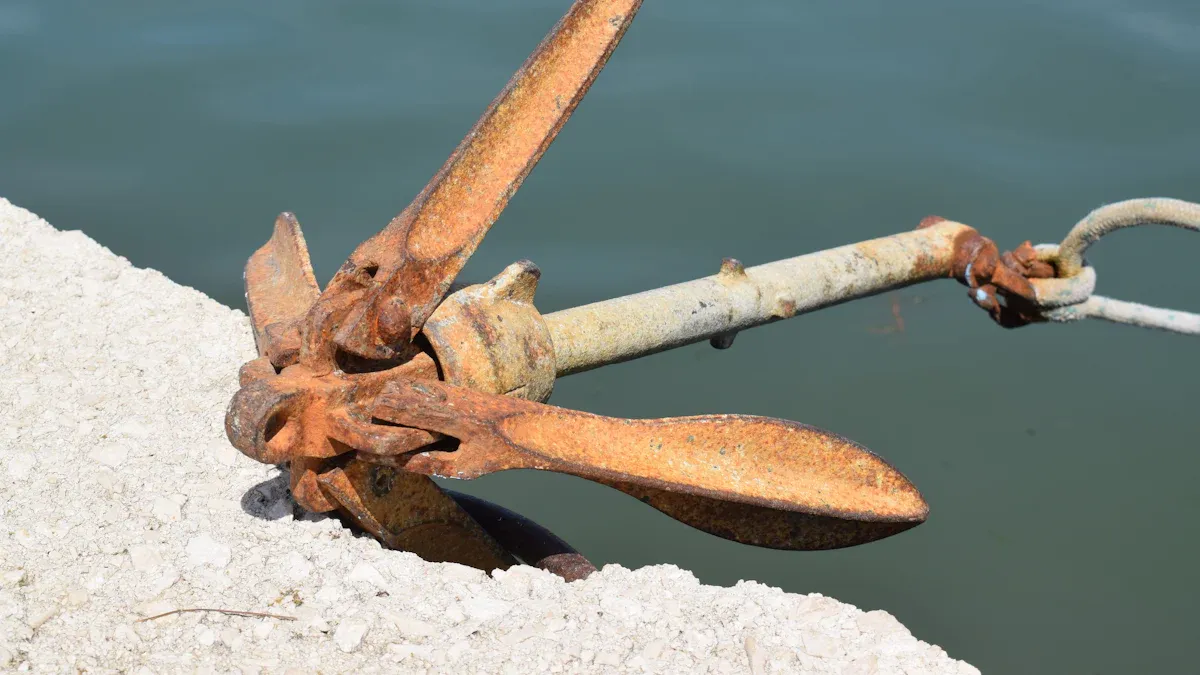
Mechanical anchors are very common. Some screw into the ground like a giant bolt. Others are driven straight into the earth. These anchors use clever parts to grip. They have slips, which are wedge-shaped pieces with teeth. They also have cones, which are tapered surfaces. When the anchor is set, the cones push the slips outward. The slips then dig into the ground. This creates a very strong hold. This same idea is used in other drilling areas. For example, in oil wells, similar anchors hold tubing in place. They stop it from bending or moving. Special torque anchors can also stop twisting forces. This is important for equipment that spins.
-
Hydraulic anchors use power from the machine. Cylinders push large plates or spades deep into the ground.
-
Newer options also exist. 'The Cleat' uses strong steel spikes. These spikes dig into hard surfaces. 'Vibro-Anchors' are another type. They use vibration to go into the ground faster. This can save time and money on a project.
Ground Conditions and Effectiveness
The type of ground greatly affects how well an anchor works. Soft soil, like sand, needs different anchors than hard rock. Wet ground can make anchors less effective. Dry ground usually holds anchors better. Uneven terrain also changes how well anchors perform.
It is very important to check the site carefully before drilling. Do not make anchors too tight. Only apply enough force to match the expected work. Always check the type of rock. See if it is strong or broken. Taking samples of the rock can show its strength. If the ground is weak, use different anchors. Or, choose a new spot for the rig.
Always look for loose rocks or bad weather before starting work. Find hidden dangers like underground water pipes or gas lines. Use maps and old site information to help. Talk to workers about any possible problems. Ask them to report anything unusual they see. List all possible dangers, like loose boulders. Keep checking the site as work goes on. Stop and recheck if the ground moves or the weather changes. If the rock is broken or weathered, it needs special care. Loose soil might need extra grouting. This makes it firmer. Using specific plans for each site helps overcome ground problems.
Benefits of Using Anti-Slip Anchors
Better Safety and Less Danger
Anti-slip anchors make drilling safer. They stop the machine from moving. This keeps workers safe. It also protects the machine. An HDD Machine Anti Slip Anchor Prevents Sliding. This lowers accident risk. It makes the work area safer.
Better Drilling Accuracy
Anchors keep the drill still. The drill bit follows the path. This is very important. It stops mistakes. It avoids project fines. A steady drill makes good holes.
More Efficient Work
A steady drill works better. It has less stopped time. Workers do not stop. They do not re-stabilize. The Trenchless Drilling Rig drills more. Projects finish on time. They stay on budget.
Protecting Equipment and Buildings
Anti-slip anchors protect tools. They stop the HDD machine from sliding. This saves the drill rig. It also protects buildings. It protects underground pipes. This saves money on fixes. It keeps the project on track. Anchors help meet safety rules.
Anti-slip anchors are key for today's horizontal directional drilling. They help CEGC HDD machines. These machines use a strong "Precision Guidance & Stability System." This system fixes problems. It stops the drill from going off course. The HDD Machine Anti Slip Anchor Prevents Sliding. Using these anchors makes drilling safer. It makes drilling work better. It also makes drilling more exact. They stop costly machine sliding. They stop dangerous machine sliding. This helps any directional drilling machine do well.
FAQ
What is an anti-slip anchor?
An anti-slip anchor is a tool. It links a drill to the ground. This stops the drill from moving. It keeps the drill steady.
Why are anti-slip anchors important for HDD?
Anchors stop the machine from sliding. This makes drilling exact. They also lower dangers. Steady machines help projects succeed. They keep tools and people safe.
How do ground conditions affect anchor performance?
The ground type changes how anchors work. Soft dirt needs different anchors. Hard rock needs other anchors. Wet ground can make anchors weaker. Checking the site helps pick the best anchor.


