
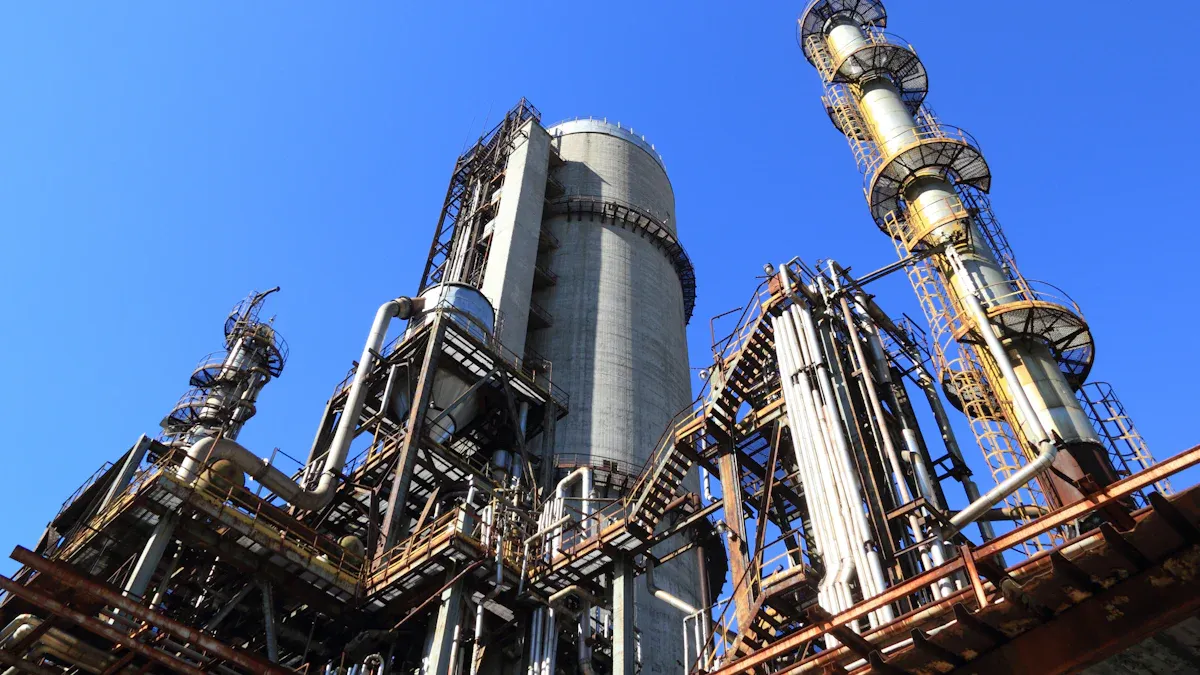
Hard horizontal drilling projects in 2026 are expected to cause more drill jamming, leading to work stoppages and machine breakdowns. New HDD Machine Anti Stick Tech Prevents Drill Jamming, which is crucial for successful drilling operations. This guide explores innovative solutions for your horizontal directional drilling machine. CEGC offers advanced methods for trenchless drilling.
Key Takeaways
-
New technology helps stop drills from getting stuck in the ground.
-
Special fluids and smart tools make drilling smoother and faster.
-
Good planning and regular machine care also prevent problems.
Understanding Drill Jamming in Horizontal Directional Drilling
Common Causes of Jamming in 2026
Drill jamming is a big problem. It happens in horizontal directional drilling jobs. Many things cause this issue. Hard underground areas are a main reason. For example, tough limestone rock wears down drilling tools. Holes and air pockets in limestone make things shaky. Hidden underground caves are hard to find. They also cause safety problems.
How we work also matters. It is hard to know ground conditions right away. Slow data updates can jam the drill bit. Our plans for drilling paths are not perfect yet. This creates uncertainty. Not knowing enough about the ground is another big cause. Unexpected ground, like hidden cracks, is common. These problems can jam the drill string or tools. They can also make the hole fall apart. Losing water flow and wrong drill paths are also common. Bad soil conditions often make these problems worse.
The Costly Impact of Stuck Pipe
A stuck pipe causes big problems. It costs a lot of money. Project timelines get very delayed. Equipment can get badly broken. This includes rods, threads, and tools. Fixing it is often hard and expensive. It needs special tools and more workers. This makes project costs go up. Downtime also lowers daily work. This hurts how much money the project makes. Unexpected soil conditions can turn a normal drill into a costly fix.
Advanced Anti-Stick Tech for HDD Machines in 2026
Modern horizontal directional drilling needs better ways. New tech stops drill jamming. This part shows how hdd machine anti stick tech prevents drill jamming. These new ideas make work smoother. They also make it more reliable.
Next-Gen Drilling Fluids and Additives
Drilling fluids are very important. They cool the bit. They take out cuttings. They make the hole strong. CEGC's "Mud Integration & Fluid Management Solution" helps stop sticking. This system makes fluids work best. It stops frac-out. This is when fluid leaks out. It also cleans out cuttings well. This keeps the hole clean.
Right pump size matters. It matches flow and pressure. This is for bore length and size. It is also for the ground type. The system also looks at fluid path. It checks if filters are ready. This keeps the fluid clean. Good mud rules are also key. This means mixing right. It means checking often. It means changing things as needed. These steps keep mud steady. This lowers stuck pipe risk. This is true even in tough soil conditions.
Smart Tooling and Real-Time Sensor Data
Smart tools and live data are changing drilling. They give important facts fast. This helps workers decide quickly. This tech helps stop jamming.
Some live sensor data works well. They warn of and stop drill jamming:
-
Flow rate
-
Hoisting load
-
Drilling speed
-
Rotation speed
-
Standpipe pressure
-
Weight on bit
-
Torque
-
Rate of penetration
Watching drilling speed and drill torque is key. It helps change drilling settings. This stops jamming and breaking. Special pressure sensors are also used. They measure pressure right away. This stops blowouts. Blowouts can cause drilling issues. Mixing many sensor facts. Using smart math helps guess problems.
Studies show these systems are strong:
|
System/Methodology |
Key Input Characteristics |
Prediction Accuracy/Lead Time |
|---|---|---|
|
Intelligent early warning system (King Fahd University) |
Flow rate, hoisting load, drilling speed, rotation speed, standpipe pressure, weight on bit |
Detected abnormal conditions and issued warnings up to 9 hours in advance |
|
Stuck-pipe prediction combining linear regression, ANN, and fuzzy inference (Jianghan Machinery Research Institute) |
Friction coefficient from drilling parameters |
98% accuracy rate in stuck-pipe prediction, 1% false alarm rate |
|
Real-time prediction based on long-term and short-term memory neural network (China University of Mining and Technology) |
Torque, rotating speed, weight on bit, rate of penetration |
Predicted sticking accidents 4 seconds in advance |
CEGC's "Precision Guidance & Stability System" also helps a lot. It stops the bore from going off track. Going off track often causes jamming. This system makes things accurate every time. This is extra important in hard crossings. It uses load-matched control. This lines up thrust, pullback, spin, and feed. A strong frame and carriage alignment. They lessen shaking and "walk." This system can also add tracking. It can record data. It can control the process. This makes drilling exact and steady.
Automated Drilling Parameter Optimization
Auto systems use live data. They change drilling settings by themselves. This helps stop jamming. These systems look at sensor data. They then make small changes. These are to thrust, torque, and spin speed. This keeps the drill string moving well. This quick action means the machine reacts. It reacts to changing soil conditions right away. This lowers the chance of a stuck pipe. This advanced hdd machine anti stick tech prevents drill jamming. It does this by keeping things working best. It makes sure work is smooth and steady.
Preventing Stuck Pipe with Anti-Stall Powertrain
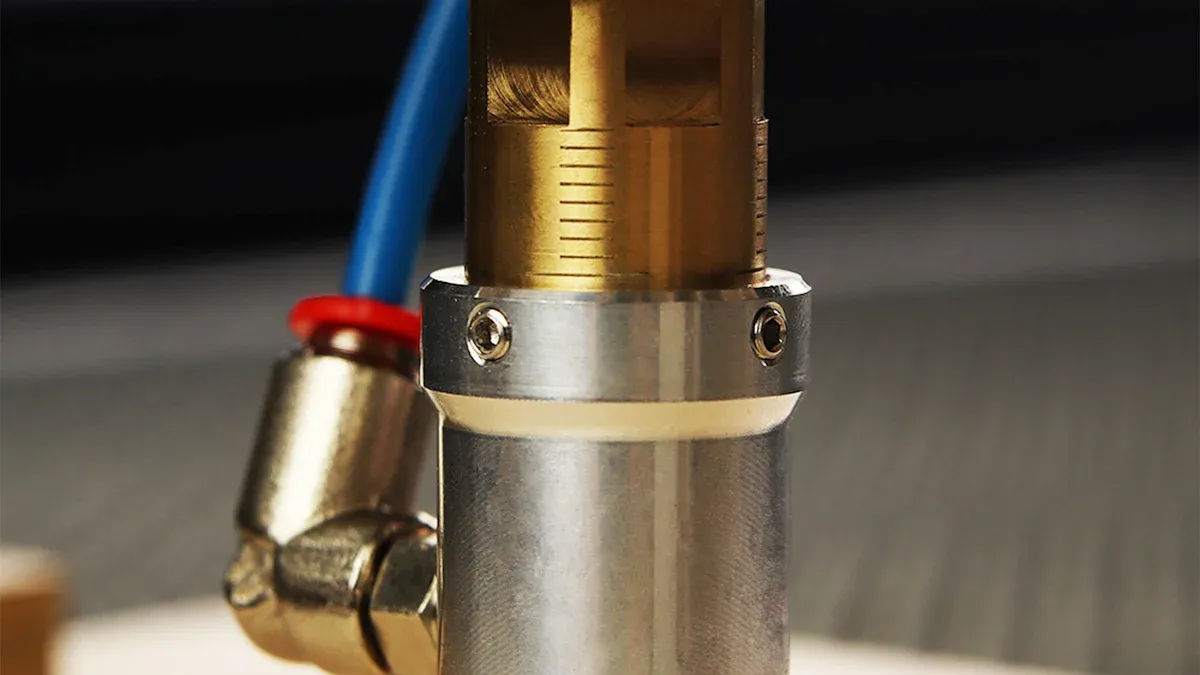
A strong and smart engine is key. It helps avoid stuck pipes. New directional drilling machine designs focus on steady power. They also keep the system safe. This stops sudden power surges. This makes sure the drill keeps going. It works even in tough ground.
High-Torque Output and Overload Protection
CEGC's "Anti-Stall Powertrain & Overload Protection" is important. This system gives a lot of power. It works at many speeds. This means the drill can handle different ground. Hydraulic sensors watch the drill's forces. Pressure control helps manage these forces. The system also starts and stops smoothly. This lessens sudden jolts. It protects rods, swivels, and tools. This safety stops damage. It prevents costly delays.
For very hard ground, a "rock package" is an option. This package has better cooling. It also has better filters. It gives extra power. These strong parts work better. They stop sudden power spikes. This helps prevent unexpected stops. It also prevents delays.
Optimized Tooling for Reduced Wear and Jamming
Picking the right tools is vital. Keeping them in good shape is also vital. This helps stop wear. It also stops jamming. Before drilling, plan carefully. Look at data from nearby wells. This helps understand the ground. This info helps choose drill bits. It also helps choose fluids.
During drilling, watch things closely. Workers check the drill speed. They check other numbers. They change the weight on the bit. They change the spin speed. They change mud flow rates. These changes are based on live conditions. Using new bit designs also helps. These designs are for certain ground types. Checking how bits work helps for next time. Good fluid care also helps tools. It keeps the mud right. This helps move cuttings out. It also makes bits last longer.
Watching for more power and drag helps. It shows harder ground. This stops sticking. Checking how many cuttings are removed is also key. If there are too many, make changes. This means changing bit weight. It means changing fluid flow. It means changing pump pressure. Checking for tight spots helps. Do this when pulling the drill string out. This finds problem areas. This allows for quick fixes. Watching fluid pressure helps. It finds lost fluid. Tools that see inside the hole. They can find weak spots. Changing settings helps keep things steady.
Effective Mud Management for Borehole Stability
Good mud care is key. It makes the hole stable. It also stops jamming. Making drilling fluid thick enough is important. This makes the safe thickness wider. It keeps the hole stable. Changes are made right away. They are based on field conditions. They also look at expected pressures.
Controlling the tripping speed is key. This helps manage pressures. These pressures affect stability. Good control lowers hole collapse. It lowers fracture instability. Keeping the ground from fluids helps. Long exposure can hurt stability. This is from fluid soaking in. Reducing this is important. Do this when tripping. Watching hole pressure is key. This helps make good tripping plans. It also helps change fluid thickness. This fits downhole work.
Some mud additives help. They make the hole stronger. They also lower rubbing. Mud with bentonite can make fluid flow faster. It can be 50% faster. Better polymers in the mud. They make tools last longer. A new gel can lower power needed. It can be 40% less in clay areas. Solid calcium control lowers drag. This makes drill pipe move smoother. Better cement connections lower rubbing. This makes projects finish faster. Mud thinners make mud less thick. This helps flow. It helps remove cuttings. This stops pressure buildup. It stops collapse. It makes hole walls stable. Mud thinners also help fluid flow smoother. They allow faster debris removal. This makes drilling better.
Thickeners, like polymers and clays, are vital. They make fluid thicker. This helps keep pressure. It stops fluid loss. It also makes mud more stable. Picking the right thickeners. Using the right amount. This leads to better hole cleaning. It lowers power and drag. It also moves cuttings better. Barite makes drilling mud heavier. This fights ground pressure. It stops blowouts. Bentonite makes a protective layer. This stops collapse. It lowers fluid entry. Fluid loss additives lower fluid loss. This keeps pressure. It keeps fluid traits. Thixotropic additives help flow. They make mud less thick under stress. They get thick again when still. This can lower pump pressure a lot. This hdd machine anti stick tech prevents drill jamming. It does this by keeping the hole stable.
Best Practices for Jam-Free Horizontal Directional Drilling
Stopping drill jamming needs many steps. Good plans, skilled work, and steady care help. These steps make horizontal directional drilling smooth. They make it work well.
Comprehensive Pre-Bore Planning and Geotechnical Analysis
Good planning is key for good drilling. Before you start, check the ground well. This means knowing the soil conditions below. Knowing the ground helps you see problems. It helps pick the right tools and fluids. Good plans cut down on surprises. This helps stop jamming.
Operator Proficiency and Skill Development
Good workers are key to stop jams. Smart workers know how to drill. They can see and stop jams. They notice small changes when drilling. This includes how much twist, drag, and speed. These are early signs of jams. Fixing things fast stops big problems. Good workers can do hard drilling jobs. This includes making holes bigger and moving pipes.
Studies show that good workers mean fewer problems. Jobs with new workers often stop more. This is because pipes get stuck. Skilled teams have fewer issues. This makes work better and safer.
Training is very important to get better.
-
Ryboa Haima Well Engineering Academy teaches advanced skills. This helps with stiff drilling parts.
-
IWCF Level 3 & 4 Training is ready. These teach how to control wells. This is key for safe and good drilling.
Regular Maintenance of Your Trenchless Drilling Rig
Regular care stops machine breaks. These breaks can cause jamming. A well-kept trenchless drilling rig works well.
|
Maintenance Type |
Component/System |
Check/Action |
|---|---|---|
|
Daily (Before Construction) |
All Fuel Tanks |
Check oil level and quality. Change if needed. |
|
|
Gearbox Gears |
Check oil amount and quality. |
|
|
Steel Structure |
Look for cracks and rust. Fix them fast. |
|
During Construction (Before Each Shift) |
Drill Rod Hoist Bearings |
Add grease to make them smooth. |
|
|
Steel Wire Rope |
Check it often. Change if it is very worn. |
|
Regular Maintenance |
Engine Oil |
Change every 250 hours of work. |
|
|
Hydraulic Oil |
Filter every 500 hours. Change all after 1500 hours. |
|
|
Equipment Cleaning |
Clean dirt and dust often. |
Post-Project Data Analysis for Continuous Improvement
After each job, look at the facts. Check drilling notes and how well it worked. See what went well and what caused trouble. This includes looking at surprise soil conditions. This info helps make better plans. It makes future horizontal directional drilling better. This learning helps work better. It stops jams. This makes trenchless tech more trusted.
Case Studies: Success with Anti-Stick Tech in 2026
New anti-stick tech works well. It helps in real projects. These examples show how new ways make drilling better. They show it works fast and is steady.
Overcoming Complex Ground Conditions
A job in Texas had big problems. The drill path went through broken rock. It also went through shaky clay. These different soil conditions often cause jams. The company used CEGC's "Precision Guidance & Stability System." This system gave live info. Workers could change drilling settings fast. They also used CEGC's "Mud Integration & Fluid Management Solution." This made fluids work best. It stopped the drill from sticking. This was in hard ground. The job finished early. No pipes got stuck. This showed the system worked well in tough places.
Achieving Efficiency in Long-Distance Bores
Another good example was a long pipeline. It went 3,000 feet under a big river. Long bores often have more rubbing. They also have sudden twists. The job used CEGC's "Anti-Stall Powertrain & Overload Protection." This gave steady strong twists. It handled water pressure well. This stopped sudden too much power. The system started and stopped smoothly. This kept the drill rods safe. Live sensor data went into an auto system. This kept the drill moving well. It made tools last longer. The job was very long. The soil conditions were hard. But it finished very fast. It had little stopped time. This showed how anti-stick tech helps big jobs.
New tech stops drills from sticking. This is very important. It helps with drilling jobs. This will be true in 2026 and later. Smart liquids and auto systems help. They make work better. Strong drill designs save money. They also make projects more sure. CEGC wants to stop drill jams. They use new ideas. This helps trenchless tech get better.
FAQ
What is drill jamming in horizontal directional drilling?
The drill string gets stuck. This is drill jamming. It happens in tough soil conditions. Bad drilling methods also cause it. Work stops. Projects get delayed.
How do CEGC's anti-stick technologies prevent jamming?
CEGC uses special fluids. They use live sensor data. They also use auto settings. This keeps the drill moving. It stops the drill from getting stuck.
What are the main benefits of using anti-stick technology?
Anti-stick tech helps a lot.
It cuts down on stopped time.
It lowers repair costs.
Projects finish faster.
Work sites are safer.


