

You depend on HDD rig joints to ensure your drilling projects run smoothly. Reliable joints in HDD rigs are essential for preventing sudden breaks and costly setbacks. CEGC stands out as a trusted HDD Rig Supplier, offering Heavy Duty Joint solutions that prevent failure even in your toughest HDD jobs. With CEGC, you get horizontal directional drilling solutions designed for durability and performance.
Key Takeaways
-
Pick good HDD drill rods to stop failures and keep drilling easy.
-
Check and take care of your drill rods often. This can make them last longer and work better.
-
Use a trusted supplier like CEGC. They give custom help and support for your drilling jobs.
HDD Rig Supplier Heavy Duty Joint Prevents Failure
Key Joint Features for HDD Reliability
You need reliable hdd drill rods to keep your projects on track. A hdd rig supplier heavy duty joint prevents failure by using advanced design and high-quality materials. You want every drill to perform at its best, so you choose rods that meet market-standard specs. These rods resist fatigue and handle tough ground conditions. Each hdd drill rod connects with a heavy-duty joint that prevents breakage during drilling. You avoid poor material quality by selecting rods from trusted suppliers. CEGC focuses on quality and precision for every drill. You get rods that match your project’s geology and length. The right hdd drill rods reduce downtime and keep your drill moving forward. You can trust these rods to handle the stress of horizontal directional drilling. CEGC customizes rods and joints for your unique needs. You benefit from rods that fit your trenchless drilling rig and your job site. Every hdd drill rod works with the next to create a strong, reliable drill string.
Supplier Support and Customization
You need more than just quality rods. You need a hdd rig supplier heavy duty joint prevents failure because you get full support for your drill. CEGC offers engineering support for your drilling projects. You get help with project planning and equipment selection. Their team helps you choose the right hdd drill rods for tunneling, mining, or utility work. You can ask for rods that fit your geology and drilling length. CEGC’s support includes on-site training and fast spare part delivery. You get 24/7 technical support for your drill. If you have an urgent issue, you get a service visit in under four hours. You can reach their team by phone or remote diagnostics. Regional service centers make support easy. You get the right rods, the right joints, and the right support for every drill. A hdd rig supplier heavy duty joint prevents failure by standing with you from start to finish.
-
24/7 technical support for your drill
-
Fast response for urgent service needs
-
On-site training for your team
-
Spare part logistics for your rods
-
Regional service centers for easy access
You can rely on CEGC to provide hdd drill rods and support that keep your drill running strong. A hdd rig supplier heavy duty joint prevents failure by focusing on quality, customization, and support.
Preventing Fatigue Failure and Other Joint Issues in HDD
Causes of Fatigue and Mechanical Stress
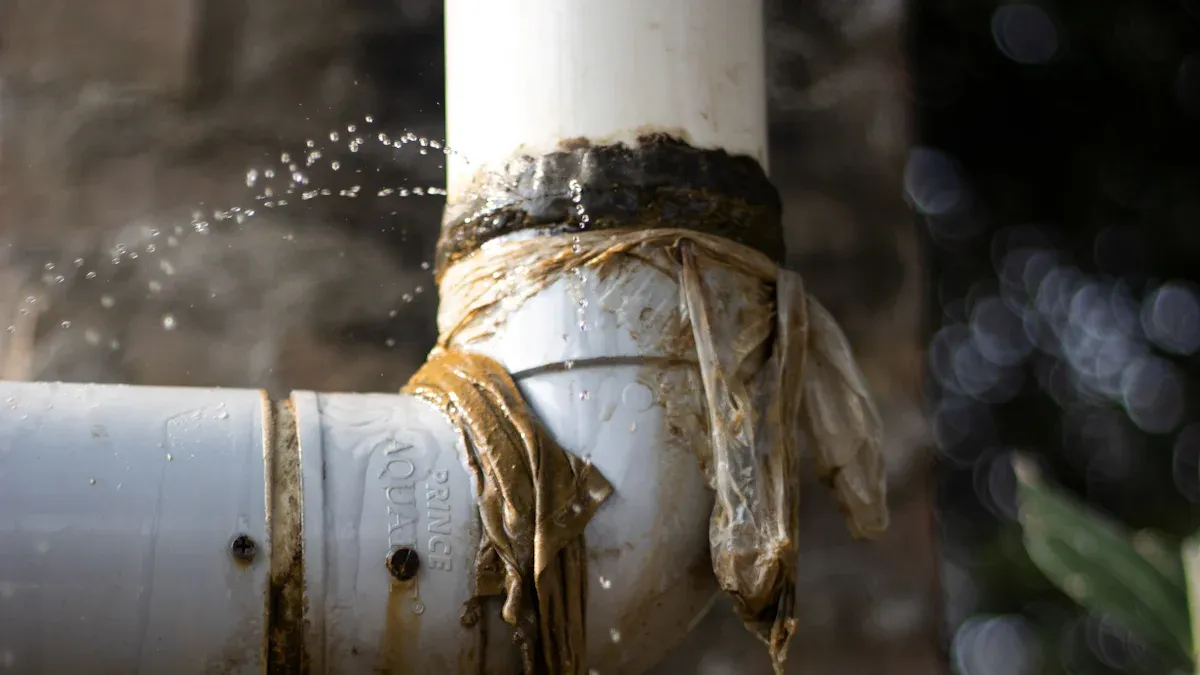
When you use an hdd rig, you face many problems. Fatigue is a common reason drill rods break. Fatigue failure happens when rods get loaded and unloaded again and again. This makes small cracks form in the rods. High drilling pressure and rods not lined up right make fatigue worse. You see more fatigue when rods work in hard ground or shake a lot. Bending and buckling are also big problems for your drill. Bending happens when rods get pushed from the side. Buckling happens when rods do not have enough support. You need to support rods to stop bending and buckling. These problems can stop your drill and cost you money.
|
Failure Mode |
Description |
Contributing Factors |
|---|---|---|
|
Fatigue Failure |
Occurs due to repeated cyclic loading, leading to cracks and eventual failure. |
High drilling pressures, poor material quality, misalignment. |
|
Corrosion |
Deterioration of the drill rod due to exposure to harsh environments. |
Uniform corrosion, pitting corrosion, galvanic corrosion. |
|
Thread Damage |
Damage to the threads connecting drill rods, affecting their integrity. |
Improper make-up torque, over-tightening, abrasive wear. |
|
Bending and Buckling |
Deformation of drill rods under high lateral forces or unsupported spans. |
High lateral forces, unsupported spans. |
You can stop fatigue failure by picking rods made from strong metal. You should check rods for cracks and change broken rods fast. You keep rods lined up by using good guidance tools. You lower fatigue by matching drill power to the ground. CEGC gives you horizontal directional drilling machines that are very accurate and strong. These machines help you avoid many failures and keep your drill working.
Corrosion, Thread Damage, and Mud Management
Corrosion hurts your drill rods every day. You see corrosion when rods work in wet or rough places. Uniform corrosion spreads all over the rod. Pitting corrosion makes small holes. Galvanic corrosion happens when different metals touch each other. To fight corrosion, you pick rods that do not rust easily. You clean rods after every drill. You use coatings and keep rods dry.
Thread damage is another thing you must stop. Keeping threads safe makes your drill string strong. Thread damage happens when dirt gets in the threads or you use the wrong torque. Bad handling also causes thread damage. You need to clean threads after jobs and use thread protectors. You put on new dope and follow torque rules. You handle rods with care and store them with clean end-caps.
|
Preventative Measures |
|
|---|---|
|
Debris in connections |
Clean threads between jobs, apply fresh dope, use thread protectors |
|
Insufficient makeup torque |
Adhere to torque specifications, ensure proper makeup torque is reached |
|
Improper handling during operations |
Use thread protectors, clean and dry threads before storage or transport |
Mud management is very important to stop failures. Bad mud makes more friction and drag. You see casing bend or not reach the bottom. Bad mud can make the casing sit wrong and cement not cover well. You must clean the hole so cuttings do not block the drill. You follow the mud plan and check mud often. CEGC’s Trenchless Drilling Rig uses fluid management to help you avoid these problems.
-
Bad mud management makes more friction and drag, causing casing to bend or fail.
-
Casing in the wrong spot means cement does not cover well and can cause problems later.
-
Not cleaning the hole lets cuttings build up, making more drag and blocking movement.
Maintenance and Operator Best Practices
You make your hdd drill rods last longer by doing regular maintenance. You check fluids, leaks, tracks, threads, and warning lights every day. You plan service by engine hours or drilling numbers. You change filters, check fluids, grease rods, check torque, and test pressure. You clean rods, use special fluids, protect cylinders, and store batteries the right way. You keep rods in a safe place when not in use.
-
Walk around every day to check fluids, leaks, tracks, threads, and warning lights.
-
Do service by engine hours or drilling numbers, like changing filters, checking fluids, greasing, checking bolts, testing pressure, and adjusting valves.
-
Clean rods, use special fluids, protect cylinders, store batteries right, and keep rods in a safe place when not drilling.
You follow good ways to handle and check rods. You do not stall pipe rotation to stop stress damage. You check and fix bits and reamers often. You get new tool joints ready by adding compound, tightening, and taking them apart. You store drill pipe right and protect threads with clean end-caps. You watch rods for damage from worn dies and change them if they slip.
-
Do not stall pipe rotation to stop stress damage.
-
Check and fix bits and reamers often.
-
Get new tool joints ready to make threads last longer.
-
Store drill pipe right and protect threaded ends.
-
Watch rods for damage from worn dies.
You get better joint technology in horizontal directional drilling rigs. You see better accuracy, more speed, better safety, and save money on your project. CEGC’s anti-stall powertrain, overload protection, and fluid management help you stop fatigue failure, corrosion, thread damage, bending, and buckling. You keep your drill working well and avoid common failures.
Tip: You get better drilling results by using strong rods, doing good maintenance, and using smart techniques. You stop fatigue, corrosion, thread damage, bending, and buckling with CEGC’s market-standard solutions.
You improve your project by choosing the right HDD rig supplier. You get strong rods that keep your drill working. You avoid failure when you understand how rods break and follow good maintenance steps. You work with CEGC to get rods that fit your drill and your job. You see these benefits:
-
You protect workers and keep your drill safe.
-
You finish your drill faster and avoid delays.
-
You control costs and prevent budget problems.
-
You use rods that last longer and help your drill perform well.
-
You get training and support for your drill and rods.
-
You see less downtime and more drilling success.
-
You use rods that match your drill and your project needs.
-
You avoid service interruptions and keep your drill moving.
-
You get rods that fit your drill and help you finish your job.
-
You use rods that work with your drill for every project.
-
You see better results when you use rods from a trusted supplier.
-
You get rods that help your drill work in tough ground.
-
You use rods that protect your drill and your team.
-
You get rods that help your drill last longer.
-
You see your drill perform better with the right rods.
You make your drilling project reliable and strong when you choose CEGC and market-standard solutions.
FAQ
What makes a heavy-duty joint important for your drill?
You need a strong joint to keep your drill working in tough ground. Heavy-duty joints help your drill avoid breaks and keep your project safe.
How do you prevent drill joint failure during a project?
You check your drill rods often. You clean your drill joints after each job. You use the right torque when you connect your drill rods.
Tip: You protect your drill by following maintenance steps and using quality rods.
Can you customize your drill joints for different jobs?
You can ask for drill joints that fit your project. You choose drill rods based on ground type. You match your drill joints to your trenchless drilling rig.
|
Customization Option |
Benefit for Your Drill |
|---|---|
|
Rod diameter |
Fits your drill needs |
|
Joint specs |
Matches your drill job |
|
Wear protection |
Keeps your drill safe |


