
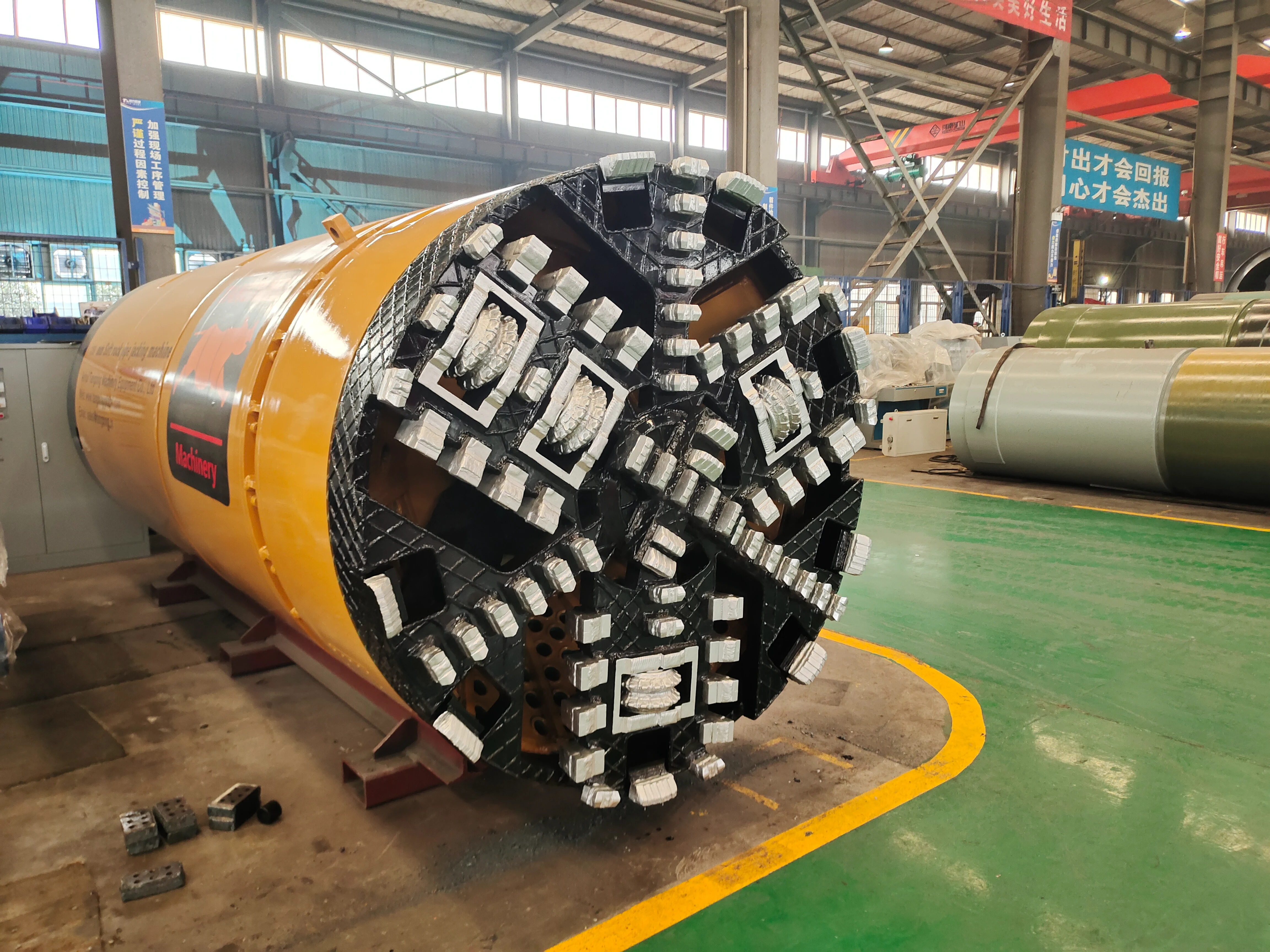
You may think rock breaks a TBM first, but heat kills a TBM machine before rock does. Heat harms the cutterhead, motors, and electronics, leading to faster damage and increased downtime. Project owners and contractors face real dangers from this issue. CEGC tunnel boring machines utilize smart solutions to keep your machine safe.
Heat can make your tunnel machine stop before rock does.
Key Takeaways
-
Heat hurts a TBM more than rock does. Watch the cutterhead temperature to stop breakdowns.
-
Use a system to check temperature and get alerts right away. This lets you act fast and avoid expensive repairs.
-
Doing regular maintenance and controlling face pressure lowers heat. This helps your TBM work well and stay safe.
Heat kills a TBM machine before rock does
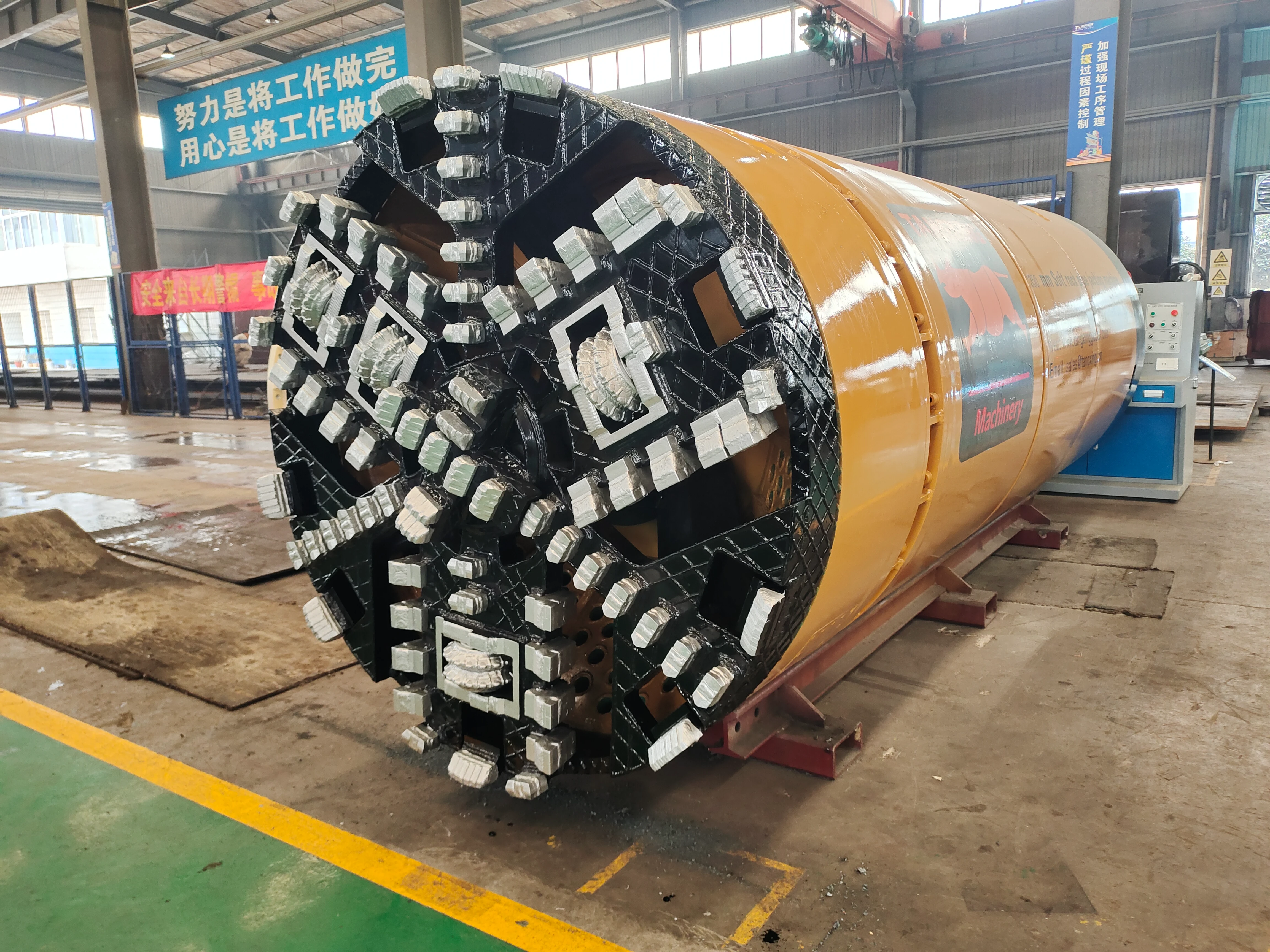
Heat Impact on TBM Components
Many people think rock is the biggest problem for a tunnel boring machine. But heat can damage a TBM faster than rock. When a TBM works in tough ground, the cutterhead rubs against the rock. This rubbing makes the cutterhead get hot very quickly. Sometimes, the cutterhead temperature goes over 60 °C. High heat does not only hurt the cutterhead. It also affects the motors and electronics inside the TBM. When the temperature gets higher, these parts break down faster. The TBM will not work as well. Heat can cause mud cake to form on the cutterhead. Mud cake is sticky and can block the cutterhead. The TBM needs more force and power to keep moving. Changes in temperature can make the mud cake even harder. Getting rid of hard mud cake is dangerous for workers. If you do not pay attention to the heat, you will have more downtime and spend more money on repairs. Heat hurts every part of your tunnel machine, so it is worse than rock.
Cutterhead Temperature and Performance
The cutterhead is the most important part of the TBM. When the cutterhead gets hot, it wears out faster. High heat changes how the cutterhead works with the ground. The cutterhead cooling slows down. This means the cutterhead cannot cool off quickly. The temperature keeps going up, and the cutterhead gets weaker. Heat also makes it harder for the cutterhead to cut through rock and soil. If the cutterhead gets too hot, it can bend or crack. Even small changes in heat can cause big problems. The cooling system must work well to protect the cutterhead. If you do not watch the cutterhead temperature, you will see more damage and more downtime. Heat also affects the TBM’s motors and electronics. High heat can make these parts stop working. When the cutterhead gets hot, the electronics may fail. The motors can overheat and lose power. This is why heat is more dangerous than rock for a TBM. You must check the cutterhead temperature all the time to keep your TBM safe.
Cutterhead Temperature Monitoring for Safety
A cutterhead temperature monitoring system helps keep your TBM safe. This system checks the cutterhead temperature all the time. It gives you data so you can act quickly. If the cutterhead gets too hot, the system will warn you. You can slow down the TBM or start cooling the cutterhead. The system helps you avoid cutterhead damage and keeps workers safe. Watching the cutterhead temperature in real time is important for safety. The system also protects the motors and electronics. If the system finds a problem, you can fix it before it gets worse. Changes in temperature inside the TBM can be dangerous. The system helps you spot these changes early. CEGC’s TBM and Microtunnelling Machine solutions have advanced temperature monitoring systems. These systems help you control the cutterhead temperature and keep your machine running. The system also helps you plan when to do maintenance. You can use the data to decide when to stop and check the cutterhead. This lowers downtime and keeps your project moving. Heat is more dangerous than rock for a TBM. You need a temperature monitoring system to protect the cutterhead, motors, and electronics. With CEGC’s solutions, you get real-time monitoring, quick alerts, and better safety for your tunnel projects.
Managing Cutterhead Wear and Heat in TBM Tunneling
Cutterhead Design and Wear Solutions
There are two big problems in TBM tunneling. These are cutterhead wear and heat. Hard or mixed ground makes the cutterhead wear out faster. The cutterhead must work in tough places. You need a good cutterhead design to stop wear and control heat. CEGC has cutterhead designs for different ground types. These designs match the cutterhead tools to the ground. This helps the TBM work better and have less downtime. The cutterhead has wear plates and hard facing. These parts protect it from wearing out too fast. You can pick disc cutters, TCI cutters, or milled tooth cutters. TCI cutters last longer and make small chips. Small chips help the slurry move in microtunnelling. New cutterhead designs give more protection and keep the cutterhead steady. The table below shows important cutterhead changes:
|
Modification Type |
Description |
|---|---|
|
Tooling Composition |
Size and arrangement based on rock properties to optimize chip size. |
|
Wear Protection Measures |
Wear protection plates and hard facing protect the cutterhead. |
|
Cutter Types |
Disc cutters, TCI cutters, and milled tooth cutters improve efficiency. |
|
TCI Cutters |
Wear resistance and small chip creation benefit microtunnelling. |
|
Design Adjustments |
Extra wear protection and stability for higher loads. |
Face Pressure Control and Ground Protection
Face pressure control keeps the front of the tunnel safe. You must control face pressure to stop overdigging and face problems. If you lose control, the cutterhead gets hotter. Good face pressure control lowers heat on the cutterhead. This keeps the cutterhead cooler and safe from harm. CEGC’s closed-mode face support helps keep digging safe. Ground conditioning is also important. Foam systems make the tunnel face more stable. These systems stop too much heat from building up. You get safer tunneling and less cutterhead wear.
-
Face pressure control keeps the tunnel face steady.
-
Good control stops overdigging and face problems.
-
Less heat means a cooler cutterhead.
Maintenance and Downtime Reduction
You need regular maintenance to keep your TBM working. Heat makes the cutterhead wear out and causes downtime. You can do regular checks, clean the system, and check probes. These steps help your TBM last longer and stop surprise breakdowns. Electrical safety tests keep the TBM safe to use. Planned maintenance helps you fix things before they break. Watching the temperature in real time helps you plan when to do maintenance. You can change your plans if your TBM needs it. Checking the TBM’s condition helps it work better and run longer. CEGC’s modular design makes fixing things easier. You get fast service and less downtime. Your TBM keeps working and the cutterhead stays safe.
|
Benefits |
|
|---|---|
|
Periodic Maintenance (PM) |
Extends equipment life and reduces downtime. |
|
System Cleaning |
Prevents heat-related issues and ensures proper airflow. |
|
Probe & System Verification |
Ensures optimal performance and reduces heat-related failures. |
|
Electrical Safety Testing |
Ensures safe operation and prevents downtime. |
|
Planned Maintenance Management |
Enhances reliability and reduces downtime. |
Tip: Watching the temperature in real time helps you plan maintenance and keep your TBM working.
Real-World Consequences and CEGC Solutions
Downtime, Costs, and Project Risks
If you ignore the cutterhead and heat, you face big risks. When the cutterhead gets too hot, the tbm stops working. This means your tunneling project slows down. You must stop tunneling to change a worn cutterhead. This takes time and costs money. There are safety risks too. A broken cutterhead can snap while tunneling. Workers have to go into the tunnel to fix it. This is dangerous for them. If you do not control heat, motors and electronics can break. This causes even more downtime. Your project may fall behind schedule. You might miss important deadlines. Owners and contractors lose money when the cutterhead fails. You could get claims and penalties if the project stops.
Not managing the cutterhead and heat makes your tbm cost more and take longer to finish the tunneling job.
CEGC Customization and Support
You need a partner who knows tunneling and cutterheads. CEGC gives you custom solutions for every tbm and microtunnelling machine. You can pick the best cutterhead for your ground. CEGC helps you match the cutterhead to the tunnel conditions. You get help with cutterhead wear, heat control, and safety. CEGC offers training and plans for spare parts. You can plan maintenance and keep your tbm running well. CEGC’s technical team helps you fix tunneling problems fast. You get real-time monitoring for the cutterhead and tbm systems. This lets you spot heat issues before downtime happens. CEGC’s support keeps your project moving forward. You save money, lower risk, and finish your tunneling job with less stress.
|
CEGC Solution |
Benefit for Tunneling Projects |
|---|---|
|
Custom cutterhead design |
Matches ground and reduces wear |
|
Real-time cutterhead monitoring |
Prevents heat damage and downtime |
|
Maintenance support |
Keeps tbm and cutterhead working |
|
Training and spare parts |
Improves tunneling safety and uptime |
You must see that heat is the main danger for your tbm. You protect your tbm with cutterhead temperature monitoring, face pressure control, and modular design from CEGC. You keep your tbm safe and strong. You should always make heat management your top goal when you choose a tbm.
FAQ
What happens if you ignore heat in a TBM machine?
You will see the cutterhead wear out faster. There will be more breakdowns. You will pay more for repairs. Heat can make your tunnel machine stop before rock does.
How does CEGC help you manage TBM heat?
CEGC lets you check cutterhead temperature in real time. You can control face pressure. The modular design helps keep your TBM safe. These steps help you lower downtime.
Why should you monitor cutterhead temperature during tunneling?
You can find problems early. This stops damage to the cutterhead, motors, and electronics. Your tunnel boring machine will run longer and stay safer.


