
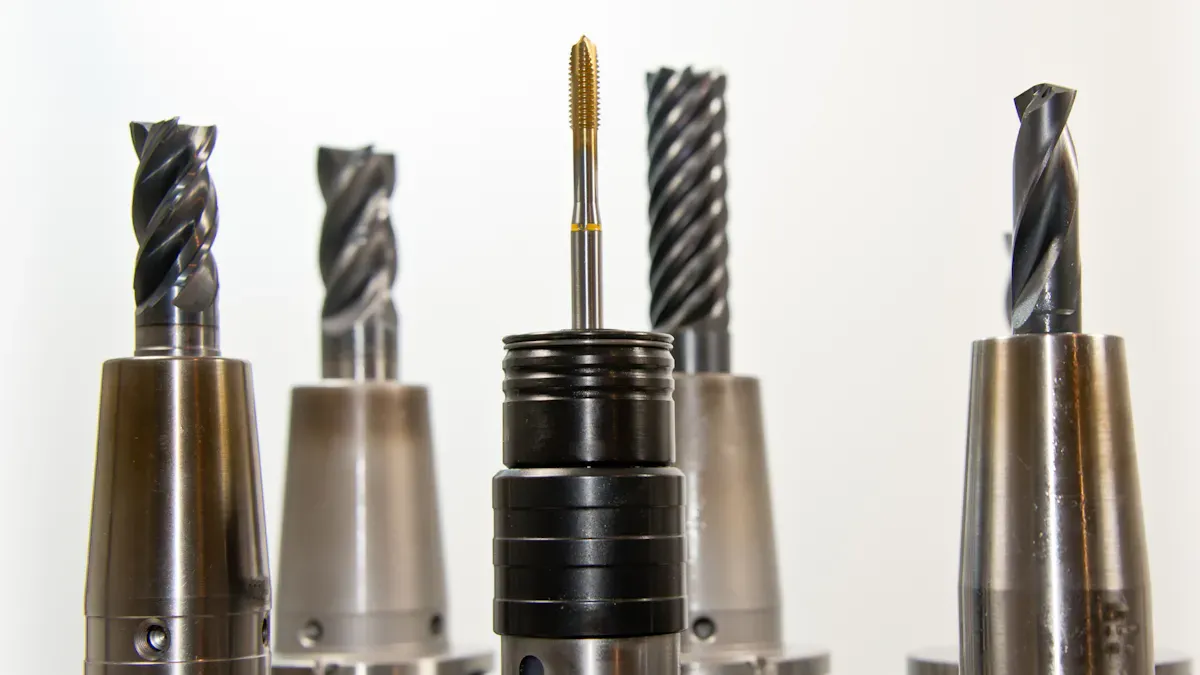
You want great results when drilling in mixed ground. Hole Drilling Tool Beats Variable Ground because CEGC meets market-standard rules for tool strength, trust, and how well it works. You get better results when you use the right mining drill bits and pick the best drilling speed for each problem.
Key Takeaways
-
Pick the best drilling tool for each ground type. This helps you work faster and get better results.
-
Check your mining drill bits often. Keep them in good shape to make them last longer and work well.
-
Try new features and settings in drilling tools. Change them to fit different ground conditions.
Key Factors for Variable Ground
Understanding Ground Conditions
When you start drilling, you find many ground types. The kind of soil or rock under your site changes what tools you need. Here are some ground conditions you may find:
-
Sandy soils and loose gravel need a double-bottom drilling bucket. This helps keep spoil from getting lost.
-
Medium-hard rock and gravel work best with core barrels. These help you take out spoil more easily.
-
Strongly weathered hard rock formations need a rock bucket. This lets spoil come out smoothly. You should pick your tool to match the ground. Foundation drilling buckets, augers, and core barrels work for different ground. You can drill better if you use the right tool for each type.
Tool Durability and Stability
Durability is very important in changing ground. Many things can change how long tools last. The table below shows what to look for:
|
Factor Type |
Description |
|---|---|
|
Environmental Conditions |
Temperature, humidity, and CO2 levels can change durability. |
|
Material Properties |
The strength of concrete and stress at depth affect how long tools last. |
|
Construction Practices |
Good construction means better durability and fewer problems. |
|
Deterioration Parameters |
Carbonation depth and corrosion rate show how fast tools wear out. |
You want tools that stay strong and steady in all ground. CEGC uses rigid masts and guide alignment. This keeps drilling straight, even in hard rock.
Drilling Speed and Efficiency
Drilling speed and efficiency depend on the ground you face. Hard rock makes you drill slower. Softer ground lets you drill faster. The rate of penetration changes with the strength of the ground. Advanced tools can help you work up to 30% faster in mixed ground. CEGC’s hydraulic control and modular interfaces help tools last longer. They also help you drill faster and better, even in tough ground.
Hole Drilling Tool Beats Variable Ground
Tool Adaptability and Customization
You need tools that can change when you drill in different soils and rocks. The phrase hole drilling tool beats variable ground means your equipment fits the job better. Advanced features help you work in hard places. Check the table below to see what makes these tools strong and flexible:
|
Feature |
Description |
|---|---|
|
You use methods like DTH hammer or rotary-percussive to break hard rock. |
|
|
Specialized Equipment |
You pick machines that handle extreme stress and abrasion. |
|
Reinforced Frames and Mountings |
You get frames that absorb force and keep your tool safe. |
|
Advanced Cooling Systems |
You protect your drill bits from overheating and make them last longer. |
|
Heavy-Duty Drill Pipes |
You choose pipes made from strong materials for tough jobs. |
|
Diamond Bonding Technologies |
You use small diamonds to make bits faster and more durable. |
|
Improved DTH Hammers |
You get better air flow and faster penetration rates. |
|
Smart Technologies |
You rely on sensors to adjust your tool in real time. |
You can also change your tools to fit your site. The phrase hole drilling tool beats variable ground shows how custom options help you fix problems. See the table below for ways you can change your equipment:
|
Description |
|
|---|---|
|
Materials and Dimensions |
You pick the right size and material for your project. |
|
Advanced Technology |
You adjust your tool for better performance. |
|
Optimized Cutting Edges |
You use special edges to cut faster and reduce wear. |
|
Versatility Across Industries |
You use tools that work in mining, construction, and energy. |
|
Durability and Longevity |
You choose high-quality parts that last longer. |
|
Long-Term Cost Savings |
You save money by using tools that need fewer repairs. |
You get more control and better results with these features. The phrase hole drilling tool beats variable ground means you can solve any problem with the right setup.
CEGC Surface Drilling Rig Features
You want a machine that works well in all kinds of ground. CEGC surface drilling rigs give you power and accuracy. You see how hole drilling tool beats variable ground when you use these rigs. You get strong frames and smart controls. You can drill straight holes and keep your project on track. CEGC rigs use rigid masts and guide alignment to help you stay accurate. You get hydraulic circuits that let you control speed and force. You can set up your rig for different pile types and site needs. You get modular interfaces that make your machine fit your project. You can rely on advanced cooling systems to protect your equipment. You get service-friendly layouts that make maintenance easy. You see how hole drilling tool beats variable ground with CEGC’s market-standard solutions.
Tip: You can work faster if you match your rig’s power unit and cooling package to your site’s needs. This helps you avoid delays and keeps your project moving.
Pile Driver Solutions for Urban Sites
You face special problems when you work in cities. You need pile drivers that fit small spaces and keep noise low. The phrase hole drilling tool beats variable ground means you get good results even in busy places. Look at these features that help you do well:
-
Controlled installation methods help you place piles exactly where you want. You avoid mistakes and keep your project safe.
-
Minimal environmental impact means you lower noise and vibration. You protect nearby buildings and keep neighbors happy.
-
Adaptability to site constraints lets you work in tight spaces. You move your equipment easily and finish jobs faster.
You can use CEGC pile drivers for city sites. You get static press-in options that lower noise and vibration. You rely on damping-oriented designs to protect sensitive buildings. You see how hole drilling tool beats variable ground when you use these solutions. You can handle directional drilling and keep your project safe and efficient.
Mining Drill Bits and Tool Selection
Choosing the Right Bit for Ground Conditions
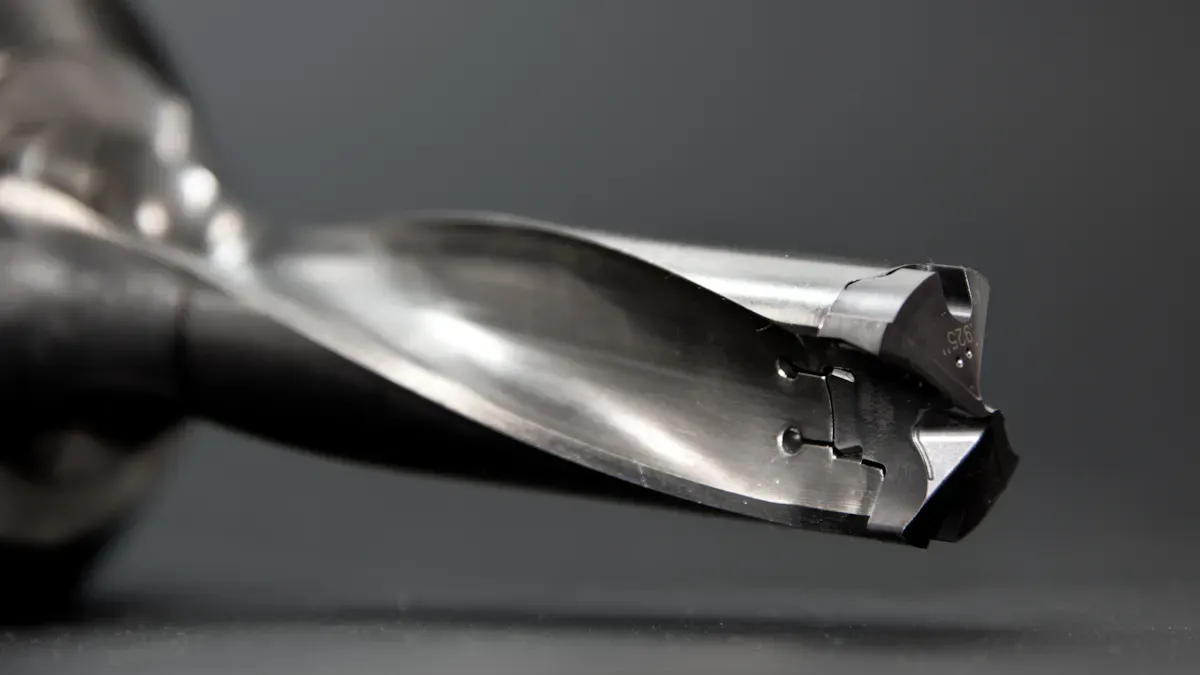
You need to focus on selecting the right tool for every job. Mining drill bits come in many types, and each one works best in certain ground. If you want to get the most from your drilling, you must match the drill bit to the soil or rock formation and hardness. For example, you use different mining drill bits for clay, sand, or rock. The table below shows how you can choose the right bit for each ground type:
|
Soil Type |
Bit Requirements |
Mud Considerations |
|---|---|---|
|
Clay |
Cuts and clears |
Heavy mud can smear the hole |
|
Sand |
Supportive bit |
Thick mud needed to carry sand out |
|
Rock |
Steady breaking |
Mud must cool and carry cuttings |
|
Mixed |
Match to main soil |
Adjust mud as conditions change |
You should always consider the bit material and durability. You also need to adjust your drilling settings as the ground changes. Bit design and cutting structure play a big role in how well you drill.
Tri-Cone, PDC, and Rock Reamer Comparison
You will find several types of mining drill bits in the field. The most common types of mining drill bits include Tri-Cone, PDC, and Rock Reamer. Each one has special strengths. The table below helps you compare them:
|
Feature |
PDC Bit |
Tricone Bit |
|---|---|---|
|
Cutting Mechanism |
Shearing with fixed PDC cutters |
Crushing with rotating cones |
|
Material |
Polycrystalline diamond composite |
Tungsten carbide teeth on steel cones |
|
Best For |
Soft to medium soils (clay, loam) |
Hard rock (sandstone, shale) |
|
Speed |
High RPM, minimal re-entry |
Moderate RPM, stable in unstable layers |
|
Wear Resistance |
Superior (1.5–3x longer lifespan) |
Lower (requires frequent replacement) |
Rock Reamers work well in horizontal directional drilling. You use them to enlarge holes in tough rock. You should always check the ground before you pick your mining drill bits.
Bit Wear and Maintenance
You must keep your mining drill bits in good shape. Regular checks help you spot wear early. You should sharpen the drill bit when about one-third of the carbide face is flat. You need to inspect your mining drill bits often, especially in abrasive ground. Matching your rotation speed to the penetration rate will help you reduce wear. Keeping records of wear patterns lets you plan maintenance for your mining drill bits. Good care means your hdd tooling lasts longer and works better.
Tip: Clean your mining drill bits after every job. This simple step keeps your tools ready for the next project.
Maximizing Drilling Speed and Efficiency
Powertrain and System Matching
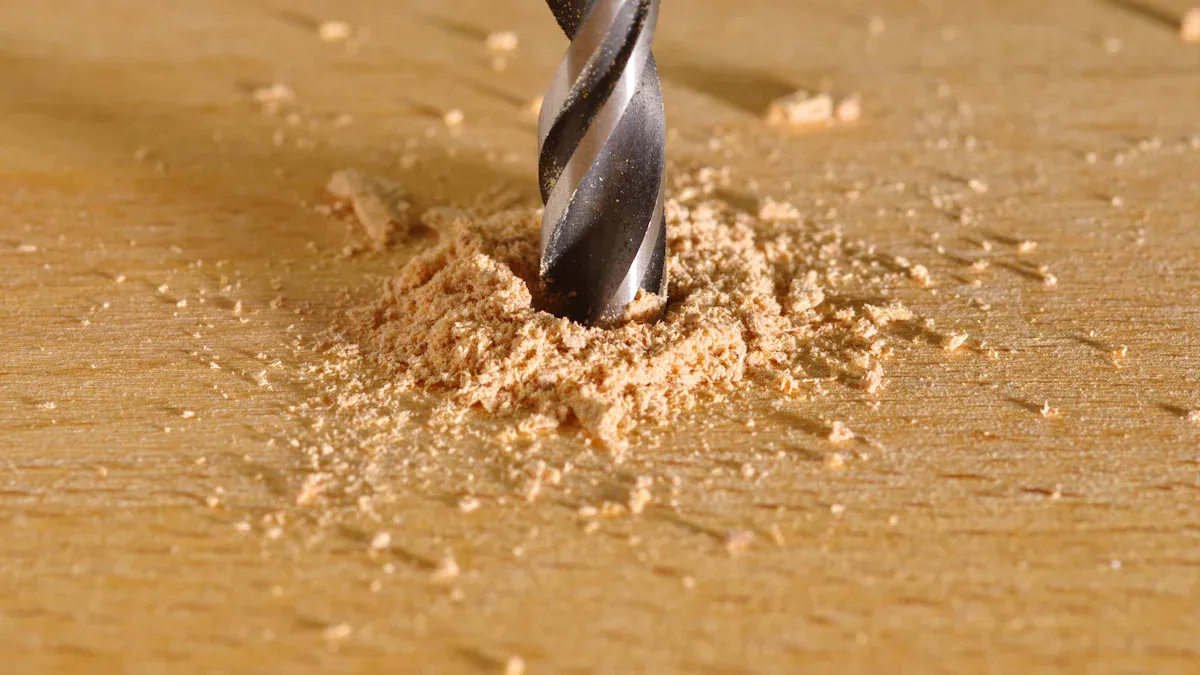
You need to make sure your powertrain and drilling system fit the ground. This helps you get the best results. When you drill deeper, you deal with more heat and pressure. These things can make your equipment act differently:
-
High temperatures can make your tools too hot. Oil gets thinner and parts like bearings and gears wear out faster.
-
Engine control units might lower power to keep things safe. This can slow you down, especially on steep ground.
-
If your powertrain and drilling system match well, you keep steady work and avoid slowdowns.
When you set up your equipment the right way, it works well in all kinds of ground.
Reducing Downtime and Wear
You can help your drilling tools last longer by doing easy things. Clean your tools after every use and put on protective coatings. This stops early wear and keeps your tools strong. Use good rods and lubricants together to keep parts tight and cut down on wear. Watch your drilling speed and check for changes in torque. These checks help you find problems early and fix them before they get worse. Regular inspections help you stop downtime and keep your drilling going. When you work this way, you spend less time fixing tools and more time drilling.
Safety and Dust Control
You need to keep yourself and your team safe from dust and other dangers. Use these safety and dust control steps:
|
Measure Type |
Description |
|---|---|
|
Engineering Controls |
Use local exhaust fans to catch dust while drilling. |
|
Administrative Controls |
Try wet drilling and do dusty jobs when fewer people are around. |
|
Personal Protective Equipment (PPE) |
Wear the right mask for the kind and amount of dust. |
You can also spray water and use strong fans to keep dust down. Cover dusty spots to stop dust from spreading. These steps help you make your worksite safer and help you work better and faster.
Practical Scenarios and Recommendations
Urban Construction and Low-Impact Needs
Drilling in cities is hard because space is tight. You must not hit underground utilities. You also need to keep noise and shaking low. The table below shows ways to fix these problems:
|
Challenge |
Solution |
|---|---|
|
Space Constraints |
Use compact drilling equipment and techniques. |
|
Underground Utilities and Obstructions |
Implement utility mapping and ground-penetrating radar (GPR). |
|
Noise and Vibration |
Employ noise and vibration mitigation techniques. |
|
Environmental Concerns |
Utilize environmentally friendly drilling methods and equipment. |
|
Regulatory and Permitting Challenges |
Engage in collaborative planning with local authorities. |
You can use CEGC pile drivers with static press-in for quiet work. These tools help you keep your project safe and calm.
Mining and Quarry Applications
You need special tools for mining and quarry jobs. You often drill through hard rock, sand, or mixed soils. DTH hammers work best for holes from 3½ to 10 inches wide. Flat-front bits are good for hard and rough rock. Concave bits work better in broken rock. You should match the hammer size to the hole size. Cold-drawn tubing and friction-welded joints make your tools stronger. CEGC surface drilling rigs help you drill well in any ground.
-
Use DTH hammers for deep holes in mines.
-
Pick flat-front bits for hard rock.
-
Choose concave bits for mixed or broken ground.
-
Select cold-drawn tubing for longer tool life.
Checklist for Tool Selection
Use this checklist to help you pick the right mining tool:
-
Find out if the ground is sand, rock, or mixed.
-
Pick the right mining drill bit for the ground.
-
Match the hammer size to the hole size.
-
Check if your site has space or environmental rules.
-
Ask CEGC about custom tools for special jobs.
Tip: CEGC has multi-speed cutterhead drives, shield lubrication, and thrust jacks. You can pick these features to make mining faster and handle tough ground.
You should always match your hole drilling tool to the ground. For soft soil, use a Clay Bit. For loose ground, pick a Cross Carbide Bit. Hard rock needs a Carbide Button Bit. This choice improves performance. Use the checklist for quick decisions. Ask CEGC for custom solutions.
FAQ
What makes CEGC drilling tools good for mixed ground?
You get tools that adapt to sand, rock, or mixed soils. CEGC offers strong frames, smart controls, and custom options for your project.
How do you reduce noise and vibration in city drilling?
You use static press-in pile drivers and damping designs. These features help you work quietly and protect nearby buildings.
How often should you check your mining drill bits?
You should inspect your bits after each job. Regular checks help you spot wear early and keep your tools working longer.


