
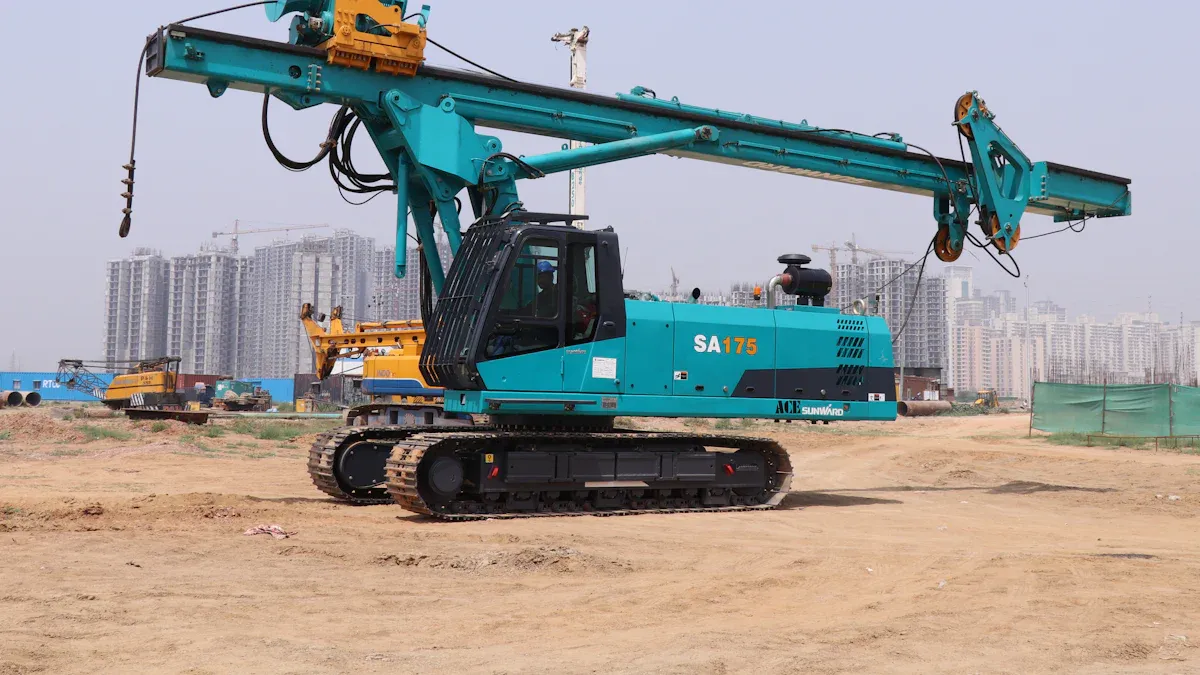
Horizontal Bore Drilling Rapid Move cuts downtime and helps finish jobs faster. It makes installing underground utilities quicker and more efficient. With less mess on the ground, there is no need for large trenches. CEGC offers a range of horizontal directional drilling machine options with standard features, while also providing customization to suit your specific project needs. You receive machines that are designed to work effectively for what you require.
Key Takeaways
-
Horizontal bore drilling rapid move helps install utilities faster. It works underground, so there is no need for big trenches. This also means less mess on the ground.
-
Good planning and picking the right tools are very important. These steps help save time and money. They also help projects finish on time and not go over budget.
-
Keeping machines in good shape and using fluids well makes drilling better. It stops machines from breaking down. This saves money on fixing things and keeps projects from being late.
Horizontal Bore Drilling Rapid Move Cuts Downtime
Faster Utility Installation
Horizontal bore drilling rapid move helps you finish utility jobs faster. This method works underground, so you do not dig big trenches. Roads, sidewalks, and landscapes stay mostly the same. You avoid long traffic delays and keep your project moving.
Horizontal bore drilling rapid move uses advanced machines like the CEGC horizontal directional drilling machine. These machines have strong push-pull force and powerful engines. The GH40 model has a push-pull force of 400KN and a 153 kW Cummins engine. This power lets you drill through tough soil and finish jobs quickly. The table below shows how these features help:
|
Feature |
Description |
|---|---|
|
Push-Pull Force |
400KN for drilling through tough soil efficiently |
|
Engine Power |
153 kW Cummins engine for high performance and operational efficiency |
|
Workflow Maximization |
Reduces project timelines and increases profitability with minimal disruption |
You get faster utility installation because the machines use precision guidance and stability systems. These systems help you avoid mistakes and reduce extra work. Tracking integration gives you repeatable accuracy, even when crossing roads, rivers, or other utilities.
Many things help you install utilities faster:
-
Medium-length bores are often the most efficient.
-
Loose soil is easier to drill than solid rock.
-
Lighter pipes, like HDPE, are easier to install.
-
Good site access helps you move equipment quickly.
-
Enhanced diagnostics help you find and fix problems fast.
-
Improved mud flow boosts drilling speed in different soils.
-
Compact machine designs help you work in tight city spaces.
Horizontal bore drilling rapid move lets you finish more work in less time. You increase productivity and keep your construction project moving forward.
Minimal Surface Disruption
You want less disruption on the surface when installing underground utilities. Horizontal bore drilling rapid move works below the ground. You do not need to dig up long stretches of road or sidewalk. This method keeps the surface almost untouched and protects the environment.
-
Horizontal directional drilling is a minimally invasive technique.
-
You can install utilities with less environmental impact, even in sensitive areas.
-
Open trenching damages roads, habitats, and city infrastructure.
-
You can drill under rivers, highways, and parks with little to no surface impact.
-
You avoid major traffic jams and sidewalk blockages.
-
You keep businesses and commuters moving while you work.
A real project in Chino, California, showed how important this is. Engineers replaced a sewer siphon under a busy highway using horizontal directional drilling. They found that soil strength and borehole size affected surface movement. Using the right drilling method kept the ground stable and finished the project on time.
Horizontal bore drilling rapid move means you do not need to restore large areas after the job. You save money and time on repairs. You also protect trees, water bodies, and natural features. This method causes less disruption for everyone.
Protecting Infrastructure
Horizontal bore drilling rapid move helps protect existing infrastructure. You avoid damaging water pipes, gas lines, fiber optic cables, and power lines. This is important because America has over 1.2 million miles of water pipes, often surrounded by other utilities.
Horizontal directional drilling minimizes surface disruption and protects existing infrastructure by allowing for the installation of utilities underground along predefined paths, which helps avoid interference with existing infrastructure.
You can use advanced locating systems to find and avoid other utilities. Services like GPRS give you over 99.8% accuracy in locating pipes and cables. Video inspection tools help you check the bore path and keep your project safe.
You also help the environment and the community:
-
You preserve natural landscapes and wetlands.
-
You reduce soil erosion and the need for erosion control.
-
You lower construction costs and minimize the impact on neighborhoods.
-
You keep roads open and traffic moving.
Horizontal bore drilling rapid move lets you work safely around existing infrastructure. You avoid costly repairs and keep your project on track. You also show you care about the community and the environment.
Key Factors to Reduce Downtime and Cost of Downtime
Planning and Assessment
You can cut downtime if you start with a good plan. Make a project plan and check the site before you begin. This helps you avoid surprises and keeps your project smooth. When you look at the soil and rocks, you know what will happen. You can pick the right tools and methods for your job.
If you skip planning, you might hit other utilities or find bad ground. In 2016, each damaged gas line cost almost $6,000. These mistakes waste time and cost more money. Planning protects your schedule and your budget. A careful survey helps you find problems early and avoid downtime.
A good site check gives you these benefits:
|
Outcome |
Description |
|---|---|
|
Safety |
Keeps workers, the public, and infrastructure safe. |
|
Efficiency |
Cuts delays, rework, and equipment downtime. |
|
Cost Control |
Stops budget overruns that happen in many projects. |
|
Risk Reduction |
Most failed bores come from bad site setup decisions. |
Equipment Selection
Picking the right horizontal directional drilling machine is important. Match the machine to your project’s depth, borehole size, and ground type. Soft clay needs a different machine than hard rock. Think about the energy source too. Hydraulic machines are strong, and electric machines are efficient and better for the environment.
Here are the main things to think about:
|
Criteria |
Description |
|---|---|
|
Project Depth |
Shallow work is about 50 meters, deep drilling is over 1,000 meters. |
|
Borehole Diameter |
Diameters from 76mm to 300mm help you target and install utilities. |
|
Geological Material |
The soil or rock type changes which machine and hdd tooling you need. |
|
Energy Source |
Hydraulic gives power, electric gives efficiency and lower emissions. |
When you pick the right machine, you avoid tool failures and downtime. Use guidance tools to track interference and pick the best frequency. This helps you avoid downtime and keeps your project on schedule.
Precision Guidance Systems
Advanced guidance systems help you drill accurately and cut rework. Modern systems like "Deep Eyes" keep your drill on track with less than 0.3% error at 50 meters. AI prediction tools help you stay on the right path and reduce mistakes by up to 40%. Self-adjusting drill heads help you avoid wasting materials.
CEGC’s precision guidance and stability system gives repeatable accuracy. You avoid bore deviation and crossing failures. You save time and money because you do not redo work. You also protect utilities and lower the risk of costly errors.
Maintenance and Reliability
Regular maintenance keeps your horizontal directional drilling machine working and cuts downtime. Check all parts every day, like hoisting equipment, rods, mud systems, and drill bits. Replace worn parts right away. Keep records of checks and repairs.
Here is a quick guide for maintenance:
|
Component |
Maintenance Practice |
|---|---|
|
General Inspection |
Check hoisting equipment, rods, mud systems, and drill bits daily. |
|
Hoisting Equipment |
Look for wear on hooks and ropes; replace ropes every 1,000 days. |
|
Drilling Rods |
Avoid sharp turns; replace all rods if one is worn. |
|
Mud Circulation System |
Check for leaks and buildup to stop pressure problems. |
|
Drill Bits |
Make sure bits are sharp; replace if dull. |
|
Engine |
Check oil and coolant; change oil when dirty. |
|
Hydraulics |
Inspect pumps, filters, and hoses; replace as needed. |
Most downtime comes from equipment breakdowns, bad soil, or fluid loss. You can avoid these problems with regular checks and spare parts ready. Well-trained workers help you fix problems fast and keep your project moving.
Fluid Management
Good fluid management keeps your drilling safe and efficient. You need the right mix and amount of drilling fluid to cool the bit and clear the bore path. If you do not manage fluids well, you risk bore collapse, stuck pipe, or fluid loss. These problems cause downtime and raise costs.
Follow these best practices for fluid management:
-
Control fluid loss to avoid thick filter cakes and stuck pipe.
-
Keep the right pressure to stop bore collapse.
-
Use the right mud design to keep the bore stable.
-
Clean the hole well to avoid cuttings settling and high torque.
-
Manage fluid density to protect the ground and keep the bore open.
A strong fluid plan keeps the bore stable, boosts productivity, and cuts non-productive time. CEGC’s mud integration and fluid management solutions help you avoid common problems and keep your project on track.
Tip: Spending money on good fluid management and regular maintenance saves you money later by cutting downtime and repair costs.
The Impact of Downtime and Cost of Downtime
Downtime affects how much money your project makes. Lost time means lost work and higher costs. One study found that 82% of companies had unplanned downtime, costing an average of $2 million. When you cut downtime, you save money on repairs, surface restoration, and future maintenance. Horizontal directional drilling may cost more at first, but it saves money in the long run and causes fewer disruptions.
|
Evidence Type |
Description |
|---|---|
|
Initial Cost vs. Savings |
Higher first cost, but lower repair and maintenance expenses later. |
|
Reduced Surface Damage |
Less surface damage means lower restoration costs. |
|
Lower Upkeep Costs |
Underground utilities installed with HDD need less maintenance than traditional methods. |
|
Long-term Financial Benefits |
Fewer repairs and less downtime lead to better project outcomes and higher profits. |
Every step you take to cut downtime and cost pays off. Careful planning, the right equipment, advanced guidance, regular maintenance, and smart fluid management help you finish projects faster and make more money.
You can save time and money on your construction project by using horizontal bore drilling rapid move. Experts say you should pick the right rig and keep up with maintenance. The table below shows how customizable horizontal directional drilling machine solutions help make construction safer, more efficient, and cost-effective.
|
Benefit |
Impact |
|---|---|
|
Operational Efficiency |
AI-assisted planning cuts downtime by up to 30%. |
|
Safety |
Safety alerts help lower accidents by up to 45%. |
|
Cost-Effectiveness |
Long-term savings help balance higher starting costs. |
FAQ
What is a horizontal directional drilling machine?
A horizontal directional drilling machine puts pipes or cables underground. It works below the ground and does not need big trenches.
How does horizontal bore drilling rapid move reduce downtime?
You finish work faster because you do not dig open trenches. Roads stay open, and you do not need many repairs. This helps you save time and money.
Can you customize a CEGC horizontal directional drilling machine?
Yes! You can pick things like torque, thrust, rod size, and tracking systems. CEGC helps you get the right machine for your project.


