
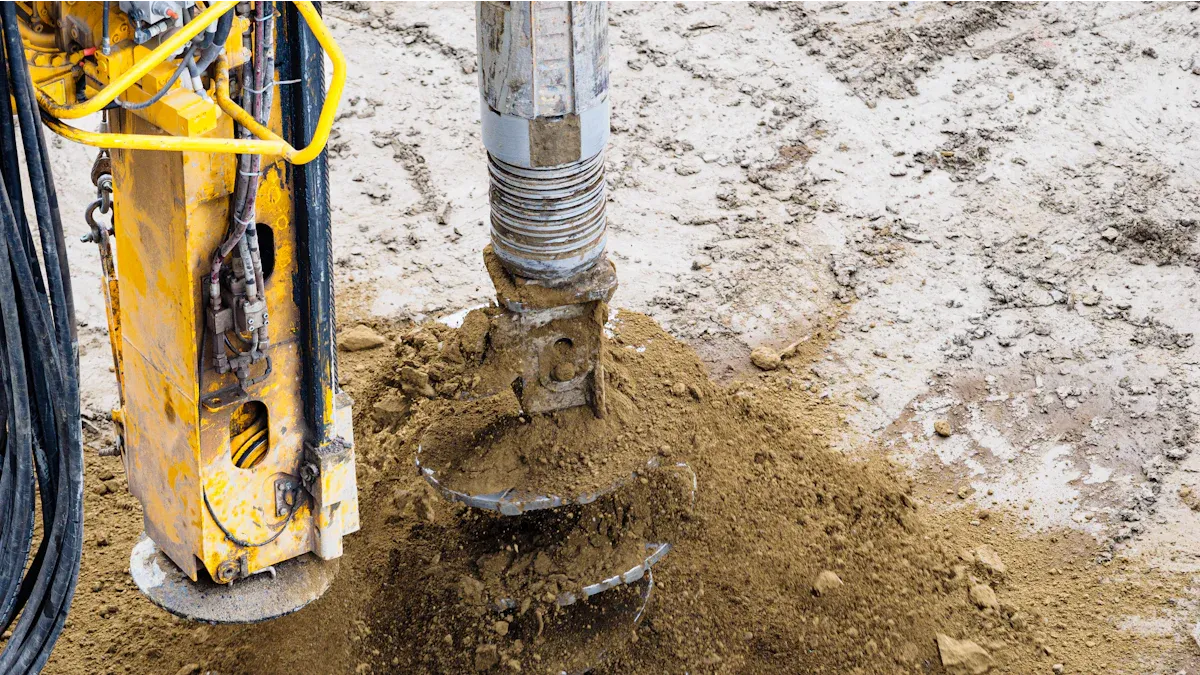
You have trouble with sticking drills in horizontal directional drilling. Sticking makes you stop working and can hurt your equipment. Horizontal Directional Boring Ultra Anti Stick methods help you stop these issues. CEGC gives you good answers you can trust. You keep your trenchless drilling rig safe and your project goes on.
Key Takeaways
-
Planning ahead and checking the site are very important. Look at the ground and pick the best drilling fluid. This helps stop delays and keeps things safe.
-
Pick the right drilling fluid for the soil type. This helps keep the ground steady and stops pipes from getting stuck.
-
Take care of the equipment often. Check the tools a lot to stop problems and keep work going well.
Horizontal Directional Boring Ultra Anti Stick Strategies
Pre-Planning and Site Assessment
You begin each horizontal directional boring ultra anti stick job with careful planning. You check the site and look at the ground. You use tools to compare solutions and pick the best one for your drilling fluid and equipment. You lower risks and avoid delays by making smart choices before you drill. You use Monte Carlo simulation to deal with unknowns in your data. You make a plan that fits your project and the ground.
|
Key Aspect |
Description |
|---|---|
|
Looking at solutions early helps you pick the most reliable one. |
|
|
Risk Mitigation |
Good planning lowers uncertainty and risks, so you waste less time. |
|
Decision-Making Tool |
Ranking solutions by technical impact and payoff makes your choices better. |
|
Use of Monte Carlo Simulation |
Helps you handle unknowns in your data for smarter decisions. |
|
Evaluation Matrix |
Gives numbers to help you pick the best drilling solution and save money. |
You check the soil and bore length. You look for things underground that could surprise you. You use CEGC’s guidance and stability system to keep your trenchless drilling rig on track. You avoid bore drifting and crossing problems. You make your project safer and more dependable.
Tip: Always check the ground and site layout before you start. This step helps you pick the right drilling fluid and equipment for horizontal directional boring ultra anti stick jobs.
Drilling Fluid Selection and Management
You choose the right drilling fluid for your job. You check the soil and match your fluid to the ground. You use bentonite for nonreactive clay. You add lubricants for clay, sand, or cobble that reacts. You use PHPAs to keep shale and clay stable. You use PAC to control filtration and make things more stable. You mix water, bentonite, soda ash, and chemicals to fit your soil.
|
Component |
Purpose |
|---|---|
|
Water |
Main fluid for drilling |
|
Bentonite |
Makes the fluid thick and keeps the hole stable |
|
Soda Ash |
Controls pH levels |
|
Chemical Additives |
Makes the fluid work better for different soils |
|
Recommended Additives |
|
|---|---|
|
Sandy Soils |
Water and Bentonite mixed evenly |
|
Clayey Soils |
Bentonite plus extra chemicals |
|
Coarse Soils |
Manage water and use PAC to stop sloughing |
You control fluid flow and pressure. You keep mud pressure steady to move cuttings out of the hole. You stop pipes from getting stuck and keep your horizontal directional boring ultra anti stick job going. You use CEGC’s mud and fluid management system. You pick pumps for the right flow and pressure. You use filters and cooling for tough ground. You watch fluid properties and change your mix when needed.
-
You avoid longer drilling and higher costs by picking the right fluid.
-
You stop fines from frac-outs hurting the environment.
-
You keep your trenchless drilling rig safe and working well.
|
Measure |
Before Lubricants |
After Lubricants |
Change |
|---|---|---|---|
|
40kN |
0kN |
Down by 40kN |
|
|
Weight on Bit (kN) |
260kN |
210kN |
Down by 50kN |
|
Sliding Drilling Efficiency |
Low |
High |
Better |
Note: Good fluid management lowers the chance of stuck pipes. You keep your horizontal directional boring ultra anti stick job on track.
Equipment and Tooling Choices
You pick equipment and tools based on the ground. You use a backhoe tooth cutting head for stable dirt. You use a 3 or 4-bank dirt head for dirt with lots of sand. You pick a 3-bank DT87 cutting head for glacial till. You use roller-cone heads or disc-cutter heads for rock. You match your tools to the ground to stop sticking.
-
You use CEGC’s anti-stall powertrain and overload protection.
-
You get strong torque and a wide RPM range.
-
You use hydraulic load sensing and pressure control.
-
You protect rods, threads, and tools from torque spikes.
-
You use reamers and cutters that work together for smooth torque.
-
You get easy maintenance for quick tool changes.
Tip: Always match your equipment and tools to the ground. This step helps you get horizontal directional boring ultra anti stick results.
You keep your trenchless drilling rig working longer. You lower tool wear and save money on parts. You avoid delays and keep your horizontal directional boring ultra anti stick job moving.
HDD Operations: Best Practices and Real-Time Solutions
Operational Techniques to Prevent Sticking
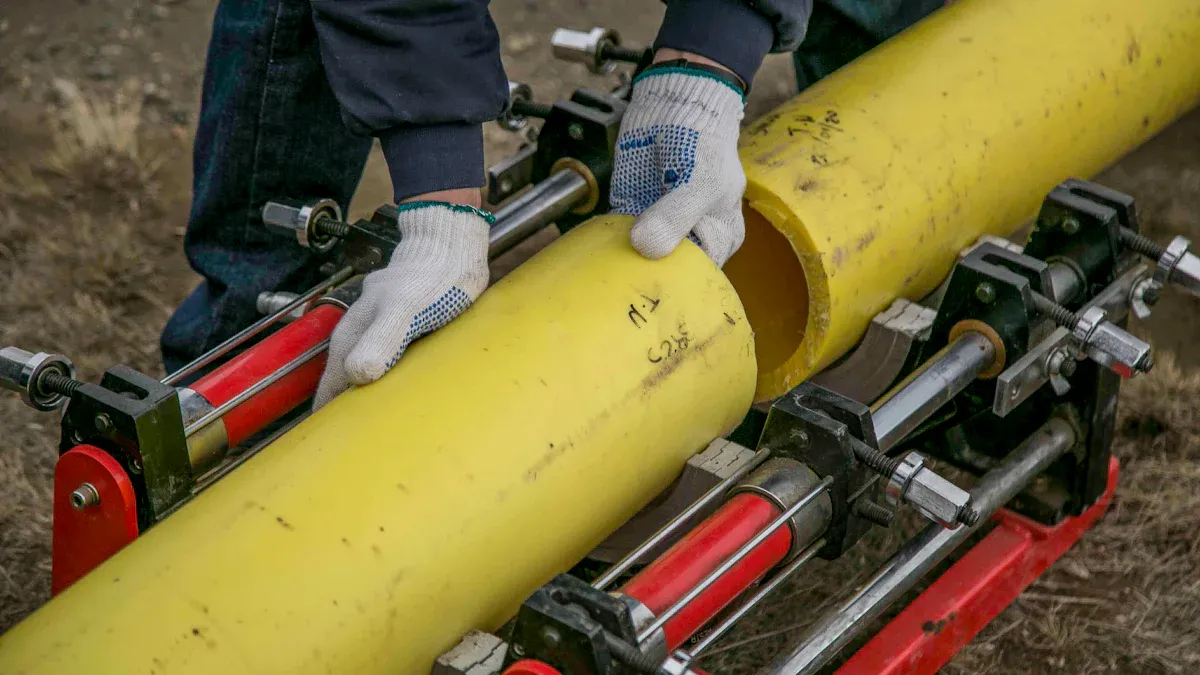
You can stop sticking in horizontal directional drilling by using smart steps. You pick cutting tools that fit the soil. You slow down the drill to protect your equipment. You mix drilling fluid to keep the bore wall strong and move cuttings out. You make sure the fluid is mixed well so it works best. When you backream, you use more fluid but lower pressure to help cuttings flow out.
-
Pick tools that match the soil.
-
Slow down the drill for tough ground.
-
Mix fluid to keep the bore wall steady.
-
Use more fluid when backreaming.
You keep the drill string moving so it does not get stuck. Oscillators help lower drag and stop stick-slip shaking. How much the drill vibrates and how fast it spins change how well you lower drag and stick-slip. The table shows how these things affect the drill string:
|
Mechanism |
Effect on Drill String Movement |
|---|---|
|
Oscillators |
Lower drag and stop stick-slip shaking |
|
Vibration amplitude |
Changes how well drag is lowered in sliding mode |
|
Rotary speed |
Changes how well stick-slip is lowered in rotary mode |
You use these steps to keep your horizontal directional drilling safe and smooth. You avoid delays and make your hdd operations work better.
Tip: Keep the drill string moving and mix fluid right. These steps help you stop sticking and get better horizontal directional drilling results.
Real-Time Monitoring and Troubleshooting
You watch your horizontal directional drilling job as it happens to spot problems early. You check things like pit volume, flow rate, standpipe pressure, rate of penetration, torque, drag, and mud properties. Automated systems warn you before big problems happen. You use trip monitoring to check well conditions during connections and trips.
|
Indicator |
Importance |
|---|---|
|
Pit Volume |
Shows if fluids are entering the wellbore. |
|
Flow Rate (Out vs. In) |
If numbers do not match, something is entering the hole. |
|
Standpipe Pressure |
Sudden drops can mean gas is coming in. |
|
Rate of Penetration (ROP) |
Big jumps may show high-pressure zones. |
|
Torque & Drag |
Strange changes can mean hole problems or sticking. |
|
Mud Properties |
Changes warn you about trouble early. |
|
Real-Time Monitoring Tools |
Automated systems give early warnings. |
|
Trip Monitoring |
Checks well conditions during connections and trips. |
You use predictive analytics to make troubleshooting better. AI looks at data from your horizontal directional drilling job, like speed, pressure, torque, and vibration. It finds patterns that show stuck pipe might happen. Early alerts let you act fast and lower the risk of sticking. You use models and warning systems that mix data and physics.
Note: Watching your job in real time and using predictive analytics help you spot trouble early and keep your hdd operations safe.
Maintenance for Long-Term Performance
You keep your horizontal directional drilling equipment working well by doing regular maintenance. You check your equipment every two weeks or after 100 hours of use. This routine helps you stop sticking and avoid downtime. You look at rods, joints, and tools for wear. You change parts before they break. You clean and oil moving parts so everything works smoothly.
-
Check equipment every two weeks or after 100 hours.
-
Look at rods, joints, and tools for wear.
-
Change worn parts before they cause trouble.
-
Clean and oil moving parts.
You train operators to make your anti-stick strategies stronger. Training gives you important skills and knowledge. You use standard tooling systems to lower mistakes. Hands-on learning and simulators help you build advanced skills. Short online training gives quick lessons to new crew members.
Tip: Regular maintenance and training keep your horizontal directional drilling equipment reliable and your hdd operations running well.
You make horizontal directional drilling better by using anti-stick strategies that work. You watch torque and drag to spot problems early. You clean the holes well and change the mud flow when needed. You use CEGC’s trenchless drilling rig solutions for good results. The table below lists the best methods from recent case studies:
|
Strategy Type |
Description |
|---|---|
|
Preventive Measures |
Clean holes, use low-friction mud, avoid sharp turns |
|
Early Detection |
Monitor torque and drag for sticking signs |
FAQ
What causes sticking during horizontal directional drilling?
Sticking happens when the soil changes. It can also happen if the fluid does not work well. Using the wrong equipment makes sticking worse. Not cleaning the hole enough also raises the risk.
How can you improve the pullback process?
You pick the right drilling fluid for the job. You watch torque to see if there are problems. You use tools that fit the ground. You keep the drill string moving so it does not get stuck.
Why is regular maintenance important for your drilling rig?
Regular checks stop sudden breakdowns. They help you find worn parts early. This keeps your equipment working well and lowers downtime.


