
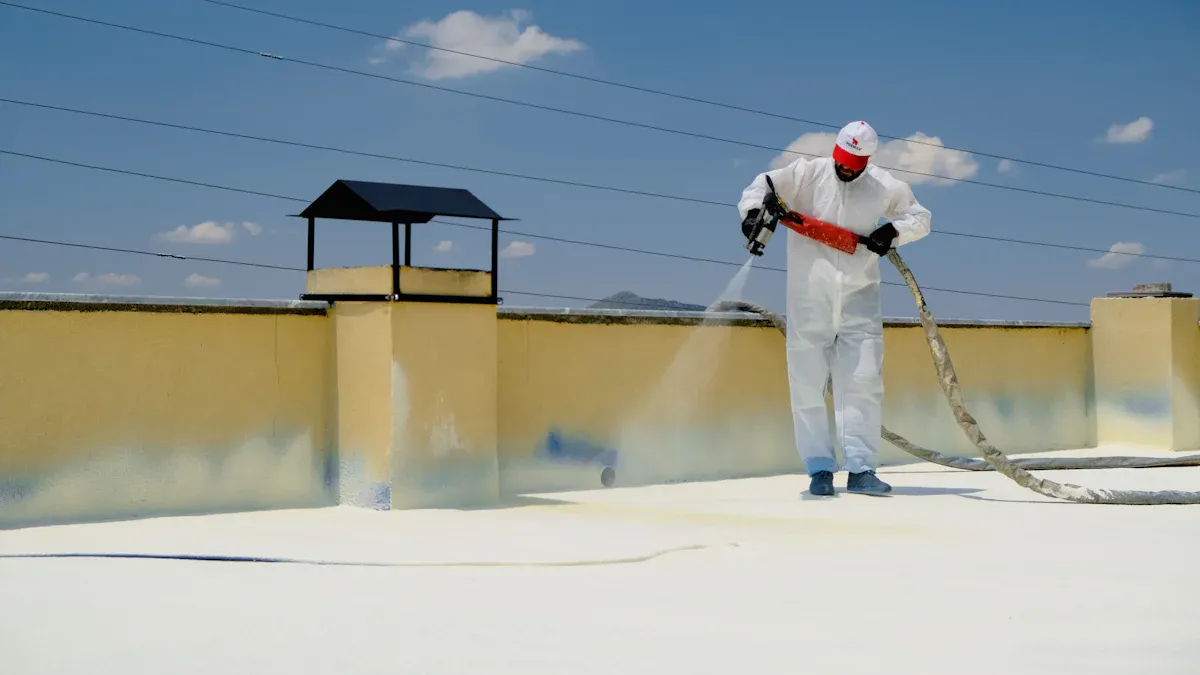
You keep your horizontal directional drilling machine safe from too much heat by doing regular check-ups and using special tools. Too much heat can break parts and make the machine stop working. This can cost more money and time. CEGC gives you normal options and also custom choices for your project. Horizontal Directional Boring Ultra Heat Protection helps your machine work safely and well.
Key Takeaways
-
It is important to check your machine often. Look at your drilling machine every day for leaks and old parts. This helps stop heat damage.
-
Pick the correct lubricants. Use synthetic oils because they can handle high heat. They also lower friction and keep your equipment safe.
-
Change your drilling times. Work when it is cooler outside. Let your machine rest and cool down between jobs. This stops it from getting too hot.
Horizontal Directional Boring Ultra Heat Protection Essentials
Key Heat Risk Factors
When you use a horizontal directional drilling machine, you deal with many heat risks. Heat comes from the weather and from using the machine. Sunlight and hot air can make your equipment warmer. Changes in weather can also raise the temperature. Parts moving against each other and the ground create heat. Drilling through hard rock or clay makes the heat rise fast.
-
Frictional heating happens when parts rub together or touch the ground.
-
Heat can get so high that it changes metal, making it harder and easier to break.
-
Fast heating and cooling can cause cracks and make steel parts weak.
You need horizontal directional boring ultra heat protection to keep your machine safe from these problems. CEGC gives you ways to control heat and keep your equipment working well.
Equipment Vulnerabilities
Drilling equipment has weak spots that can break when it gets too hot. The most common failures in trenchless drilling rigs are drill pipe problems and heat check cracking. Too much heat makes metal easy to break, which causes thread galling and bigger damage. Quick changes between hot and cold make cracks in steel and cause parts to wear out.
|
Point of Failure |
Description |
|---|---|
|
Drill Pipe Failures |
Too much heat makes metal brittle, causing thread galling and more damage. |
|
Heat Check Cracking |
Fast heating and cooling makes cracks in steel, leading to parts wearing out. |
You should watch for these weak spots and use horizontal directional boring ultra heat protection to stop expensive breakdowns. CEGC’s guidance and stability system helps you drill straight and lowers vibration. The anti-stall powertrain keeps rods and tools safe from sudden force and shocks.
Types of Heat Damage
Heat can hurt your horizontal directional drilling machine in different ways. Too much heat makes metal weak, causes cracks, and wears out tools. Drilling fluid does not work as well when it gets hot. Wellbore ballooning means fluid changes size because of heat, which makes the hydraulic system harder to use. High heat changes drilling fluids, making them less useful. Clay swelling and flocculation make the fluid thicker, while polymer additives break down and lose thickness. This makes it harder to keep the bore safe and raises risks.
You need horizontal directional boring ultra heat protection to stop these problems. CEGC’s mud and fluid management solutions help you keep flow and pressure right. You get help with pump sizing and better filters to keep fluids working, even when it is hot.
Tip: Doing regular maintenance and checking your equipment helps you find heat damage early. Use CEGC’s custom options for hot places to protect your drilling machine.
Prevention Strategies for Horizontal Directional Drilling
Routine Maintenance Checks
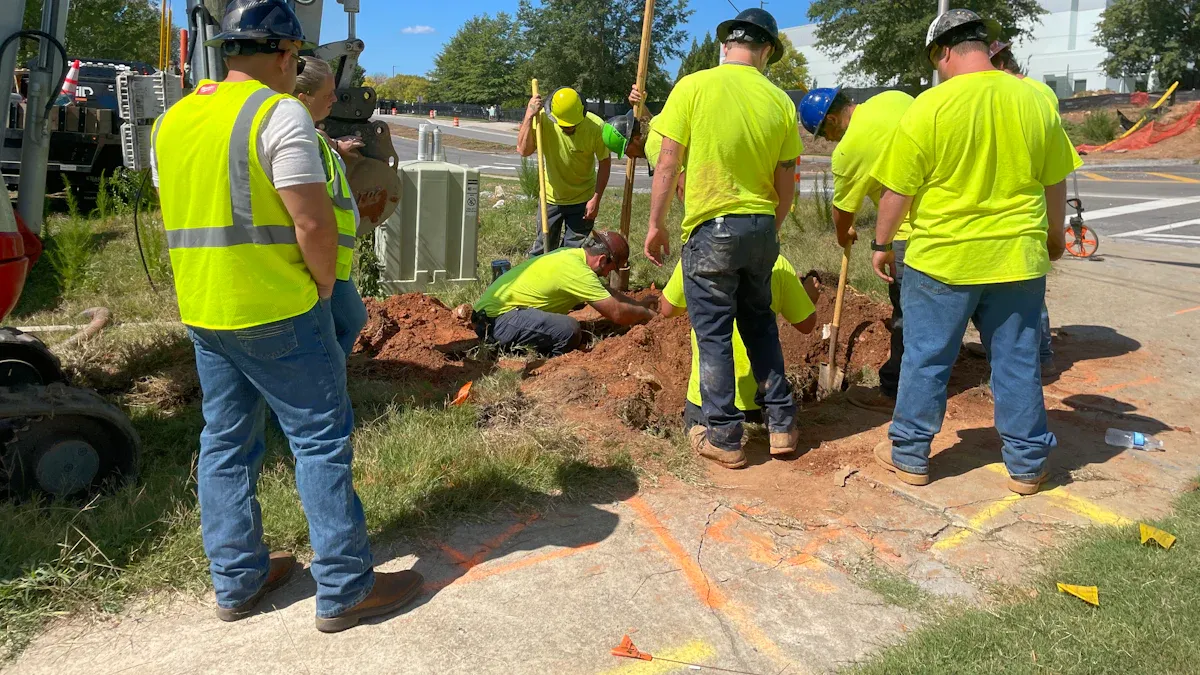
You keep your horizontal directional drilling machine safe by doing regular checks. You look at your equipment every day for leaks and worn parts. You clean it after each use. You add oil to moving parts often. You also clean the cooling system to stop heat from building up. You follow a schedule for these jobs. Here is a table that shows when you should do each check:
|
Interval (hours) |
Maintenance Task |
|---|---|
|
Daily |
Perform daily checks and cleaning |
|
50 |
Specific maintenance tasks as per manual |
|
100 |
Specific maintenance tasks as per manual |
|
150 |
Specific maintenance tasks as per manual |
|
250 |
Specific maintenance tasks as per manual |
|
500 |
Specific maintenance tasks as per manual |
|
1000 |
Specific maintenance tasks as per manual |
You check for leaks and worn parts every day. You clean the machine after using it. You add oil to the right parts often. You clean the cooling system to help it work well. These steps help you find problems early and stop heat damage.
Tip: Sticking to a routine helps your machine last longer. You save money and avoid long repairs.
Cooling System Care
A good cooling system keeps your machine safe from too much heat. You check the cooling system often. You look at fans and radiator cores for damage. You clean the system to get rid of dirt and rust. You change old parts before they break. You pick materials that do not rust easily. You use special cooling systems for very hot or wet places.
|
Best Practice |
Description |
|---|---|
|
Essential for stable operation; helps identify wear on components like fans and radiator cores. |
|
|
Preventive Maintenance |
Cleaning, corrosion checks, and replacing worn parts minimize downtime. |
|
Material Selection |
Corrosion-resistant materials and designs make cleaning easier and improve reliability. |
|
Engineered Cooling Systems |
Systems built for high-temperature and marine environments ensure durability. |
You use heaters to keep the cooling system working in cold weather. You use electric heaters for fast starts. You use diesel heaters for long jobs. You check heaters often to make sure they work.
Lubrication and Oil Selection
You pick the right oils and lubricants to protect your machine from heat. You use products that can handle high heat. You choose synthetic lubricants because they make a strong layer on metal. This layer cuts down on rubbing and damage. Synthetic lubricants stick to metal and make it stronger. They also make a water-resistant layer that lowers friction. This keeps the drill string safe and helps it last longer.
You have many choices for oils and lubricants. Here is a table with some options:
|
Product Name |
|
|---|---|
|
Good Performance |
D-Series, Z-Series |
|
Better Performance |
X-Series |
|
Best Performance |
Guardian® - Series, HD Gear Oil, FR Hydraulic Oil, Alco-EP™, Rust-Guard™, Gear Guard™, WLD®, 550® Extreme®, AP-1W™, AP-1™, AP-5™ |
You use heaters to keep oil warm enough. You use diesel heaters for big machines. You use electric heaters for small ones. You change oil and lubricants often to keep your machine safe from heat.
Note: Drilling mud cools and oils the drilling head. Mud holds cuttings and moves them out of the hole. Mud also keeps the hole stable.
Scheduling and Operational Adjustments
You change your work times to avoid the hottest hours. You drill early in the morning or late in the day. You let your machine cool down between jobs. You check the weather and change plans if it will be very hot. You use heaters to keep fluids and parts warm during cold starts. You use diesel heaters for long jobs. You use electric heaters for quick heating.
You teach your team to watch for signs of overheating. You show them how to check the cooling system and oil. You tell them to take breaks to avoid heat stress.
CEGC Custom Solutions
You pick CEGC for standard and custom solutions. You get choices for very hot places. You can add better cooling, filters, and fluid systems. You can change torque, thrust, and rod systems for your job. You use CEGC’s guidance system to lower shaking and keep bores straight. You trust the anti-stall powertrain to protect rods and tools from sudden force. You use mud management to keep flow and pressure right.
Callout: CEGC’s custom solutions help protect your machine. You get better performance and less risk of heat damage.
You keep your directional drilling machine safe by checking it a lot. You clean the cooling system to stop heat from building up. You pick oil that works well for your machine. You change your work times so you do not drill when it is hottest. CEGC gives you special choices for hard jobs.
Microelectronics let you watch and control your rig right away. This helps your equipment last longer when it is hot.
FAQ
What should you do if your horizontal directional drilling machine overheats?
First, turn off the machine right away. Wait for it to cool down before touching it. Look at the cooling system and check the oil. If you can, move the rig under some shade.
How can you protect your equipment during extreme heat waves?
Put up shelters to block the sun from the machine. Try to drill when it is cooler outside. Check the fluids and cooling system many times each day.
Why is regular maintenance important for heat protection?
Doing regular maintenance helps you spot problems early. This keeps your directional drilling machine safe and working well.


