
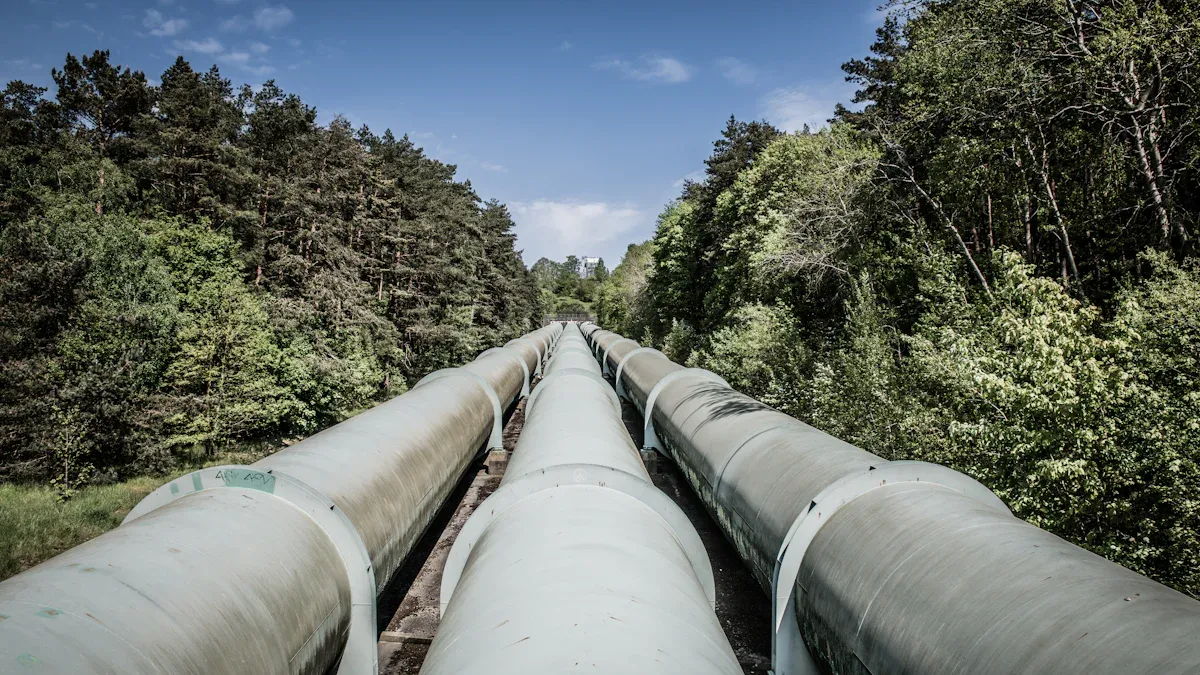
You can see how Horizontal Directional Drilling Adjustable Flow Wins. It helps you get more work done and be more accurate. CEGC gives solutions to B2B contractors and utilities. These solutions help them have less downtime and less tool wear. Look at the table below. Adjustable flow technology makes construction faster by up to 55%. This is better than old methods.
|
Study |
Improvement Description |
Efficiency Metric |
|---|---|---|
|
Ruszka et al. (1999) |
Rotary closed-loop drilling system |
Key Takeaways
-
Adjustable flow technology makes construction faster by up to 55%. This lets projects finish sooner.
-
Using adjustable flow lowers tool wear and downtime. This saves money and makes work more efficient.
-
Adjustable flow improves precision drilling. It helps place bores accurately, even when conditions are tough.
Maximizing Efficiency with Adjustable Flow
Adjustable Flow in Horizontal Directional Drilling
You want your project to go well. Adjustable flow technology helps you reach this goal. You can control the flow in the machine. This lets you match speed and pressure to the ground. The drill keeps moving at the right pace. It does not stop or start suddenly. The drill path stays steady. This helps you work faster and better.
CEGC’s Trenchless Drilling Rig gives you standard specs and custom options. You can pick the right torque, thrust, and rod system. The adjustable flow system works with these features. It helps you handle tough ground and long bores. You get more control and finish jobs faster.
Efficiency Gains in Drill Rig Operations
You see real gains with adjustable flow systems. The table below shows how these systems help you:
|
Efficiency Gain |
Description |
|---|---|
|
Increased Production Rates |
Automation keeps flow rates steady. This means you work without stopping and get more done. |
|
Decreased Equipment Downtime |
Predictive monitoring finds problems early. This stops shutdowns and saves money. |
|
Better Resource Allocation |
Automated analytics help you use fuel, water, and materials wisely. This cuts waste. |
Directional drilling machines with adjustable flow give you higher production rates. The system keeps the flow steady. You drill without stopping. You avoid breakdowns because the machine senses problems early. It adjusts before anything goes wrong. This helps you stay on schedule and save money. You use less fuel and water. The system only gives what you need. This is important for efficiency.
Reducing Downtime and Tool Wear
Downtime slows your project and costs more money. Adjustable flow technology keeps your drill rig running. The adjustable bend housing lets you make quick changes. You do not stop for long repairs or adjustments. This helps your team keep working.
Tool wear is a big problem. If the flow is too high or low, tools wear out fast. Adjustable flow lets you set the right level. This keeps tools in good shape and lowers costs. CEGC’s Trenchless Drilling Rig supports different reamers and cutters. You can pick the right tool for the ground and keep things running smoothly.
Tip: Use adjustable flow settings for the drilling conditions. This helps you work faster, protect your tools, and finish on time.
You want to work efficiently on every project. Adjustable flow technology in horizontal directional drilling hdd machines gives you control. You handle stuck pipe, torque spikes, and tool wear easily. You keep your drill rig moving and costs low. This helps you stay ahead in the industry.
Precision Drilling and Accurate Drilling Outcomes
Enhancing Bore Accuracy with Adjustable Flow
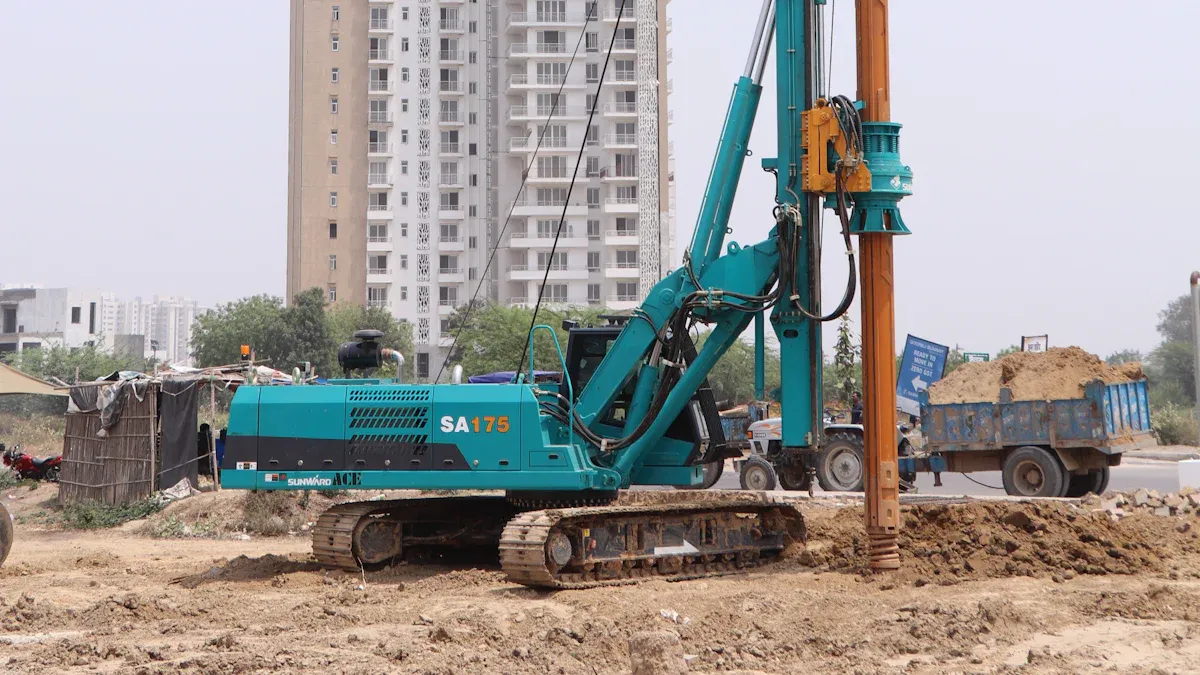
You want each bore to follow the plan. Horizontal directional drilling adjustable flow wins by letting you control speed and pressure. This control helps you get the best precision in every job. Precision drilling works even in tough ground or under roads and rivers. You can change the flow to match soil and rock. This keeps the drill on track and makes drilling more accurate.
Load-matched control in your directional drilling machine matches thrust, pullback, and rotation. This system lowers vibration and keeps the drill string steady. You avoid bore deviation and keep wellbore placement exact. Anti-stall powertrain features protect against torque spikes. You do not waste time with stuck pipe or tool failures. The technology helps you keep well positioning accurate and reach the best path for each bore.
|
Description |
|
|---|---|
|
Drill String Failures |
High stress, torque, and vibration can cause fatigue, corrosion, and wear, leading to failures. |
|
Mud Circulation Problems |
Loss of circulation can make the wellbore unstable and lower drilling efficiency. |
|
Steering and Guidance System Issues |
Sensor problems can cause wrong well placement and deviation from the planned path. |
Adjustable flow technology solves these risks. You keep the drill on the planned path and get accurate drilling. The system helps you reach the best path and keep drilling accuracy in every step. You get the precision needed for trenchless hdd operations, even in different ground types.
Fluid Management for Stable Drilling
Fluid management is important for precision drilling. You need the right pressure and flow to keep the bore stable. Horizontal directional drilling adjustable flow wins by letting you change fluid rates as you work. This helps you stop fluid loss and keeps the borehole strong. You can change the drilling method and angle to match the ground. This lowers stress on the wellbore and helps you keep the path straight.
|
Aspect |
Description |
|---|---|
|
Drilling Method Optimization |
Slower speeds and changed angles lower stress on the wellbore, reducing fluid loss risk. |
|
Pressure Management |
High-pressure systems and special devices help keep wellbore pressure steady. |
|
Fluid Loss Prevention |
Anti-loss additives seal cracks and pores, stopping fluid absorption. |
|
Drilling Techniques |
Slow drilling or changed angles lower fluid loss risk. |
|
Safety Measures |
Preventive steps and rules are important for handling fluid loss risks. |
|
Emergency Preparedness |
Having plans for fluid loss events is important for good management. |
|
Personnel Training |
Teaching workers about fluid loss risks and safety steps is key for safe work. |
|
Monitoring |
Regular checks of well pressure and drilling help stop fluid loss events. |
You face many challenges in fluid management during trenchless hdd operations:
-
Groundwater can cause fluid loss and erosion. This hurts borehole strength and path.
-
Loose or soft soils can make the borehole collapse and cause alignment problems.
-
Hydrostatic pressure from groundwater can stress borehole walls and risk collapse.
You can change drilling fluid properties in real time. This helps keep the borehole stable and on the planned path. Pressure controls let you manage cuttings and stop fluid loss. You keep drilling accuracy high and avoid costly mistakes. The technology supports the best precision and keeps your project moving.
Real-World Results: Horizontal Directional Drilling Adjustable Flow Wins
Contractors and utilities see real benefits from horizontal directional drilling adjustable flow wins. You can measure gains in efficiency, precision, and compliance. Operators use real-time data from Doppler flow meters to improve slurry density. This leads to a 12% drop in fuel use. You save money and get better drilling performance.
You also need less maintenance. Flow meters work for six months without recalibration or service. They do not clog or wear out fast. Continuous monitoring gives you correct records of sediment volume. This helps you meet rules and show your accuracy.
Here is how adjustable flow technology helps your trenchless hdd operations:
-
You get higher accuracy in wellbore placement and path.
-
You lower downtime and tool wear, keeping your project moving.
-
You improve compliance and reporting with better data.
-
You reach the best precision in every bore, even in hard conditions.
You want the best results for your projects. Horizontal directional drilling adjustable flow wins by giving you the precision, accuracy, and performance you need. You keep your path on target and deliver accurate drilling results every time.
You get more work done, stay safer, and can handle different jobs with adjustable flow in horizontal directional drilling. CEGC machines help you finish your work faster and make fewer mistakes. Here are the main benefits:
|
Advantage |
Description |
|---|---|
|
More power and fluid help you do more work. |
|
|
Improved Safety |
Camera systems help keep your team safe. |
|
Adaptability to Geology |
You can change drilling for any ground. |
Adjustable flow technology will change how contractors and utilities use HDD in the future.
FAQ
What is a horizontal drill guide and how does it help you?
A horizontal drill guide helps keep the wellbore straight. It gives you directions as you drill. You get updates right away if you go off track. This tool helps stop mistakes during drilling.
How does geosteering improve your directional drilling accuracy?
Geosteering lets you change your path as you drill. You use sensor data to see where you are. This helps you follow the best route. You place the wellbore in the right spot. Geosteering and guidance work together for better accuracy.
Why is data important for automated directional drilling and autonomous geosteering?
You need data to make smart choices. Data lets you see where the wellbore is. Automated directional drilling uses data to guide the drill. Autonomous geosteering uses data to fix the path right away and get better results.


