

You use a horizontal directional drilling high recovery system to catch mud. The system cleans and recycles the mud during drilling. The mud recycling system has a mud tank, mixing pump, hopper, shale shakers, hydrocyclones, pumps, and tanks. Good mud recovery helps pull pipes back. It also cleans the hole and lowers fluid loss. CEGC gives solutions you can change for your drilling projects.
Studies show that a better mud recycling system helps move cuttings and makes pipe pullback easier.
|
Study Title |
Key Findings |
|---|---|
|
Horizontal Directional Drilling |
Drilling fluids help move cuttings and make pipe pullback easier. |
|
Cuttings transport behavior in directional drilling using CFD |
More fluid flow helps move cuttings better. |
|
Efficient Drilling Technology of Horizontal Wells |
Better mud design helps carry more cuttings. |
|
Optimisation of Flow Distribution for Pipe Pullback |
Better flow lowers friction and makes work easier. |
Key Takeaways
-
A high recovery mud system helps drilling work better by reusing up to 90% of drilling fluids. This cuts down on waste and saves money. - Checking and taking care of mud often makes the system work better. It also helps tools last longer. This keeps drilling safer and more effective. - Mud recovery systems from CEGC can be changed to fit different projects. They give special solutions for better results.
Purpose and Benefits of High Recovery Systems
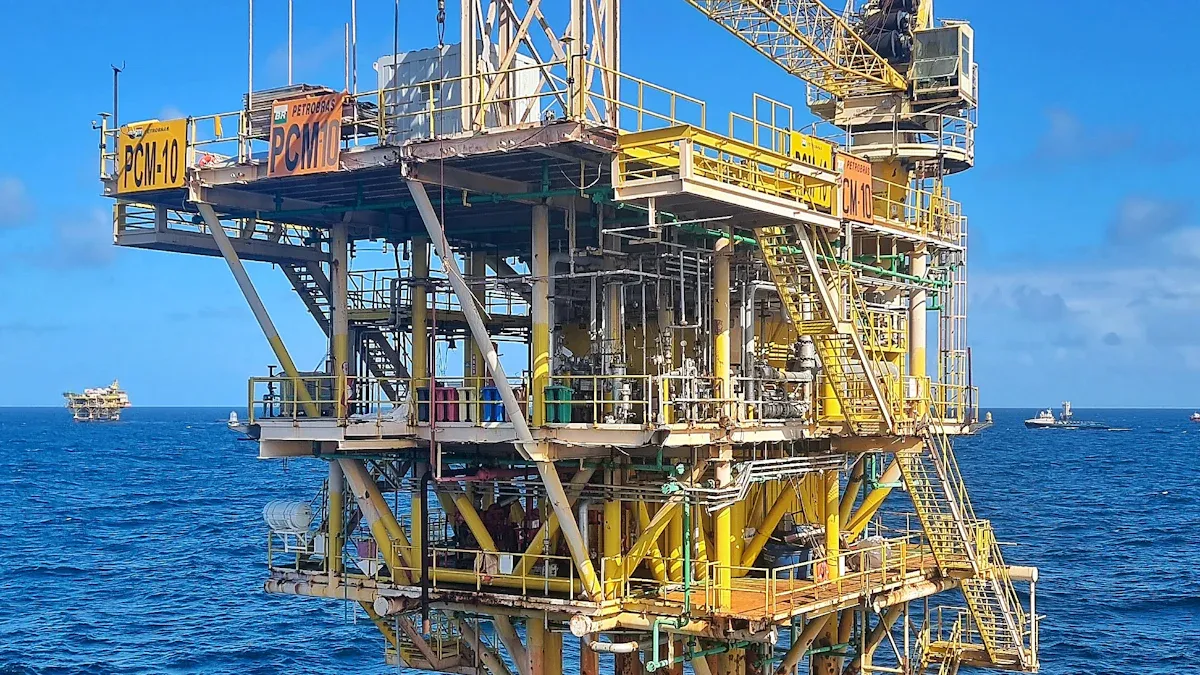
Why Mud Recovery Matters
A strong mud recovery system keeps drilling safe and works well. Mud recycling systems help keep the wellbore steady. They cool the drill bit and take away cuttings. When you use packaged mud recycling systems, you control drilling better. These systems stop pipes from getting stuck and tools from wearing out. They also lower the chance of losing fluid or the hole going off track.
Experts say mud recycling systems have many good points. You use less water and save fuel. You spend less money on getting rid of waste. Your rig works longer without stopping. You also lower the chance of fluid coming back when you do not want it. The table below shows why mud recovery is important:
|
Benefit |
Description |
|---|---|
|
Reduces water volume needed |
Saves on fuel costs and logistics by minimizing the need for water transport. |
|
Lowers disposal costs |
Reduces expenses related to waste disposal and travel time for trucks. |
|
Increases job productivity |
Ensures continuous drilling operations, enhancing overall productivity. |
|
Improves rig uptime |
Eliminates downtime associated with mixing drilling mud when the rig is not in use. |
|
Reduces risk of inadvertent returns |
Minimizes the chances of unexpected fluid returns during drilling. |
|
Enhances tool life |
Prolongs the lifespan of drilling tools through effective fluid management. |
|
Lowers carbon footprint |
Contributes to environmental protection by reducing emissions associated with drilling operations. |
Key Benefits for HDD Projects
Mud recycling systems help your project in many ways. They keep the wellbore steady by balancing pressure and heat. The table below explains how mud changes the wellbore:
|
Effect Type |
Description |
|---|---|
|
Poroelastic |
Fluid moves between the rock and wellbore, changing stress and pressure. |
|
Thermal |
Mud temperature changes affect stress and pressure in the wellbore. |
|
Chemical |
Salt levels cause water and salt to move, changing pressure, stress, and shale strength. |
Packaged mud recycling systems clean mud in three steps. This process takes out solid bits and lets you use the fluid again. You spend less on new materials and help the environment. The system is also easy to use and fix.
When you use CEGC’s horizontal directional drilling machine with advanced mud recycling systems, you see big changes. You can drill 30% more sideways in each well. You also drill 33% more each day. Rig use goes down by 42%. The chart below shows how advanced mud recycling systems make drilling better:
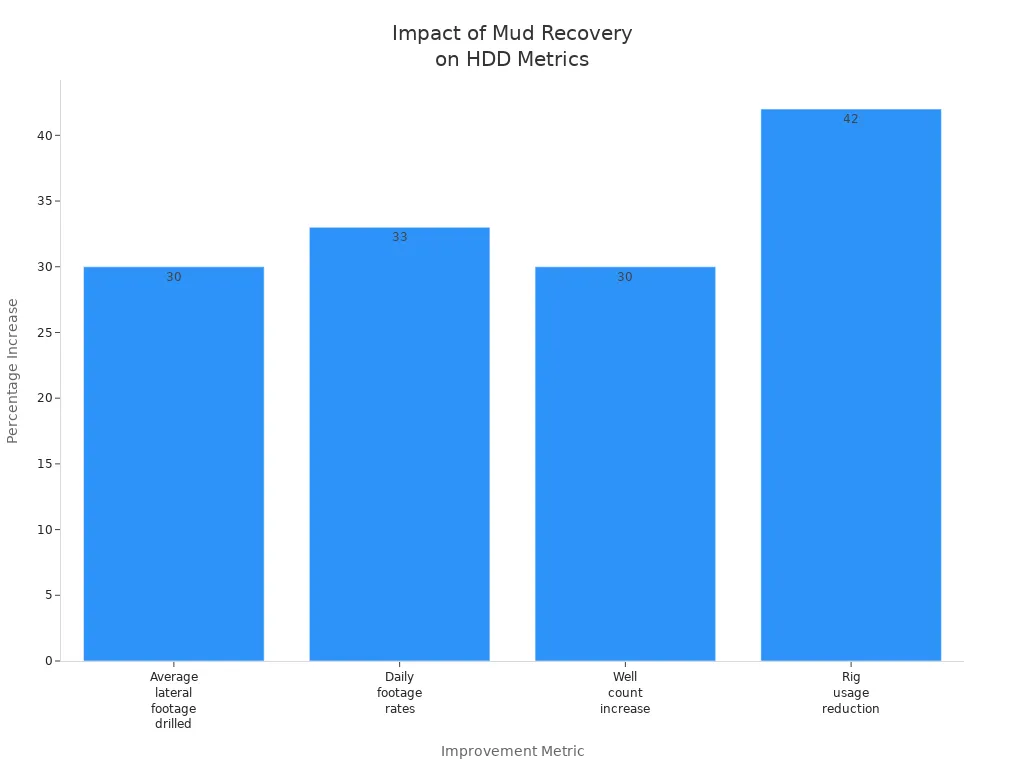
Packaged mud recycling systems also help you save energy and protect nature. You get better drainage and more recovery from your reservoir. With these systems, you finish jobs faster and find more wells that make money.
How Horizontal Directional Drilling High Recovery System Works
Main Components Overview
You need to know about each part in a high recovery system. Each part helps manage drilling fluid and mud recycling. The table below shows the main parts and their details:
|
Model |
Capacity |
Particle Size After Treatment |
Model of Shale Shaker |
G-force |
Total Screen Area |
Model of Mixing Pump |
Total Power |
Total Volume |
Total Weight |
|---|---|---|---|---|---|---|---|---|---|
|
KSMR-500 |
500GPM (120m³/h) |
15–44μm |
LS583 |
7.0 (6.6–7.4 adj) |
2.0m² |
CP68-45 (45KW) |
150kw |
15m³ |
17000kg |
|
KSMR-1000 |
1000GPM (240m³/h) |
15–44μm |
LS583 |
7.0 (6.6–7.4 adj) |
2×2.0m² |
CP68-55 (55KW) |
184kw |
30m³ |
20000kg |
|
KSMR-200 |
200GPM (50m³/h) |
15–44μm |
LS2·752-004 |
≤7.5G Adjustable |
0.875/1.35m² |
CP56-30 |
44kw |
5m³ |
5500kg |
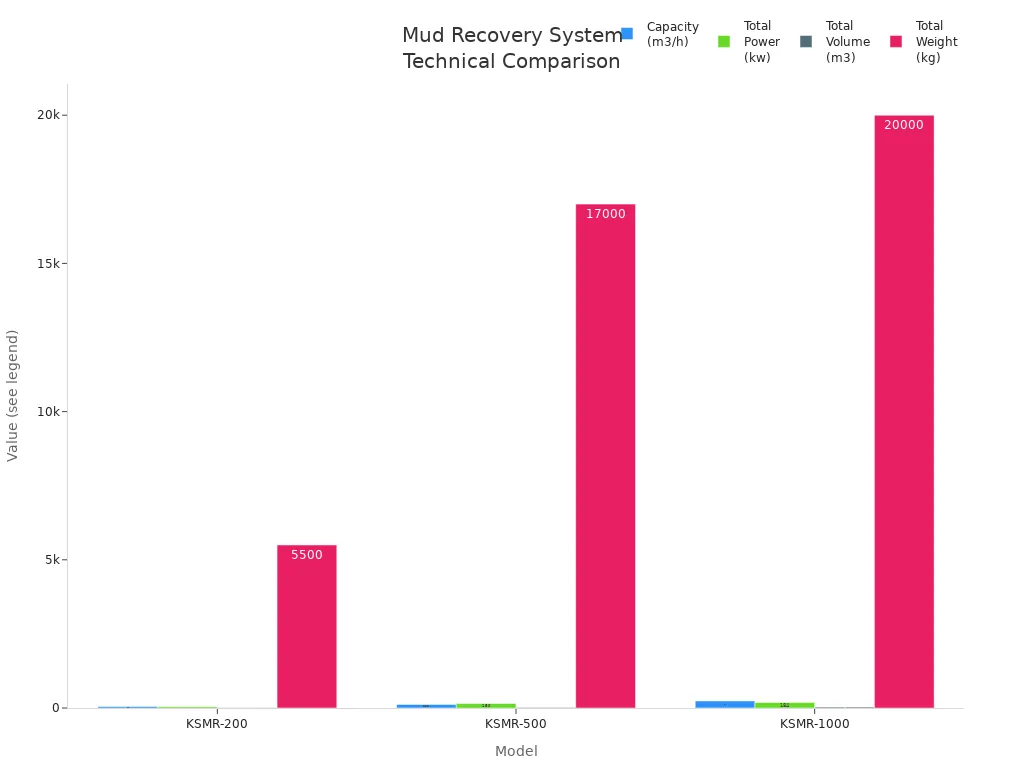
A high recovery system has these main parts:
-
Mud tank: This tank holds dirty and clean drilling fluid. It keeps fluid ready for use or recycling.
-
Mixing pump and hopper: These mix new mud and additives. They help keep the fluid right for drilling.
-
Shale shakers: These take out big cuttings from the fluid. They use screens and shaking to separate solids.
-
Hydrocyclones (desanders and desilters): These remove smaller particles from the mud. They spin the fluid to push solids out.
-
Pumps: These move drilling fluid through the system. They keep the flow steady for drilling and recycling.
-
Tanks: These store clean and dirty fluid. They help manage the flow and keep things organized.
All parts work together to make drilling smooth and efficient.
Step-by-Step Mud Recovery Process
Here are the steps for how a high recovery system works:
-
Mixing: First, you mix water, bentonite, and other additives in the mud tank. The mixing pump and hopper help you get the right blend.
-
Circulation: Next, you pump the drilling fluid down the drill pipe. The fluid cools the bit, carries cuttings, and supports the wellbore.
-
Returns: Used mud comes back up the borehole. It brings rock and soil cuttings with it.
-
Primary Separation: The fluid goes over shale shakers. These shake out big cuttings and let the rest of the fluid pass.
-
Secondary Separation: The fluid moves to hydrocyclones. These spin the fluid and remove smaller solids.
-
Filtration and Storage: Cleaned fluid goes into a separate tank. You can reuse this fluid for more drilling.
-
Waste Handling: The separated solids go to waste bins for safe disposal.
Tip: Good mud recycling cuts waste, saves water, and lowers disposal costs.
Each step helps keep the drilling fluid clean and ready to use again. Advanced systems can recover almost 79% of valuable materials like barite. They also cut the solid content in recycled fluid by almost half. This gives you better drilling and less downtime.
Clean Fluid Recycling and Reuse
You need clean drilling fluid for every part of your project. High recovery systems make this happen by separating solids and recycling fluid. Here is how the process works:
-
The mud tank has different sections for dirty and clean fluid.
-
Shale shakers remove big solids (400 microns and larger).
-
Desanders and desilters take out smaller particles.
-
Hydrocyclones and advanced filters clean fluid to a 2-micron standard.
-
The final fluid returns have less than 0.1% total suspended solids.
This lets you reuse drilling fluid again and again. You use less water from outside sources. You also need fewer additives like bentonite and PAC. You make less waste, so disposal costs go down and you help the environment.
Note: Clean fluid keeps your drill bit working well. It lowers tool wear and helps you avoid equipment failure.
You can trust CEGC’s technical solutions for fluid management. CEGC gives pump sizing help, filtration upgrades, and custom systems for your site. You get a system that fits your project, whether it is small or big.
You also get industry certifications like API, ISO, and CE. These show your system meets high standards for quality, safety, and care for the environment.
When you use a high recovery system with your horizontal directional drilling machine, you keep drilling going. You make your operation efficient, safe, and cost-effective.
When you use a high recovery mud system with your horizontal directional drilling machine, you work faster and get more done. The table below shows how these systems help by recycling fluid, making less waste, and helping the environment:
|
Advantage |
Description |
|---|---|
|
Recycles up to 90% of drilling fluids as recycled fluid. |
|
|
Waste Reduction |
Minimizes disposal needs and meets regulations. |
Here are some tips for the best results:
-
Check mud properties and how the system works often.
-
Do regular maintenance to keep things running well.
-
Teach your team how to use the system safely and get good results.
Pick CEGC if you want solutions you can trust and change to fit your needs. This will help you keep working well and getting good results.
FAQ
What is a packaged mud system?
A packaged mud system helps manage drilling fluids. It uses tanks, pumps, and shakers together. This system lets you recycle mud and use it again while drilling.
How does a solids control strategy help my project?
A solids control strategy removes unwanted solids from drilling fluid. This keeps the fluid clean. It also protects your tools and helps you drill better.
Can I customize my mud recovery system for different projects?
You can change your mud recovery system for each project. CEGC gives solutions that match your project size, soil, and drilling needs. You get better results with the right setup.


