
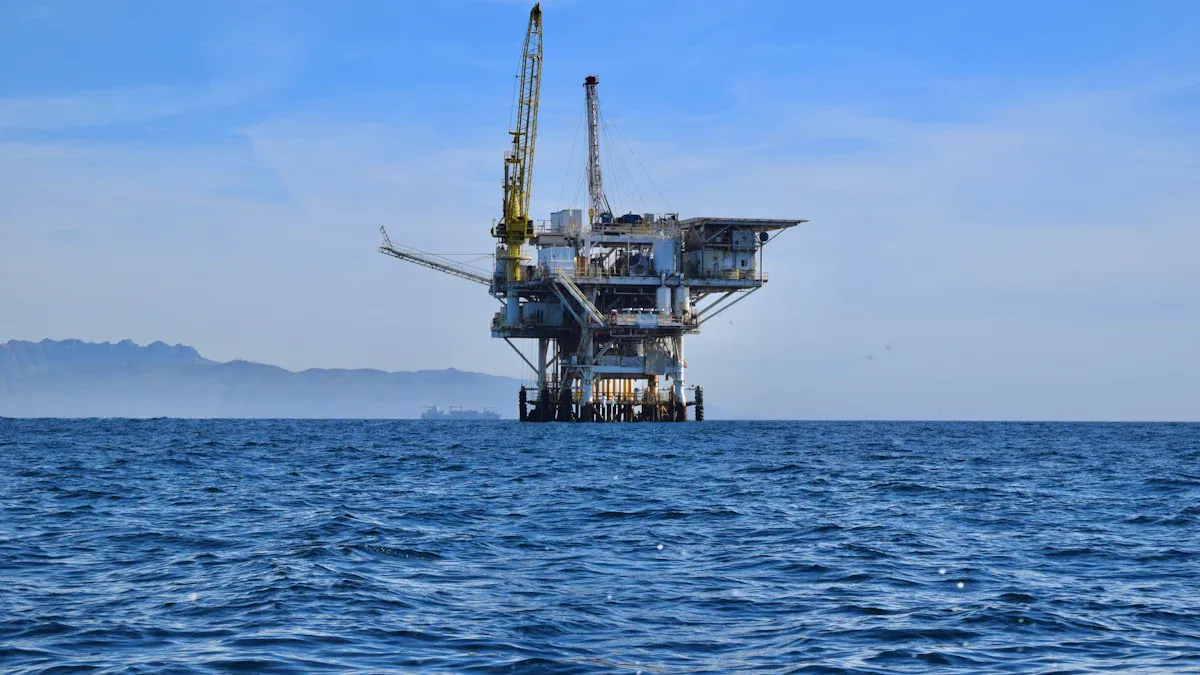
You achieve high recovery with a Horizontal Directional Drilling Rig High Recovery by maximizing contact with the reservoir and leveraging innovative rig technology. CEGC provides standard features while allowing for customization. Accurate guidance, a robust powertrain that prevents stalling, compatible tools, and effective fluid control address common challenges.
-
Advanced geosteering technologies ensure wells are accurately placed.
-
Real-time data enhances oil or gas production.
-
Horizontal directional drilling enables access to difficult locations.
|
Solution |
|
|---|---|
|
Bore Deviation |
Advanced gyroscopic directional tools |
|
Tool Wear |
Durable tools that withstand wear |
|
Severe Vibration |
Tools engineered to manage vibrations |
Key Takeaways
-
Use horizontal directional drilling to reach more of the reservoir. This helps get more oil or gas than vertical wells.
-
Use advanced geosteering tools to place wells in the right spot. This keeps the bore straight and makes drilling more accurate.
-
Use good fluid management methods. Picking the best fluids and pump sizes keeps the borehole safe and helps get more oil or gas.
Horizontal Directional Drilling Rig High Recovery
Rig Technology & Automation
You use advanced technology to get high recovery. Automation tools help you make drilling easier. Machine learning models guess what will happen next and help you decide. Smart sensors watch well paths and keep drilling on track. Apps do jobs like making connections and controlling steps. These features let you handle lots of data fast and boost performance.
CEGC’s solutions have standard specs and options you can change. You can set up rigs for different jobs. Modular designs fit many uses and rock types. Remote control makes work safer and faster. The anti-stall powertrain stops downtime by handling torque spikes. Hydraulic load sensing and pressure control protect rods and tools from shocks.
|
Automation Technology |
Function |
|---|---|
|
Apps for process automation |
Automate tasks like making connections and sequences |
|
Intelligent sensors |
Optimize trajectories and maintain alignment |
|
Machine learning models |
Predict conditions and improve decision-making |
Tip: Automation lowers mistakes and helps you reach tough goals.
Precision Guidance Systems
Precision guidance systems are important for high recovery. You use rotary steerable systems to place wells right and steer all the time. Real-time geosteering uses special resistivity to update your path and make drilling more accurate. High-speed telemetry gives quick updates for control and checks.
These systems help you lower bore deviation. Straighter holes and better shapes mean cleaner recovery. You get stronger break-up and higher production. Less drill hole deviation makes removing material easier. You improve your methods by learning how drilling rates and deviations connect.
|
Advancement Type |
Description |
|---|---|
|
Rotary Steerable Systems (RSS) |
Enables precision wellbore placement and continuous steering with minimal slide drilling. |
|
Real-time Geosteering |
Uses deep azimuthal resistivity to inform automated trajectory updates, enhancing drilling accuracy. |
|
High-speed Telemetry |
Provides high bandwidth for sub-second updates, facilitating autonomous control and diagnostics. |
-
Precision guidance systems make holes straighter and shapes better, which lowers bore deviation.
-
Better drilling accuracy gives stronger break-up and cleaner recovery, so recovery rates go up.
-
Less drill hole deviation means better break-up, which helps mucking rates and makes removing material more efficient.
Note: CEGC offers tracking-system ready solutions and control packages you can change to fit bore length and geology.
Reservoir Contact & Production Rates
You boost reservoir contact by running wells next to the reservoir. This way, more wellbore touches the reservoir, so production rates go up. Horizontal directional drilling lets you cross more fractures and get more exposure. You see higher production than with vertical wells. This works well in rocks where oil or gas is hard to get.
CEGC’s solutions help you get more reservoir contact. You can change rod size, tool joint specs, and wear protection to fit the rock and tools you like. Good wellbore planning and picking the right fluid lower risks like stuck pipe and tool wear. You watch for warning signs like more torque and drag, too many cuttings, and loss of fluid.
-
Horizontal drilling gives more exposure to the reservoir, so production rates are higher than vertical wells.
-
Directional or horizontal drilling lets the well touch more of the reservoir, which can mean more production by crossing more fractures.
|
Solution Type |
Description |
|---|---|
|
Proper wellbore planning |
Find and avoid places where sticking can happen. |
|
Proper drilling fluid selection |
Lower the chance of differential sticking. |
|
Proper drilling practices |
Keep weight on bit and watch conditions to stop problems. |
|
Stuck pipe prevention tools |
Use jars and sensors to find and stop stuck pipe issues. |
Tip: CEGC’s solutions can be changed to fit tough rocks and make work easier.
Guidance, Fluids & Operation
Tracking & Data Integration
You can make drilling more accurate with tracking system integration. Directional drilling helps you put the wellbore in the right spot. Modern tracking systems watch where the drill bit is and change steering by themselves. You get real-time data from MWD platforms, so you can decide fast. Automated data collection keeps track of pitch, depth, and rod length for better bore profiles. Software uses maps and land shapes to help you plan bores with more detail.
|
Technology |
Description |
|---|---|
|
Automated Data Collection |
Systems gather data during drilling to improve decision-making. |
|
Real-Time Monitoring |
Tracks drilling parameters to adjust operations for best performance. |
|
Advanced Logging Techniques |
Enhances data accuracy for future analysis. |
Tip: A cloud platform helps you look at data faster and makes recovery rates better.
Fluid Management & Mud Program
You keep the borehole safe and get more recovery by picking the right fluids and pump sizes. The right fluid controls mud weight and stops machine problems. Good pump size keeps fluids moving, cleans the hole, and stops trouble. Wellbore stability analysis services help you find the best mud weight for safe drilling. You follow the mud program by mixing fluids right and checking them during the job.
|
Evidence Description |
Key Points |
|---|---|
|
Proper fluid selection |
Manages mud weight, prevents failures, and ensures safe drilling. |
|
Effective pump sizing |
Helps circulate fluids, cleans the hole, and reduces instability. |
|
Wellbore stability analysis |
Finds optimal mud weight for safer and faster drilling. |
Note: CEGC gives you fluid handling and pump packages you can change for your project.
Skilled Operation & Best Practices
You get high recovery when skilled operators use best practices. The skills of the operator and crew matter a lot for how much you get. You start by checking the site before drilling. You make sure all equipment works and change important parts. You get permits and follow safety rules. You mark where utilities are to stop damage. You pick the right directional drilling machine and fluids for the ground. You make a backup plan for problems. You watch the ground and fix it after drilling.
-
Make sure equipment works.
-
Get all needed permits.
-
Follow safety rules.
-
Mark utilities clearly.
-
Use the right rig and fluids.
-
Make backup plans.
-
Watch and fix the ground.
Tip: CEGC helps you with custom plans and expert advice for every project.
You get better oil recovery when you use new technology, good fluids, and skilled workers.
You get high recovery rates with horizontal directional drilling by using advanced rig design, precision guidance, and good fluid management. Skilled workers and watching the process all the time help you get better results. CEGC gives you standard and custom solutions. Here are some main methods:
|
Description |
|
|---|---|
|
Optimizing well design |
Makes oil recovery better and helps drilling work well. |
|
Sweet spot placement |
Uses directional drilling to put wells in the best place. |
|
Cube development |
Gets more resources out and lowers problems with other wells. |
FAQ
What makes horizontal directional drilling rigs achieve high recovery rates?
Directional drilling lets wells touch more of the reservoir. Advanced rigs help you place wells in the right spot. This means you get more oil and gas.
How does CEGC customize rigs for different projects?
You pick features that fit your site. CEGC gives choices for power, guidance, and fluids. You match the rig to your ground and job needs.
Why is fluid management important in horizontal directional drilling?
Proper fluids keep the borehole safe and steady. Good mud programs stop pipes from getting stuck and help recovery. You check and change fluids to make drilling safer.


