
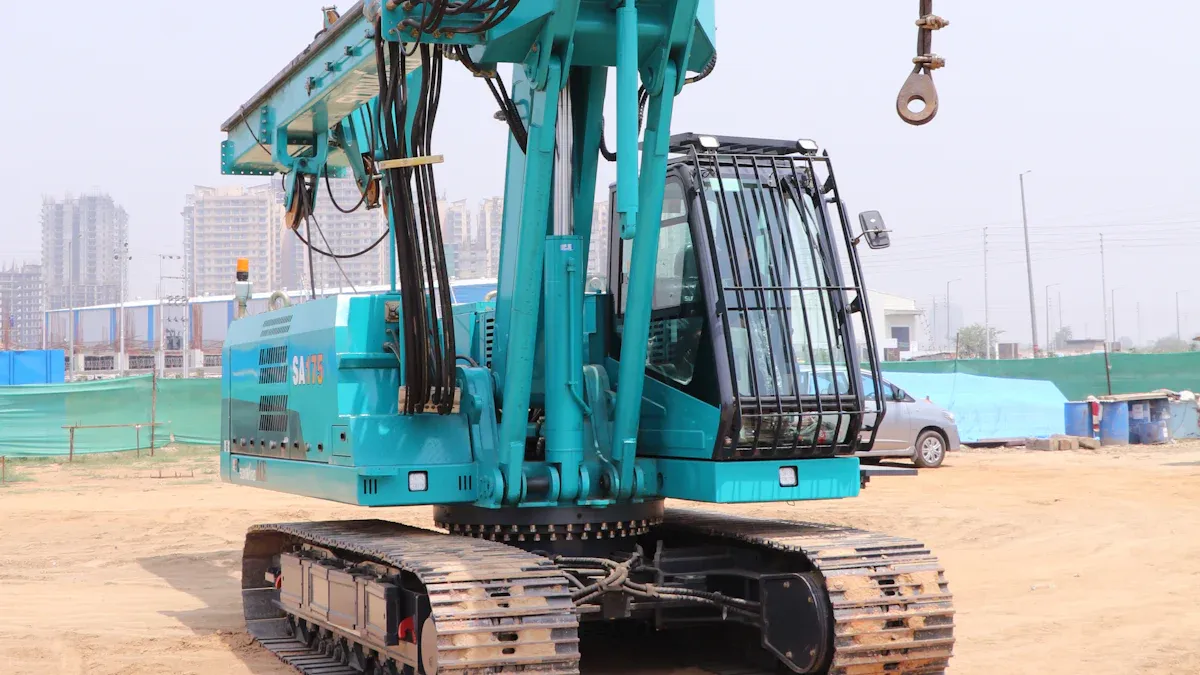
Horizontal directional drilling projects are hard. A horizontal directional drilling rig stable path keeps things safe. It makes things work well. It helps the environment. If it's not steady, it costs money. This guide looks at new ideas. It shows new ways to do things. Make your directional drilling rig work best. Planning well is important. CEGC helps with these new ideas. This makes things work more efficiently. It makes things safer.
Key Takeaways
-
Good planning is important for a stable drilling path. This includes studying the ground and choosing the right rig.
-
New technology helps keep the rig steady. Sensors watch data, and smart programs predict problems.
-
Trained workers and good safety rules are key. They help prevent accidents and keep the project safe.
Smart Planning for Horizontal Directional Drilling Rig Stability
You must plan well. This is for any good horizontal directional drilling project. This first step prevents problems. It ensures smooth operations. Good planning reduces risks. It makes the project more secure.
Ground Study and Prediction Tools
Knowing the ground is key. You use special ground studies. These find weak spots before drilling. This means mapping underground in detail. You also check the soil as you go. Prediction tools help you anticipate problems. For tough ground, you need fancy math. These methods show how things might break. For example, you can use Bishop or Spencer methods. You can also use computer models. These include finite element analysis. Computer programs give good information.
You get better results with 3D maps. These maps use seismic data. Seismic data shows ground properties. It also shows stress. This helps make ground models. These models show how the ground reacts. They predict things like wellbore stability. You can map faults and cracks. Adding this to models helps planning. These new ideas make operations secure.
Choosing the Right Rig for the Site
Pick the right directional drilling rig. Match its size and weight. Match its anchors to the ground. Think about the drilling path. Rigs that can change are flexible. Choosing the right tools is key. This stops the drill from going off course. It ensures project success.
Site Prep and Ground Support for Safety
Get your site ready carefully. Use good ground support. This includes special mats. It also means packing down soil. You might use temporary walls. Do this based on ground reports. Put the horizontal directional drilling rig on firm ground. Sometimes, you need a frame. Safe digging is important. Support trenches to stop collapses. These steps are crucial for safety. They make operations efficient. Your good planning makes things stable.
Real-Time Monitoring for Horizontal Directional Drilling Stability
You need to watch things closely. Do this during drilling. New tech helps you. It keeps things steady. This part shows how to monitor and control. These new ideas are important. They are key in drilling today.
Integrated Sensor Networks for Continuous Data
You use special sensors. They send data all the time. These sensors watch your drill rig. They check tilt and shakes. They also check ground pressure. They watch anchor tension. For example, some sensors have no wires. They show exact tilt. They also find impacts. These sensors work well. They work even in tough places. They send info to a main system. This constant data is crucial. It aids in drilling. Sensors check heat and pressure. They check for oil and gas. They gather data from deep down. They do this in real time. This data goes to the top. It uses things like fiber optics. WITSML helps you see this data. It helps you understand it. You can use different ways to send data. This constant monitoring helps you. It helps you verify things thoroughly.
AI-Powered Predictive Analytics for Early Warning
You use smart computer programs. They look at sensor data. These programs guess problems. They advise you to rectify issues. They do this before problems get big. Special computer networks guess when mud is lost. Smart learning programs sort how bad mud loss is. Other programs check drill pipe shakes. These new ideas give early warnings. They make checking better. This intelligent assistance prevents costly problems. It improves project management. This advanced system assists you. It makes operations more secure.
Automated Rig Leveling and Control Systems
You use automatic systems. They make things very steady. These systems use oil or electricity. They move your rig by themselves. They react to ground shifts. They react to drilling forces. When drilling, watch hole pressure. Make sure drilling pressure is safe. Automatic systems change drilling settings. They do this in real time. They lessen shakes. They make weight and twist just right. They find bad shakes. They stop them. This automatic control makes a smoother hole. It helps with steadiness and speed. These methods use less energy. They let the drill bit work best. This improves your work. You achieve enhanced control. You receive improved guidance. This comprehensive check accelerates processes. This complete system enhances your project.
How to Drill Well and Stay Safe
You are now drilling. This needs skilled workers. It needs good equipment care. Learn these steps. They keep your horizontal directional drilling rig stable. They also keep your team secure.
How to Drill Smart and Manage Fluids
Follow the maker's rules. This is for push, twist, and spin. It stops holes from caving in. It keeps your rig balanced. Watch drilling numbers closely. Look at twist, push, spin speed, and how fast you drill. This helps you find blocks. It helps with soil changes. You can fix things fast. This stops tools from wearing out. It ensures shafts reach sufficient depth. This is for different soils.
Change your drilling speed. Do this based on the soil. Go slower in sticky clay. This stops the hole from squeezing. Go faster in loose sand. Use medium speeds in rocky soil. This preserves the drill bit. Smart rigs can adjust speed. They improve drilling. They maintain the hole's integrity. Twist is key for strength. A small twist increase helps predict strength. But faster spinning can lower strength. This means you might lose connection. Pushing hard does not change much. Make twist values right. Especially above 42 N·m. This helps guess strength better. Too much speed can lower resistance. This is because soil gets messed up.
For soft ground, use special drills. These drills push the casing and bit together. This stops soil from falling in. It makes clean holes. A casing shoe with sharp edges helps drill better. In mixed ground, use a system. It lets you switch drill types. Change spin speed, twist, and flush fluid. This makes drilling best. It works for changing layers. Set up your tools right. Adjust twist, spin speed, and push. Do this for each ground type. Too much power can break tools. Too little power wastes time. Skilled workers should adjust these. They do this as they drill. This optimizes drilling performance.
You must control pressure deep down. This prevents ground damage. It prevents holes from collapsing. It prevents fluid loss. It prevents unwanted returns. You need to know how fluids work. You need to know how they act with the ground. Drilling fluid is very important. Its weight gives pressure. Its thickness carries cuttings. It keeps solids mixed. It manages solids. Efficiently moving cuttings prevents them from accumulating. This prevents high pressure. It prevents stuck tools. Good pump rates help move cuttings. They help control pressure. Fast flow cleans effectively. However, excessive pumping can erode the hole. It can result in fluid loss. A good rule for GPM is 10 times the bit size. Your reamer and tool choice matters. It changes the volume of excavated dirt. It changes hole pressure. Wrong tools can dig too much. This changes pressure. This leads to issues. It can result in mud loss.
Bad fluid choice for the ground. Bad drilling can raise deep pressure. This causes frac-outs. This occurs when internal pressure is excessive. You must know hole sizes. You must know hydrolock. You must know deep pressure. Link good drilling to reamer choice. Link it to fluid choice. This reduces risks. It prevents costly problems. It prevents ground heaving. It prevents damage to buildings. Using less fluid conserves money. However, it might not have sufficient slurry. This might require additional reaming. It can also extend the job duration. It can incur higher costs. To keep the hole steady, deep pressure must stay right. It needs to be high enough. It needs to push against the filter cake. But if pressure is too high, frac-outs can happen. Fluid can be lost. More mud weight raises deep pressure. This happens from "outrunning the mud." Or from recycler problems. This increases the risk of ground damage.
You can prevent pipes from getting stuck. Use new tools. Like Coretrax's DAV MX. And HyPR Holesaver. The DAV MX lets fluid flow again. It works above a stuck spot. It functions even with low flow. You can turn it on. Use an Emergency Opening Ball. This works in tough angles. The HyPR Holesaver is a cutter. It does not use explosives. It cuts the drill string. It uses a strong jet of mud. This is very secure. It is highly effective. It means no explosives are needed. No special staff are needed. You can start fishing right away. Also, study the ground well. Do this before drilling. This helps you expect problems. Use planning software. It models twist, drag, and fluid. Watch deep conditions. Watch twist, drag, and pressure. Do this in real-time. This helps detect early signs of sticking. Use LWD/MWD tools. They give constant data. Make mud properties right. This helps remove cuttings. Spin the drill pipe more. Adjust flow rates. Especially in curved wells. Use lubricants. Or spotting fluids. This is for differential sticking. Do back-reaming. Or move the pipe up and down. This is for small sticking issues. These are all crucial tools. They are used in horizontal drilling.
You can save money on components. You can protect tools from wear. Use EdgeGuard protection. It has tungsten carbide discs. This extends the lifespan of reamers. It reduces wear. High Energy Tumbling (HET) inserts help cutters last longer. They resist abrasion. A full cutting surface cuts better. It spreads wear evenly. This extends the lifespan of tools. Changeable nozzles let you change fluid flow. This can reduce wear. It aids in removing cuttings. It assists with cooling. A good sealed bearing extends tool life. It protects components. It protects them from harsh fluids and debris. These steps improve drilling. They make it operate efficiently.
Better Anchoring and Balance Methods
You need to use smart anchors. These systems watch tension. They also adjust balance. This fights drilling forces. It keeps your horizontal directional drilling rig steady. Watch tension and pressure carefully. Do this when pulling back. These new methods are crucial. They maintain stability. They prevent common problems. They ensure the quality of your work. You must check these systems often. You must fix them. This prevents them from breaking down. Proper maintenance extends their lifespan.
Ongoing Training and Safety in Drilling
Make sure your workers are good. They need to recognize signs of trouble. They need to know how to act in emergencies. Regular training helps. This includes VR/AR games. They show hard situations. VR tech is good for training. It is good in dangerous jobs. It creates repeatable training. It is made for specific jobs. It is made for dangers. Studies show VR improves safety. It enhances worker knowledge. It improves their safety proficiency. Real-world application demonstrates more skilled workers. Improved decisions. Improved safety regulations.
VR works best. It works with other digital tools. Like augmented reality (AR). And digital twins. VR with AR creates realistic training. It replicates real conditions. It responds to your actions. This improves training. It is for tasks like running machines. AR helps accelerate decision-making. It makes them more accurate. It puts info on real things. In dangerous jobs, VR works with data. It works with sensor data. This lets you watch conditions. It identifies dangers early. Digital twins let you test things. They use real data for training. They use it for emergencies. This continuous training is crucial. It is a significant component of safety. It is for horizontal drilling.
You need a plan for hitting pipes. You need plans for other dangers. Have a full plan to leave. Or to evacuate. Check emergency plans. Check exit plans. Do this at the start of each shift. Tell all workers. Tell visitors. Inform them about hazards. Inform them about plans. A skilled person must watch the project. They identify hazards. They rectify them. They assign tasks. They make sure everyone knows safety rules. HDD workers must be skilled. Or a skilled worker must watch them. Set clear safety rules. Set clear ways to talk. Have an emergency plan ready. Understand potential problems. Understand hazards. Make a step-by-step written plan. This is for tasks. Control hazards. Eliminate them. Use safety plans. Watch for risks all the time. This monitors changes in risk. It monitors their impact. Check and change plans after a problem. Examine hazards. Examine plans. Do this at the start of each shift. Know where emergency places are. Let people talk freely. Tell workers who to contact. These steps are crucial for safety. They improve drilling. Modern HDD rigs are made to work well. They minimize wear. This reduces the likelihood of tool breakage. Check and fix tools often. This is crucial for drilling tools. It extends their lifespan. It makes them dependable.
Achieve a stable path. Use integrated planning. Use advanced technology. Use skilled operations. This makes projects more secure. It makes them more efficient. Embrace these new ideas. Embrace industry trends. This helps horizontal directional drilling. It improves it. It ensures its longevity. This shows CEGC's commitment.
FAQ
What is the most important step for rig stability?
You must study the ground well. This identifies weak spots early. It creates a strong foundation. This is for your horizontal directional drilling rig.
How does technology help maintain stability?
Sensors give live data. Smart programs predict problems. Machines change the rig's spot. This keeps it steady while working. 🤖
What role does operator training play?
Workers need constant training. They learn to spot trouble. They learn what to do in a crisis. This makes work more secure. It contributes to project success.


