
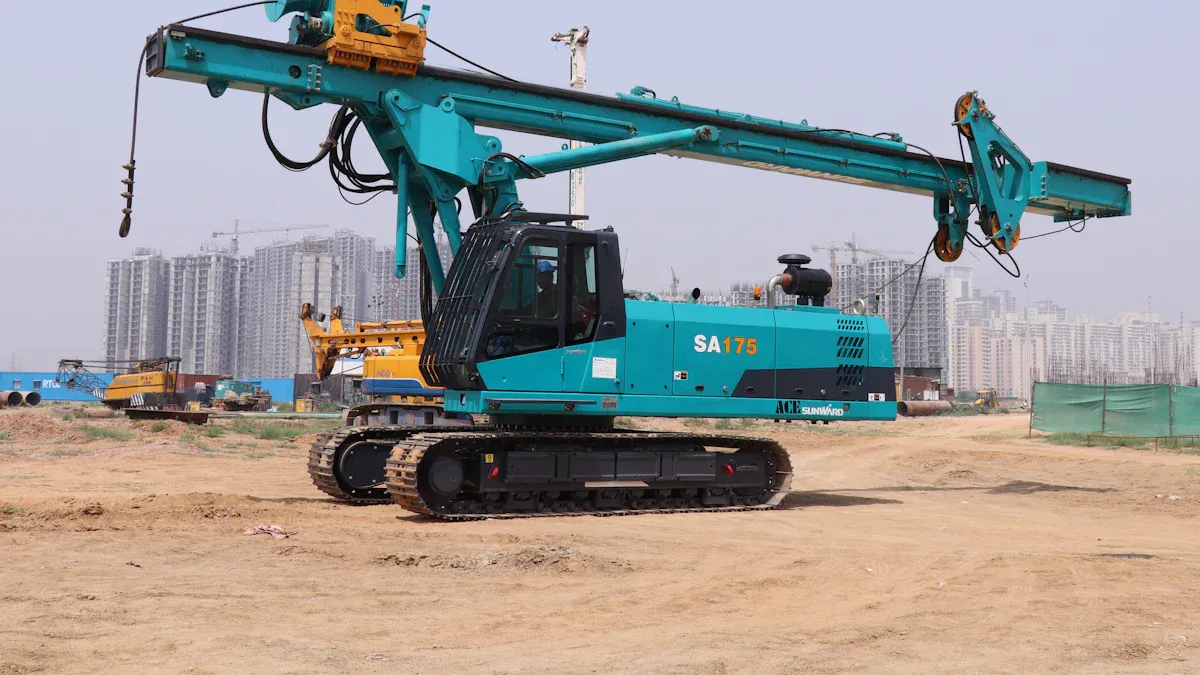
To create a robust Horizontal Directional Drilling Rig Strong Joint, it is essential to select high-quality materials. Careful joint design and the right thread choices are crucial for ensuring durability and safety. Regular maintenance is key to keeping operators safe. CEGC offers a range of horizontal directional drilling machines and drills, featuring both standard specifications and customizable options.
-
Utilize tough steel to enhance longevity.
-
Ensure joint sizes are compatible for optimal strength.
-
Inspect threads to confirm a proper fit.
Key Takeaways
-
Pick strong steel for joints to make them last longer and stop them from breaking during hard drilling. - Check and take care of your drill pipe threads often to find damage early and keep things safe. - Use the right size and type of joint threads for your project to help the rig work better and faster.
Horizontal Directional Drilling Rig Strong Joint Specifications
Joint Dimensions and Pipe Diameter
You must pick joint dimensions and drill pipe diameter that fit your project. The right diameter makes the connection strong and helps drilling go well. If you use the wrong size, you might get stuck pipe or too much torque. Always measure the true outside diameter of your tool joint with a three-point caliper. This tool finds out-of-round wear that a simple gauge ring can miss. Using the correct drill pipe diameter lets you carry more load and lowers the chance of borehole collapse. CEGC has both standard and custom choices, so you can pick what works best for your borehole size and ground type.
Tip: Always check your measurements with industry rules like API Spec 7-2. This step helps your horizontal directional drilling rig strong joint stay safe and reliable.
High-Strength Steel for Joints
You need to use high-strength steel for every tool joint in your horizontal directional drilling rig strong joint. Today’s projects use steel grades like X95, G105, S135, and U170. These grades give you more twisting strength and help joints last longer. High-strength steel does not bend or twist easily, which is important in hard or mixed ground. The right steel also keeps your tool joint from breaking during long or deep drilling. CEGC uses high-strength steel in all rigs, so you get the toughness you need for city and utility jobs.
-
High-strength steel helps your joints last longer.
-
Stronger steel means less chance of breaking during hard drilling.
-
You can use more torque and handle harder borehole jobs.
Wall Thickness and Load Matching
Wall thickness is very important for your horizontal directional drilling rig strong joint. The wall thickness of your tool joint should be much more than the pipe body. This extra thickness gives space for threads and adds safety. The twisting strength of your joint should be 13% to 20% more than the pipe body. This safety gap helps stop failures when loads get higher. The mix of diameter, wall thickness, and steel grade changes the strength and twisting stiffness. For longer bores, you need more twisting stiffness to stop pipe wrap.
-
Check your joints often with thread gauges. This helps you find wear before it gets bad.
-
Watch parts like sub savers and drive chucks. These protect your threads and make drill rods last longer.
-
Regular care keeps your horizontal directional drilling rig strong joint working longer, even in tough ground.
CEGC can change wall thickness and steel grade to fit your project’s load and ground. You get a solution that fits your job, whether it is a short crossing or a long city project.
Joint Design and Performance Optimization
Internal Thickening and Welded Joints
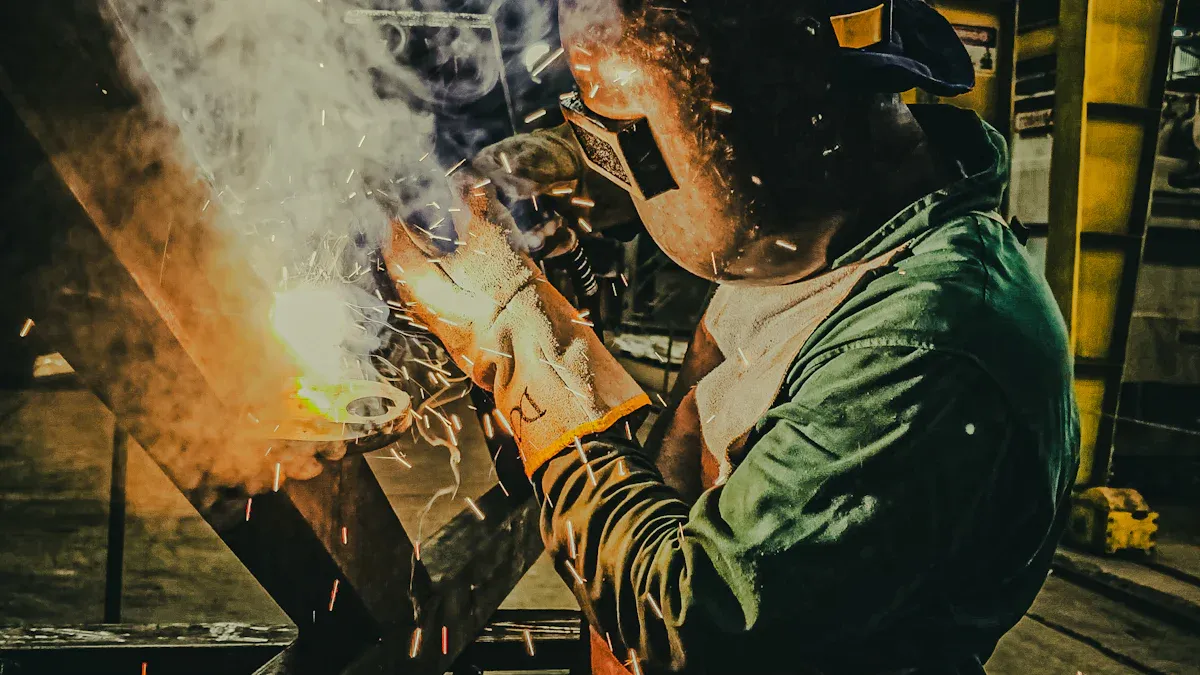
You should pay attention to internal thickening and welded joints. These help your horizontal directional drilling rig strong joint work better. Internal thickening means adding more steel inside the tool joint. This makes the joint stronger and lets it handle more weight and twisting. Welded joints connect the drill pipe and tool joint tightly. These methods make your drill rod last longer and work better. Internal thickening keeps the borehole size steady and stops pipe wrap. Welded joints help stop bending and twisting, so your pipe string stays strong. You need to check welded spots for cracks or damage. Using your rig the right way and checking it often helps you avoid problems. This keeps your horizontal directional drilling rig strong joint working well.
Tip: Go slow when you connect or disconnect joints. This helps stop galling and cross-threading. These problems can hurt your tool joint and make it work worse.
Thread Selection for Performance
Picking the right thread is important for good performance. You have to choose the best thread shape for your job. Premium threads like TenarisWedge or VAM give you high torque and quick makeup. These threads are good for long sideways drilling or shale. Reduced-OD types help when you need more space in horizontal directional drilling. The table below shows which threads fit different jobs:
|
Environment/Requirement |
Key Connection Traits |
Recommended Thread Type |
|---|---|---|
|
Long Lateral / Shale |
Very high torque, fatigue resistance, fast makeup |
Premium (e.g., TenarisWedge, VAM, Hunting Apex) with high torque rating |
|
Horizontal (horizontal dev.) |
Clearance-critical, high torque |
Premium torque + reduced-OD variants (e.g. TC™ RD) |
You should put grease on threads often to help drill rods last longer. Looking at threads helps you find problems early. Use thread gauges to check for trouble before things break. Picking straight or tapered threads changes how your joints handle stress. The right thread and good care give you longer life and better work.
Tooling Compatibility and Maintenance
Making sure your tools fit and doing maintenance is very important. You need to match bits and reamers to your drill pipe and the ground. This helps you get the right borehole size and good quality. Do not let the pipe stop turning, or you might hurt your tool joint. Check and fix bits and reamers often. Get new tool joints ready by using compounds and following steps. Store drill pipe with clean end-caps to keep threads safe.
-
Using the right bits and reamers makes drilling faster and better.
-
Special bit shapes help you drill in different dirt and rock.
-
Changing worn parts often can change how long your project takes and how much it costs.
-
Better reamers help you work faster and cut down shaking, which is important for your horizontal directional drilling rig strong joint.
HDD drill rods can last from 500 to 2000 hours. Softer dirt makes them last longer, but hard rock wears them out faster. CEGC makes rigs with anti-stall powertrain and overload protection. These features help you avoid stuck pipe and too much torque. Taking care of your rig keeps it running well and makes your steel joints last longer.
Note: Always check if your tools fit before you start a new job. This helps you avoid too much bending and stress, which can hurt your tool joint and make it work worse.
You get strong joints by picking high-strength steel. Make sure wall thickness matches the load. Use the right thread type for your job. Internal thickening or welded ends make joints more reliable. Doing regular maintenance helps your joints last longer. CEGC gives you choices you can change to fit your needs. Check your specs and care steps often to keep your directional drilling machine working well.
FAQ
What makes a joint strong in a horizontal directional drilling rig?
You need high-strength steel, proper thread selection, and regular maintenance. These steps help your joint handle tough jobs and last longer.
How often should you check drill pipe threads?
-
You should inspect threads before every project.
-
You can use thread gauges to spot wear early.
Can you customize joint specs for different ground conditions?
|
Option |
Customizable? |
Benefit |
|---|---|---|
|
Diameter |
Yes |
Matches bore size |
|
Wall Thickness |
Yes |
Handles heavy loads |
|
Steel Grade |
Yes |
Fits tough geology |


