
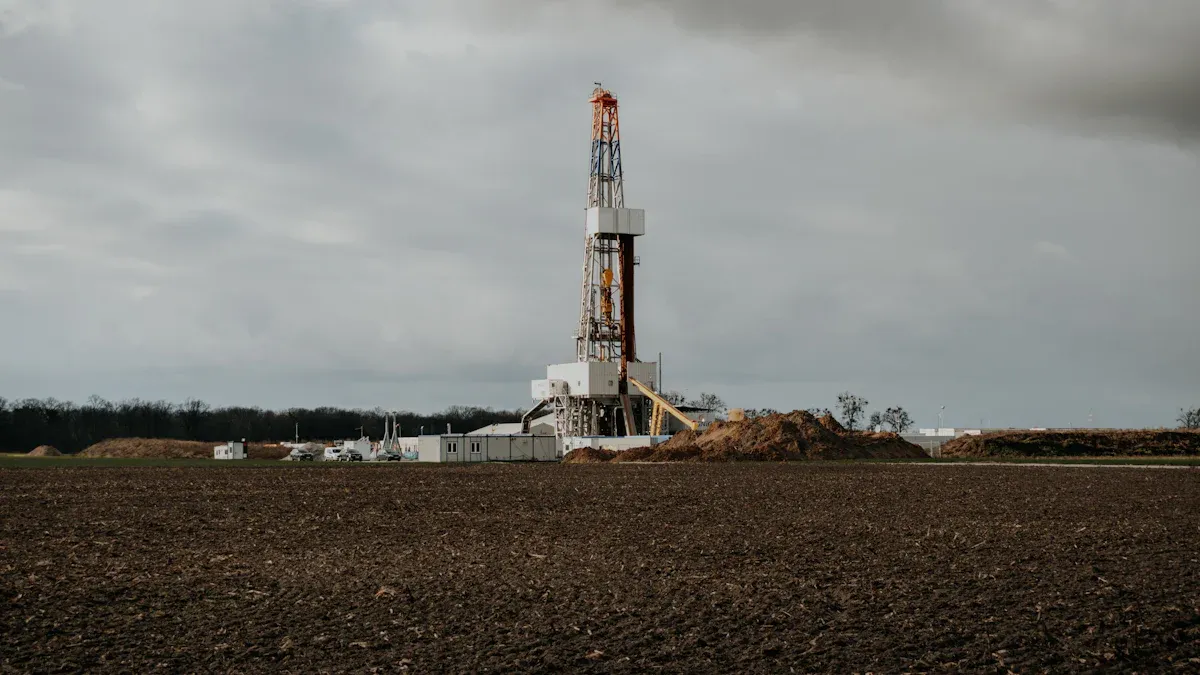
Horizontal directional drilling (HDD) is crucial for modern infrastructure development. This trenchless method minimizes ground disruption and offers exceptional efficiency. The global market for these projects is projected to expand by 4.43% by 2034. Successful projects demand meticulous planning, with Horizontal Directional Drilling Smooth Flow Wins being the ultimate objective. This blog, brought to you by CEGC, outlines strategies to ensure optimal performance in horizontal directional drilling operations.
Key Takeaways
-
Good planning is very important for horizontal directional drilling projects. It helps avoid problems and makes sure the work goes well.
-
Using the right tools and being exact during drilling helps keep the project on track. This includes guiding the drill carefully and using strong machines.
-
Taking care of the site after drilling is finished is also key. This makes sure the area looks good and works well for a long time.
Planning for Horizontal Directional Drilling Success
Good work before drilling stops problems. It makes sure projects succeed. This first step helps horizontal directional drilling work well.
Site Assessment and Geotechnical Planning
Checking the site well is very important. It helps find things underground. These include different soils. Examples are cobbles, gravels, and boulders. Hard bedrock is also a problem. Bad site checks cause delays. They also cost more money. Knowing these ground problems helps with good planning.
Utility Locates and Clearance
Finding underground pipes exactly is key. It makes horizontal directional drilling safe. Directional drill locators are like "eyes and ears." They work underground. They show where the drill head is. We check utility lines. We use marks on the ground. Many ways find hidden lines. Potholing checks for no lines. Call 811, "Call Before You Dig." This finds exact utility spots. Special tools help. Ground Penetrating Radar (GPR) scanners do this. Electromagnetic (EM) locating also helps. OSHA rules keep workers safe. PHMSA rules guide pipe installs. State and federal permits are often needed. Finding and mapping utilities well lowers risks. It stops hitting underground lines. Private line locating is needed. This is for unregistered underground utilities.
Bore Path Design and Digital Tools
Good bore planning helps install pipes. Digital tools make bore paths very exact. Robots and automation help. Self-guiding systems make things faster. AI plans paths. Ant Colony Optimization (ACO) also plans paths. These make horizontal directional drilling designs. They create shorter, better drill paths. Many goals can be optimized. This finds complex drill paths. ACO saves much design time. This makes projects cheaper.
Equipment Selection and CEGC Machine Matching
Picking the right tools is key. It makes projects succeed. Checking ground conditions is vital. This is for horizontal directional drilling. About 70% of drilling fails. This is from unexpected ground problems. So, checking soil and rock is key. The rig must match the ground. It must fit the land. Project needs guide the choice. Drilling depth is one need. For rocky ground, a strong rig is needed. CEGC has many choices. These are for Horizontal Directional Drilling Rigs. For example, the GS6000-TS handles big tunnels. It does very long river crossings. The GS1600-LS is very precise. It is for tough trenchless jobs. CEGC's Microtunnelling Machine works in different soils. It works in hard rock too. This makes pipe install perfect.
Fluid Management Program Development
Good fluid plans are very important. They make HDD work better. Picking the right drilling fluid stops problems. It stops frac-outs or bore collapse. Shaker screens remove big solids. Reclaimers reuse drilling fluid. This saves water. Drilling fluid mix is key. It cools the drill bit. It clears the bore path. Planning ahead considers fluid amount. It considers soil conditions. A formal mud plan is needed. It needs clear steps. It needs monitoring. This helps manage risks. The mud plan makes things work best. It removes cuttings. It makes the borehole stable. This makes things more exact. It saves money.
Executing with Precision: Maintaining Momentum
Pilot Hole Drilling and Precision Guidance
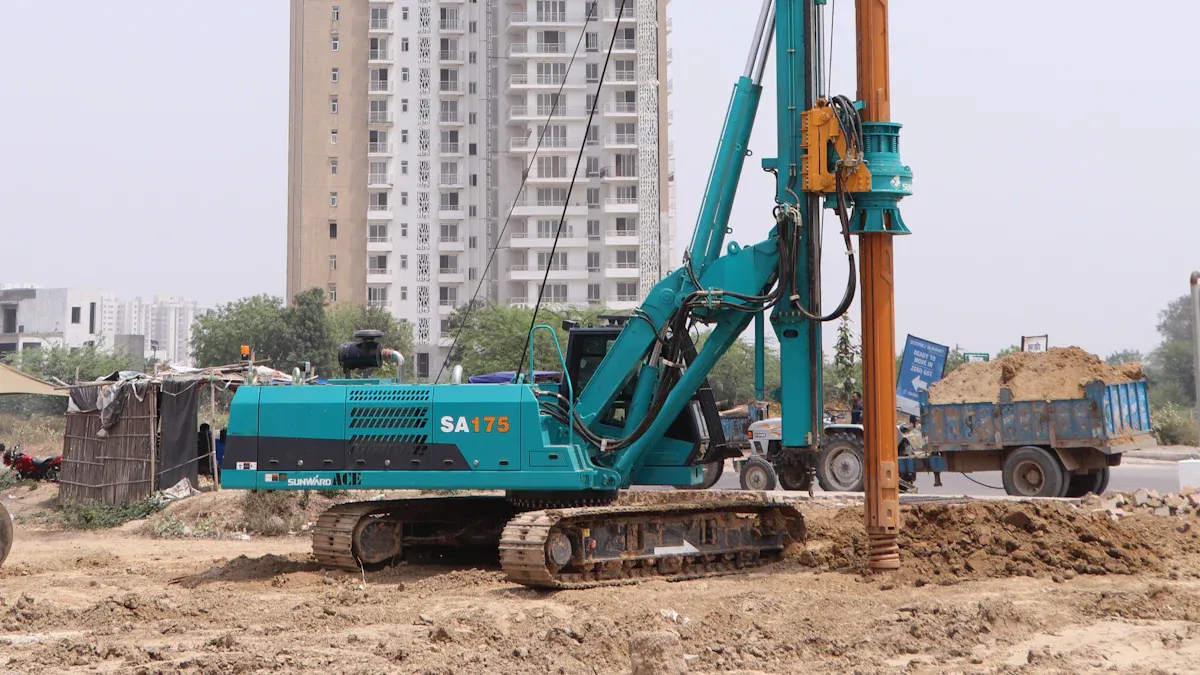
Drillers guide the drill head. They control it well. This makes horizontal directional drilling precise. They stop turning to curve the path. For fluid jetting, jets guide the drill. A beacon is inside the drill head. It sends out signals. Receivers on the surface pick them up. This lets them watch in real-time. Operators can change the boring fast. This makes sure it is exact. Bore tracking gear is very important. Walkover systems use handheld receivers. A worker walks above the drill head. Non-walkover systems work for deep bores. They use a steering tool. They use a survey probe. Best practices follow state rules. They follow city rules. These rules cover drill head accuracy. They cover turning radius. They cover underground checks. This makes things more precise. This new way of drilling helps. It installs pipelines well.
Anti-Stall Powertrain and Overload Protection
CEGC's systems stop problems. They prevent common issues. Top-up override protection helps. It saves drill pipe threads. This makes parts last longer. Rotation anti-impact protection also helps. A push-pull system reduces failures. Active oil refill helps too. These systems protect hydraulic parts. This makes them last longer. Overload protection works with hydraulics. This helps in tough conditions. Pressure relief is key. Precise flow control is also key. Modern hydraulic systems use sensors. They watch everything. This helps fix things early. It means less downtime. It protects pumps. It protects cylinders and motors. This ensures steady daily work. It makes projects cheaper. It is good for managing risks.
Reaming Operations for Optimal Bore
Reaming makes the best bore. This is for pipe install. The reamer choice depends on soil. For clay, use rubble blades. Fly cutters or PDC bits work too. These mix things well. They need good fluid pressure. Fewer cutters stop balling. Detergents and additives help. For rock, use radius rock bits. Ultimate blades or fluted reamers are good. Rock tooling also works. These have strong cutting teeth. They cut better. Polymers and detergents ensure clean cuts. Picking the right reamer is key. It makes HDD work better. This is an advanced drilling method.
Tooling Compatibility and Durability
Tooling compatibility is vital. It helps horizontal directional drilling. Soil type guides tool choice. Ground conditions also guide it. Different soils need special tools. This reduces wear. It makes performance best. Project depth matters for tooling. Diameter needs also matter. Tools must fit bore size. They must fit bore length. Compatibility with drill gear is key. This ensures drilling quality. It controls costs. Tool durability is important. Performance metrics are too. Strong steel ensures long life. Robust build ensures it too. Safety rules are essential. They protect workers. CEGC's tools use good materials. They use advanced designs. Composite materials make them light. Coatings make tools last longer. This means better precision. It means better efficiency.
Improved Safety Measures and Communication
Better safety is key. It is vital on HDD sites. Following safe rules is essential. This includes checking for dangers. Workers must use PPE. Dielectric footwear helps. Gloves prevent shocks. Good communication devices are needed. Remote wrenches are used. They are for the drill string. The Electrical Strike System must be tested. Workers must avoid 'pinch points'. Keep clear from utilities. Exposing utilities confirms space. Be extra careful with fluid. Avoid the rotating drill string. Never drill near workers. Good talk between locator and exit side is key. This helps manage risks. Verbal and non-verbal talk prevents accidents. Operators must stop if they can't see. Pre-job talks discuss problems. This makes things safer. Real-time tools also help safety.
Easy Pipe Work and Finish
This part talks about the last steps. These are for the horizontal directional drilling project. It shows important steps. Good plans make pipe work well.
Pipe Pulling Steps
Pulling pipe needs care. First, workers get the pipe ready. They weld it into one long piece. They check it for flaws. Next, they add a pulling head. This links the pipe to the drill string. The HDD machine then pulls the pipe. It goes through the hole slowly. This must not stop. Stopping can cause trouble. After it is in, workers check the pipe. They look at its line and strength. This makes sure the pipe is right. They watch how much pull and push there is. This keeps the pipe safe. It keeps the hole steady.
Check Drill Path and Records
Checking the drill path is key. It proves the hole is right. Records give a lasting report. This report has key facts. It shows the angle and depth. It notes the time and GPS spot. It also lists fluid pressure inside. The report shows where it crossed things. This helps with future care. It helps with future plans. It makes all future work exact.
Mud Mix and Fluid Plans
CEGC's Mud Mix & Fluid Plan stops issues. It stops bad fluid work. It lowers frac-out dangers. This happens with the right pump size. It also uses good mud rules. This plan gives the right fluid amount. It keeps the fluid pressure right. This keeps the hole steady. It also makes the pipe slide in. This saves money for the project.
Fix Site and Green Rules
Fixing the site well is the last step. It makes the project truly good. Workers fill and seal entry and exit spots. This stops ground sinking and water. They fill the space between the hole and pipe. They use good stuff like grout or mud. This keeps things steady. It stops future ground sinking. Workers watch for ground sinking or bumps. They check often. This finds shifts, leaks, or breaks. They make changed areas look like before. This includes plants and road fixes. This care for fixing shows less harm to nature. These ways make the site look the same. This also means less harm to nature.
Achieving horizontal directional drilling smooth flow wins is not by chance. These horizontal directional drilling smooth flow wins come from good planning. They also come from exact work. And they come from full finishing. This careful way lowers risks. It makes things work best. It makes sure projects succeed. Putting money into strong plans. And into good machines. Like the CEGC Horizontal Directional Drilling Rig. This gets horizontal directional drilling projects done on time. It also keeps them within budget. This makes sure you always get horizontal directional drilling smooth flow wins. It gives good things for a long time. This is true for all horizontal directional drilling projects.
FAQ
What is Horizontal Directional Drilling (HDD)?
Horizontal directional drilling is a way to dig. It does not use trenches. It puts pipes underground. It also puts conduits or cables. This way does not mess up the ground much. It works under roads. It works under rivers. It works under buildings.
Why is planning important for HDD projects?
Good planning stops expensive problems. It means checking the site. It means finding pipes. It means planning the drill path. Good planning makes projects work. It stops delays. It helps pick the right CEGC Horizontal Directional Drilling Rig.
How does CEGC ensure precision in drilling?
CEGC uses a special system called Precision Guidance & Stability System. This system controls pushing, pulling, and turning. Strong frames prevent shaking, making drilling exact, even for hard jobs.


