
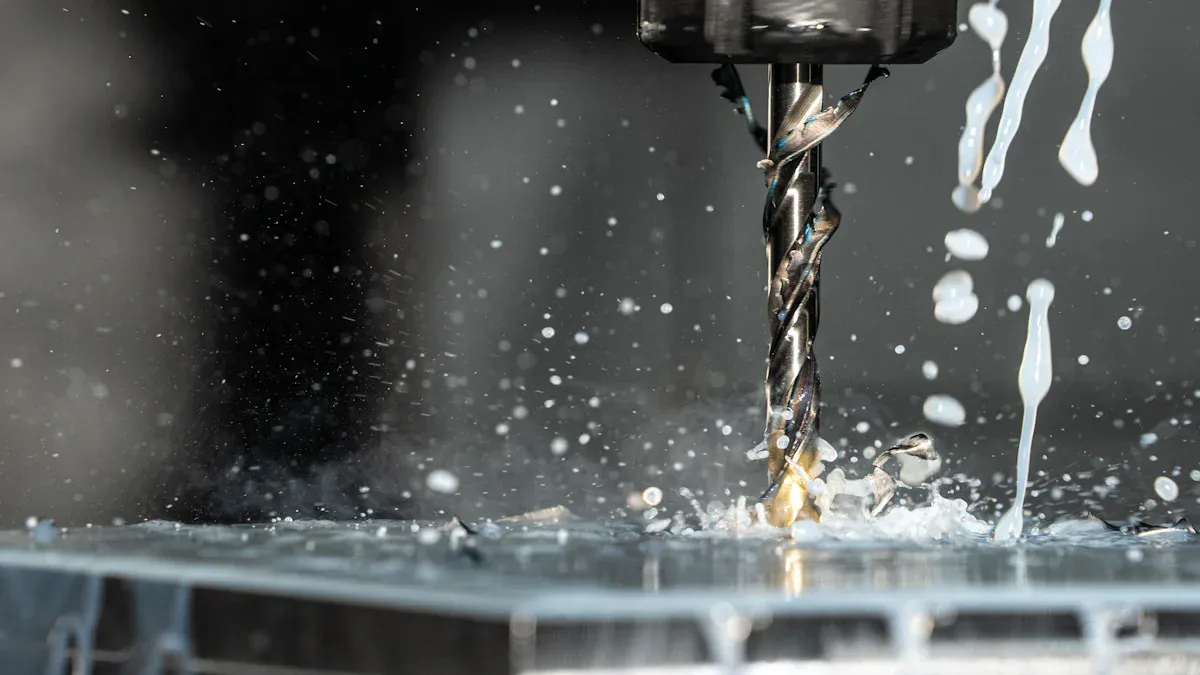
For your project to be safe and accurate, you need Horizontal Directional Drilling Ultra Low Deviation. Deviation occurs when the drill strays from the intended path, often due to issues like differential sticking, key seating, and the accumulation of cuttings. Factors such as friction, scraping, and excessive heat can also accelerate tool wear. CEGC offers horizontal directional drilling machines equipped with market-standard features and customizable options tailored to your specific project needs. Our advanced guidance systems are designed to minimize deviation and enhance drilling performance, ensuring optimal results.
Key Takeaways
-
Ultra low deviation keeps the drill near the planned path. This helps make drilling more accurate and safe. It is important during horizontal drilling.
-
Checking for deviation often helps find problems early. This stops expensive mistakes and helps the project succeed.
-
Using advanced tools and skilled workers makes drilling better. This helps finish the project faster and lowers risks.
Deviation in Horizontal Drilling
Deviation Definition
It is important to know what deviation means in horizontal drilling. Deviation is how far the drill moves away from the planned path. In horizontal drilling, the drill pipe cannot make sharp turns. It can only bend a little. The steering mechanism lets the drill make slow, gentle curves. You must plan for a small horizontal setback. This is the space from where the drill enters to where it becomes level. Drill hole deviation happens when the drill moves left, right, up, or down. You need to check for deviation often to keep the drill on the right path.
-
Deviation in horizontal drilling depends on:
-
How the down-hole assembly is built.
-
How much the drill pipe can bend.
-
The steering mechanism, which only allows gentle curves.
-
Operators test for deviation every 500 feet. If deviation is more than five degrees, you must figure out the biggest horizontal shift. Directional surveys are needed if the finished part is over 50 feet from the approved spot.
Measurement Methods
There are different ways to measure deviation in horizontal drilling. These ways help you watch the drill’s path and keep the project safe. You can measure vertical, horizontal, and azimuthal deviation. Each way shows a different part of the drill’s movement.
|
Description |
Sense |
Unit |
Order |
Lineal |
Angular |
Descriptor |
|
|---|---|---|---|---|---|---|---|
|
VD |
vertical deviation |
Vertical |
ftm |
1st |
X |
|
High/Low |
|
HD |
horizontal deviation |
Horizontal |
ftm |
1st |
X |
|
Left/Right |
|
AD |
azimuthal deviation |
Horizontal |
° |
1st |
|
X |
Left/Right |
You can trust CEGC’s guidance and stability systems for horizontal drilling. CEGC gives you special equipment and trenchless engineering help. These things help you control deviation and make drilling more accurate. You get help for tough ground and better project results.
Ultra Low Deviation Meaning
Industry Standards
It is important to know what industry standards are for horizontal drilling. Most jobs use a set range for deviation. This range helps keep the drill close to where it should go. The industry makes rules for how much the drill can move. These rules keep pipelines, utilities, and nature safe. You have to follow these rules to stop problems.
-
Standard deviation in horizontal drilling:
-
Is usually less than 5 degrees from the plan.
-
Lets the drill move a little left, right, up, or down.
-
Makes sure the horizontal well stays safe and strong.
-
Helps stop crossing mistakes and stuck pipe.
-
You can check for deviation with surveys and tracking tools. These tools show how far the drill moves from the goal. You need to use them often to keep the well on track.
You see these rules in many horizontal drilling jobs. The rules help you plan and drill better. They help you pick the right horizontal directional drilling machine. You can trust these rules to keep your project and team safe.
Standard vs Ultra Low Deviation
You need to know how standard deviation and horizontal directional drilling ultra low deviation are different. Standard deviation lets the drill move a bit from the plan. Ultra low deviation means the drill stays much closer to the target. This gives you better accuracy and safer work.
|
Criteria |
Standard Deviation |
Ultra Low Deviation |
|---|---|---|
|
Allowed Angle |
Up to 5° |
Less than 1° |
|
Horizontal Shift |
Up to 50 ft |
Less than 10 ft |
|
Project Risk |
Moderate |
Very Low |
|
Accuracy |
Good |
Excellent |
|
Crossing Success |
High |
Highest |
Ultra low deviation gives you more control. You keep the well almost right on the planned path. You do not need to fix mistakes as much and lower risk. You keep pipelines and utilities safe under roads, rivers, and train tracks.
CEGC is the leader for horizontal directional drilling ultra low deviation. You get smart guidance systems and strong stability features. These help you reach ultra low deviation in horizontal drilling. You can change your horizontal directional drilling machine for each job. You get the best accuracy for every well.
-
Ultra low deviation helps you:
-
Lower bore deviation and crossing mistakes.
-
Lower the chance of stuck pipe and tool damage.
-
Make fluid and mud work better.
-
Save time and money on drilling jobs.
-
You should try for horizontal directional drilling ultra low deviation. You get safer, more accurate, and more trusted drilling results. You protect your money and your good name.
Importance of Ultra Low Deviation
Project Accuracy & Safety
Ultra low deviation is important for safe, accurate drilling. It helps the horizontal well follow the planned path. This stops mistakes and extra work from happening. Workers and equipment stay safer from surprises. The chance of accidents goes down during drilling. The environment is safer because the well avoids sensitive spots. Horizontal drilling lets you cross roads and rivers without digging up the ground. The directional drilling machine keeps the well straight and on track.
Tip: Check for deviation many times while drilling. This lets you find and fix problems before they get worse.
Utility & Pipeline Benefits
Ultra low deviation gives many good things for utilities and pipelines. The horizontal well stays close to the plan, so crossing failures are rare. Pipes and cables are less likely to get hurt. You save money because you do not need to drill again. Projects finish faster and with fewer slowdowns. B2B contractors, utilities, and EPCs can meet tough safety and quality rules. Horizontal drilling puts pipelines under busy streets and rivers. The directional drilling machine keeps the well where it should be.
|
Benefit |
How Ultra Low Deviation Helps |
|---|---|
|
Project Accuracy |
Keeps horizontal well on path |
|
Safety |
Lowers risk during drilling |
|
Environmental Protection |
Avoids sensitive areas |
|
Cost Savings |
Reduces rework and delays |
|
Utility Protection |
Prevents pipe and cable damage |
Ultra low deviation in horizontal drilling brings better results. Drilling projects are safer, faster, and more dependable.
Achieving Horizontal Directional Drilling Ultra Low Deviation
Technologies & Methods
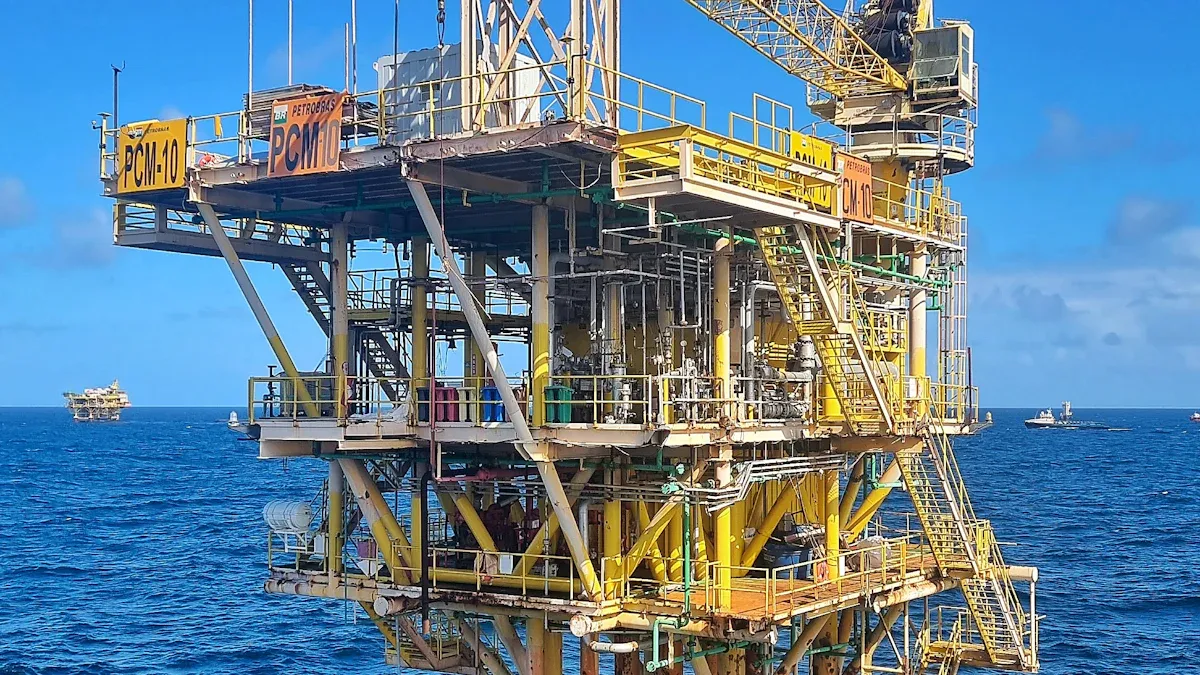
You can get horizontal directional drilling ultra low deviation by using new tools and smart ways to drill. Special drill bits help stop the drill from moving off track and make drilling better. Mud motors near the drill bit let you change the angle for more control. Rotary steerable systems let you steer and drill at the same time, so you can put the horizontal well in the right spot. Bottom hole assemblies with bent shapes help you turn and stay on the path you planned. Multi-shot cameras take pictures as you drill, so you can see if the drill is going off course. Custom whipstocks work with downhole motors and help you drill faster. Networked or wired pipes send sensor data to your control system, so you can watch the drill as it moves.
|
Technique |
Description |
|---|---|
|
Make drilling better and lower the chance of problems. |
|
|
Mud Motors |
Use drilling fluid to change the angle for better control. |
|
Rotary Steerable Systems (RSS) |
Let you drill and steer at the same time for low deviation. |
|
Bottom Hole Assembly (BHA) |
Bent shapes help keep the drill on the right path. |
|
Multi-Shot Cameras |
Take pictures so you can see if the drill is off track. |
|
Custom Whipstocks |
Help you drill faster and make work easier. |
|
Networked or Wired Pipe |
Send data right away so you can watch and control drilling. |
Watching the drill in real time lets you see what is happening right away. You can fix the drill’s path fast and keep the horizontal well on track. Color-coded systems show when the drill moves off the plan, so you can spot problems quickly. Directional plan updates help you see how the drilling is going and stop mistakes.
Operator Skills & Best Practices
You need trained operators to get horizontal directional drilling ultra low deviation. Operators must use the best ways to drill. They use anti-stall powertrains to stop the pipe from getting stuck and to save time. Overload protection keeps rods and tools safe while drilling. Tooling compatibility lets you change the drill path and use different pipe sizes. Guidance systems help you drill long horizontal wells and keep the drill on the right path.
Fluid management is very important for horizontal drilling. Operators use low-vis pills to move cuttings and hi-vis pills to lift debris out. The right order turns the space around the pipe into a moving belt for debris, so the horizontal well stays clean and strong.
Tip: Check for deviation many times and change your drilling methods if you need to. This helps you get ultra low deviation and keeps your horizontal well safe.
Challenges in Directional Drilling
Technical Limits
There are many technical limits in horizontal drilling. The ground can change fast. Hard rock or loose soil makes drilling tough. Sometimes, the ground has mixed layers. The drill can move off the planned path. You must watch for deviation all the time. The drill may hit things underground. This can make the pipe get stuck or tools wear out. You need strong guidance systems to help the drill. The drilling machine must work in hard places. You check for deviation often to stop mistakes. Real-time monitoring lets you see problems early. Special tools help lower deviation and make drilling more accurate.
Cost & Feasibility
Cost is a big problem in horizontal drilling. You must plan for tools, workers, and supplies. If deviation happens, you may need to fix the bore. This means more money and more time. Some jobs need special machines or tools. You must see if the job fits your budget. Horizontal drilling can save money by not digging up the ground. You finish jobs faster and keep roads or rivers safe. You must balance cost and good work. CEGC gives you help for your project needs. You get help with planning, picking tools, and training. You can solve hard and costly problems with expert help.
|
Description |
|
|---|---|
|
Technical Consulting |
Expert help with planning and picking the right tools. |
|
On-Site Installation |
Trained workers set up and test your equipment. |
|
Training Programs |
Learn how to use, fix, and stay safe with your tools. |
|
Parts Inventory |
Real parts are ready fast to keep you working. |
Tip: You can ask CEGC for help with horizontal drilling. You get advice, training, and fast parts to keep your project on track.
You get better results in horizontal drilling with ultra low deviation. This helps you keep the drill going the right way. Anti-deviation devices make drilling safer for everyone. Real-time bit position data helps you save money and stop errors. CEGC gives you strong tools for directional drilling jobs.
-
Precision technology makes accuracy better.
-
Anti-deviation devices help keep people safe.
You should always try for ultra low deviation in horizontal drilling.
FAQ
What does ultra low deviation mean in horizontal directional drilling?
Ultra low deviation means the drill almost never leaves the planned path. This gives you better accuracy and makes the project safer.
How can you achieve ultra low deviation with a CEGC horizontal directional drilling machine?
You use special guidance systems and watch the drill in real time. Strong stability features help keep the drill moving the right way.
Why is ultra low deviation important for utility and pipeline projects?
You keep pipes and cables safe from harm. Jobs finish quicker and you do not make expensive errors. Ultra low deviation helps your project stay safe and work well.


