
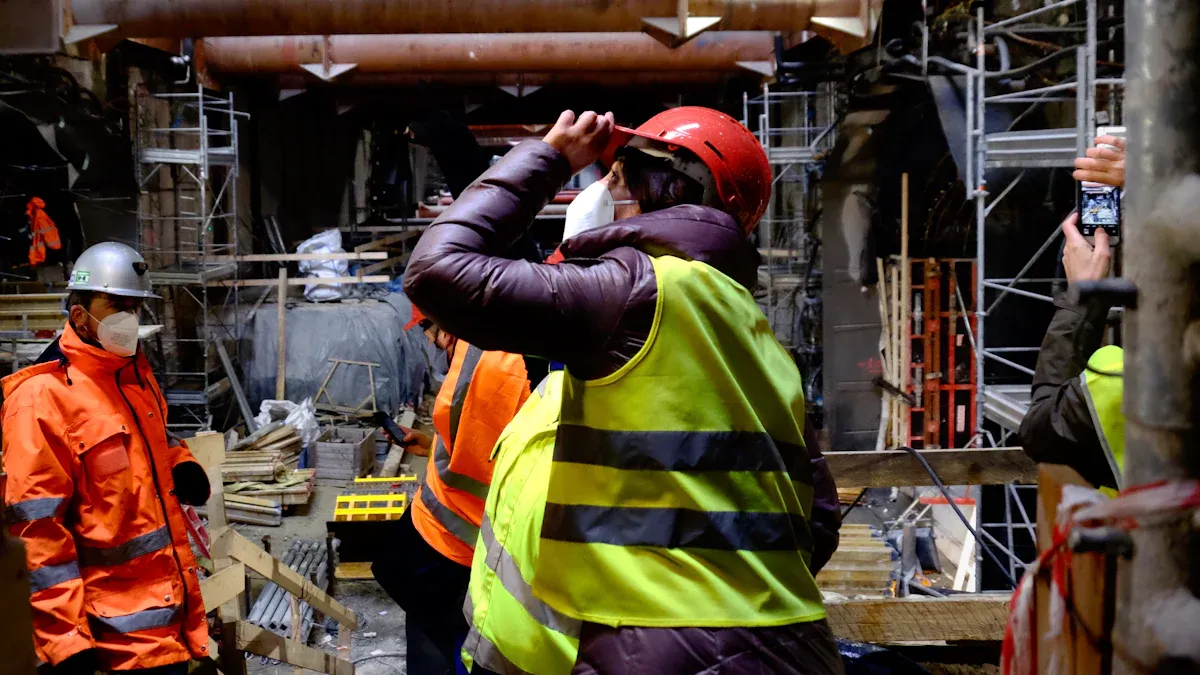
The Horizontal Drill 800T Force Prevents Failures by delivering exceptional power and stability, effectively mitigating common drilling problems. This robust performance is crucial for tackling the demands of modern horizontal directional drilling. This CEGC technology is essential for avoiding costly job mistakes and preventing project delays.
Key Takeaways
-
The 800T horizontal drill is very strong. It stops drilling problems. It helps tools last longer.
-
This powerful drill works well in hard ground. It handles broken rock and mixed dirt. This helps projects finish on time.
-
The 800T drill makes work better. It helps manage drilling fluids. This keeps projects safe and follows nature rules.
Superior torque control is very important. It stops tools from wearing out. It makes tools last longer. It does this by making less shaking. It also keeps the twisting force steady. This helps drill better. Workers can watch how much the twisting force changes. This helps them see problems early. Checking drill parts often helps see if oil is working well. This information helps make things better. It can mean changing oils or getting better parts. These steps make the machine work longer between fixes. The machine works well. It gives steady power. This stops sudden jolts to the system. This protection greatly reduces wear on drill bits. It also helps other parts. It makes the equipment last longer. This helps the horizontal drill 800T force prevents failures. It stops problems with broken equipment. It also stops work from stopping.
800T Force: Essential for 2026 Drilling Success
Meeting Complex Project Demands
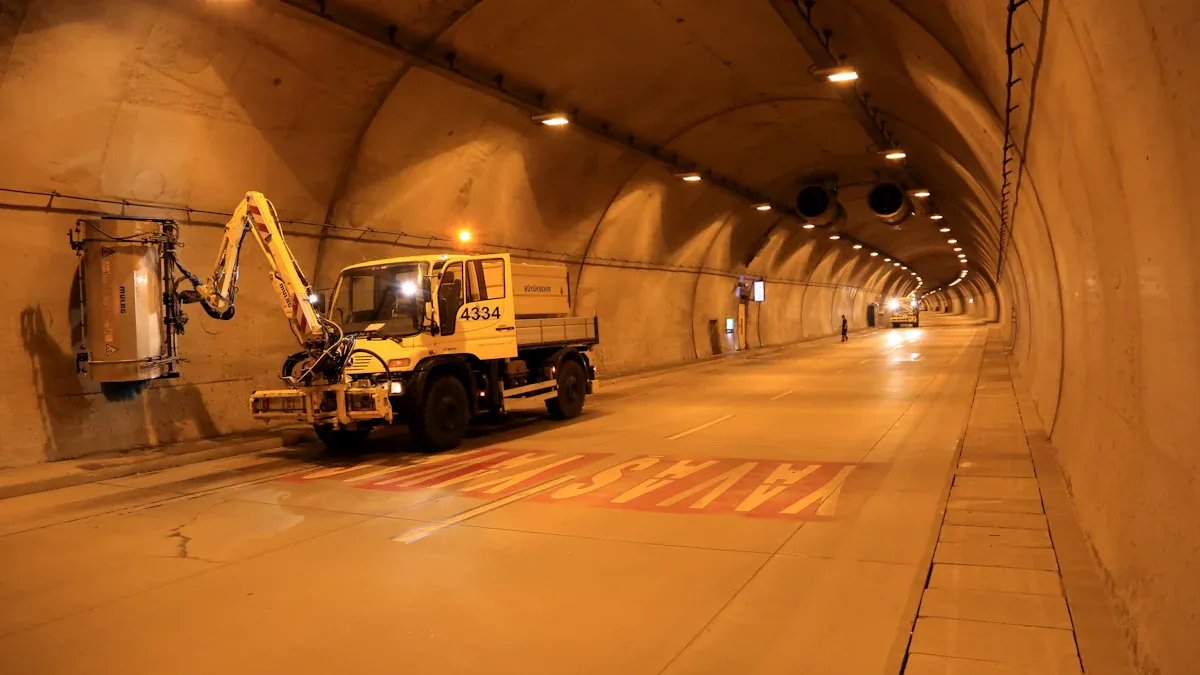
Future drilling needs strong tools. Projects are getting harder. They have longer holes. Rules for nature are strict. An 800T drill is key. It gives power. It gives control. Drilling in tough ground is hard. Ignoring ground causes problems. Tools can break. Holes can be shaky. Delays happen. Safety risks increase. Costs go up.
Broken rock is very tough. It has cracks. It has holes. It has weak spots. Rock can fall apart. Tools can act weird. Keeping the hole steady is key. Hard rock is hard to drill. Granite is an example. Basalt is another. It slows drilling. Mixed ground is also hard. It has different layers. Tools can break. Loose dirt falls apart. Sand is an example. Silt is another. It needs strong support. It needs good fluid control. Hidden rocks cause surprises. They can break drills. They change the path. They slow work. Shaky dirt causes cave-ins. It is loose or wet. This causes delays. It causes safety issues. Hard rock slows projects. It stresses machines. This causes wear. Water in the hole causes delays. It harms nature. It causes safety problems. It makes dirt shaky. The 800T force helps here. It gives needed strength. It works well always. Even in tough spots.
Optimizing Efficiency and Reducing Downtime
The 800T force helps work better. It cuts down on idle time. This strong machine helps projects. It stops sudden halts. Fixing machines on time is key. It keeps them running. Changing crews helps too. Workers stay fresh. Better plans get stuff there. It arrives on time. Good risk plans use contracts. They have backup plans. These stop problems. High safety keeps workers safe. It stops costly crashes. Good service builds trust. Projects finish on time. They stay on budget. The 800T drill is strong. It helps these goals. It breaks down less. It lasts longer. This means fewer delays. It means more work.
Advanced Fluid Management for Compliance
Nature rules are getting strict. This is true for drilling fluids. In special places, rules stop dumping. Fluids cannot go into the sea. This is near coral reefs. It is near rare sea life. Old ways of dumping are not allowed. New systems are now needed. These include CTS. RMR® systems are another. They stop any dumping. This saves sea life. It checks well conditions.
States have their own waste rules. These can ask for pit liners. They ask for tank covers. Rules for waste sites are common. Fluid level rules exist. Permits for waste sites exist. These rules change by state. Texas likes to reuse waste. New Mexico wants closed systems. The EPA checks these rules.
New tech helps manage fluids. An online system checks fluids. It helps control fluid work. This system makes drilling safer. It makes it better. It checks fluid traits. It does it well. It does it alone. This is better than old ways. Tech like viscometers helps. They check fluid traits fast. MWD pressure helps. Ultrasound helps too. Big data helps. AI helps. They make fluids work best. They help drill fast. Experts made software. It works with rheometers. This system checks fluids fast. It measures things alone. It collects data. It finds mud traits. It guesses pressures. This helps make choices fast. Modern 800T machines help. They support these systems. This stops problems. It helps with rules. It helps with fluids.
The 800T horizontal drill force is a big change. It stops things from breaking. It gives power. It is exact. It is dependable. This meets hard drilling needs. This is for 2026 and later. CEGC's new machines make projects work. They stop expensive problems. Buying this strong equipment is smart. It helps for a long time.
FAQ
What is 800T force in horizontal drilling?
800T force means 800 tons. This is for pushing and pulling. This power helps drill. It goes through tough ground. It works very well.
How does 800T force prevent drilling failures?
This force gives great power. It also gives stability. It stops common problems. These include stuck pipes. It stops holes from caving in. It keeps things exact.
Which projects benefit most from 800T horizontal drills?
Hard projects get the most help. These have long holes. Or they have hard ground. These drills are good for big pipes. They are good for utility work. They work in tough spots.


