
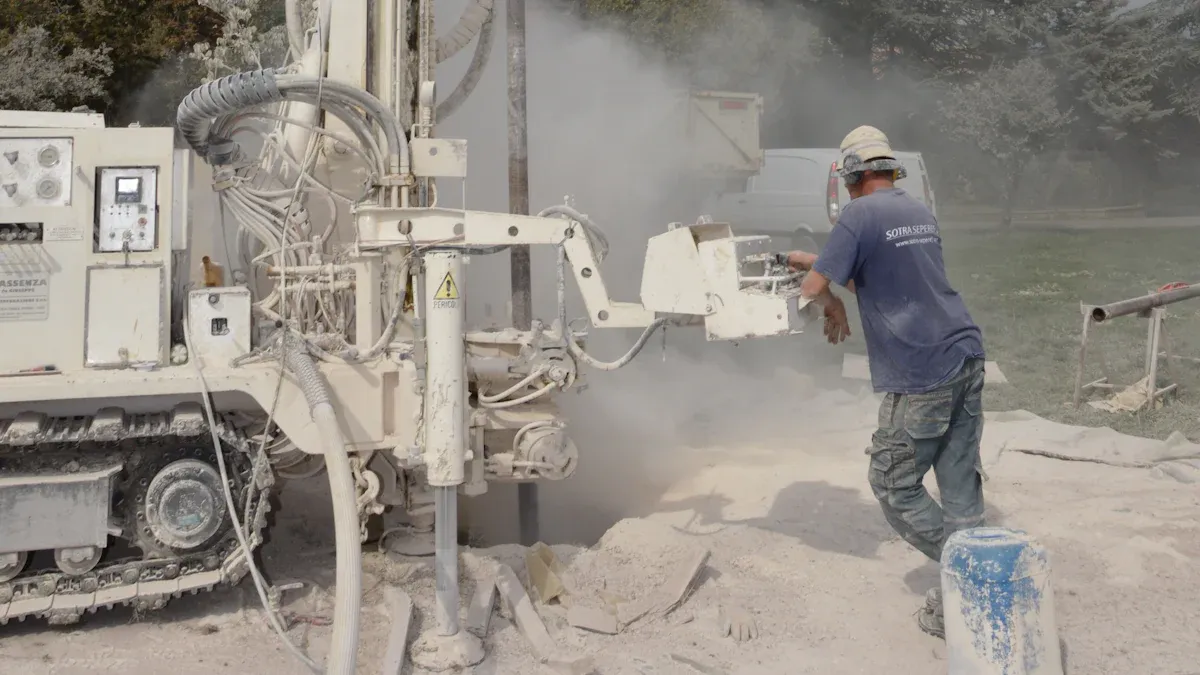
You stop drill rod breaking by taking care of hdd drill rods. You need to check them every day and store them well. This helps you keep the pipe from getting stuck or going off track. CEGC gives you standard specs and can change them for Trenchless Drilling Rig jobs. Workers deal with not enough help, worry about reliability, prices that change, and slowdowns from rules. Horizontal Drill Heavy Duty Rod Prevents Breaking if you use the right steps.
Key Takeaways
-
Inspect your HDD drill rods daily to catch cracks and wear early. This simple step helps prevent costly breaks and keeps your equipment safe.
-
Always lubricate the threads of your drill rods after use. Proper lubrication reduces friction and extends the life of your rods.
-
Store your drill rods correctly on strong racks, away from moisture and sunlight. Good storage practices protect your investment and reduce repair costs.
Causes of Drill Rod Failure
When you use hdd drill rods, many things can go wrong. These problems can make your job take longer and cost more money. The main reasons are too much shaking, too much turning force, tightening too hard, and water washing away coatings. You can see these reasons in the table below:
|
Cause |
Explanation |
|---|---|
|
Excessive vibration |
If the drilling is not steady or the equipment is not lined up, tiny cracks can form. These cracks get bigger and break the drill rod. |
|
High torque |
Turning the rod too hard can hurt the threads. This makes the hdd drill rods not last as long. |
|
Over-tightening |
Tightening the rod too much makes it weaker. This can cause the rod to break more easily. |
|
Water washout |
Drilling fluids can wash off the coatings that protect the rod. This can cause rust and make the drill rod break. |
Preventing Fatigue Failure
You can stop many problems by avoiding fatigue failure. Use rods with joints that are heat-treated to make them stronger. Always follow the torque rules to keep joints tight when the rod bends. Flexible rods in the middle help lower bending. Plan your drilling path and keep loads under half the rod’s strength. These steps help your hdd drill rods last longer.
Preventing Bending and Buckling
To stop bending and buckling, start with good hdd drill rods. Each company gives torque limits for their rods. Check the Drilling Data Handbook for how much load and bend the rods can take. Make sure the pipes are strong and put in right to avoid problems. These steps keep your rods safe from damage.
Thread Damage and Misalignment
To avoid thread damage, check threads, pins, and shoulders with a gauge. Make sure hdd drill rods stay straight so they do not get stuck. Turn the rods so they wear out evenly. Put grease on all the threads. Change the Saver Sub often and do not mix old and new pipes. Checking and fixing rods often helps you find problems early.
Poor Lubrication and Maintenance
If you do not use enough grease, tools can wear out and pipes can get stuck. Keep hdd drill rods greased to lower turning force and drag. Clean the hole well to stop pipes from getting stuck and slow drilling. Skipping checks or not greasing rods can cause breaks, rust, and thread damage. Fighting rust and doing regular checks keeps your hdd drill rods working well.
Horizontal Drill Heavy Duty Rod Prevents Breaking
Daily Inspection for HDD Drill Rods
Check your hdd drill rods every day before work. Look for cracks, bends, or worn threads. Use a flashlight to see inside the threads for rust or dirt. If you find damage, change the rod right away. Checking rods daily helps you find problems early. This keeps your rods strong. Doing this is one of the best ways to stay safe. Using good drill rods and checking them often lowers the chance of breaks. Good rod care starts with careful daily checks.
Lubrication and Thread Management
Lubrication and thread care are very important for hdd drill rods. Always clean the threads after you use them. Cleaning removes dirt and stops rust. When you connect rods, put on the right amount of grease. This lowers friction and helps the threads fit well. Check the threads often to find small problems early. Here are some important steps:
-
Clean the drill rod after use to stop thread damage.
-
Put grease on threads when connecting to lower friction.
-
Check the threads often to find problems early.
If you do these steps, your horizontal drill heavy duty rod is safer. Good rods and enough grease help your rods last longer and break less.
Storage and Protective Measures
Storing hdd drill rods the right way keeps them in good shape. Use strong racks and keep rods off the ground. Protect rods from rain, sun, and bad weather. Clean each rod before you store it. Taking care of rods helps them last longer and work better. Good storage also saves money by lowering repair costs and downtime.
|
Description |
|
|---|---|
|
Rotate Lead Rod |
Turn the lead rod in the rack often to lower wear. |
|
Lubricate Threads |
Put grease on each rod end to help them last longer. |
|
Visual Inspection |
Look at threads often to find wear. |
|
Use Thread Gauges |
Use thread gauges to find problems early. |
|
Monitor Components |
Check the drive chuck and sub saver for wear often. |
|
Remove Cuttings |
Take out cuttings from the bore to lower rod wear. |
When you store rods with care, your horizontal drill heavy duty rod is less likely to break. Good storage means better drilling and less downtime.
Operator Training and Best Practices
Operator skill is very important in horizontal directional drilling. Train your team to use the right drilling steps every time. Teach them how to handle rods and connect threads. Show them how to spot early signs of wear. Remind them to use the right torque and not force the rods. When your team knows what to do, your horizontal drill heavy duty rod breaks less. Training helps you avoid mistakes that can hurt rods or cause stuck pipe.
Customization and Technical Solutions
Every drilling job is different. Pick rods and machines that fit your project. CEGC gives you choices for your horizontal directional drilling machine. Their anti-stall powertrain and overload protection stop torque spikes and stuck pipe. The durability package gives you stronger rods and better wear resistance. CEGC’s head design helps you drill straight and avoid bore problems. Carbide cutters and smooth torque delivery lower tool wear and machine shaking. Using these solutions helps your horizontal drill heavy duty rod last longer and break less.
By doing these things—daily checks, lubrication, good storage, training, and using the right solutions—you keep your hdd drill rods strong. You get better results, spend less money, and drill safer every day.
You can stop drill rod failure by doing easy steps. Look at the table below for main ways to prevent problems:
|
Failure Type |
Prevention Method |
|---|---|
|
Fatigue |
Do not bend rods too much and watch the load. |
|
Twist |
Turn rods with care and do not spin them fast. |
|
Traction |
Pull with safe force and use the right grease. |
|
Compressing |
Do not push too hard and keep rods straight. |
|
Corrosion |
Use things that stop rust and strong materials. |
|
Wear |
Use protectors, centralizers, and check for damage. |
Checking rods often and handling them right helps stop failure. New horizontal directional drilling machines let you finish jobs faster and safer. Use smart steps and CEGC’s help for better results.
FAQ
How often should you inspect HDD drill rods?
You should inspect your drill rods every day before use. Look for cracks, bends, or worn threads to keep your equipment safe.
What is the best way to store drill rods?
Store rods on strong racks. Keep them off the ground and away from rain or sun. Clean rods before storage to prevent rust.
Can you use CEGC rods with other directional drilling machines?
Yes, you can use CEGC rods with most horizontal directional drilling machines. Check the rod size and thread type for a proper fit.


