
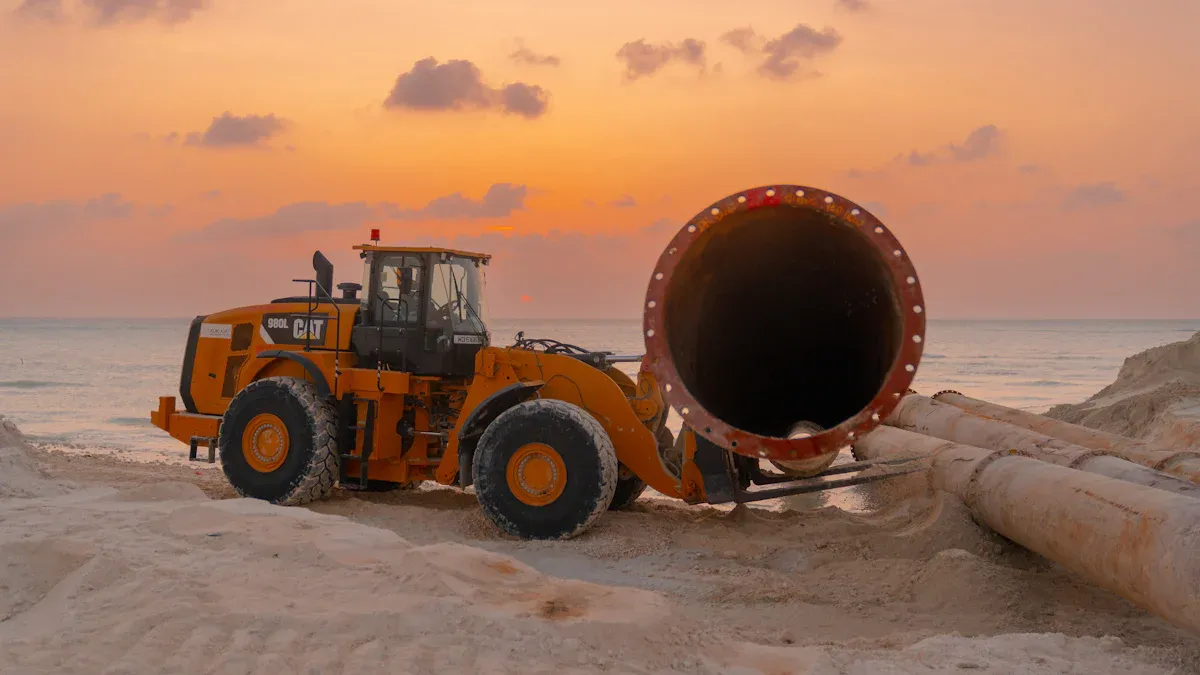
Project schedules are critical in trenchless construction, where delays incur significant financial penalties and reputational damage. Unexpected underground obstacles and complex logistical challenges frequently cause these setbacks. Horizontal Pipe Boring is a crucial trenchless method, and robust torque is essential for efficiency. A substantial 35000Nm Torque Cuts Delays significantly, a capability delivered by CEGC machines. This powerful torque ensures project reliability and smooth operations, effectively minimizing delays.
Key Takeaways
-
Big twisting power, like 35000Nm, makes horizontal pipe boring quicker and more dependable. It helps drill through hard dirt fast.
-
Strong twisting power stops project hold-ups. It makes drilling quicker. It makes holes bigger. It pulls pipes easily into place.
-
Using machines with big twisting power saves cash. It makes projects safer. It stops machines from breaking. It helps finish on time.
Horizontal Pipe Boring: Torque's Critical Role
What is Horizontal Pipe Boring: A Trenchless Method
Horizontal pipe boring is a trenchless method. It puts pipes, conduits, and cables underground. This method avoids digging open trenches. It causes less mess on the surface. It is great for going under roads and rivers. It is also good for sensitive areas. This is a very exact way to dig. It uses a special drill path. This method is less invasive.
Torque's Impact on Drilling Efficiency and Project Success
Torque is very important for drilling. It is the twisting force on the drill. This force helps the drill cut through dirt and rocks. Enough torque pushes through hard ground. It keeps the boring going. A boring machine needs strong torque. When the drill spins at the same speed, faster digging needs more torque. If digging speed stays the same, faster spinning means less torque. More digging speed and torque are linked. This is true when drilling in steady rock. So, more torque means faster boring. It makes each bore quicker. High torque stops project delays. It makes digging more effective. This power is key for any digging job.
35000Nm Torque: Cutting Project Delays
Strong torque helps fix common project delays. A horizontal pipe boring 35000Nm torque cuts delays. It gives needed power. This power keeps work moving. It stops things from slowing down. It makes all parts of a trenchless project work well.
Accelerating Pilot Boring and Maintaining Accuracy
High torque makes pilot boring much faster. The 35000Nm of turning force helps the drill head. It goes through different ground fast. This includes packed dirt, gravel, and soft rock. Faster drilling means the pilot bore finishes early. This speed does not hurt how exact it is. Good guidance systems work well with high torque. They keep the drill path on target. This stops expensive mistakes and redoing work. Delays at the start, from slow drilling or wrong paths, happen less. This makes trenchless boring more dependable.
Efficient Reaming and Hole Enlargement in Tough Conditions
Making the hole bigger can be hard. Tough ground can slow this down. But 35000Nm torque gives plenty of power. It makes reaming easy. Reamers cut through thick clay, rocks, and stones easily. This strong force makes the hole the right size fast. It works for both small and large diameter lines. The machine keeps going steadily. This is true even with surprises. This stops delays from hard reaming. It makes the trenchless path ready for the pipe. This power is key for large-diameter bores.
Smooth Product Pullback for Faster Installation
The last step is pulling the pipe back. High torque helps a lot here too. Pulling heavy pipes through a new hole needs much force. A 35000Nm torque machine gives this power. It is smooth and steady. It lowers the chance of the pipe getting stuck. Stuck pipes cause big delays. They can also harm the product. The machine's controlled power puts less stress on the pipe. This makes installation of pipes safe and fast. Smooth pulling means the whole trenchless boring job finishes quicker. This helps meet project deadlines. The whole trenchless work gets much better.
Technical Solutions for Common Trenchless Challenges
Horizontal directional drilling machines with high torque offer special ways to fix problems. These solutions help with common issues in trenchless building. A machine with 35000Nm torque helps solve many problems. It makes work smoother. It also leads to better results.
Preventing Bore Deviation with Precision Guidance Systems
Drilling off course causes big problems. It means doing work again. It also costs money. Going under roads or rivers needs great accuracy. Special guidance systems stop these issues. They use controlled power. This system manages pushing, pulling, turning, and feeding. Strong frames and aligned parts also lessen shaking. This stops the machine from going off track. These features keep the drill on target. They make the trenchless boring method more trustworthy. This accuracy saves time. It saves money on any project. It makes sure the trenchless boring path is right the first time.
Mitigating Stuck Pipe and Downtime with Anti-Stall Powertrain
Pipes getting stuck cause big delays. They also cost a lot. Many things make this problem happen.
-
Differential Sticking: Pressure pushes the drill pipe against the hole wall.
-
Pack-off: Dirt or loose material builds up around the drill pipe.
-
Wellbore Instability: The ground collapses or swells. This traps the drill pipe.
-
Keyseating: The drill pipe cuts a groove in the hole. This traps bigger parts.
-
Junk in the Hole: Trash blocks the drill pipe's movement.
Differential sticking often happens. This is when mud gets heavier. This controls deeper, higher-pressure ground. The drill pipe gets pushed against the hole face. Key seating is also common. This is in angled holes. The drill pipe wears a groove. This traps larger parts. Unstable ground can cause cave-ins. This severely sticks the pipe.
High torque with many speeds helps stop these issues. Hydraulic load sensing is also key. Pressure management helps too. Controlled starting and stopping reduce sudden jolts. This protects rods and tools. This anti-stall system stops sudden torque increases. It protects rods, threads, and tools from damage. This ensures steady daily work. This is true even in hard ground. These features keep drilling machines working well. They make trenchless work more effective. This lowers the risk of stuck pipe. It reduces costly downtime in trenchless boring.
Optimizing Tooling and Reducing Wear for Cost-Effective Projects
High costs for parts and tool wear increase project expenses. Fast wear of reamers or cutters raises the cost per meter. Wrong tools cause bad hole cleaning. It can also lead to too-small holes. Changing tools often means less machine use. Better tool design and material choice fix these problems.
Making drilling better aims for efficiency. It also aims for lower costs. High daily machine costs mean small time savings are valuable. Choosing the right drill bit is very important. Thousands of drill bit designs exist. Each one fits certain situations. Small design changes can affect costs. Knowing drill bit design is crucial. Knowing drilling goals is also crucial.
Better tools help in many ways:
-
Rate of Penetration (ROP): Faster ROP means quicker drilling. This saves machine time. In rough ground, more blades on PDC bits protect cutters. This keeps ROP high.
-
Minimizing BHA Damage through Downhole Vibrations: Better tools stop drill string twisting. These events are expensive. They lead to costly repairs and delays.
The right tool choices greatly affect cost-effectiveness:
|
Tooling Aspect |
Design/Material Contribution |
Cost-Effectiveness Impact |
|---|---|---|
|
Bit Selection (PDC/TCI) |
Matching cutter technology. Optimizing cutter geometry. |
Higher ROP. Longer bit life. Less circulating time (10-30%). Lower fluid volumes. Less fuel. |
|
Reamer Geometry |
Optimized flute geometry. Effective cuttings evacuation. |
Less recirculation. Reduced risk of balling. Shorter hole conditioning. Reduced cuttings mass. |
|
Hydraulics (Nozzle Sizing/Placement) |
Optimized nozzle sizing. Oriented jets shear cuttings. |
Reduced total pumped volume (15-40%). Lower water use. Less mud additive needs. Less fuel. |
|
Tool Life/Single Pass Capability |
Tools extend life. Achieve goals in one pass. |
Fewer pipe trips. Big fuel savings. Reduced site disturbances. |
Smoother torque delivery reduces shaking. It also reduces uneven wear. Easy access for service allows faster upkeep. This lowers part costs. It maximizes use of drilling machines. This method makes trenchless excavation cheaper. It keeps the trenchless work within budget.
Enhancing Fluid Management to Prevent Frac-Out Risk
Bad fluid management causes several dangers. These include frac-outs. This is from high pressure underground. Stuck pipe or tools can happen. This is from hole collapse. Bad hole cleaning also causes issues. Slow drilling rates are common. Bit balling is common. String torque is common. Too much wear on drilling machines happens. High mud disposal costs come from thick mud.
Advanced fluid management systems stop frac-out risk. They keep the bore stable. Fluid rheology is very important. It includes thickness, yield point, and gel strength. These properties keep the wellbore stable. They create hydrostatic pressure. They carry cuttings. They lubricate the drill bit. Real-time monitoring systems check fluid numbers. This allows quick changes.
Special drilling fluid solutions reduce wasted time. They make the wellbore more stable. Non-aqueous fluid systems offer better lubrication. They offer better stability. They suit tough conditions. They suit complex trenchless boring method projects. These fluids reduce rubbing. This is between the drill string and the wellbore. This makes operations better. It reduces wear and tear. This is on equipment in high-torque work. Nanotechnology solutions also make wellbores more stable. They reduce fluid loss. Proper mud use helps. Pump sizing helps. Ready circulation paths help. This supports high-torque work. This is vital for large-diameter bores. It ensures bore stability. This is for any horizontal directional drilling project. Good fluid management also makes logistics easier. This is for trenchless excavation. It makes the whole trenchless process safer. It makes it more efficient.
Selecting Horizontal Directional Drilling Machines for Your Project
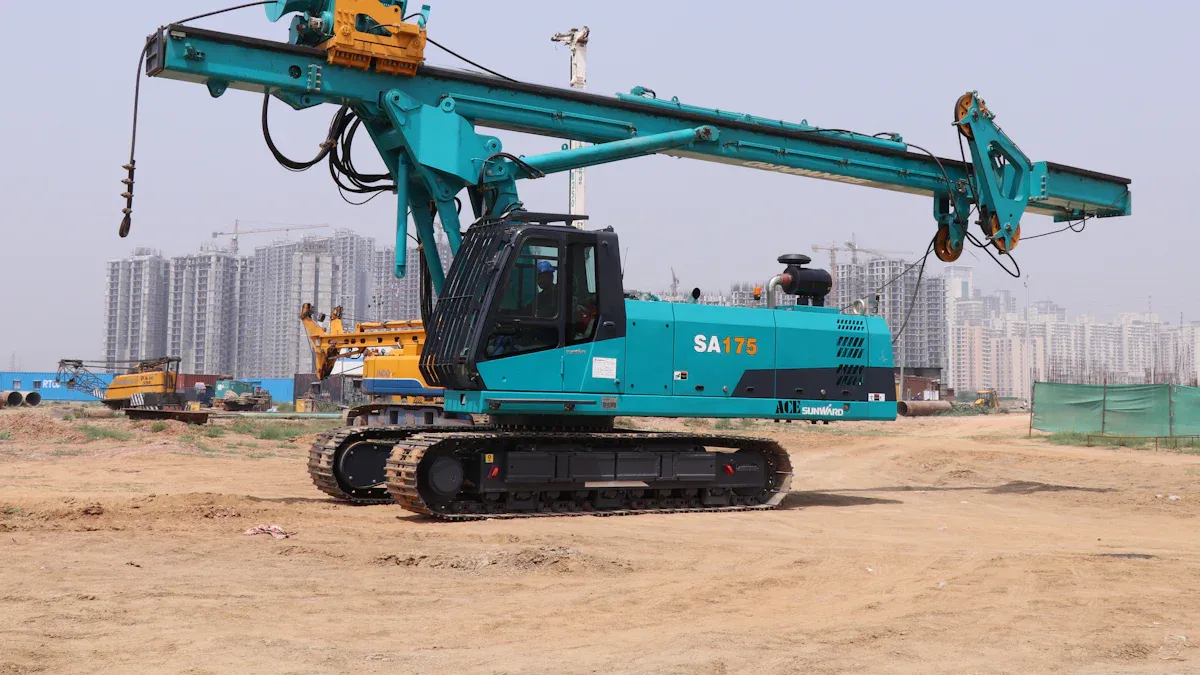
Matching Machine Capacity to Bore Specifications and Ground Conditions
Picking the right horizontal directional drilling machines is important. It is key for any project. You must match the machine to the job. It needs to fit the ground. A trenchless boring machine with 35000Nm torque is strong. It handles hard jobs. This torque is good for rivers. It works for channels. It works for roads. It works for railways. It works for airports. It works for coasts. It works for islands. It works for mountains. It is also good for rainforests. It is good where digging is not allowed. This includes busy buildings. It includes old cultural sites.
|
Specification |
Value |
|---|---|
|
Wrench design |
Open-top style |
|
Clamp/grip range |
60 - 130 mm |
|
Max breakout torque |
35000 Nm |
|
Max makeup force |
350 KN |
A horizontal directional drill needs strong torque. This is for bigger pipes. Michael says bigger pipes need more torque. This is for connections. This means you need a bigger drill rig. A machine can only push the drill stem so far. Distance changes fluid delivery. It changes rotational torque. So, you need a machine with more power. This is for larger drill pipe. Drill pipe size and torque are linked. Enough torque is vital. It spins the drill stem. It makes connections. Wrong torquing can harm threads. It can risk trenchless boring efforts. Many trenchless excavation projects fail. This is due to not enough cutterhead torque. This shows why these details are important. They are for good trenchless boring method projects.
Key Features for High-Torque Trenchless Drilling Rigs
Strong trenchless drilling rigs need special parts. Load-matched control is one part. This system has a three-speed gearbox. It lets workers match speed to bit size. It matches speed to material. It makes torque best for different hole sizes. It gives most torque for big holes. It works for concrete. This makes drilling better. It makes bits last longer. Strong frames are another key part. These frames are tough aluminum. They give great stability. They give precision during trenchless boring. This makes trenchless excavation exact. It makes it safe. It lessens shaking. It keeps the hole straight. These parts make drilling machines work better.
The CEGC Advantage in High-Performance Drill Rigs
CEGC has great drilling machines. They give the power needed. This is for tough trenchless projects. They make trenchless boring method work well. They make it reliable. CEGC's drilling machinery helps you reach goals.
Maximizing Project Success with High-Torque Operations
Boosting Productivity and Meeting Project Deadlines
High torque makes work faster. Machines with 35000Nm torque finish jobs quicker. They move through tough ground fast. This speed helps teams meet deadlines. Faster pilot boring and reaming save time. Smooth pipe pulling also speeds up setup. This steady work keeps boring on time. So, 35000Nm torque cuts delays. It makes every project better.
Achieving Cost Savings Through Efficiency and Durability
Strong machines save money. Good equipment lasts a long time. This means fewer work stops. Well-made machines break down less. They cost less to own. Machines with good parts last longer. They work better and are safer. Bad equipment often breaks. It causes project delays. Cheap tools cost more later. Good machines save money over time. They have lower running costs. They last longer. Steady torque also stops big breakdowns. This saves money on fixes.
Enhancing Operational Control and Safety Standards
New controls in strong machines make them safer. Systems use smart motor control. This makes every turn exact. A digital twin watches things live. Its strong control unit works well. It stops downtime. Strong machines also make work safer. They need less human help. They change fast spins to slow, strong turns. This moves heavy things. A strong brake stops loads from falling. This makes boring very safe. It keeps people from danger. Auto systems stop tired mistakes. They do the same jobs well. This lowers injuries at work.
Buying a trenchless boring machine with horizontal pipe boring 35000Nm torque cuts delays. This is a smart choice for any contractor. It helps projects succeed. Strong torque makes every trenchless step better. It works well. It saves money. An experienced trenchless boring contractor knows this. Other experienced trenchless boring contractor will also see the good. For your next horizontal directional drilling job, look at CEGC horizontal directional drilling machines. This horizontal directional drill makes horizontal work strong.
FAQ
What is horizontal pipe boring?
This is a way to put pipes under the ground. It does not dig open ditches. It keeps the surface neat.
Why is 35000Nm torque important?
This strong twisting force helps drill through hard dirt, making drilling efficient and preventing project slowdowns.
How does high torque prevent delays?
Strong twisting force accelerates drilling, facilitates hole enlargement, and ensures smooth pipe pulling, which keeps projects on schedule. 🚀


