
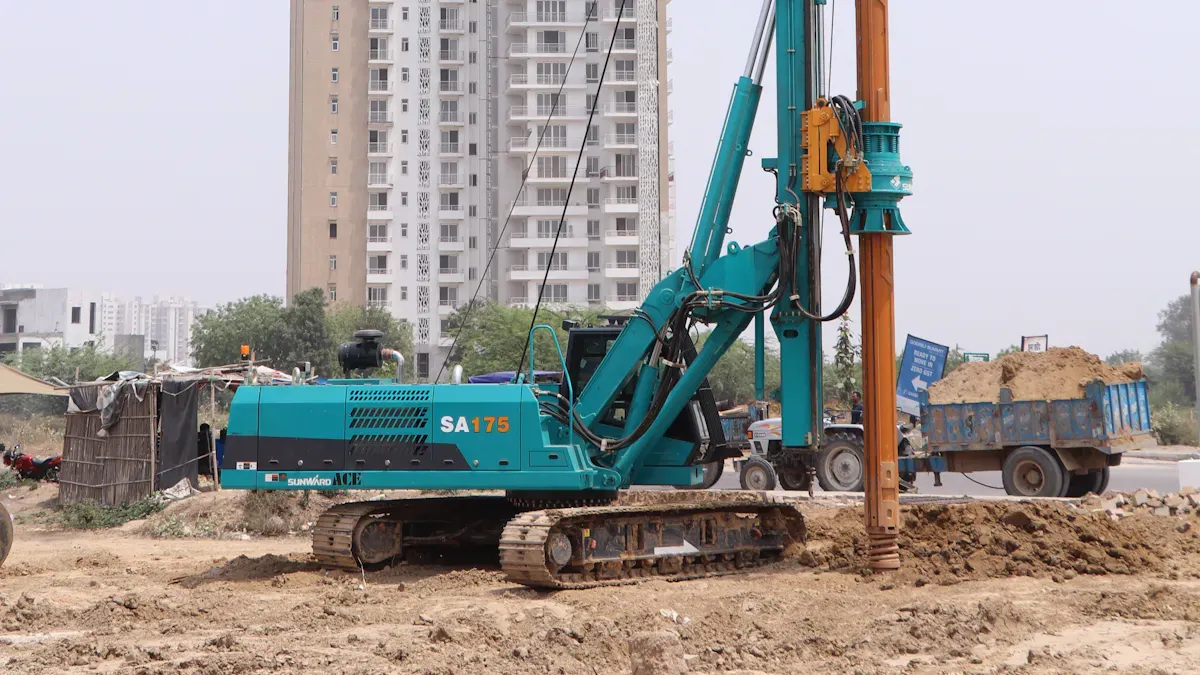
Hydraulic static pile driver 1400kN power uses hydraulic pressure. It pushes piles into the ground with steady force. The machine works quietly. CEGC makes construction machines with counterweights. Counterweights help keep the machine stable. This machine is very accurate. It is also good for the environment. The table shows how loud each method is:
|
Method |
Noise Level (dB) |
Comparison to Hydraulic Static Driver |
|---|---|---|
|
Hydraulic Static |
X dB |
Baseline |
|
Vibro Hammer |
X+20 dB |
20 dB louder than Hydraulic Static |
|
Pile Hammer |
X+30 dB |
30 dB louder than Hydraulic Static |
Key Takeaways
-
Hydraulic static pile drivers push piles into the ground with steady force. They are quieter and safer than older methods. Operators can change the hydraulic pressure for different soil types. This helps protect the pile and the area around it. Counterweights make the machine more stable. This lets piles go deeper without tipping over. It is very helpful in cities.
Engineering Principles of Hydraulic Static Pile Driver 1400kN Power
Hydraulic Pressure and Power Transmission
Hydraulic static pile driver 1400kN power uses hydraulic pressure to push piles down. The system makes force by moving oil with strong pumps and valves. The oil moves pistons that press on the pile. The pressure stays the same while driving piles. Hydraulic pile drivers can control force very well. Operators can change the pressure for different soil types. This helps stop damage to the pile and ground. Hydraulic pile drivers are quiet and do not shake the area. They use steady pressure, not sudden hits. This is not like dynamic pile drivers, which use hard blows to drive piles.
Static Load and Continuous Force
Static pile driver machines use steady force to press piles into the soil. They do not hit or shake the pile. They use a steady load instead. This way has many good points over dynamic pile drivers. Steady static load gives better and more exact results. Engineers can check the pile’s strength better with static load. The table below shows how static and dynamic ways compare:
|
Advantage |
Description |
|---|---|
|
Reliability |
Continuous static load testing gives a more reliable measure of bearing strength and load behavior than dynamic ways. |
|
Accuracy |
Dynamic impact ways can be less exact and may cause mistakes in pile strength. |
|
Assurance |
Static load tests cost more but give design teams confidence about safety and load strength. |
Steady force also stops sudden shocks. This keeps the pile and soil safe. Pile driving with static load makes less noise and shaking. It is safer for workers and buildings nearby. Many engineers pick static pile driver machines for city jobs or sensitive places.
Weight and Counterweight Application
Hydraulic static pile driver 1400kN power uses its own weight and extra counterweights to push down harder. The machine sits right on top of the pile. Heavy counterweights balance the force and keep it steady. This lets the machine push piles deep without moving or tipping. Using machine weight and counterweight in hydraulic pile drivers makes straight-down pressure. This way is steadier and easier to control than old impact ways. It causes less harm to the pile and the area around it. Operators can add or take away counterweights for each job. This makes pile driving faster and more exact.
Tip: Using counterweights helps the machine stay steady, even on soft or bumpy ground.
Hydraulic static pile driver 1400kN power uses hydraulic pressure, steady force, and smart use of weight. These ideas make it a strong choice for today’s pile driving.
Key Components of Static Pile Driver
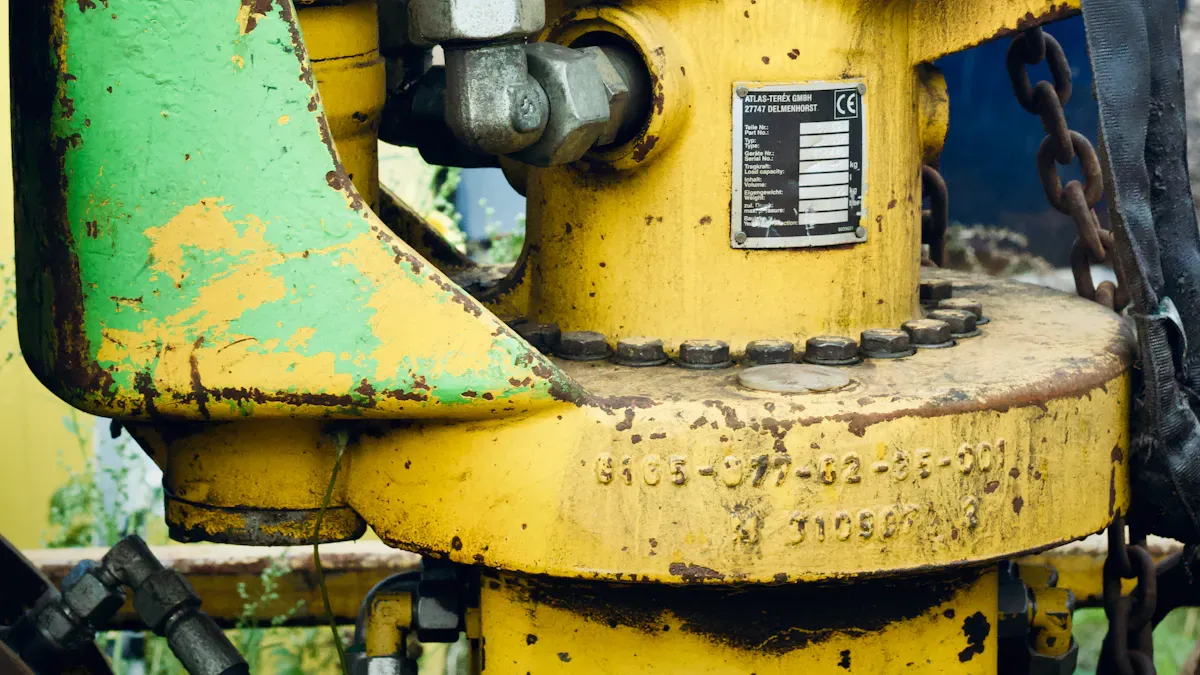
Hydraulic System: Pumps and Valves
The hydraulic system is the most important part of the pile driver. It uses pumps to move oil with high pressure. The oil goes through control valves. These valves let the operator change force and speed. The hydraulic pump gives power to push piles into the ground. A variable displacement pump can change how much oil it moves. This helps save energy. Precision control valves help set the right force for each pile. The system also has an accumulator. The accumulator stores energy for fast use. Emergency relief systems keep the machine safe. They lower pressure if it gets too high.
|
Component |
Function |
|---|---|
|
Hydraulic Pump |
Makes pressurized oil to power the pile driver. |
|
Variable Displacement Pump |
Changes oil flow to match the job, saving fuel. |
|
Precision Control Valves |
Adjust force and speed for each pile. |
|
Accumulator |
Stores energy for fast release. |
|
Emergency Relief System |
Keeps the system safe by lowering pressure if needed. |
Clamping Mechanism and Frame
The clamping mechanism holds the pile steady when it is being put in. It uses hydraulic pressure to grip the pile very tightly. Sometimes it can hold with up to 500 tons of force. The clamp can let go and grab new piles quickly. This helps the work go faster. Automatic alignment lets the clamp fit piles of different sizes and shapes. The frame holds the clamp and guides the pile straight down. This keeps the pile in the right place. It also protects thin-wall piles from getting hurt.
|
Feature |
Description |
|---|---|
|
Uses hydraulic pressure to grip piles tightly. |
|
|
Quick-Release |
Changes piles in 30-60 seconds for fast work. |
|
Automatic Alignment |
Adjusts to different pile sizes and keeps piles straight. |
|
Reliability |
Prevents damage and keeps piles stable during driving. |
Note: The hydraulic clamp is very important for keeping piles safe and steady the whole time.
Monitoring and Control Systems
The monitoring and control systems help operators check and change the machine as they work. These systems show important numbers like hydraulic pressure and machine status. Operators can change settings for different soil or foundation needs. The system gives warnings if something is wrong. This helps stop damage. Modular design makes it easy to swap or upgrade parts. This keeps the static pile driver working well for a long time.
-
Real-time feedback helps operators make quick choices.
-
Safety features protect the machine and the foundation.
-
Easy upgrades keep the system new and dependable.
Hydraulic pile drivers use these smart systems and strong clamps to put in piles very accurately. Each part works together to make a safe and strong foundation.
Force Control and Safety in Static Pile Drivers
Force Adjustment and Soil Adaptation
Operators can change the force of the hydraulic static pile driver. They do this to match different types of soil. The machine has sensors that check how hard the soil is. The control system lets operators change the hydraulic pressure. This helps the machine work in soft clay, hard sand, or mixed soils. The machine does not use too much force. Too much force can hurt the pile or the ground. Operators use a simple panel to set the right force. The pile driver can quickly adjust to new ground conditions.
Tip: Operators look at soil reports before they start. This helps them pick the best force for each job.
Load Transfer and Safety Features
Hydraulic static pile drivers move the load safely from the machine to the pile. The frame and clamps hold the pile in place. Safety features keep workers and the machine safe. The machine has emergency stop buttons. Sensors watch for too much force or mistakes. The system will stop if it finds a problem. Operators follow safety rules to stop accidents. The table below lists common safety features:
|
Safety Feature |
Purpose |
|---|---|
|
Emergency Stop Button |
Stops the machine quickly |
|
Overload Sensor |
Detects too much force |
|
Automatic Shutdown |
Prevents damage or injury |
|
Warning Lights |
Alerts operators to problems |
Precision in Pile Installation
Hydraulic static pile drivers put piles in the ground very accurately. The clamps keep the piles straight. The control system helps guide the pile to the right spot. Operators use real-time feedback to check if the pile is lined up. The machine puts piles within a few millimeters of the target. Accurate work helps make strong foundations. Engineers use hydraulic static pile drivers when they need piles in the exact place.
Note: Being precise helps avoid mistakes and saves time when building.
Advantages Over Traditional Pile Drivers
Noise and Vibration Reduction
Hydraulic pile drivers are much quieter than dynamic pile drivers. They use hydraulic pressure, not hammering, so there is less noise. There is also less shaking at the work site. Many teams pick static pile drivers for city jobs. These machines help protect buildings close by. They also lower complaints from people living nearby. Here are some main benefits:
-
Hydraulic systems can cut noise pollution in half.
-
These machines are quiet and make very little vibration.
-
Less vibration means old or weak buildings are safer.
Note: Lower noise and vibration keep workers and neighbors safe and happy.
Efficiency and Environmental Benefits
Hydraulic pile drivers are efficient and good for the environment. They use energy well and finish jobs faster than dynamic pile drivers. The table below shows how they compare:
|
Feature |
Hydraulic Pile Drivers |
Diesel/Impact Pile Drivers |
|---|---|---|
|
Emissions |
Lower |
Higher |
|
Noise Levels |
Reduced |
Higher |
|
Control over Driving Force |
Precise |
Less precise |
|
Risk of Pile Damage |
Minimal |
Higher |
|
Soil Disturbance |
Minimal |
Significant |
Modern hydraulic pile drivers, like the 1400kN model, save up to 30% more energy. This means faster work and lower costs. Teams can get more done with these machines.
Urban and Sensitive Site Suitability
Static pile drivers are great for cities and special places. They do not shake the ground as much as dynamic pile drivers. Their quiet work and low vibration are good for hospitals, schools, and old buildings. Many engineers use static pile drivers when safety and accuracy are important.
Tip: Using static pile drivers helps the environment and keeps city life calm.
Applications and Performance of Static Pile Drivers
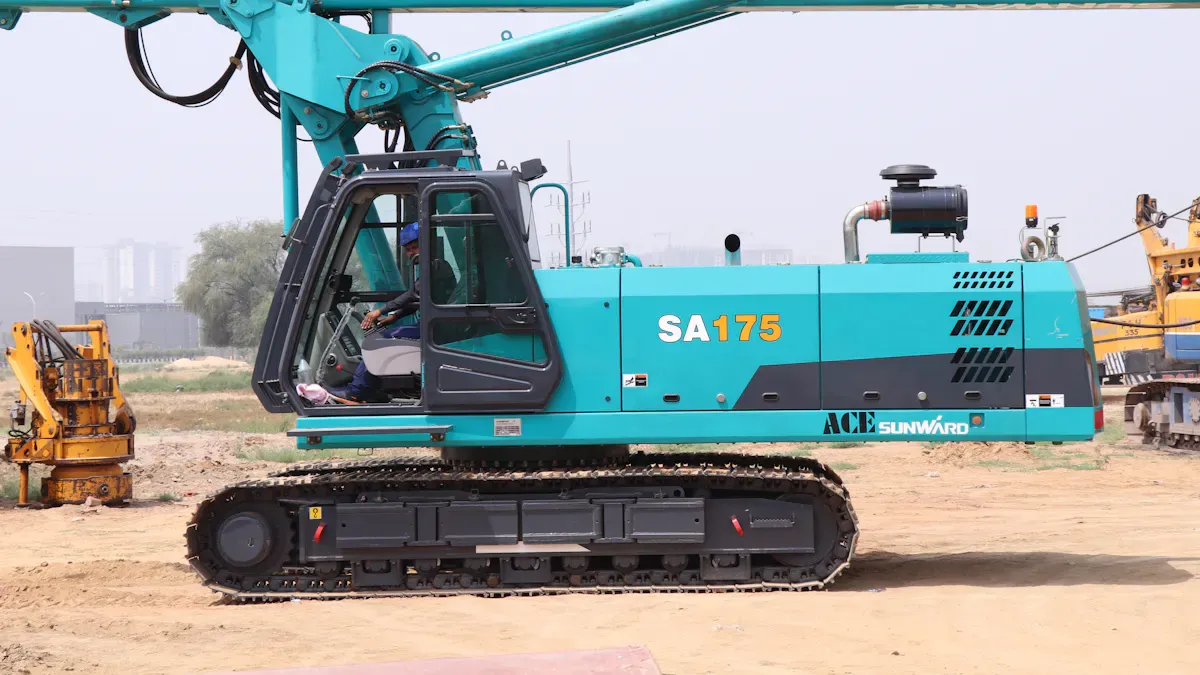
Typical Use Cases
Static pile drivers are used in many building jobs. They help make strong bases for tall buildings and bridges. Factories also use them for their foundations. Engineers pick static pile drivers for city projects. These machines are good near hospitals and schools. They do not make much noise or shake the ground. This keeps nearby buildings safe. Static pile drivers work well in places with soft soil. They can put piles in the right spot every time. This is important for safe and steady buildings.
-
City building jobs
-
Sensitive places like hospitals and schools
-
Bridges and overpasses
-
Factories and plants
-
Places with weak or soft soil
Static pile drivers help make safe bases for many buildings.
Performance Metrics
Engineers have different ways to check how well static pile drivers work. They see how quickly piles go in and how strong the base is. Hydraulic static pile drivers can put in piles fast. They also work very well. This helps finish building faster, especially in busy cities.
-
High work efficiency
-
Less building time in cities
The table below shows how testing methods check pile strength with static pile drivers:
|
Testing Method |
Bearing Capacity (kN) |
Safety Factor |
Adjusted Capacity (kN) |
Percentage of SLT Value |
|---|---|---|---|---|
|
Static Load Test (SLT) |
1400 |
1.2 |
1167 |
100% |
|
Cone Penetration Test (CPT) |
930 |
1.25 |
744 |
63.8% |
|
Dynamic Load Test (PDA) |
1799 |
1.4 |
1285 |
110% |
Static pile drivers put piles in the right place and give strong support. They let workers control the job better than dynamic pile drivers. This helps keep every building safe and steady.
Hydraulic static pile driver 1400kN power uses smart design and strong parts. It works safely, quietly, and very accurately. Builders pick this machine for better results. It also causes less harm to nature.
|
Benefit |
Description |
|---|---|
|
It is more exact than old ways. |
|
|
Reduced Environmental Impact |
It makes less noise and shaking, so it is good for cities. |
|
Improved Safety |
There are fewer accidents from big impacts. |
|
Increased Efficiency |
It works faster and costs less money. |
Hydraulic static pile driver 1400kN power helps make building safer for the future.
FAQ
What does "1400kN power" mean for a pile driver?
"1400kN power" means the machine can push with a force of 1,400 kilonewtons. This strong force helps drive piles deep into the ground.
Can a hydraulic static pile driver work in all soil types?
They work well in many soils, like clay, sand, and mixed ground. Operators adjust the force to match the soil for best results.
Why do engineers choose static pile drivers for city projects?
Engineers pick static pile drivers because they make less noise and vibration. These machines protect nearby buildings and keep city life calm.


