
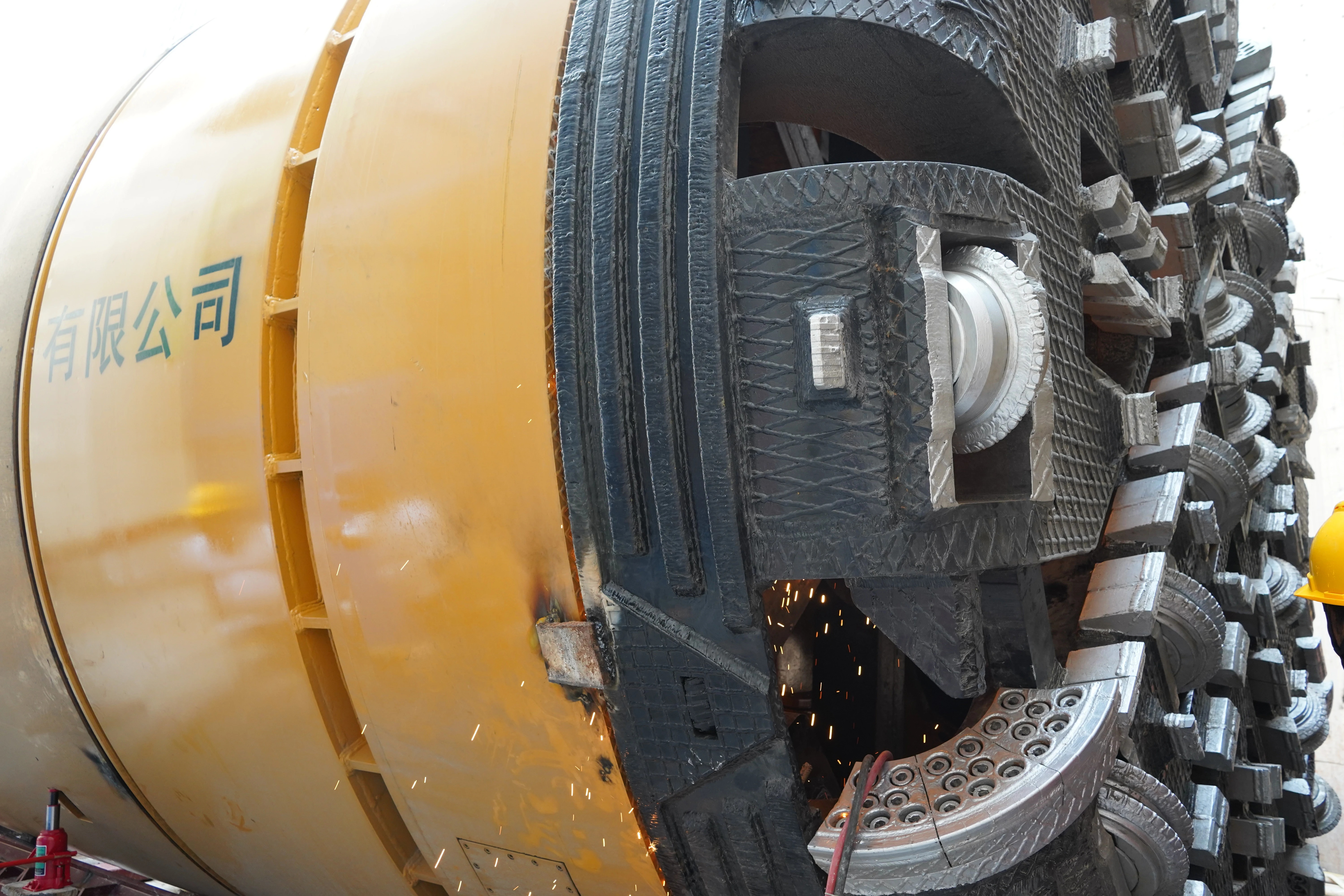
In micro tunneling, you need to control pressure. This keeps your tunnel machine safe and working well. Pressure drift is when the pressure at the tunnel face changes by accident. Inflow risk is when water or soil gets into the tunnel because of pressure drift. CEGC helps you pick the right machine for your ground.
Tip: Always check your ground conditions before you pick a tunnel machine.
|
Aspect |
Description |
|---|---|
|
Keeps balance and stops ground from sinking for safety. |
|
|
Performance Optimization |
Makes sure the tunnel machine works its best. |
Key Takeaways
-
You need to control pressure in micro tunneling. This helps stop the ground from falling in and water from coming in. It keeps your project safe and helps it go faster.
-
Always check the ground conditions. Use sensors to find changes early. This helps you stop accidents when tunneling.
-
Pick the right tunnel boring machine for the ground. This helps you control pressure better and lowers the risk of inflow.
Pressure Drift In Microtunneling
What Is Pressure Drift
Pressure drift happens in micro tunneling when the pressure at the tunnel face changes suddenly. The force that holds back the ground or water does not stay the same. In microtunneling, you have to keep this pressure steady to keep your tunnel and team safe. If the pressure gets too low, the ground can fall in or water can come inside. If the pressure gets too high, the ground might lift up or break apart.
Note: You must control face pressure very carefully during microtunneling. Always watch the pressure and change it if needed.
Here is a table that shows how pressure changes with tunneling speed in micro tunneling:
|
Tunneling Speed (m/d) |
Support Pressure (MPa) |
|---|---|
|
5 |
3.4 |
|
20 |
3.7 |
This table shows that pressure can go up when tunneling speed gets faster. You need to watch these changes to keep your project safe.
Causes And Effects
Many things can make pressure drift happen in micro tunneling. The kind of ground, how much water there is, and the tunnel machine you use all matter. For example, microtunneling machines give you very good control and steady pressure. This is important for gravity flow pipelines. Jacking-pulling methods do not control pressure as well and are better for easier jobs.
|
Method |
Precision Control |
Pressure Stability |
Suitable Applications |
|---|---|---|---|
|
Microtunneling |
High (±5 cm) |
High (meets strict slope requirements) |
Gravity flow pipelines (e.g., sewage, stormwater) |
|
Jacking-Pulling |
Lower (±30 cm) |
Lower (suitable for less demanding pressure) |
Pressure pipes (e.g., water, gas) or cable protection pipes |
You need good geotechnical data before you start. This data helps you know how the ground will act and lets you find pressure drift early. Sensors and real-time monitoring help you spot problems before they get worse. In micro tunneling, you must know that pressure drift can cause ground failure, settlement, or even tunnel collapse. You can stop these risks by picking the right machine and watching the pressure all the time.
Inflow Risk In Micro Tunneling
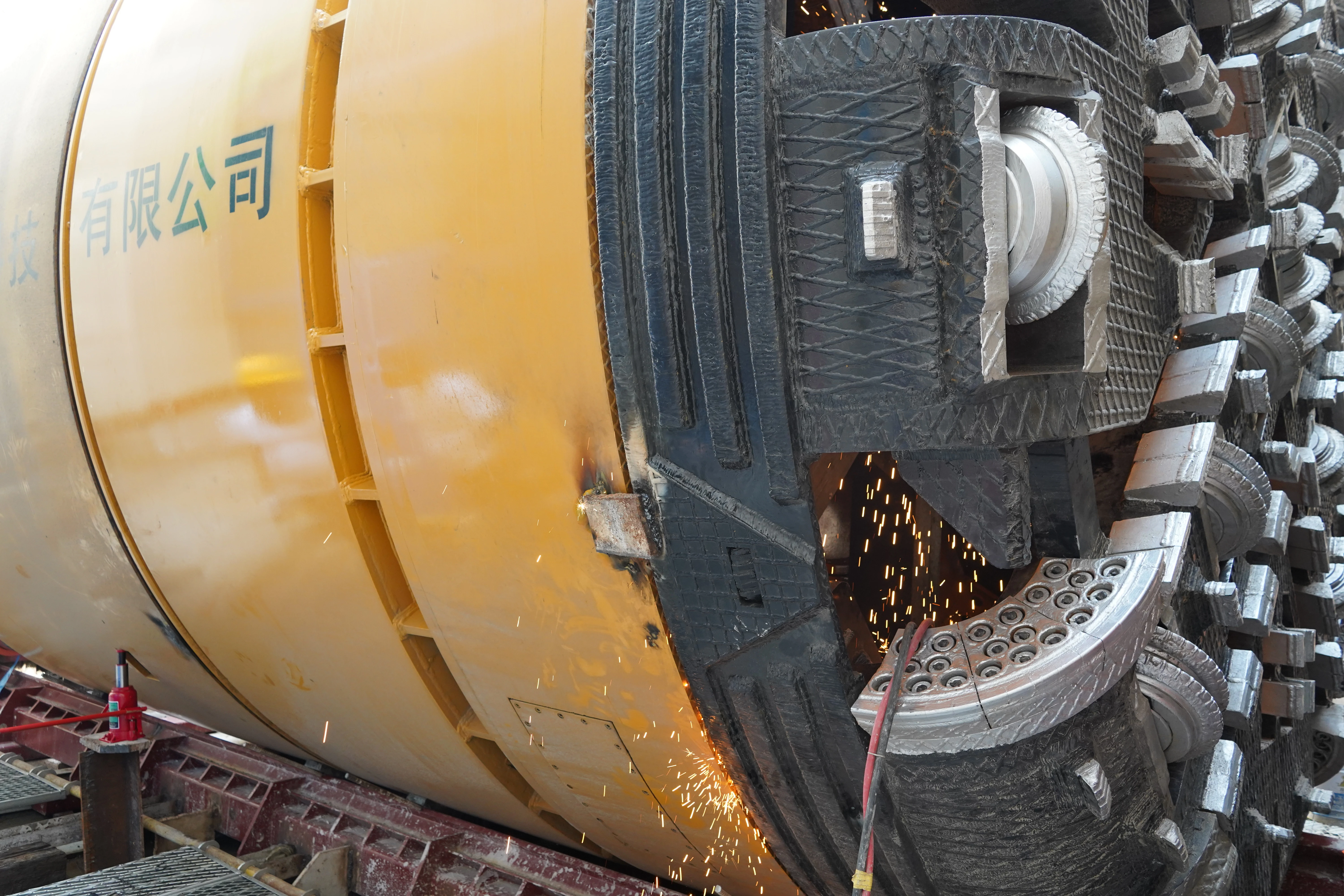
Defining Inflow Risk
Inflow risk means water or soil can enter your tunnel when pressure drops. You face this risk most when you work with high-pressure groundwater or soft soils. If you do not keep the pressure steady, the ground can break into the tunnel. You see this problem often in pipe jacking projects. High in situ stress can also push water and soil into the tunnel. You must watch for these risks at every stage of your project.
Alert: Water and mud inrush accidents cause up to 45% of all accidents in deep tunneling projects. You must take inflow risk seriously.
Link Between Pressure Drift And Inflow
Pressure drift makes inflow risk worse. When pressure drops, high-pressure groundwater can rush into the tunnel. You see this happen more in soils that let water move fast. Pipe jacking in these conditions needs extra care. High in situ stress can change the ground and make pressure drift happen faster. If you do not act quickly, you can lose control of the tunnel face.
Here are some examples of what can happen:
-
Water bursts into the tunnel during pipe jacking under a river.
-
Soil flows in when high in situ stress cracks the tunnel face.
-
High-pressure groundwater causes mud to fill the tunnel and stop work.
You must use the right tunnel boring machine for your ground. You also need to check pressure all the time. If you do this, you can lower the chance of inflow and keep your team safe.
Managing Pressure Drift And Inflow Risk
Monitoring And Detection
You need to watch the tunnel face and ground all the time. Good monitoring helps you find problems early. Sensors can check pressure, ground movement, and groundwater levels. These tools help keep your tunnel safe and your project moving.
Here is a table that shows the main steps for watching soil during microtunneling:
|
Step |
Description |
|---|---|
|
1 |
Do a full geotechnical investigation to learn about soil and groundwater. |
|
2 |
Keep checking the ground while you dig to see changes right away. |
|
3 |
Use tools to watch for ground movement, water changes, and nearby building safety. |
You should check the ground before, during, and after digging. Watch groundwater levels to stop flooding and keep the tunnel safe. Look for tilting or sinking in buildings close by. This helps you stop damage and keeps people safe.
A strong monitoring plan uses many tools. You can use real-time dashboards to see data as it happens. Set alarms for sudden changes in pressure or water. If you see a problem, you can stop digging and fix it fast.
Tip: Good monitoring in microtunneling helps you find and fix problems before they cause inflow or collapse.
Prevention And Mitigation
You can lower pressure drift and inflow risk by using smart steps. Start with a good ground check. This gives you facts about soil, rock, and water. Use this data to pick the right tunnel machine and plan your work.
Here are some ways to stop and lower risks:
-
Use good pressure and flow sensors. Check them often and keep them working right.
-
Model the hydraulics before you start. Plan for the worst and set rules for stopping if needed.
-
Practice what to do if pressure changes. Know how to change backpressure and when to stop digging.
-
Use real-time tools and dashboards. These help you spot problems early.
-
Hold safety meetings before you start. Talk about risks and how to keep barriers strong.
Picking the right tunnel boring machine is important. The best machine keeps pressure steady and works in different ground types. Some machines use special nozzles to control droplet size. This helps you manage drift and keep digging safe. New machines also use chemical grouting and probe drilling. These tools help control water and keep pressure steady while you dig.
Ground checks can include ground changes. You can use grouting to fill weak spots or stop lost flow. You can also use consolidation grouting before or while you dig. This makes the ground stronger and keeps water out. Always control the tunnel face, especially when pushing the shield. Put in ground support fast and use pea gravelling or contact grouting to fill gaps.
Here is a checklist for your project:
-
Make sure you can change the ground during checks.
-
Use pressure grouting in weak rock.
-
Put in ground support quickly.
-
Use pea gravelling or contact grouting for support.
-
Use consolidation grouting in important places.
Alert: You must control pressure all the time while digging. This keeps water out and protects your tunnel.
CEGC can help you pick the right tunnel machine for your ground. Our team uses your ground data to give you the best microtunneling methods and TBM tunnel boring machine for your job. You get expert help and support from start to finish.
Get a free ground-condition-based tunnel machine recommendation from CEGC at cegcequip.com.
-
You need to keep the pressure steady in micro tunneling. This helps stop the ground from falling in and keeps water or soil out.
-
Use ways like sealing quickly, balancing with machines, and putting in the lining fast to stay safe.
-
CEGC gives you help from experts and helps you pick the right equipment.
If you seal well and keep things safe, your project will go well and your client will be happy.
FAQ
What is the best tunnel machine for clay soil?
You should use a tunnel boring machine designed for clay. This machine keeps the tunnel face stable and controls pressure. Always check the geological data first.
What happens if you hit unexpected rock in a tunnel project?
You may need to stop the tunnel machine. Check the geological conditions again. Change the tunnel method or use a different tunnel machine for safety.
How do you choose between EPB and slurry TBM tunnel machines?
You should look at the geological conditions. Use EPB for clay or low water. Use slurry TBM for sand or high water. Match the tunnel machine to the ground.


