
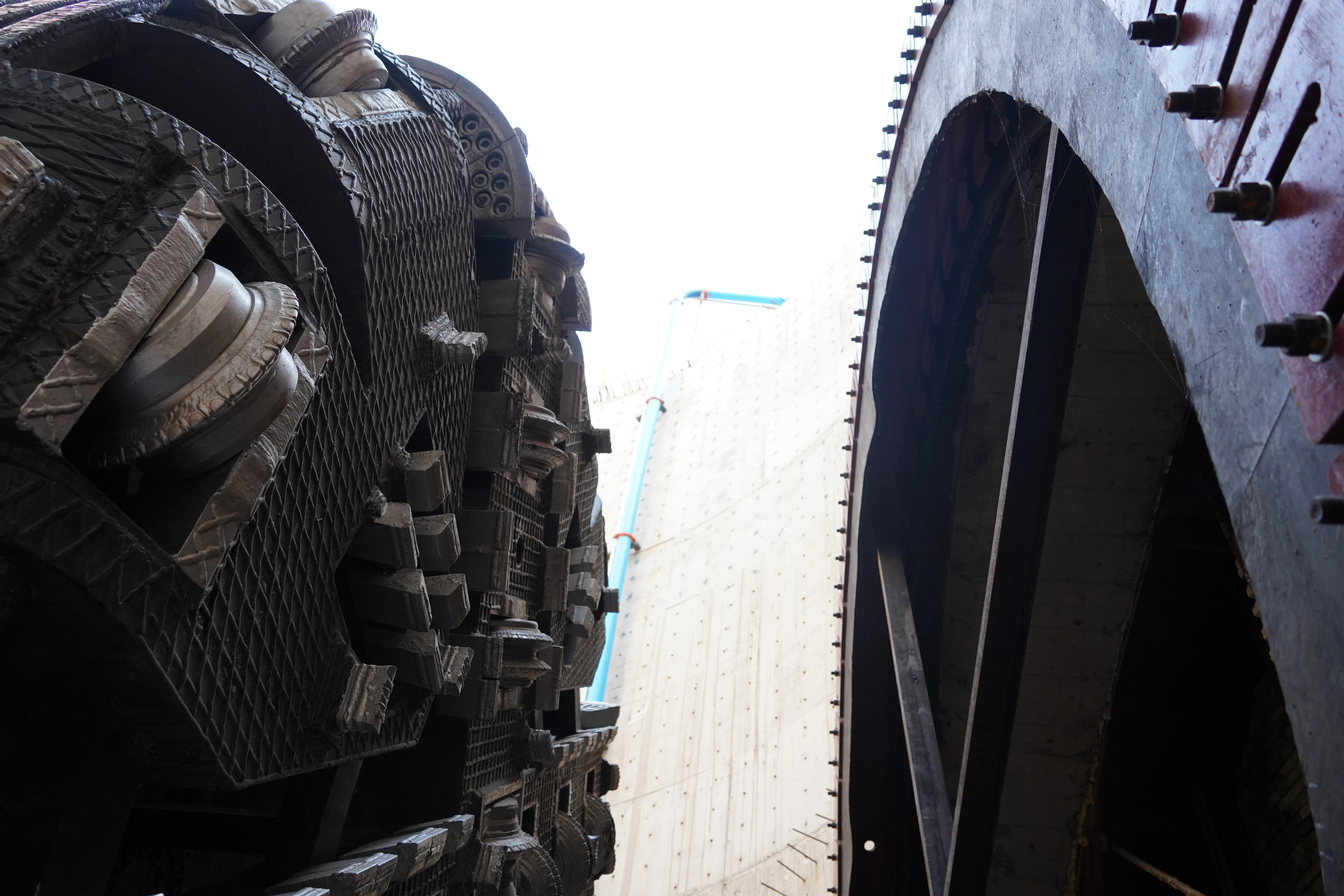
You can see how quickly issues escalate when tunnel pressure increases during excavation. Settlement claims rise when TBM tunnel pressure spikes, often resulting in costly property damage. It's important to be aware of this risk. CEGC assists you in selecting the most effective approach to mitigate additional claims and ensure the safety of your project.
Key Takeaways
-
Know that TBM tunnel pressure spikes can cause more settlement claims and expensive property damage.
-
Do careful ground checks before tunneling to pick the best tunnel-boring machine for your job.
-
Use advanced geotechnical monitoring systems to watch ground conditions as they happen, lowering risks and making the project safer.
Settlement claims rise when TBM tunnel pressure spikes
Causes of TBM Pressure Spikes
It is important to know why settlement claims go up when TBM tunnel pressure spikes. When you use a tunnel-boring machine, you control the pressure at the tunnel face. If the pressure jumps up fast, it can push soil and water away from the tunnel. This makes the ground change and move. The soil above and around the tunnel shifts, which can make the ground unstable.
Many things can cause a pressure spike in a tunnel-boring machine. You might see different soil types, hit big rocks, or deal with high groundwater pressure. Sometimes, faults in the ground create weak spots. These weak spots make it hard to keep the tunnel safe. If you do not fix the pressure quickly, the ground can move.
Faults can cause shear failure along cracks and change the ground nearby. This can lead to collapse, surface settlement, and mud or water coming in. High water pressure is very important for managing face pressure. If you do not manage it well, mud or water can flow in and cause ground loss, collapse, or big surface settlement.
You need to pick the right tunnel-boring machine for the ground. For example, a Microtunnelling Machine or an auger boring machine works best in certain soils. If you use the wrong machine, you might see more settlement. CEGC always says you should do a full ground investigation before tunnelling. This gives you information about soil, rock strength, and groundwater. Then you can choose the best tunnel machine for your job.
-
Ground investigation gives important information about the ground, which helps design and run Tunnel Boring Machines (TBMs).
-
Advanced geotechnical monitoring systems give real-time feedback about the ground, so you can make changes during TBM work.
-
Using these systems lowers risks from unknown ground conditions and keeps workers and buildings safe.
Impact on Ground and Short-Term Surface Settlements
When there is a pressure spike, you often see short-term surface settlements above the tunnel. The ground moves down a little at first, but it can get worse fast. You need to watch for these changes because they can hurt buildings, roads, and pipes.
-
Maximum settlement values recorded at a tunneling pressure of 600 kN/m2: 4.23 mm
-
Other maximum settlement values: 3.77 mm and 3.66 mm
-
Higher tunneling pressure means more surface settlement.
Even a few millimeters of surface settlement can crack walls or make floors uneven. The biggest surface settlement usually happens right above the tunnel. If you do not control the pressure, the settlement can spread and affect more places.
Right now, there is no set rule for controlling vibrations during TBM work in China. The whole surface above the tunnel sinks during excavation, and the biggest settlement is at the tunnel axis.
You need to use advanced monitoring systems to check settlement during tunnelling. These systems help you change the tunnel-boring machine in real time. When you use these tools, you can lower settlement claims. You also keep the ground stable and finish your project on time.
-
Advanced geotechnical monitoring systems can lower settlement claims a lot.
-
These systems help stop unplanned breaks and make operations better.
-
Even though exact numbers are not given, the trend shows fewer claims.
Remember, settlement claims go up when TBM tunnel pressure spikes. Careful planning and checking help you avoid expensive problems. Always match your tunnel machine to the ground. Use real-time monitoring and change your tunnelling methods as needed. This keeps the ground safe and lowers the risk of surface settlement.
Settlement and Claims: From Ground Movement to Compensation
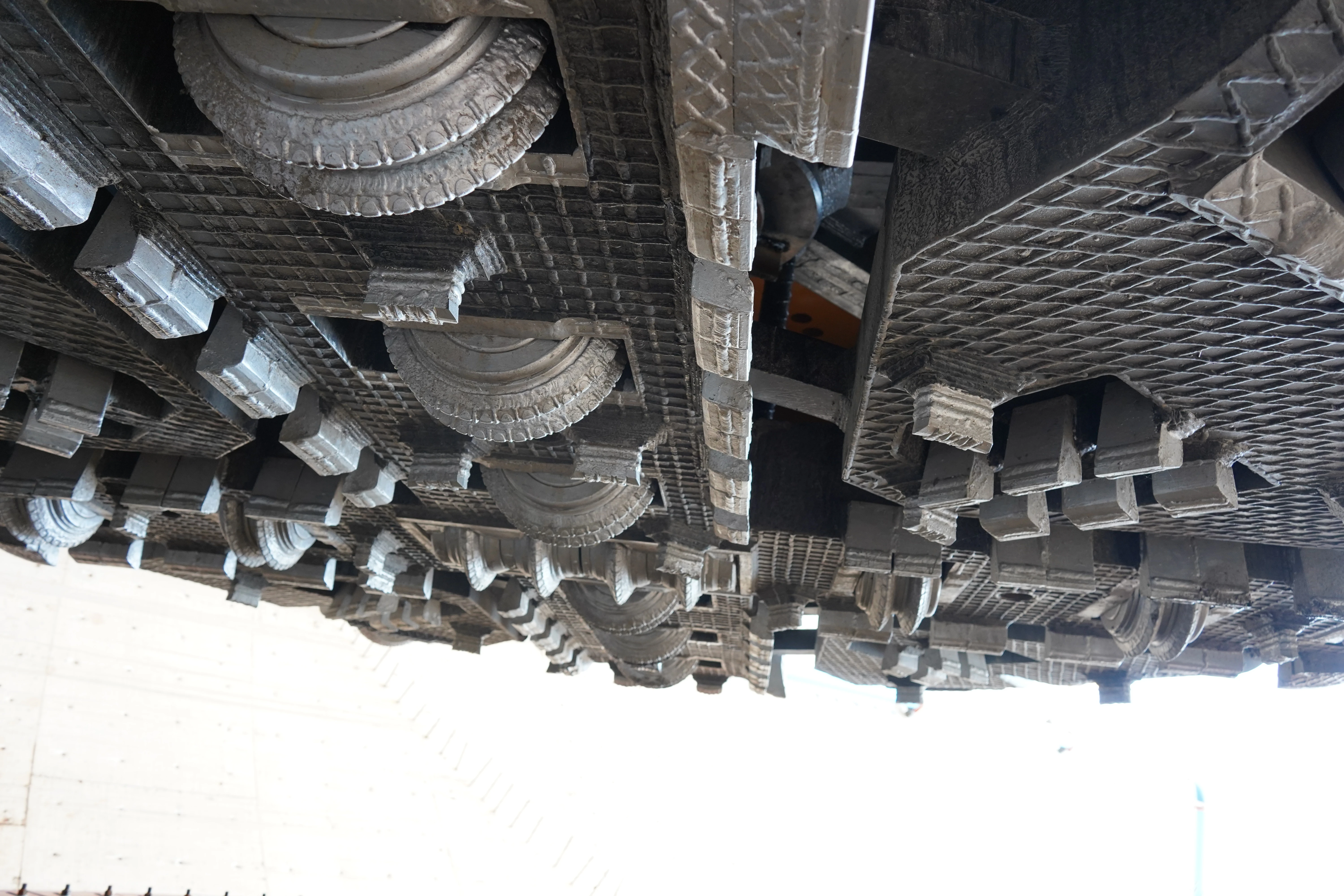
How Settlement Leads to Property Damage
You might ask how tunnel boring machines cause property damage. When tunnel pressure goes up, the ground can move. This movement often leads to settlement. Here is what usually happens:
-
If you skip grouting, the ground can sink at the surface.
-
Too much pressure on propulsion cylinders can harm tunnel lining at joints.
-
Overexcavation shows up as more weight or volume in tunnel data. This can make the ground weak and cause property damage.
You need to look for these signs during tunnel building. Each step can cause settlement if not handled well.
Common Types of Settlement Claims
Settlement claims usually deal with two main problems: cracks and utility breaks. Both are big issues in tunnel zones. Many claims are about cracks in walls or floors. Others are about broken water pipes or power lines. The risk depends on the state of utilities and past ground movement. You should always check for both risks in your settlement review.
Reducing Settlement Risk with Proper TBM Selection
You can lower settlement risk by picking the right tunnel machine and managing pressure. The table below shows how good choices and expert help can reduce settlement:
|
Evidence Description |
Impact on Settlement Risk |
|---|---|
|
Proper TBM selection lowers risks from ground instability and surface settlement. |
Makes collapse and surface settlement less likely during tunnel work. |
|
Expert advice and decision methods are key for TBM selection. |
Helps pick the best TBM for the ground, lowering risks. |
|
Faults can cause shear failure and ground changes. |
Raises risk of surface settlement and collapse if not managed. |
|
Managing high water pressure is very important. |
Stops ground loss and too much surface settlement. |
|
Weathering can change face pressure maintenance. |
Raises risk of collapse and settlement if not fixed. |
You should always use settlement checks and expert advice when picking a tunnel machine. CEGC can help you choose the best machine for your ground. This lowers settlement and keeps your project safe.
There is a strong connection between TBM tunnel pressure spikes and more settlement claims. If you check the ground carefully and pick the right tunnel machine, you can lower risks.
|
Study Focus |
Findings |
|---|---|
|
Good ground information makes tunneling safer and reduces claims. |
Experts believe checking soil early and watching in real time saves money and lowers claims.
FAQ
What is the best tunnel machine for clay soil?
You should use an Earth Pressure Balance (EPB) tunnel boring machine. EPB machines work well in clay because they control face pressure and reduce settlement.
What happens if you hit unexpected rock during tunneling?
You may see higher pressure spikes and ground movement. Always monitor the ground and adjust your tunnel machine settings quickly to keep the tunnel safe.
How do you choose between an EPB and a slurry TBM machine?
Check your ground conditions. Use an EPB for cohesive soils like clay. Pick a slurry TBM for sandy or water-bearing soils. CEGC can help you decide.


