
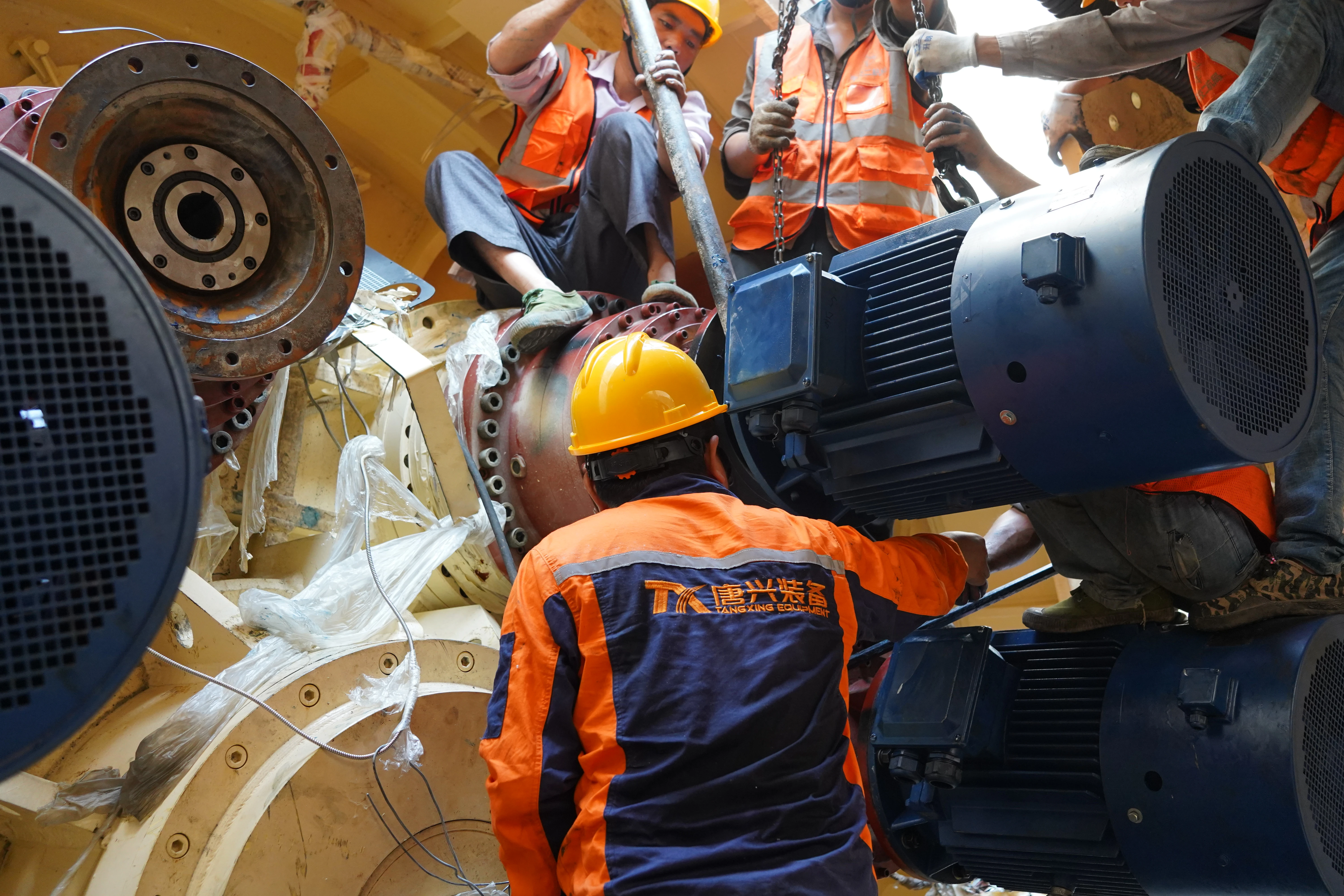
Steady pressure keeps a TBM machine face stable by balancing the ground and water forces. It is essential to select the right tunnel machine for your specific ground type. Using the correct TBM not only enhances the safety of the tunnel but also accelerates the work process and maintains the tunnel's structural integrity. CEGC is here to assist you in choosing the best tunnel boring machine for each project.
Key Takeaways
-
Steady pressure is very important for TBMs. It helps keep the tunnel face safe and stable.
-
Picking the right TBM for your ground makes the tunnel safer. It also makes the work faster. It protects the tunnel’s structure.
-
Checking and changing pressure, soil, and muck removal often is needed. This stops the ground from moving. It also prevents flooding.
Steady pressure and stability of tunnel face
What steady pressure means in TBM tunneling
It is important to know what steady pressure means when using a tunnel boring machine. Steady pressure keeps the TBM machine face stable. It does this by making sure the force inside the cutter head matches the force from the ground and water outside. This balance stops the ground from moving into the tunnel or water from rushing in. Steady pressure works in these ways:
-
The Earth Pressure Balance (EPB) method uses sensors to check and change the pressure inside the cutter head chamber.
-
The machine changes how fast it digs and how quickly it removes muck to keep the pressure steady.
-
The goal is to make a safe environment at the tunnel face, so you avoid sudden changes that could cause problems.
Keeping steady pressure protects workers, equipment, and the city above the tunnel.
How steady pressure keeps a TBM machine face stable
Steady pressure keeps the TBM machine face stable by balancing earth pressure and water pressure at the tunnel face. If you lose this balance, the ground can fall in or water can flood the tunnel. Engineering principles show how this works in the table below:
|
Findings |
Description |
|---|---|
|
You must change tunneling steps to form a filter cake, keep chamber pressure, and reduce ground movement. |
|
|
Correlation of pressures |
Chamber, soil, and water pressures all connect to how you use the shield and form the filter cake. |
|
Continuous failure mode |
If you lose steady pressure, the filter cake breaks and the ground can collapse. |
|
Sensitivity of soil pressure |
Soil pressure at the cutterhead changes quickly, so you must control it carefully. |
|
Validation of critical collapse pressure |
Tests show you can guess the pressure needed to stop collapse. |
You can learn from real projects. For example, in the Durban Harbour Tunnel, engineers made changes after early face instability and improved performance. In the Brenner Exploratory Tunnel, teams solved geotechnical problems and made TBM operations more stable.
Factors affecting stability of tunnel face
Many things affect the stability of the tunnel face when you use a tunnel boring machine. You need to pay attention to these factors:
-
Ground conditions change how you keep steady pressure. Soft clay, hard rock, and mixed soils all act differently.
-
The type of tunnel machine matters. EPB TBMs work best in sticky soils. Slurry TBMs work better in loose, wet ground.
-
Geological surprises, like sudden changes in soil or water inflow, can make it hard to keep the balance.
-
The depth of the tunnel increases the water pressure you must control.
-
You must match the face, annulus, and grout pressures to the groundwater head.
-
Soil conditioning, probe drilling, and pre-grouting help you keep the tunnel face stable in risky zones.
You cannot pick the right tunnel machine without a good ground investigation. You must study how the soil acts, how strong the rock is, water pressure, and ground stability. The size and purpose of your tunnel also help you choose. CEGC helps you find the best tunnel machine for your ground conditions, so you can keep steady pressure and tunnel safely and efficiently.
Earth pressure balance TBM and pressurized face tunneling
How earth pressure balance TBM works
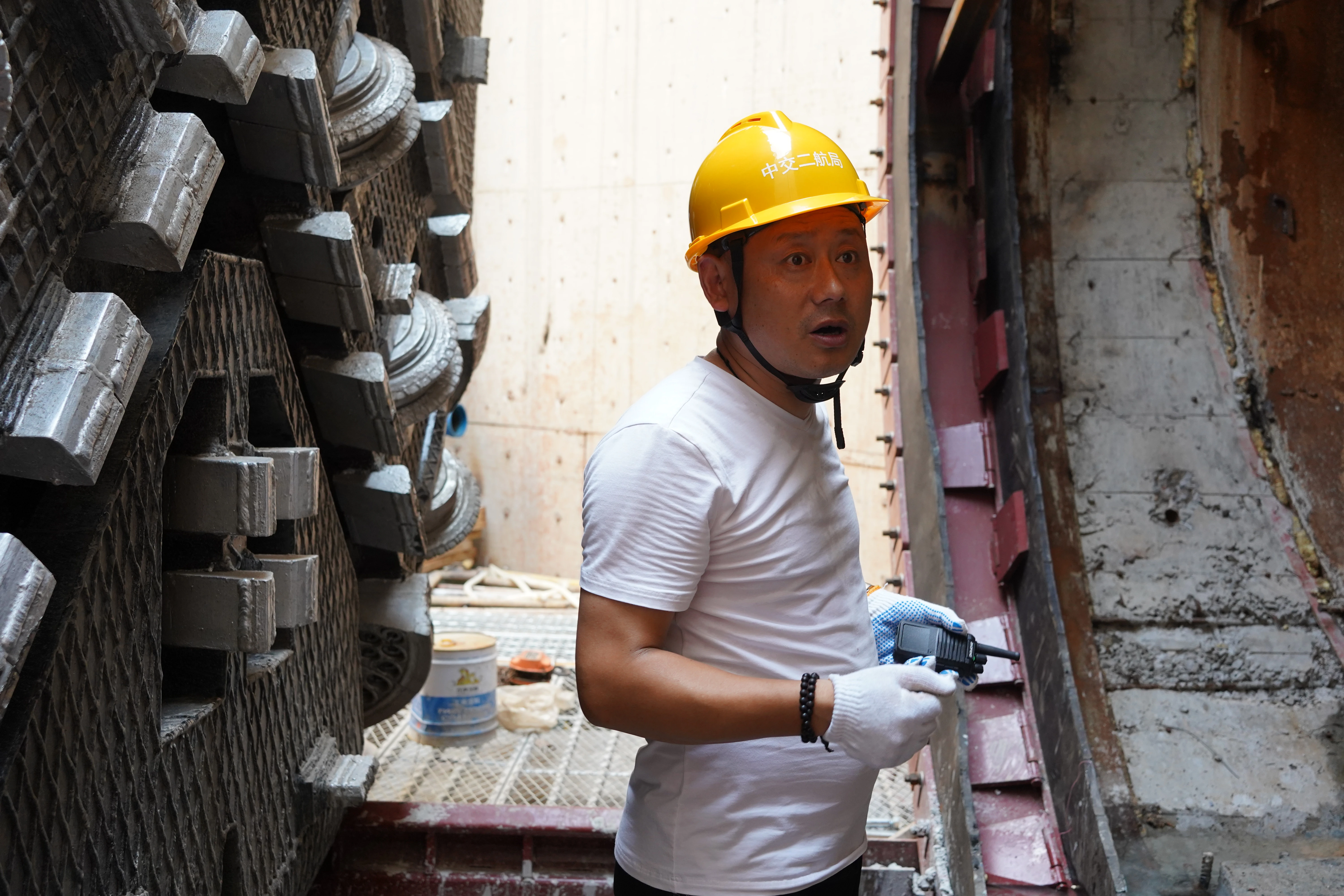
An earth pressure balance TBM keeps the tunnel face stable in sticky soils. The machine mixes dug-up soil with foam or water inside the cutting chamber. This mixture holds up the tunnel face and stops it from falling in. The chamber stays under pressure to match the earth and the machine’s push. You control the pressure by changing how fast you remove muck and how much foam or water you add. This lets you keep the tunnel face safe while digging and moving forward.
Here is a table showing how earth pressure balance TBMs work:
|
Mechanism |
Description |
|---|---|
|
Thrust Jacks |
Push the TBM forward against the tunnel lining to move ahead. |
|
Cutterhead |
Spins and cuts soil so material goes into the chamber. |
|
Muck Handling |
Pressurized soil mixture holds up the tunnel face and leaves through a screw conveyor. |
|
Excavation-Installation Cycle |
Stops digging to put in lining, then starts again until the tunnel is finished. |
Each part of the TBM helps keep steady pressure and support at the tunnel face.
Pressurized face tunneling methods
Pressurized face tunneling uses different ways to keep the tunnel face stable in soft or wet ground. You pick the method based on the soil and water around the tunnel. The two main types are earth pressure balance and slurry shield.
-
Earth pressure balance machines use the dug-up material to hold up the tunnel face. Foam or polymer is often added to make the soil better.
-
Slurry shield machines pump a slurry mix into the chamber. The slurry makes positive pressure and keeps the tunnel face steady, especially in loose or wet soils.
Here is a table comparing earth pressure balance TBMs and slurry shield machines:
|
TBM Type |
Suitable Ground Conditions |
Mechanism Description |
|---|---|---|
|
Sticky soils |
Keeps pressure at the tunnel face by controlling how thick the dug-up material is. |
|
|
Slurry shield |
Loose, wet soils |
Uses pressurized slurry to hold up the tunnel face and move material out of the tunnel. |
You use earth pressure balance TBMs in sticky soils. You use slurry shield machines in loose, wet ground. CEGC has both types and helps you pick the right tunnel machine for your job.
Systems for maintaining steady pressure
You need several systems to keep steady pressure during pressurized face tunneling. These systems watch and change important settings to stop problems.
-
Modern TBMs use sensors to check thrust, torque, and how fast they move.
-
Operators watch chamber pressure and muck removal speed to keep balance.
-
Soil conditioning agents make the dug-up material stable and help control pressure.
-
Pressure sensors let you change muck removal speed and foam or water in real time.
Here is a table showing how different parts help control pressure:
|
Component |
Contribution to Pressure Control |
|---|---|
|
Cutting Chamber Design |
Handles dug-up material and keeps pressure inside the chamber. |
|
Soil Conditioning |
Makes dug-up material stable and helps control pressure. |
|
Muck Removal Systems |
Stops chamber overload, which could cause pressure problems. |
|
Earth Pressure Balance Shield |
Uses mechanical balancing to fight soil pressure and keep stability in sticky soils. |
|
Hydraulic Pressure |
Moves pressure to the paste made by mixing cuttings, helping manage pressure. |
|
Pressure Sensors |
Let operators watch and change muck removal speed to keep pressure balanced. |
|
Slurry/Foam Conditioning |
Added to make material stable, lower friction, and control pressure inside the chamber. |
You need these systems to keep the tunnel face safe and steady. CEGC gives you advanced tunnel machine technology and expert help. You can match the right machine and systems to your ground for safe pressurized face tunneling.
Tip: Always check the ground carefully before picking earth pressure balance TBM or slurry shield. This helps you avoid surprises and makes sure your tunnel machine gives the best support.
Risks of losing steady pressure
Consequences for tunnel face stability
If steady pressure is lost at the tunnel face, big problems can happen. The ground might move, sink, or rise. This can hurt the tunnel and the land above it. Water or soil can get inside fast and make the tunnel dangerous. Here are some real issues caused by bad pressure control:
-
Lots of water can flood the tunnel and stop the TBM.
-
The ground can sink, making roads or buildings drop.
-
Projects can be delayed when the ground moves in ways not expected.
-
Bad grout or not enough grout lets water leak through holes.
-
Poor tail-skin care can cause leaks behind the TBM.
You must stop water and soil from getting in to keep the tunnel face safe.
Safety, cost, and schedule impacts
Losing steady pressure affects more than just the tunnel. It can put people and things in danger.
If steady pressure is lost in TBM tunneling, the ground can fail or move. Water can drain away, causing the ground to settle. Low face pressure can make the ground move a lot, like sinking or rising. This can damage nearby places, especially under roads and railways.
You might have to pay a lot for repairs. Projects can take longer and you could have legal trouble if pressure is not controlled. Keeping steady pressure keeps workers safe, saves money, and helps finish on time.
Preventing instability in TBM operations
You can stop these problems by planning and using the right tools. Here is a table with important steps to keep your tunnel safe:
|
Preventive Measure |
Description |
|---|---|
|
Correct use of risk prevention measures |
Use all safety checks and tools to lower risks. |
|
Design of safety barriers |
Build strong barriers to stop accidents and keep the tunnel face safe. |
|
Detailed planning of procedures |
Plan each step so everyone knows what to do and mistakes are less likely. |
Always check the ground, use probe holes to find water, and do pre-grouting to make the ground safer. These steps help keep steady pressure and stop expensive surprises.
You need steady pressure to keep the tunnel face safe. Picking the right tunnel machine for your ground helps a lot.
-
You can stop the ground from moving and keep people safe.
-
You make the cutter last longer and finish faster.
-
You watch the tunnel in real time to find problems early.
|
Service Offered |
Description |
|---|---|
|
Experts help you plan, pick machines, and check the ground. |
|
|
On-site Installation |
Workers set up and test your tunnel machine so it works well. |
|
Training Programs |
You learn to use and take care of your machine safely and easily. |
Ask experts like CEGC for help. Always make steady pressure the most important thing when picking your tunnel machine.
FAQ
What is the best tunnel machine for clay soil?
You should use an earth pressure balance TBM. This machine keeps the tunnel face stable in sticky clay and helps prevent ground movement.
What happens if you hit unexpected rock during tunneling?
You must slow down and check the ground. You can use probe drilling or switch to a dual-mode TBM for mixed ground conditions.
How do you choose between EPB and slurry TBM?
You need to study the soil and water. EPB works best in sticky soils. Slurry TBM suits loose, wet ground with high water pressure.


