
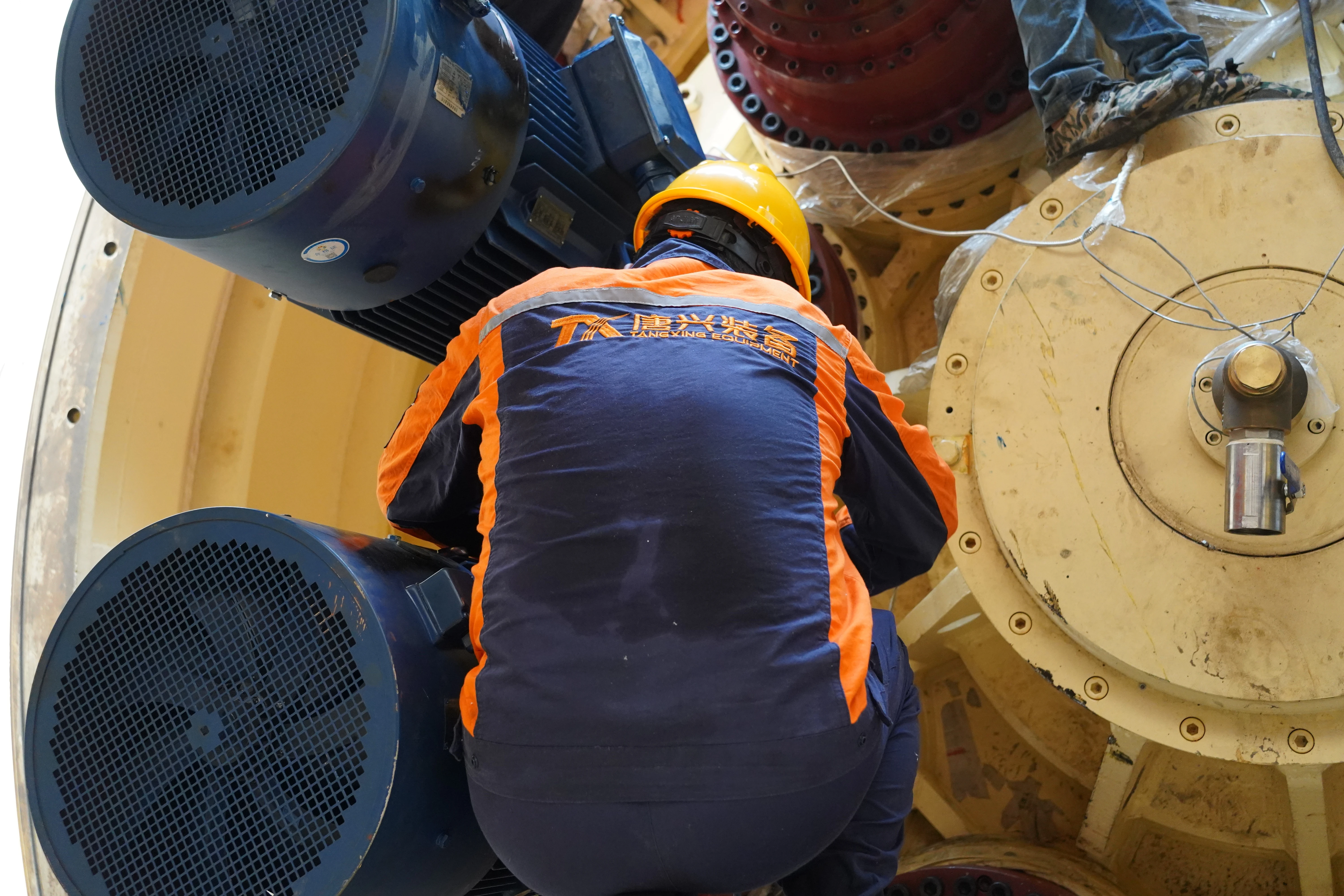
Using micro tunneling pressure control protects nearby utilities during underground work, ensuring that important infrastructure remains safe. By effectively managing pressure, you can keep the ground stable and prevent damage to pipes or cables. A micro tunneling machine equipped with specialized features facilitates safe and successful microtunneling. CEGC provides equipment specifically designed for careful utility protection.
Key Takeaways
-
Microtunneling causes less mess on the surface. It keeps nearby utilities safe. Workers can do underground jobs faster and easier.
-
Good pressure control is very important. It keeps the ground steady. It stops pipes and cables from getting hurt during tunneling.
-
Use smart monitoring tools to spot problems early. This makes microtunneling safer and helps it go faster.
Understanding Microtunneling and Pressure Control
What Is Microtunneling?
Microtunneling lets workers put pipes underground without digging big holes. The machine is remote-controlled and bores through the ground. Workers stay above ground, so it is safer and faster. This method works well in cities with lots of pipes and cables under streets.
Here is a table showing the main advantages of microtunneling compared to traditional trenching:
|
Advantage |
Description |
|---|---|
|
Minimizes Surface Disruption |
Microtunneling keeps the surface safe and protects utilities. |
|
Enhances Safety |
Workers stay above ground, so tunnel work is less risky. |
|
Cost and Time Efficiency |
It may cost more at first, but saves money and time later. |
Why Pressure Control Is Critical
Pressure must be managed well during microtunneling. Good control keeps the tunnel face stable and stops the ground from falling in. This protects things like water pipes and cables nearby. If pressure is not controlled, the ground can move and hurt these utilities. Microtunneling is also good for the environment because it uses small sites and keeps dirt and water inside closed systems.
How Micro Tunneling Machines Work
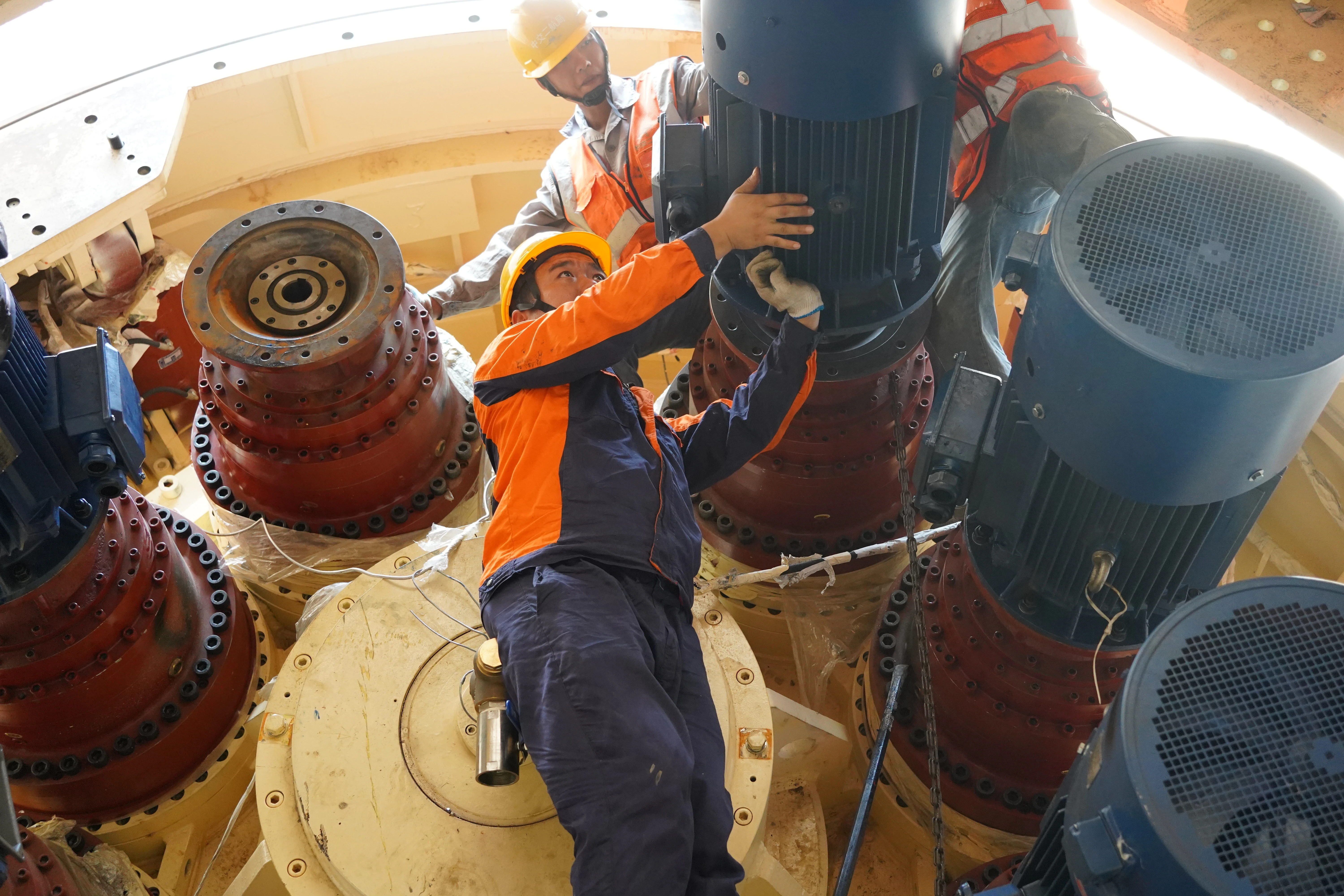
A micro tunneling machine has special features to keep pressure steady. The slurry system moves soil out and balances earth pressure at the cutting face. The machine puts bentonite slurry in to keep the ground stable and stop settlement. Real-time monitoring checks pressure levels, so workers can fix problems fast. These features help protect utilities and keep the work area safe and clean.
-
Microtunneling uses trenchless methods, so tunnels can be installed without disturbing the surface much.
-
Automated machines and monitoring systems help avoid hitting utilities and lower risks.
How Micro Tunneling Pressure Control Protects Nearby Utilities
Pressure Control Mechanisms
It is important to know how pressure control works in microtunneling. These systems keep the ground from moving and protect pipes and cables. There are two main types: slurry-based systems and earth pressure balance systems. Here is a table that explains each one:
|
Pressure Control Mechanism |
Description |
|---|---|
|
Slurry-based systems |
Used in soft ground conditions to maintain face pressure and stabilize the ground using bentonite slurry. |
|
Earth pressure balance systems |
Utilized in dense or cohesive soils to control face pressure using a sealed chamber and the excavated material itself. |
Face support and slurry balance help keep the tunnel face strong. The slurry system holds the ground steady and stops it from falling in. This keeps nearby utilities safe from harm. Using these methods makes sure the ground does not shift and damage underground utilities.
Tip: Pick a micro tunneling machine with good pressure control features to keep your project safe and running well.
Real-Time Monitoring Technology
Real-time monitoring technology helps you watch pressure and machine performance during microtunneling. These systems let you find problems early and fix them before they cause trouble. Here are some new tools you might use:
-
AI-driven systems check underground conditions in real time and change pressure and cutting head speed when needed.
-
Advanced monitoring systems track drilling details like torque and penetration rate, which makes work safer and faster.
-
Telemetry technology sends real-time data to control centers, so you can act quickly if something goes wrong.
Guidance systems help you avoid hitting utilities. For example, optical prism targets help with alignment and deformation monitoring. Crack meters check for damage to structures along the tunnel path. Real-time data lets you respond fast if the ground moves, keeping utilities safe.
Minimizing Utility Risks
You can lower risks to utilities by using strong pressure control and smart monitoring. Micro tunneling pressure control keeps the ground steady and stops sudden movements. The pipe jacking method pushes pipes through the ground without digging big trenches, so there is less chance of hitting something important.
Here is a table that shows common causes of utility damage and how you can prevent them:
|
Cause of Utility Damage |
Prevention Method |
|---|---|
|
Underground utilities |
Conduct accurate geological surveys and mapping |
|
Rocks and subterranean boulders |
Identify potential obstructions through surveys |
|
Preexisting construction materials |
Review building plans to check for previous works |
|
Natural obstructions (cobbled soil) |
Use ground-penetrating radar (GPR) for mapping |
New inventions make microtunneling safer. Hyperbaric chambers help cutters work better and reduce ground tamping. Hose dispenser systems make a barrier for better lubrication. Automatic equipment helps keep pressure steady and boosts productivity. Steering improvements and reversible cutter heads help you stay on track and avoid mistakes.
You can trust CEGC to give you the right micro tunneling machine for your project. CEGC offers advanced machines with real-time monitoring, guidance systems, and strong pressure control. If you want to protect utilities and finish your project on time, CEGC has the equipment and support you need.
Note: Micro tunneling pressure control protects nearby utilities best when you use the right machine, smart technology, and careful planning.
Safety Measures and Best Practices in Microtunneling
Utility Mapping and Risk Assessment
Before starting microtunneling, you need to know what is underground. First, gather information about old projects in the area. Find all pipes, cables, and manholes below the ground. Make sure you can see clearly between shafts. Collect data and do lab tests. A geotechnical investigation tells you about the soil and rocks. You will make a geotechnical data report and a geotechnical baseline report. These steps help you plan and lower risks.
Utility mapping is very important. It helps you find and record where utilities are. There is no single way to do this, so check your results carefully. Sometimes, records are missing or do not match what you see on site. You can use different tools for mapping:
|
Technology |
Description |
|---|---|
|
Electromagnetic locator |
Finds metal pipes and cables but may miss closely packed wires. |
|
Ground-Penetrating Radar (GPR) |
Detects utilities but works best in certain soils and has a limited range. |
|
Cold atom interferometry |
A new method that may improve mapping in the future. |
Risk assessment helps you find dangers and plan how to avoid them. Careful checks and skilled workers help prevent damage to utilities.
On-Site Safety Protocols
You must follow safety rules when doing microtunneling. Train workers and make sure they wear the right gear. Have a clear emergency plan ready. Use monitors to check air and tunnel safety. Keep people out of dangerous areas. Control noise and waste to protect nature. Real-time sensors show ground and machine conditions right away. Good airflow and gas checks keep everyone safe.
Case Examples of Utility Protection
Real projects show how these best practices work. Teams that use smart tunnel boring machines finish jobs faster and safer. This is true even in busy places with lots of utilities. They use smart systems that give advice using real-time data. These systems help you fix problems quickly. You can learn from these examples and make your own projects better.
CEGC gives you expert help, helps you pick machines, and supports you on site. You can also get training for operators to make sure your micro tunneling machine is safe and works well.
You can keep nearby utilities safe by using good pressure control. Advanced machines also help protect them. Smart safety steps are important too.
-
The best equipment keeps the tunnel steady and helps you work quickly.
-
New safety tools and good planning make things safer for all people.
Pick CEGC if you want help and better results for your project.
FAQ
How much does a micro tunneling machine cost?
Small auger boring machines cost about $200,000. Large TBM machines can cost over $100 million. The price changes based on the machine’s size and features.
What is the smallest tunnel machine CEGC supplies?
CEGC has small microtunneling machines. The smallest ones are about 400mm in diameter. These are good for utility crossings and small jobs.
How fast can CEGC deliver a tunnel machine?
|
Machine Type |
Typical Delivery Time |
|---|---|
|
Standard Models |
2–4 months |
|
Custom Configurations |
4–6 months |
You can ask CEGC to find out the exact delivery time.


