
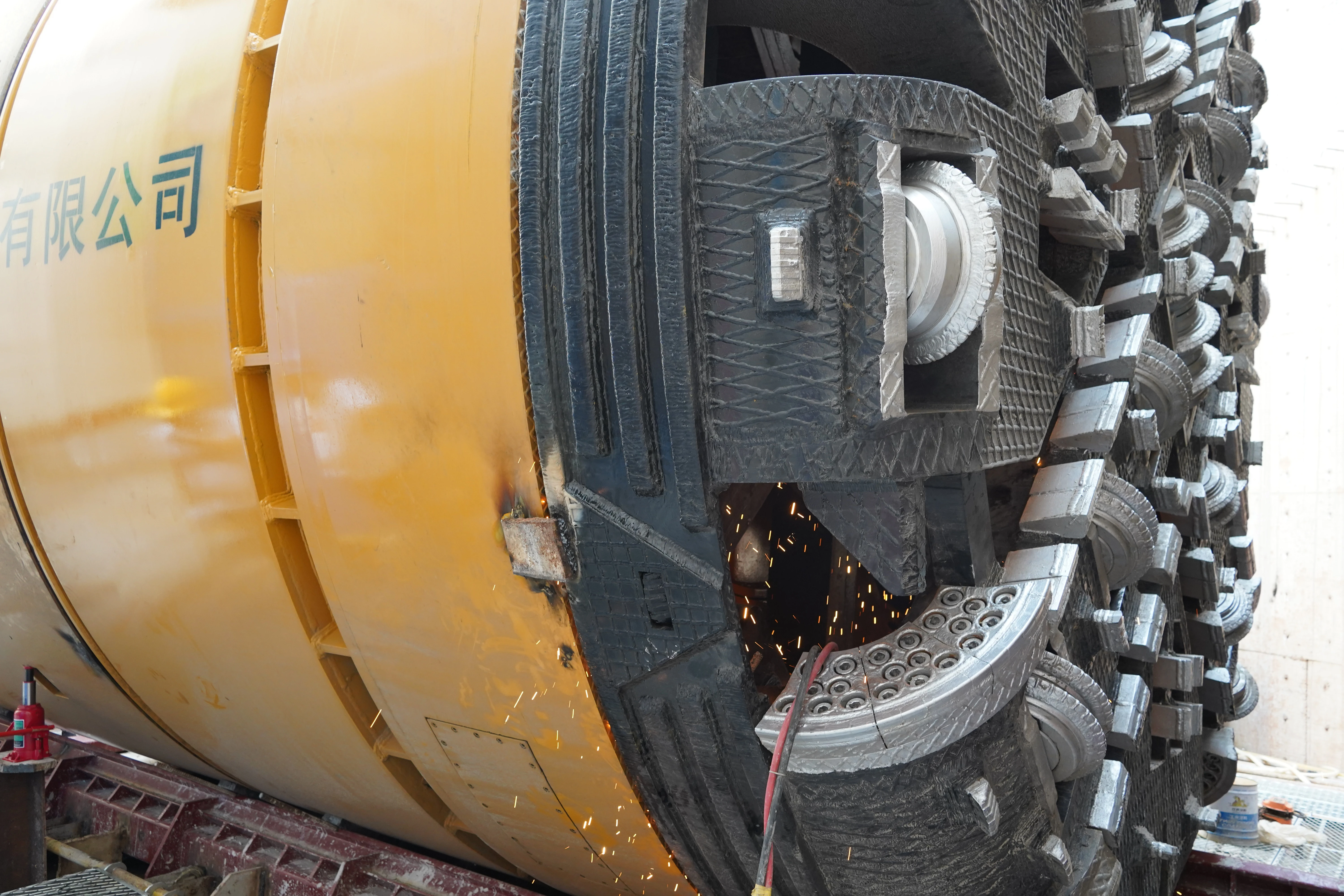
A TBM machine needs steady pressure in sand to ensure your project remains safe and stable. Sandy soil is highly mobile, which can lead to tunnel collapse or water ingress if not properly managed. Recent studies confirm that maintaining consistent pressure is essential to prevent these issues. CEGC provides expert guidance to help you match your tunnel machine to the specific ground conditions, ensuring optimal performance and safety.
Key Takeaways
-
Keep steady pressure in sandy soil. This stops the tunnel from falling in and keeps water out. It makes TBM work safe and stable.
-
Use Earth Pressure Balance TBMs in sandy soil. These machines help control pressure. They also make digging faster and better.
-
Check pressure often and change it if needed. Real-time data lets you decide fast. This keeps your project going and your workers safe.
Why a TBM Machine Needs Steady Pressure in Sand
TBM Face Support in Sandy Soil
You need to keep steady pressure at the tunnel face when you use a TBM in sandy soil. Sandy ground does not hold its shape well. It can move or collapse if you do not control the pressure. A TBM machine needs steady pressure in sand because this balance keeps the soil in place and supports the tunnel face. When you match the pressure inside the TBM to the earth and water outside, you prevent the ground from falling into the tunnel. This balance also stops the surface above from sinking, which protects buildings and roads.
If you let the pressure drop, the soil can become unstable. You might see ground loss or even sinkholes. If you use too much pressure, you can push the ground up or cause blowouts. You must control the pressure carefully to keep the tunnel safe and stable. This control improves TBM performance and helps you finish your project on time.
Earth Pressure Balance (EPB) TBMs work well in sandy soil. These machines use the natural pressure and thickness of the excavated soil to keep the tunnel face stable. You can:
-
Use the excavated soil as a support medium inside the chamber.
-
Balance the earth pressure at the tunnel face to stop collapse and reduce surface settlement.
-
Control the rate of muck removal to keep pressure steady.
-
Add soil conditioning agents like foam, polymers, or bentonite slurry at the cutter head to improve soil properties.
When you use these methods, you boost TBM excavation efficiency and reduce risks. CEGC helps you choose the right tunnel boring machine for your ground conditions. Their team knows how to match TBM types to sandy soils for the best safety and efficiency.
Preventing Collapse and Water Ingress
You must also think about water when you dig in sand. Sandy soil often holds a lot of water. If you do not keep steady pressure, water can rush into the tunnel. This can cause flooding and make the ground even weaker. A TBM machine needs steady pressure in sand to stop water from entering the tunnel and to keep the soil firm.
When you move the TBM forward, you change the water pressure in the soil. If you move too slowly, the water pressure can drop. This makes it easier for water to break through and cause blowouts. If you keep the advance rate steady and match it to the speed of water moving through the sand, you lower the risk of water coming in. You protect your workers and your project.
Tip: Always monitor the pressure at the TBM face. Use sensors and real-time data to adjust the pressure as needed. This keeps your tunnel safe and your project on track.
You want high efficiency and strong performance from your TBM. You also want to avoid costly delays and repairs. By keeping steady pressure, you make sure your tunnel boring machine works well in sand. CEGC can guide you in selecting the best TBM for your project, based on careful ground investigation and years of experience.
Risks of Pressure Fluctuations in TBM Operations
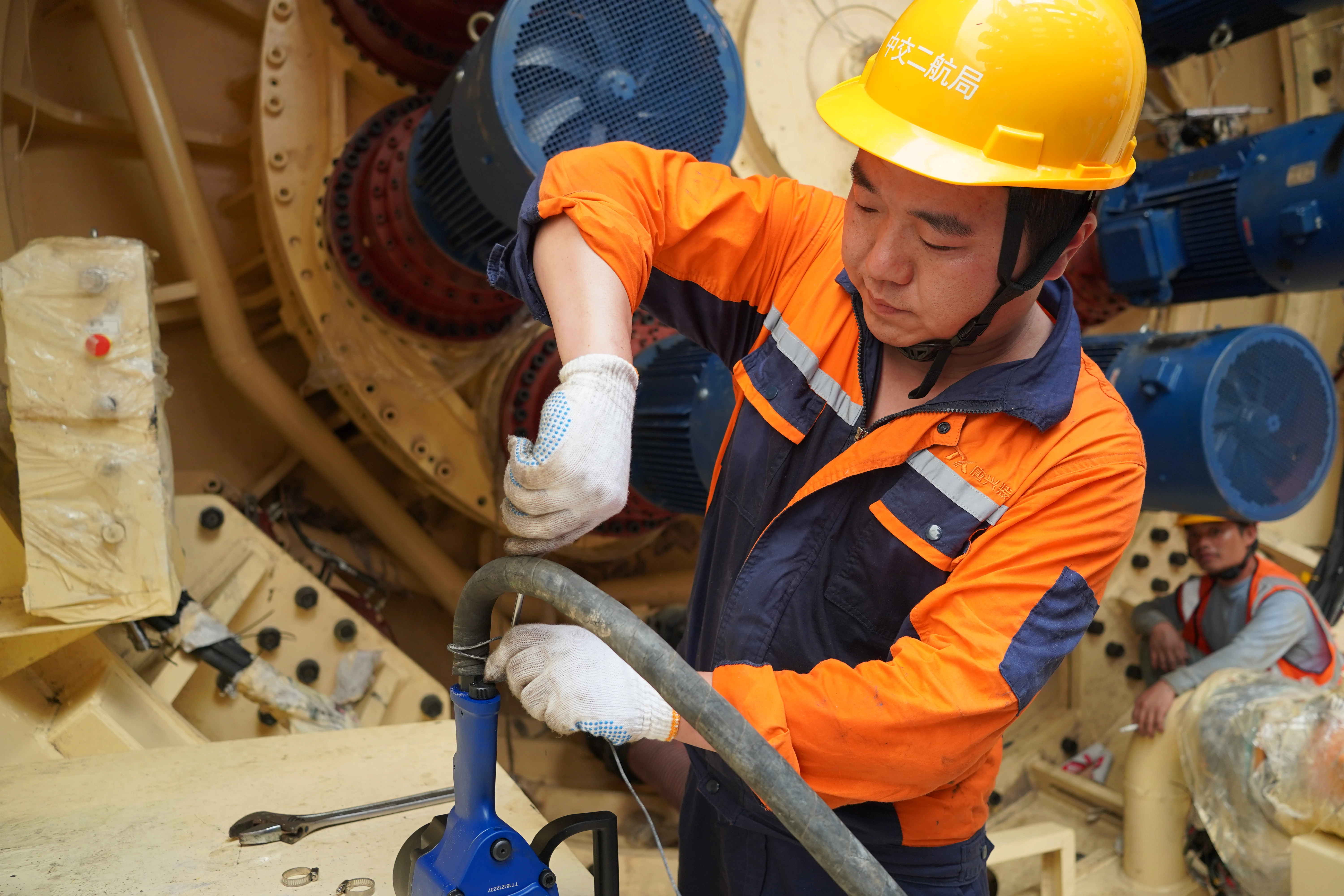
Ground Instability and Project Delays
If you do not keep steady pressure during TBM operations in sandy soil, you can have big problems. When pressure drops, the ground can move or sink. This can hurt roads, buildings, and other things above the tunnel. Sometimes, empty spaces can form in the soil. These gaps make the ground weak and unsafe for workers and people nearby.
Here is a table that shows what can happen if you lose pressure:
|
Consequence |
Description |
|---|---|
|
Ground Surface Settlement |
The ground above the tunnel sinks, which can harm infrastructure. |
|
Void Formation |
Gaps appear in the soil, making the tunnel and surface less stable. |
|
Surface Subsidence |
The land above the tunnel drops, which can affect buildings and roads. |
If you lose pressure, you might have to stop working to fix things. These stops can cost a lot of money. You may also spend more money fixing broken tools or buying new parts. Stopping work and repairs make your project slower and less efficient.
Machine Damage and Safety Concerns
You need to protect your TBM from damage caused by changes in pressure. If the thrust changes too much, the machine can have problems. Not controlling pressure can make tools wear out faster and need more repairs. This makes your tunnel machine work worse and costs more money.
You also have to think about safety when tunneling. If you do not control pressure, water can rush in or the soil can move fast. This can put workers in danger and cause accidents. You keep people safe and work better when you watch the pressure and fix problems quickly.
You should always check the ground before picking a TBM. This helps you choose the right machine for the soil and avoid trouble when digging. A TBM machine needs steady pressure in sand to keep your project safe, working well, and on time.
Maintaining Steady Pressure with the Right TBM
Monitoring and Control Methods
You need good ways to keep pressure steady when using a TBM in sand. Real-time monitoring helps you see changes fast. Strain gauges and load cells collect data about the forces on the machine. These tools show how much force the TBM faces. Simulation systems can guess the right pressure for the tunnel face and grouting. You can use these guesses to change TBM settings before trouble starts.
You should always check groundwater and earth pressures at the tunnel face. This step tells you how much support the tunnel needs. Automated control systems use neural networks and models to keep pressure steady. These systems change as the soil and pressure change. For example, a diagonal recurrent neural network can handle new targets and react faster. Particle swarm optimization helps the system update as ground conditions change. Real-time data analytics gives you quick facts about TBM pressure and soil. This helps you make fast choices and keeps your project safe.
Choosing the Best Tunnel Machine for Sand
You need to compare TBM types to pick the best one for sand. EPB TBMs use foam and slurry to control face support pressure. These machines work well in sandy soil and keep settlements low. Slurry shield TBMs use slurry for support but may have more settlement in pure sand. Hybrid EPB shields can keep support pressure between 1.0 and 2.0 bar.
When you pick a TBM, look at these things:
-
Type of EPB system (dry or wet)
-
Soil conditioning needs
-
Geotechnical data like grain size and stickiness
-
Tunnel diameter and machine power
-
Manufacturer support and experience
A TBM machine needs steady pressure in sand for safety, good work, and strong performance. You can ask CEGC for advice based on your ground data.
You must keep steady pressure for TBM projects in sandy soil to protect safety and finish on time. Experts recommend these steps:
-
Start with a full ground investigation.
-
Use probe drilling to find water zones.
-
Maintain tail-seal systems and grout quality.
Ask CEGC for help choosing the right tunnel machine.
FAQ
What is the role of the cutterhead in sandy soil?
You use the cutterhead to break and move sand during excavation. The cutterhead-soil interaction helps you manage thrust and load for safe tunnel progress.
How does mud build-up effect TBM performance?
Mud build-up effect can slow the cutterhead. You must watch for cutterhead mud build-up. This keeps the cutterhead working well and reduces extra excavation loads.
Why should you monitor thrust and load during TBM operations?
You check thrust and load to protect the cutterhead. This helps you control cutterhead-soil interaction and avoid problems with surrounding soil and mud.


