
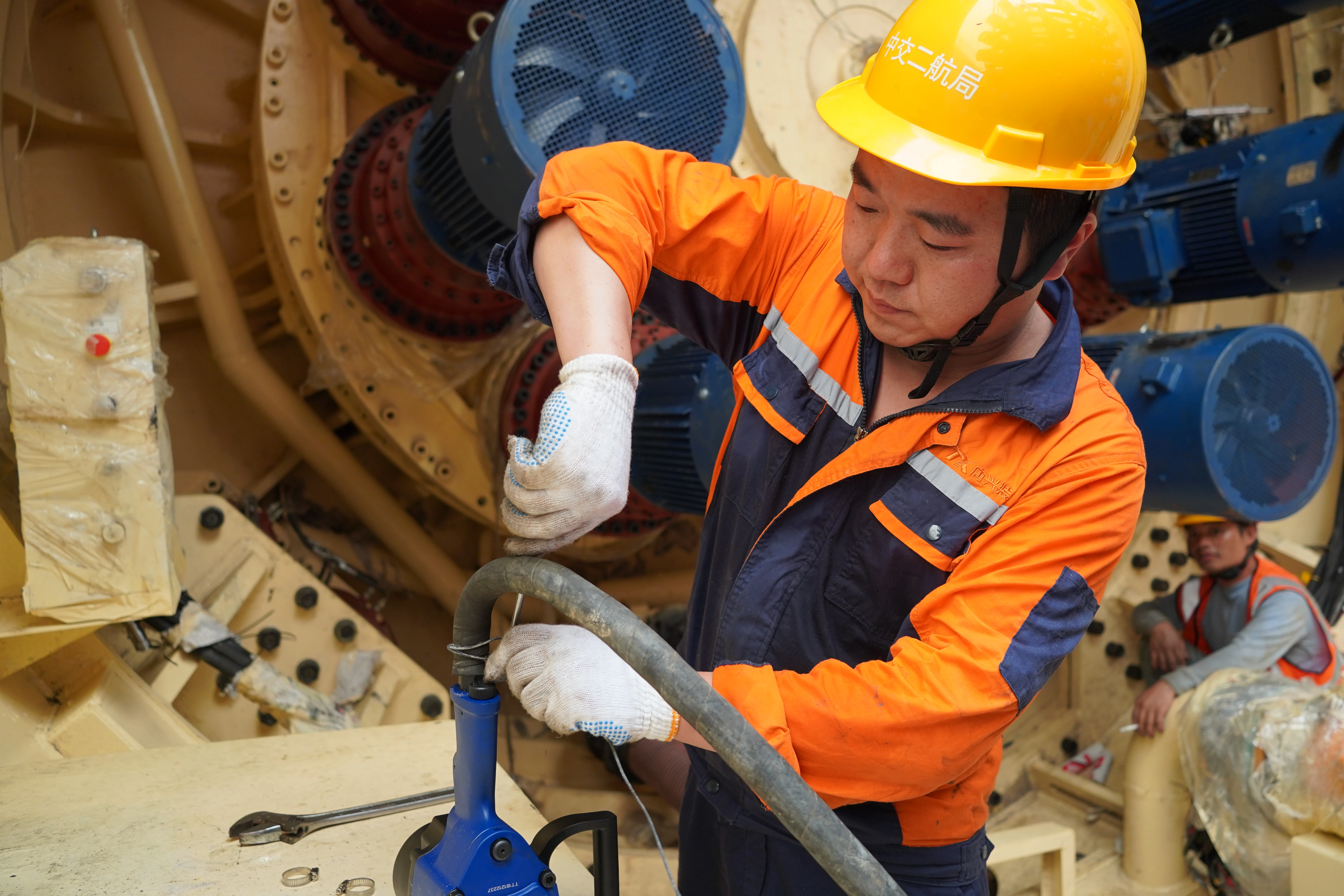
When utilizing tunnel boring machines (TBM) for long drives, new challenges arise. Long drives amplify small alarms on the TBM machine from CEGC, making them appear more significant. Skilled workers must navigate unpredictable and changing ground conditions. AI-driven machines enhance operational efficiency and reduce repair costs. These changes are evident in projects throughout the industry.
Key Takeaways
-
Watch all alarms on TBM machines. Small alarms can turn into big problems during long drives.
-
Use a color-coded alarm system. This helps the team know which alerts are most important. It keeps everyone focused on urgent problems.
-
Use advanced monitoring and maintenance plans. Real-time data helps find problems early. This lowers downtime and makes things safer.
Long drives amplify small alarms on the TBM machine
Operational Stress and Alarm Escalation
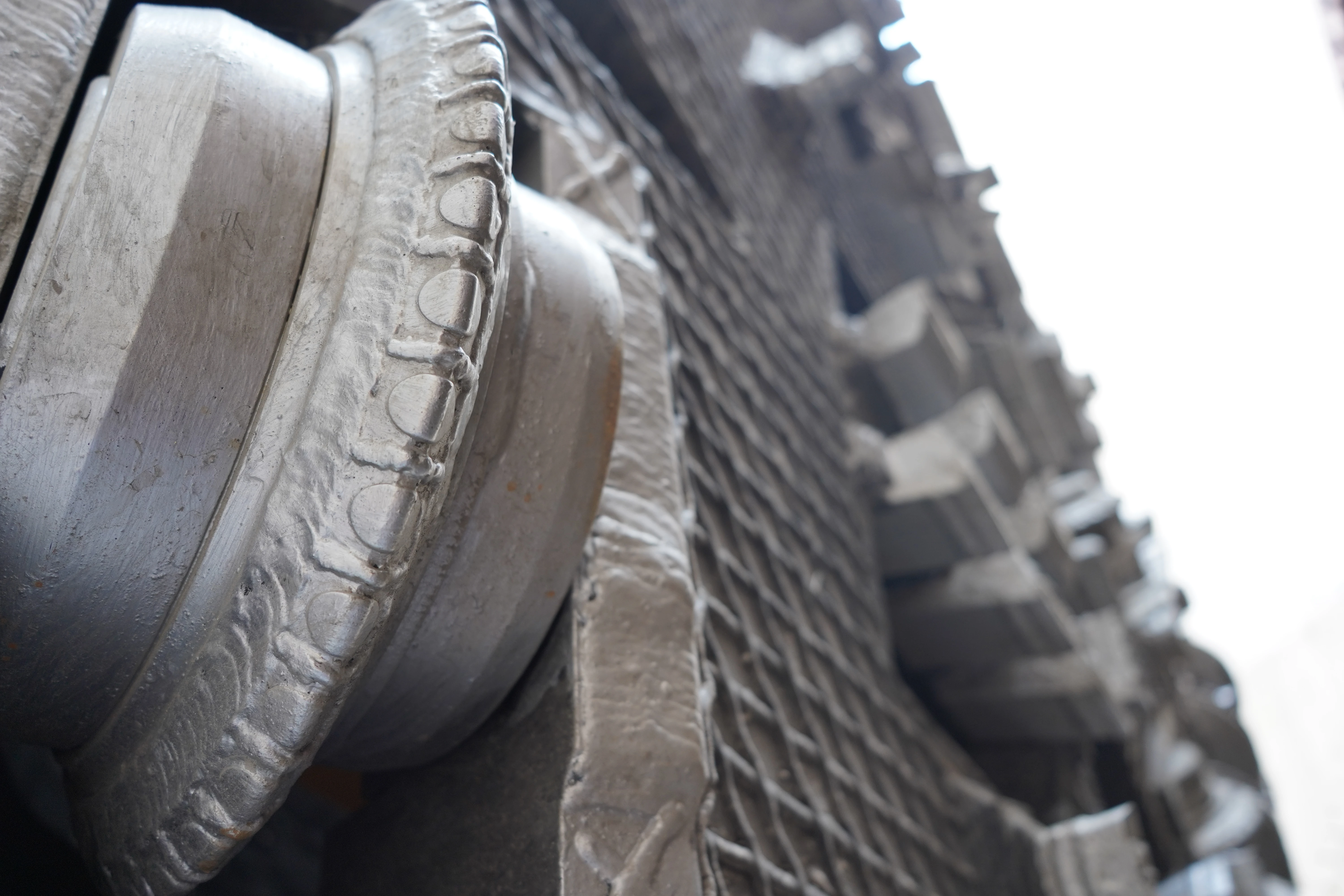
Tunnel boring machines work in hard places. Long drives make small alarms on the TBM machine seem bigger because the equipment gets tired. If you use a tunnel machine for a long time, small alarms can turn into big problems. The cutterhead and face support systems must work harder as the drive goes on. Face instability can slow the work and make things harder. If you ignore small alarms, you could have major breakdowns. CEGC builds tunnel boring machines and microtunnelling machines to handle these tough jobs. You should pay attention to every alarm, even if it looks small. The longer you drive, the more important it is to fix alarms fast.
Cumulative Effects During Extended Drives
Long drives make small alarms on the TBM machine worse by letting problems build up. You see alarms for cutterhead wear, muck transport, or face pressure. If you keep tunneling without stopping, these alarms can add up. Small alarms may not look bad at first, but they can mess up your progress. You might have delays or spend more money if you do not fix them. CEGC knows how to use tunnel boring machines and microtunnelling machines in cities and tough ground. Their machines use real-time monitoring to help you find problems early. You can use maintenance plans to keep the tunnel machine working well. Long drives make small alarms on the TBM machine worse, so you must stay alert and act quickly. You protect your project by fixing alarms before they get serious.
Tip: Always check the alarm system during long drives. Quick action stops small alarms from becoming big risks.
Long drives make small alarms on the TBM machine worse in every project. You see this happen in city tunnels, where the ground changes a lot. CEGC gives solutions that help you control face pressure and manage wear. You keep your tunnel boring machine safe and working well by watching alarms closely. Long drives make small alarms on the TBM machine worse, so you need strong monitoring and maintenance plans.
Alarm System Challenges in Tunnel Boring Machines
Alarm Fatigue and Missed Alerts
When you use tunnel boring machines for long drives, you see lots of alarms. Too many small alarms can make you tired and less careful. This is called alarm fatigue. If you get used to alarms popping up, you might miss a big warning. You could ignore a signal that shows a real problem. Operators must stay focused and answer every alarm. You keep your project safe by checking alarms often and not letting tiredness win.
Note: Alarm fatigue makes it easy to miss alerts. You should switch operators and use clear alarm screens to help everyone stay alert.
Impact of Vibration and Wear on Monitoring
Tunnel boring machines deal with strong shaking and lots of wear during long drives. These forces can cause false alarms or hide real problems. You need a strong monitoring system to keep alarms correct. Modern systems use vibration sensors and sound sensors to check machine health. You gather data and use machine learning to guess cutter wear and find issues early. Real-time monitoring helps you act fast and plan repairs. CEGC uses advanced monitoring to make sure alarms work well in tunnel boring machines. You can trust these systems to give clear information and lower risks.
-
Real-time monitoring collects vibration data.
-
Machine learning checks sensor signals to predict wear.
-
Maintenance plans use this data to keep tunnel boring machines working well.
You make things safer and more efficient by using good monitoring and maintenance plans. Tunnel boring machines need reliable alarms to stop expensive delays and keep your project safe.
Solutions for Managing Alarms on Long Drives
Alarm Prioritization and Filtering
You can make alarm management better by paying attention to the most important alerts. When you use a tunnel boring machine for long drives, you get lots of alarms. Not every alarm needs the same attention. You should use a color system to show which alarms matter most. Green means everything is okay. Yellow means you should be careful. Red means you need to act right away. This system helps you know what to do and keeps your team focused.
-
Look at data that shows real problems.
-
Set clear levels for each alarm.
-
Use colors to show how urgent alarms are.
-
Make sure everyone knows how to report and respond.
You also need to manage how you talk about alarms. Good reporting helps you share information and stops too many alerts. This keeps your team ready to act.
Enhanced Monitoring and Maintenance
Advanced monitoring helps you check the health of your tunnel boring machine. Modern systems use sensors to check vibration, pressure, and temperature. These sensors give you live data, so you can fix problems before they get worse. Predictive maintenance lets you fix parts before they break, which saves time and money.
|
Feature |
Benefit |
|---|---|
|
Real-time sensors |
Check machine health and spot issues early |
|
Predictive maintenance |
Fix things before they fail |
|
Geotechnical monitoring |
Find weak spots and water leaks |
|
Automatic safety controls |
Shut down in emergencies |
|
Change thrust, torque, and face pressure |
Regular maintenance helps you stop false alarms. You should check your monitoring devices every year. This keeps your readings correct and stops extra work stoppages. Things like temperature and moisture can change your devices, so you must check them often.
When you use better monitoring and maintenance, you improve tbm performance and have less downtime. Projects with these systems see fewer accidents and faster work cycles. You also improve ventilation by using tunnel ventilation systems and good controls. These systems help control dust and keep workers safe. You must keep ventilation working all the time to meet industry rules.
By using these solutions, you lower alarm risks and make tbm performance better. CEGC gives you custom control systems and tunnel ventilation systems to help you manage your project.
You notice that long drives on tunnel boring machines make small alarms seem bigger. You need to handle alarms to keep the tunnel machine safe. CEGC helps by giving real-time monitoring and good maintenance plans. Using color-coded alarms helps you see problems early. You can spot warnings and stop jams before they happen. You watch for risks all the time so you can act fast. You change how you manage alarms when the ground changes. Fire-resistant hydraulic fluids help keep workers safe. You learn from old tunnel machine jobs to do better. Early warning systems help the tunnel machine work better. You lower fire risks and keep the tunnel boring machine safe. Changing alarm management helps the machine work well. CEGC lets you change things for each project. You make alarm systems better for good results. You trust CEGC to help your machine work its best. You see fewer slowdowns and better results. You finish your job with strong results. Your tunnel boring machine keeps working well. CEGC solutions help you get the best results. Every tunnel drive becomes a success.
-
Color-coded alarms help the machine work better.
-
Watching for risks all the time helps the machine.
-
Changing alarm management keeps the machine working.
-
Fire-resistant fluids keep the machine safe.
-
Early warnings help the machine work better.
-
Custom plans for each project help the machine.
-
Better alarm systems make the machine work well.
-
CEGC solutions make the machine work well.
-
Good maintenance plans help the machine.
-
Real-time checks help the machine work better.
-
Worker safety needs the machine to work well.
-
Fewer slowdowns mean the machine works better.
-
Good tunnel boring machines show strong results.
-
Every tunnel drive is a win.
-
The best results come from CEGC.
-
Your project does well with good results.
FAQ
What steps help you improve fire safety during long tbm drives?
You check fire safety systems often. You use fire safety training for your team. You install fire safety alarms. You keep fire safety equipment ready. You follow fire safety rules.
How do sensors help you with tbm fire safety?
Sensors detect heat and smoke. You use sensors to spot fire safety risks early. You trust sensors to alert you. Sensors help you act fast for fire safety.
Why do you need emergency ventilation and variable speed drives for tbm fire safety?
Emergency ventilation clears smoke fast. Variable speed drives control airflow. You use both to boost fire safety. These tools help you keep tbm safe during fire safety events.


