
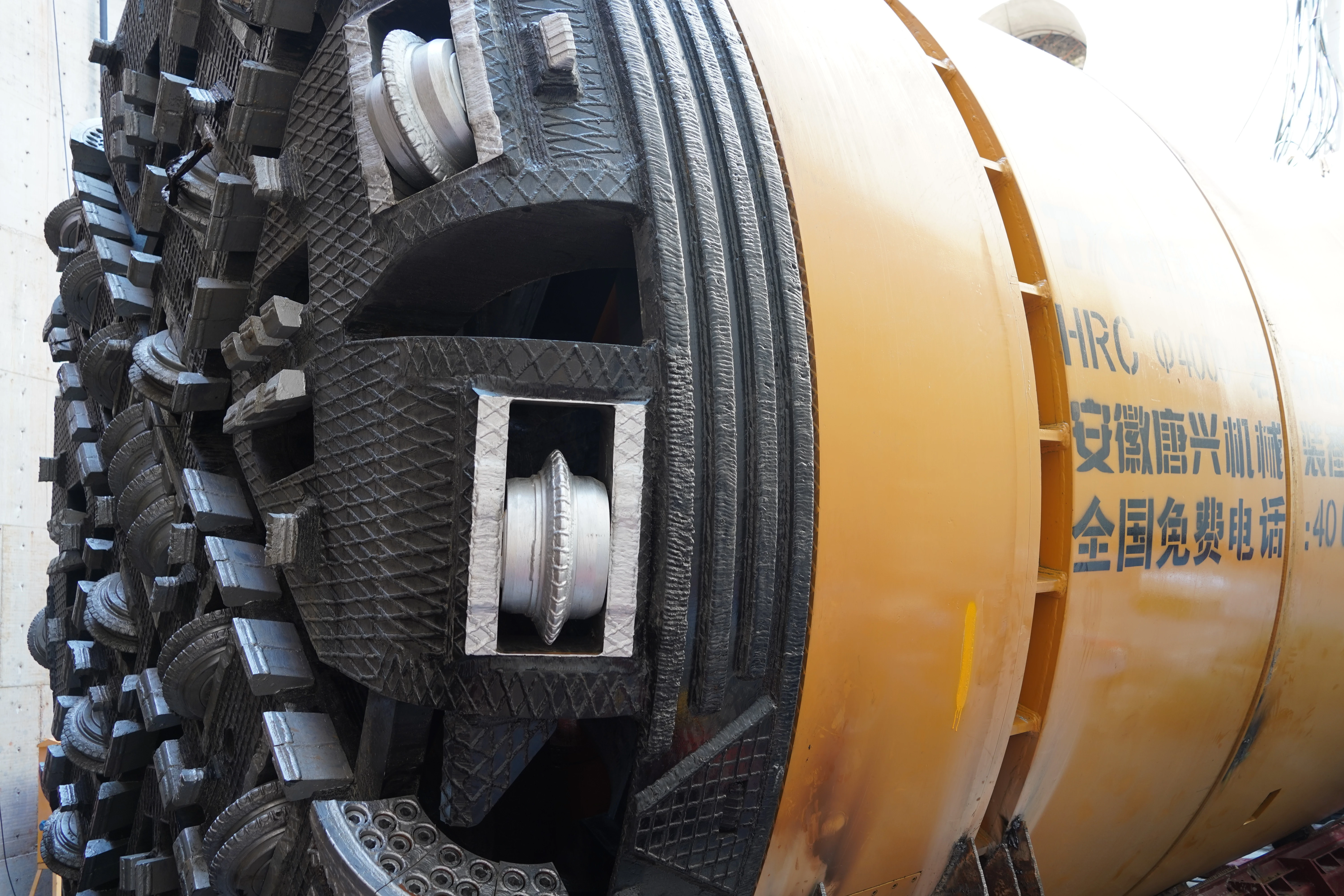
Long drives punish weak discharge on the TBM machine, exacerbating safety risks and increasing project costs. When utilizing a TBM, particularly in extensive tunnel drives, the impact of weak discharge becomes more pronounced, leading to heightened safety concerns and increased downtime. Long drives significantly affect the performance of tunnel boring machines, making weak discharge a critical issue. CEGC offers standard specifications along with customized options to address these challenges. Ground settlement, face instability, cutterhead wear, and logistical complexities further compromise TBM safety and operational efficiency.
Key Takeaways
-
Check your TBM often for damage. Look for cracks and change old cutters. This keeps the machine working well and stops delays.
-
Pick the best muck removal system for your tunnel. Slurry systems are good when water pressure is high. Belt conveyors are easier to take care of.
-
Do careful ground tests before you start your tunnel project. This helps you pick the right discharge system and handle risks better.
Long Drives and TBM Discharge Performance
Wear and Tear in TBM Tunnel Construction
There are many problems during long tunnel drives. The biggest problem is wear and tear on the tunnel boring machine. In tbm tunnel construction, disc cutters get a lot of stress from hard rock and rough soil. You might see plastic bending, cracks, rust, and scraping on these parts. If you do not fix these problems, the cutter head can get damaged. This will make your machine work worse and slow down your project.
You should check your machine often. Look for worn spots and cracks. Change old cutters fast to keep the force even on the cutterhead. Change thrust and torque to fit the ground. For example, use less thrust in hard rock to protect your cutters. These steps help your equipment last longer and keep your tunnel project moving.
Material Handling and Muck Removal
Moving material is very important in tbm tunnel construction. You have to take muck, or dug-up dirt, away from the tunnel face to keep your machine working. If you cannot move muck fast enough, your tunnel boring machine will stop. This will hurt your work and make your project late.
Muck removal is always important for any TBM to go fast, whether it is in soft ground or hard rock. You may have the strongest machine, but if you cannot move the muck, it will not go anywhere.
You need to pick the right discharge system for your job. Two common systems are belt conveyors and slurry pipelines. Each one has good and bad points. The table below shows how they compare for long tunnels:
|
Advantage |
Slurry Discharge Systems |
Belt Conveyor Systems |
|---|---|---|
|
Handling Gases |
Easier to keep gases in slurry pipes |
Needs scrubbers for gas control |
|
Cutterhead Inspection |
Harder and more risky with slurry |
Easier and safer to check |
|
Cost Efficiency |
May need expensive hyperbaric work |
Usually simpler and costs less |
Slurry systems are good for high water pressure or gassy ground. Belt conveyors make cutterhead checks easier and cost less to keep up. You should match your discharge system to your tunnel’s ground and length for the best results.
Ground Settlement and Face Instability
Ground settlement and face instability are big risks in tbm tunnel construction. If you do not control these, you might see the ground move above your tunnel. This can cause claims, work stoppages, and safety problems. Face instability slows your work and makes things harder. You must handle these risks to keep your project on time and on budget.
Face instability makes tunnel boring machines work slower and have more problems. You will see slower work and more trouble. Things like rock strength and stress affect face stability. If you do not plan for these, you might get spalling or rock bursts. These can stop your tunnel drive and make costs go up.
You should always test the ground before you start your tunnel. Good ground tests help you pick the right discharge system and face support. This will help you avoid delays and keep your tbm tunnel construction safe and smooth.
You also need to plan for moving things. Long tunnels often have limits on spoil transport, power, and space. For example, the Hakkoda High-Speed Rail Tunnel in Japan had to deal with spoil disposal and power needs. The Pajares High-Speed Tunnels in Spain had lots of water and long belts for spoil. You must get ready for these problems to keep your work strong all through the tunnel drive.
By knowing these risks and fixes, you can make your tbm tunnel construction better and finish good tunnel projects.
Solutions for Weak Discharge in TBM Machines
Face Pressure and Ground Protection Systems
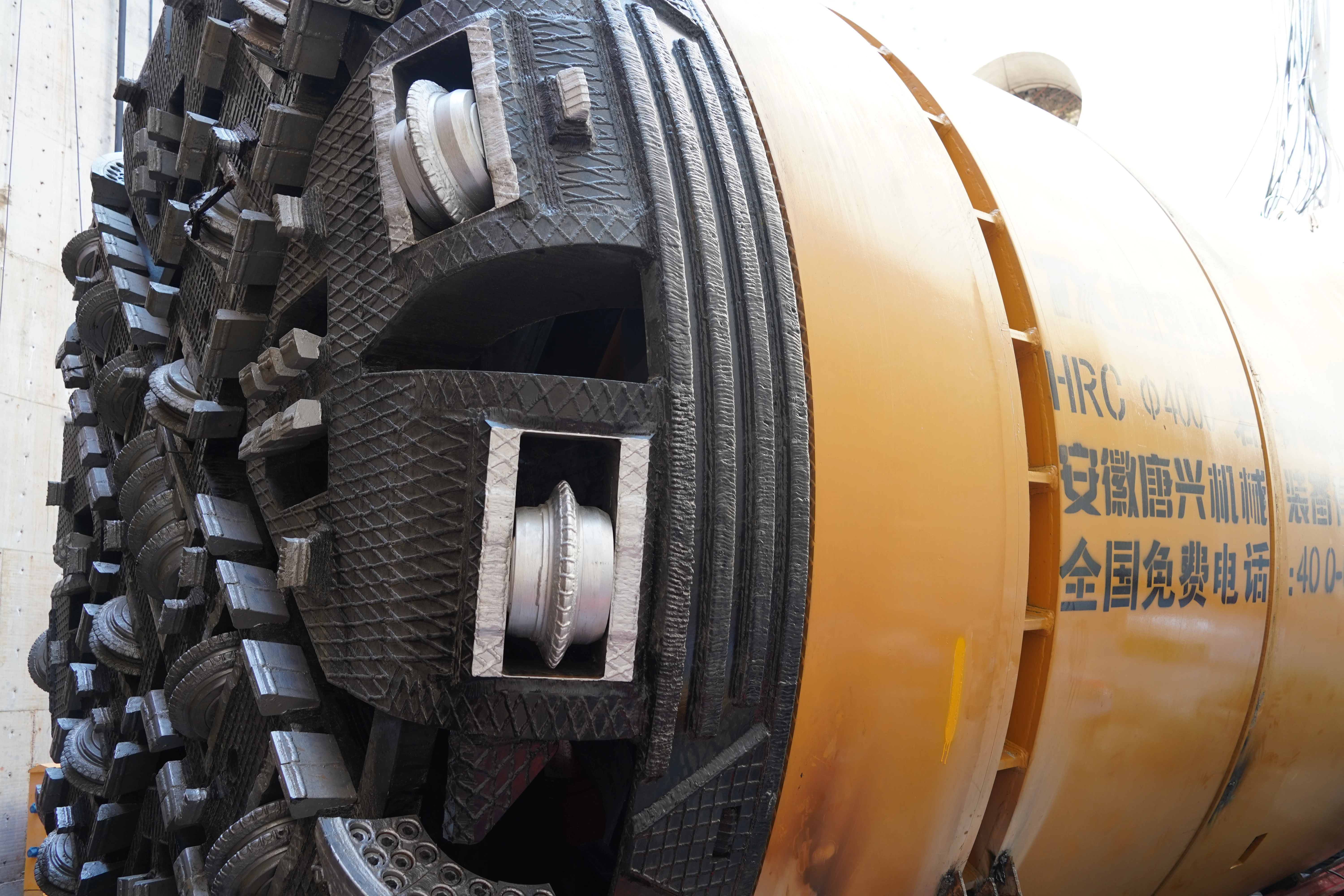
You need strong face pressure and ground protection to keep your tunnel boring machine safe. Closed-mode face support helps you control face pressure and muck discharge. This system can change to fit different ground types. It keeps your machine working well. You can switch modes to match the soil. These systems stop water from getting in and prevent erosion. You can put them in place with normal equipment. Vacuum pumps help when the ground does not let water through. They give you good dewatering and stable digging. CEGC lets you pick the pressure range and sealing design you need. You can make your machine fit your project.
Soil Conditioning and Muck Transport
You must treat the soil to help muck move and discharge better. Soil conditioning changes how soil flows and stops clogging. You can use bentonite slurry or foam to help muck flow. Mixing foam and bentonite slurry gives you plasticity and lets water pass. You should use a bentonite-to-water ratio of 1:8 and foam at 3%. These steps help your machine work in tough ground. You need to watch muck transport and change your system if needed. CEGC gives you tools for soil conditioning and muck transport. You can make your machine work better and keep it running well.
Tip: Make detailed plans and set up access points for long tunnels. This helps you move segments, grout, and utilities.
|
Best Practices for Muck Transport in TBM Tunnel Construction |
|---|
|
Make detailed plans for segment delivery, grout supply, utilities, and working with surface teams. |
|
Set up access points in long tunnels to help move materials and for emergencies. |
|
Work with local groups and leaders to avoid problems and keep support. |
Modular Design and Maintenance for Performance
You need modular design and good maintenance to keep your machine working well. Modular assembly makes moving parts easier and speeds up setup. A small structure takes up less space. You get easy maintenance and can add more parts if needed. Your machine can keep working and handle hard ground. You should check your machine often and use data to plan repairs. Finding problems early lets you fix them fast. This saves money and makes your machine work better. CEGC gives you modular layouts and easy service options. You can change your machine for your project and make it work better. Tracking and data help you keep your machine in good shape.
You deal with lots of dangers in tunnel construction if discharge is weak.
-
Strong water pressure can break tunnel walls and make arches bulge.
-
Bad drainage during heavy rain makes these issues worse.
-
Face instability and losing ground can halt your work.
You can use bentonite slurry, gas checks, and explosion-proof plans to stay safe. Machine learning helps you guess when cutters wear out and how much power you need. These actions help your tunnel work be safer and run better.
FAQ
What makes long tunnel drives challenging for infrastructure projects?
There are many problems with long tunnel drives. Changing ground can slow down your work. You have to keep buildings and pipes safe from moving ground and water. Watching the ground in real time helps you act fast.
How do you handle different ground conditions during TBM operations?
You need to check the ground before you start. You change your tunnel boring machine for hard or soft ground. Watching the ground as you work helps you keep things safe at every step.
Why is infrastructure protection important in tunnel boring machine projects?
You must keep buildings and pipes safe. Bad ground can hurt roads, pipes, and other things underground. You need strong systems to handle tough ground and keep everything safe while you work.
Tip: Always check the ground before you dig. Good planning keeps things safe and helps you finish your project on time.


