
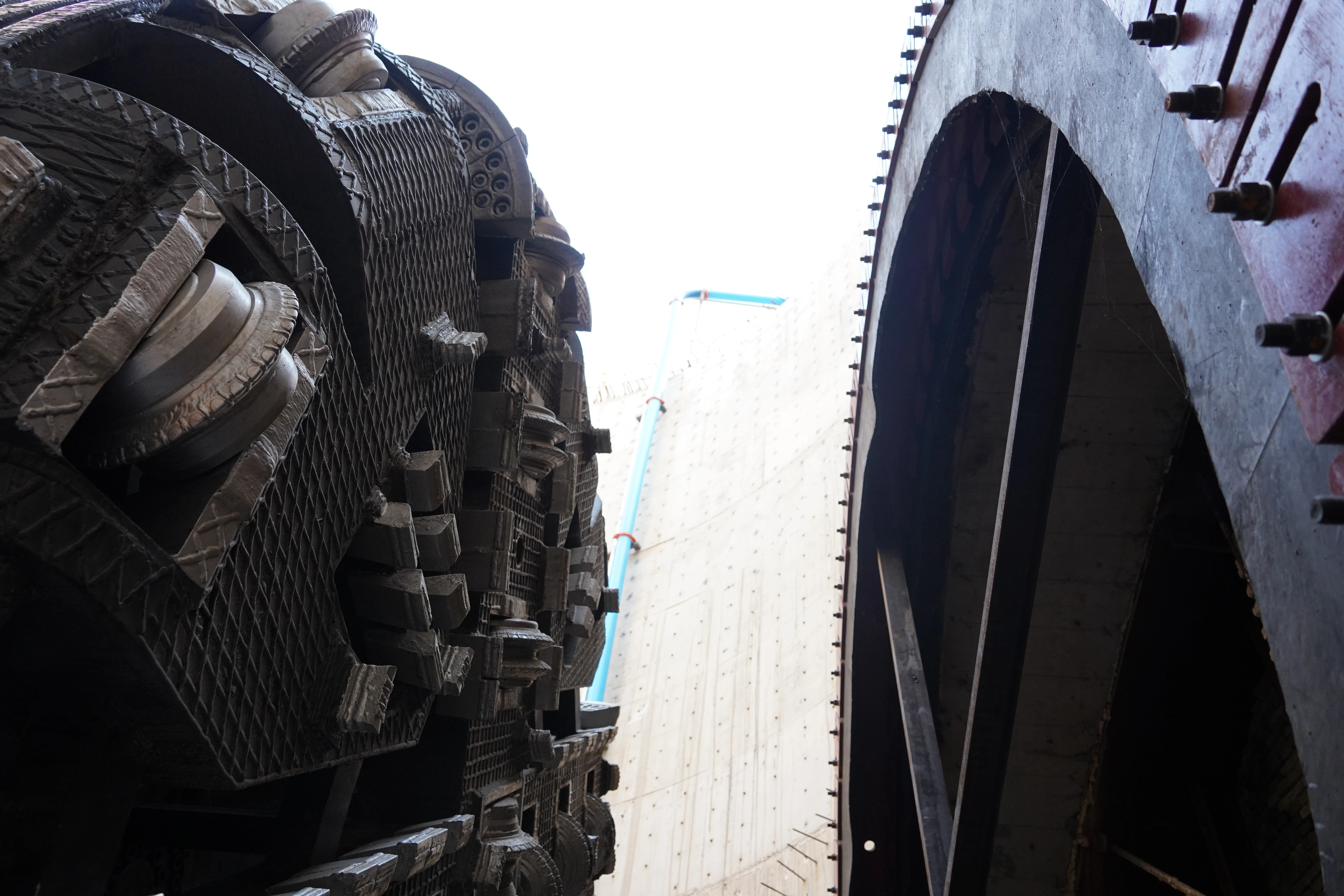
Long drives raise risk on TBM machine cutter life, especially when using a tunnel boring machine for extended tunnel projects. Challenging working conditions can cause TBM machine cutters to wear out rapidly, impacting productivity. Additionally, sourcing spare parts for a tunnel boring machine may take time, leading to project delays. Finding skilled personnel to address maintenance issues can also be difficult. CEGC provides reliable tunnel solutions to help you manage these risks and ensure efficient tunnel boring machine operations.
Key Takeaways
-
Long drives make TBM cutters wear out faster. Checking cutters often and changing them on time helps them last longer. This also makes the project work better.
-
Planning for maintenance is very important. Having a set schedule for maintenance and getting spare parts quickly can lower downtime. This helps keep projects moving as planned.
-
Using the right tools and ways, like predictive maintenance and special cutterheads, can make cutters work better. It also helps cutters wear out less.
How Long Drives Raise Risk on TBM Machine Cutter Life
Cumulative Wear and Fatigue
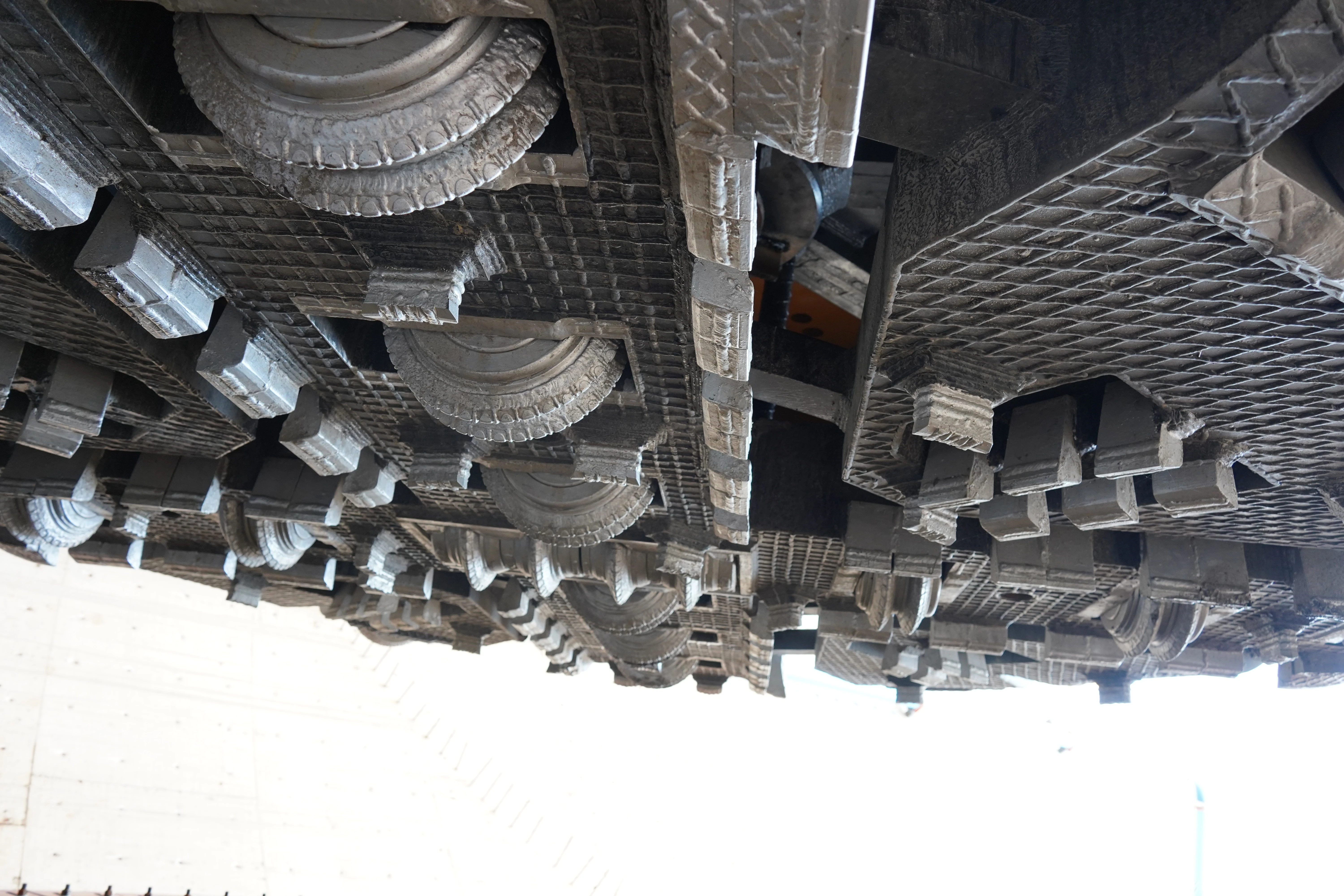
When you use a tunnel boring machine for a long tunnel, the cutters wear out faster. The longer the tunnel, the more the cutters have to cut through hard rock. This makes them get tired and worn down over time. Every time the TBM moves forward, the cutters face rough rocks again and again. This causes the cutters to wear out and get cracks. Studies show that as the tunnel gets longer, the cutters wear down more. For example, if the drive is between 440 km and 2276 km, the disc cutter will cut more and wear more. The shield disc cutter can wear up to 27.5 mm when it moves at its fastest speed of 0.666 m/s.
Long drives make the cutters go through more rock-cutting cycles. This repeated work makes small cracks grow bigger, which weakens the cutter. So, longer tunnels do not just make the cutters wear out; they also make them work less well and break more easily. If you want your cutters to last longer, you need to check them often and plan for regular checks.
Tip: You can use CEGC’s tunnel boring machine and Microtunnelling Machine solutions to match the cutterhead to your project’s ground. This helps you keep the machine working well and control how much the cutters wear out.
Maintenance and Downtime Challenges
When you use a TBM in a long tunnel, you need to fix and change the cutters more often. This means you spend more money and your project can slow down. Sometimes, you find surprises in the ground, like fault zones or loose rocks, that can stop your machine. Rock bursting, which is when rocks break suddenly, can be dangerous for the TBM and your team. If there is a lot of water, it can flood the machine and tunnel, making things harder. Hard and rough rocks make the cutters wear out even faster and can break the cutterhead.
You need to plan ahead to keep your TBM working well. Having a regular schedule for fixing and checking the machine helps you avoid long stops. Getting spare parts quickly also helps. CEGC has tunnel boring machine and Microtunnelling Machine solutions with designs that are easy to fix and take care of. These features help the machine work well and make fixing it easier during long drives.
-
Here is a checklist to help with maintenance:
-
Check the cutters after each time the TBM moves forward.
-
Change cutters before they break.
-
Watch the rock-cutting to see if the cutters are getting tired.
-
Keep spare parts ready so you can change them fast.
-
Long drives make TBM machine cutters wear out faster, but you can handle these problems with the right machine and a good plan for fixing it. CEGC helps you keep your tunnel projects working well and saves you money.
Factors and Solutions for Cutter Life in Long Drives
Geological and Operational Impacts
When you use a tunnel boring machine in a long tunnel, you face many problems. The ground can be hard rock, mixed ground, or soft soil. Each type of ground makes the cutters wear out in different ways. Chamber pressure, cutter installation radius, and torque are important. These things change how fast the cutters wear down. You need to watch these things closely to keep your tunnel boring machine working well.
|
Geological Factor |
Impact on Cutter Wear |
|---|---|
|
Chamber Pressure |
Induces abnormal wear at certain thresholds |
|
Cutter Installation Radius |
Affects wear patterns in mixed ground |
|
Torque |
Correlates with abnormal wear |
If the tunnel face is not stable, your tunnel boring machine has to work harder. The cutters touch the rock for a longer time. This makes them wear out faster. High overburden can cause spalling and rock bursts. These sudden hits can break the cutters and make them last less time.
|
Evidence |
Explanation |
|---|---|
|
This leads to low advance rates, which can increase the time cutters are in contact with rock, leading to wear. |
|
|
Limited operational strategies for managing face instability |
Without effective strategies, cutters may experience increased wear due to unpredictable rock conditions. |
|
High overburden conditions escalate spalling and rock burst risks |
These conditions can lead to sudden impacts on cutters, increasing wear and reducing their lifespan. |
Water getting into the tunnel and alignment problems also make things worse. Water can flood the tunnel and make cutting rock harder. If the tunnel boring machine does not stay on track, the cutters wear out more and do not work as well. You need to control these risks to keep your tunnel boring machine running smoothly.
Hard or mixed ground makes things even harder. In hard rock, the tunnel boring machine moves only 2 meters every hour. Sometimes, it slows down to 500 millimeters an hour. If you do not know what the ground is like, it is hard to plan. Many people use computer models instead of real data from the site. This can cause surprises when the tunnel boring machine starts working.
Moving parts and supplies is also tough. For example, the "Tolt" project in Seattle had a 493 meter tunnel under a river. The ground had sand, silt, and big rocks. In the US, more tunnels are being built, and they are getting longer and deeper. This means you need to plan for different ground types and fix the cutters more often.
Technical Solutions and Best Practices
You can help your tunnel boring machine and cutters last longer by using the right tools. Formation-targeted cutterhead configuration lets you match the cutterhead to the ground. Hybrid cutterheads make cutters last 3.2 times longer. They also help the tunnel boring machine move 215 meters each month. Thrust and torque go down by 36% and 52%.
|
Configuration Type |
Cutter Life Improvement |
Monthly Advance Rate |
Thrust Reduction |
Torque Reduction |
|---|---|---|---|---|
|
Hybrid Cutterhead |
3.2 times |
215 m |
36% |
52% |
You should use predictive maintenance. TunnRL-CC uses smart learning to decide when to change cutters. It looks at how cutters wear in different rocks and helps you make choices with real-time data. This helps cutters last longer and makes the tunnel boring machine work better.
Modular design makes it easy to change cutters. You can take off and put on cutting tips or parts quickly. This saves time and lets you change the tunnel boring machine for each job. You spend less time fixing and keep the tunnel boring machine working well.
Good tools are important for auger boring machine and Microtunnelling Machine jobs. You need cutter heads made for the ground you will dig. Hard facing and carbide tools help cutters work better and stop the ground from getting packed. Hose dispenser systems help with lubrication. Automatic machines like lubrication plants and jacking stations help you work faster in long tunnels. Steering and guidance systems keep the tunnel boring machine on track. Reversible cutter heads and monitoring systems help you find problems and fix pipe damage.
You must pick the right cutter head for the ground. Soft ground needs cutter teeth, bits, and scrapers. Hard ground needs cutter discs. Mixed ground needs special cutter heads for rocks and boulders.
You also need to watch how much energy you use. When cutters wear out, it takes 20–40% more force to cut. Energy use goes up by 35% when cutter wear is more than 12mm. Checking the tunnel boring machine often and making sure everything works right helps you save energy.
|
Cutter Size |
Monthly Advance Rate (m/month) |
Cubic Metres Bored per Cutter |
|---|---|---|
|
19-inch |
446 |
346 |
|
20-inch |
554 |
896 |
Tip: You can use CEGC’s project-based customization to match your tunnel boring machine, auger boring machine, or Microtunnelling Machine to your tunnel project. This helps you achieve longer wear life and better performance in rock-cutting.
Long drives make tbm machine cutters wear out faster. You need to watch the ground and how you use the tunnel boring machine. Use good tools and follow best practices. This keeps your tunnel boring machine working well and helps you cut rock better.
When tunnels are long, cutter life risks go up. More wear means you stop work more and spend more money. You can do better by planning ahead and using smart tools. Some ways to help cutters last longer are predictive maintenance and pre-excavation grouting. CEGC gives you tunnel machine solutions that help your project work well.
|
Maintenance Strategy |
Benefits |
|---|---|
|
Makes cutters last longer and helps tunnels work better |
|
|
Pre-excavation grouting |
Helps tunnels work better and makes cutters last longer |
FAQ
What makes TBM machine cutters wear out faster in long tunnels?
You find more hard rocks and rough ground. The cutters must work harder and get worn out fast. You should check them a lot to keep your tunnel machine working.
How can you extend cutter life during a long tunnel project?
-
Pick the right cutterhead for the ground.
-
Try using predictive maintenance.
-
Pick CEGC’s tunnel boring machine solutions that you can change for your project.
Why is regular maintenance important for TBM tunnel boring machines?
You stop losing time and keep your tunnel boring machine working well. Checking often helps you find problems early and change cutters before they break.


