
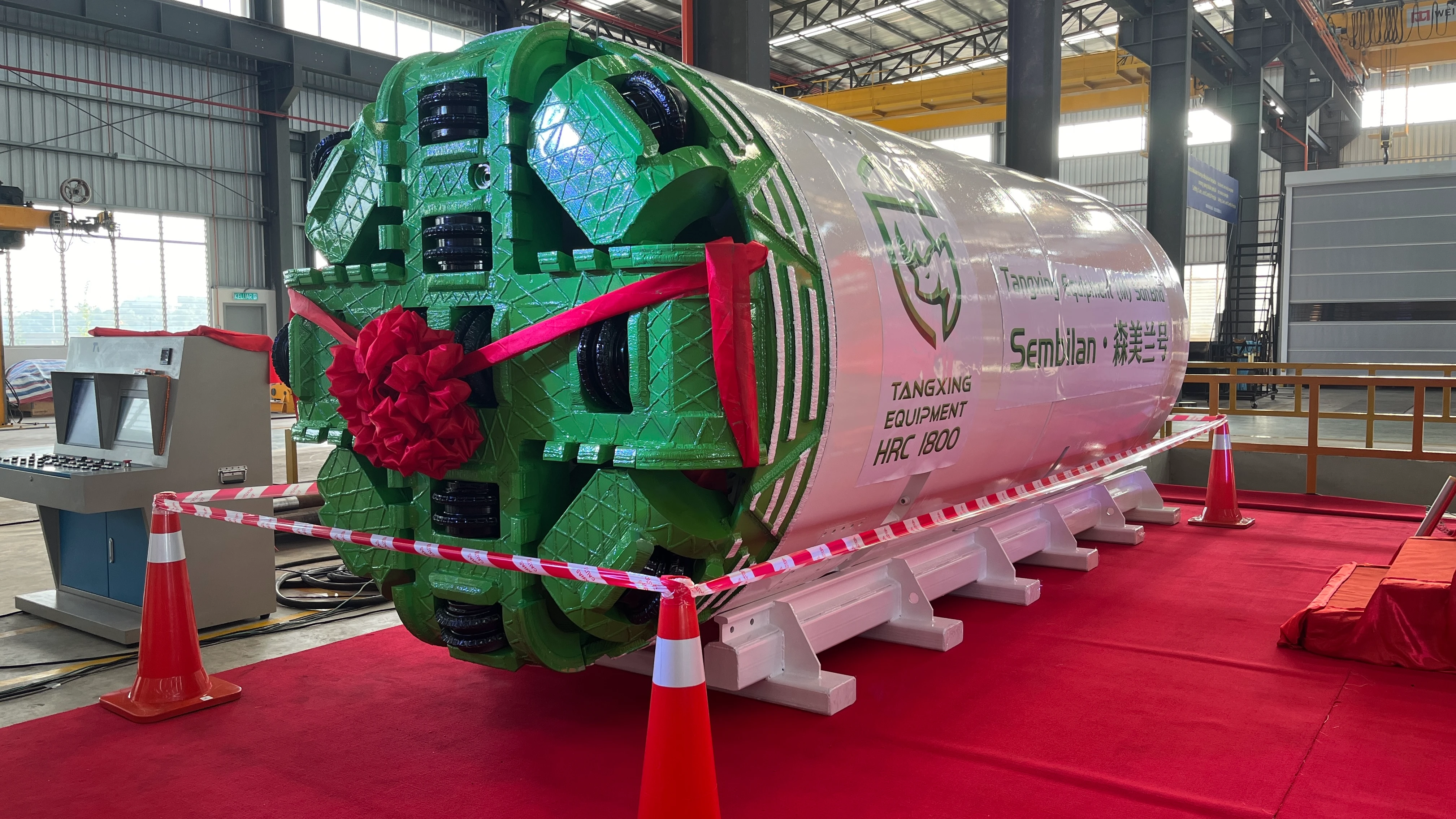
Pipe joint breakage in micro tunneling projects can lead to significant costs and safety risks. Micro tunneling anti-jam plans reduce pipe joint damage by implementing robust technical measures such as packers, soft padding, and precise pressure controls to protect every joint. CEGC offers proven solutions to help you avoid expensive repairs and ensure your project is completed safely.
Key Takeaways
-
Using anti-jam plans with packers and soft materials helps keep pipe joints safe from harm during micro tunneling. - Always watch the jacking pressure and look at the pipe alignment to stop expensive fixes and keep everyone safe. - Put in sensors and cameras to find problems early, so workers can fix them fast.
Pipe Joint Damage Causes in Micro Tunneling
Mechanical and Operational Factors
There are many challenges in micro tunneling. The pipe material is important. Rigid pipes can bend at the joints. Hydraulic joints help move pressure and lower stress. Pipes on curves get more pressure and can hold less weight. Problems from making pipes can cause stress spots. Turning pipes during work can make joints weaker. Curves in the path add more pressure to some spots. Joints with packer cushions spread out the stress. Strong pipes do not crack as easily. Stress can also come from defects or curves.
|
Factor |
Description |
|---|---|
|
Pipe Material |
Rigid materials lead to concentrated deflection at joints. |
|
Hydraulic Joints |
Engineered for proper pressure transfer and less stress peaks. |
|
Eccentric Loading |
Curved alignments increase eccentric loads and reduce capacity. |
Soil and Ground Conditions
Soil and ground conditions are very important. Loose or sandy soils can fall in and hurt joints. If you do not use casing right away, joints can break. Picking the right pipe and method helps. These choices lower the chance of damage in micro tunneling.
-
Loose soils can fall in and harm pipe joints.
-
Using casing protects joints after digging.
-
Good material and methods lower damage risk.
Equipment and Alignment Issues
Problems with equipment and alignment can break pipe joints. You should check for cracks or layers coming apart near joints. Water leaks or stains show there is a problem. Sealant must stay in place; if it washes out, joints get weak. Pipes can change shape, like becoming oval or bending. Scratches deeper than 5% of the wall can cause trouble. Things like debris or bent rods can hurt joints. Checking alignment with lasers or levels makes sure pipes are in the right spot.
|
Type of Issue |
Description |
|---|---|
|
Cracks/Delamination |
Stress cracks near joints and fiber separation. |
|
Water Seepage & Leaks |
Active leaks, drips, or staining at joints. |
|
Sealant Integrity |
No washout of grout or sealant around joints. |
|
Pipe Deformation |
Ovality, buckling, or localized bending. |
|
Surface Damage |
Scratches or gouges deeper than 5% of wall thickness. |
|
Obstructions |
Debris or bent alignment rods affecting joint integrity. |
|
Alignment & Grade Verification |
Laser/level checks for installed slope vs. design tolerances. |
Micro tunneling anti-jam plans help stop pipe joint damage. They fix these problems and make projects safer.
How Micro Tunneling Anti-Jam Plans Reduce Pipe Joint Damage
Anti-Jam Plan Components
You need a good plan to keep pipe joints safe during micro tunneling. Anti-jam plans help you stop expensive repairs and keep everyone safe. These plans use a few important steps:
-
Monitoring: You watch how pipes move and check pressure while tunneling. Sensors and cameras help you find problems early.
-
Lubrication: You add lubricant to make pipes slide easier in the soil. This keeps jacking pressure low and helps protect the joints.
-
Alignment: You use lasers and levels to keep pipes straight. Good alignment stops pipes from bending or breaking at the joints.
-
Contingency Procedures: You get ready for jams or surprises. Fast action stops damage and keeps the project going.
Micro tunneling anti-jam plans lower pipe joint damage by using all these steps together. You make the work safer and protect your money.
Packers, Cushioning, and Jacking Pressure
Packers and cushioning materials are important for joint safety. You put packers between pipe joints to spread out the force. This stops stress from building up in one place.
Packer cushions work well to lower pipe joint damage during micro tunneling because they spread out the load and stop stress from building up. Using packer cushions helps stop stress that can break pipes, especially if the packer stays springy. Tests show that medium density fiberboard works best as a packer because it bounces back well, which helps protect pipe joints.
You can pick from different packer types. Each type is good for certain jobs.
|
Type of Packer |
Advantages |
Limitations |
Best For |
|---|---|---|---|
|
Standard Grouting Packer |
Strong for high-pressure jobs |
Not good for complex shapes |
Concrete crack injection |
|
Single-Acting Packer |
Easy to install, saves money |
Less control over grout spread |
Early grouting assessments |
|
Double-Acting Packer |
Precise grout placement |
Harder to install |
Large repairs |
|
Automatic Grouting Packer |
Self-regulates grout flow |
Needs careful setup |
Automated systems |
|
Inflatable Packer |
Fits uneven or curved surfaces |
Not as tough in rough soils |
Mining operations |
You also need to control jacking pressure. If you push too hard, you can break the joints. How pipes react during jacking depends on the ground and how well you spread lubricant. Pipes and joints have different strengths. If you use too much force, you might break the joints. You need to watch the pressure and change it if needed.
Safe Force Transfer and Joint Integrity
Safe force transfer keeps pipe joints strong. You want the force to move evenly from one pipe to the next. This stops weak spots from forming.
|
Aspect |
Description |
|---|---|
|
Hydraulic Joints |
Engineered pressure transfer rings that ensure even distribution of jacking forces across pipe joints. |
|
Stress Concentration |
Minimizes stress concentrations that could lead to joint failure. |
|
Eccentric Loading |
Reduces eccentric loading on pipes during force transfer, especially in curved alignments. |
|
Axial Load Capacity |
Maintains axial carrying capacity despite substantial eccentricity in load transfer. |
You can use safe force transfer methods to lower the chance of joint failures. Field tests show that ways like LS Lift and 6+ Lift help stop motion and lower the risk of joint damage.
|
Technique |
Impact on Spinal Motion |
Risk of Joint Failures |
|---|---|---|
|
LS Lift |
Minimizes motion |
Reduces risk |
|
6+ Lift |
Minimizes motion |
Reduces risk |
You should do these things for the best results:
-
Check pipe alignment often.
-
Use packers and cushioning at every joint.
-
Watch jacking pressure and change it if needed.
-
Be ready for jams with clear steps.
-
Teach your team to spot early signs of trouble.
Tip: Do not skip packers, ignore pressure spikes, or forget to check alignment. These mistakes can hurt joints and slow down your project.
Micro tunneling anti-jam plans lower pipe joint damage by using these technical steps. You keep your pipes safe, save money, and finish your project without problems.
Implementation and Best Practices
Step-by-Step Anti-Jam Plan
You should follow a simple plan to keep pipe joints safe during micro tunneling. First, check all your equipment before starting. Put packers and cushioning at every joint. Use sensors to watch jacking pressure. Add lubricant to help pipes slide easily. Use laser tools to keep pipes straight. Make a checklist for each step.
-
Look at pipes and joints.
-
Put in packers and cushioning.
-
Set up pressure sensors.
-
Add lubricant.
-
Check if pipes are straight.
-
Go over backup steps.
Tip: Keep your checklist close. Read it before every shift.
Ongoing Prevention and Monitoring
You need to look for problems while you work. Use cameras and sensors to see how pipes move. Write down jacking pressure numbers. Check joints after you put in each pipe. Teach your team to find leaks or cracks. Change your plan if you find new risks.
|
Prevention Task |
How Often |
Who Should Do It |
|---|---|---|
|
Pressure checks |
Every hour |
Crew leader |
|
Joint inspection |
Each pipe |
Technician |
|
Alignment check |
Daily |
Surveyor |
Common Mistakes to Avoid
Do not skip packers or forget to check pressure. Always check if pipes are straight. If you miss these steps, joints can get damaged. Change your plan if things are different. Micro tunneling anti-jam plans work best when you follow these steps.
Alert: Never hurry the job. Careful work saves money and keeps everyone safe.
You need anti-jam plans to keep pipe joints safe in micro tunneling. Using things like packers, soft padding, and pressure checks helps stop expensive fixes. Anti-roll solutions use grippers that push hard on the cutterhead. These steps make your project safer. You should look at your plan often and make it better.
-
Grippers in anti-roll solutions push with full force.
-
Packers and soft padding help protect the joints.
-
Controlling pressure stops damage from happening.
Checking things often helps you find problems early and keeps your project going well.
FAQ
What is the most expensive cost driver in micro tunneling?
You spend the most on pipe joint repairs and downtime from jams. Careful planning and monitoring help you avoid these high costs.
How often should you check jacking pressure during tunneling?
You should check jacking pressure every hour. This helps you spot problems early and keeps your pipe joints safe.
Can you use the same anti-jam plan for every soil type?
No, you need to adjust your plan for each soil type. Different soils need different packers, lubricants, and pressure settings.


