
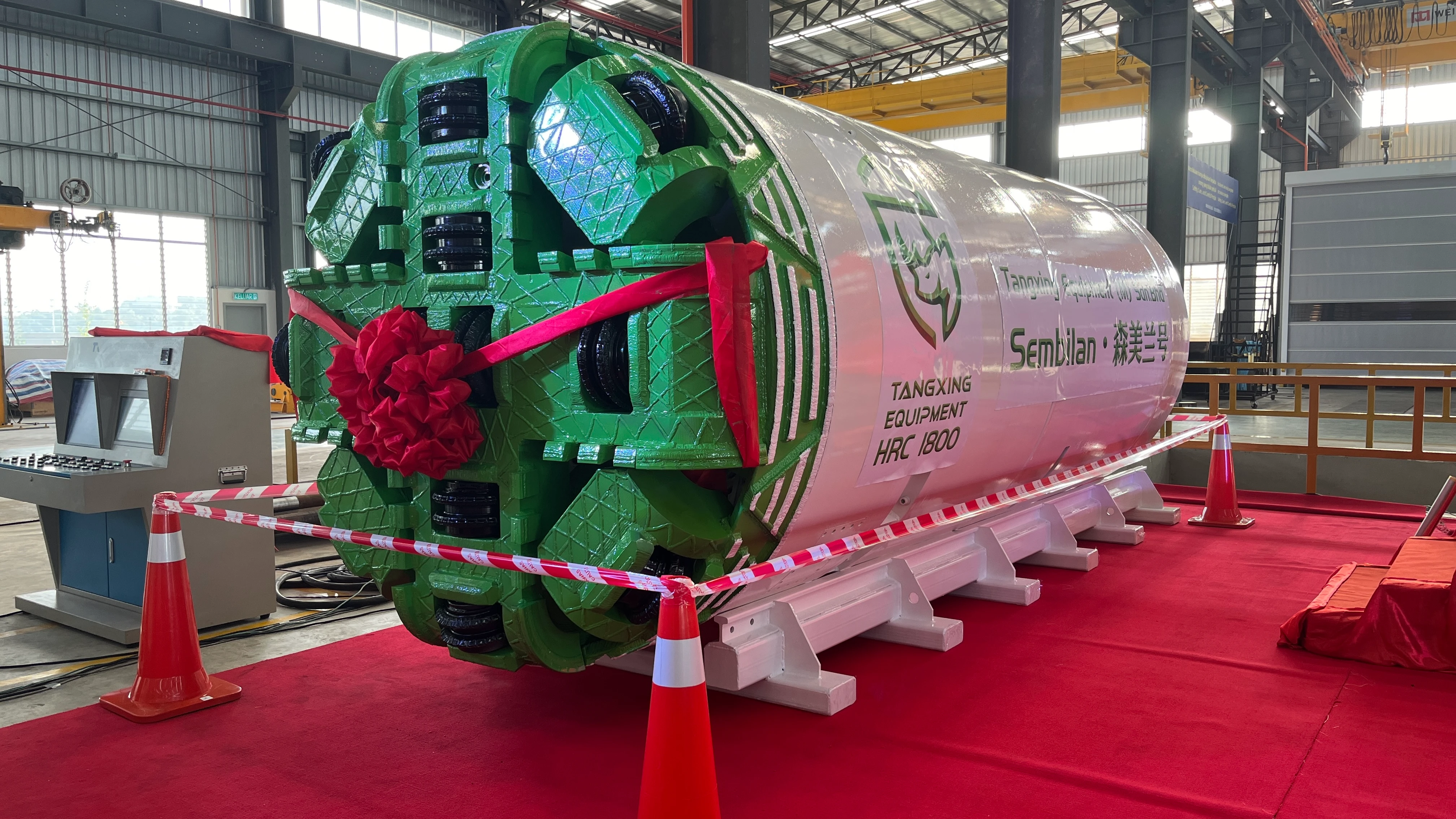
You face significant challenges if micro tunneling guidance loss can force a shutdown. Guidance systems are essential for your tunnel machine and TBM to maintain a straight and safe path. Robotics enhance precision in the work process, while BIM and machine learning improve overall tunneling efficiency. Jamming can lead to costly slowdowns. CEGC provides effective solutions and supports your crisis management plan.
Key Takeaways
-
Micro tunneling guidance loss can cause big safety problems and slow down the project. Stop the machine right away if guidance loss happens to keep workers and property safe.
-
Make a good crisis management plan. The plan must have easy steps for finding problems, fixing them, and getting back to work. This helps keep downtime short and keeps everyone safe.
-
Use guidance systems that work well and tools that watch in real time. These tools help keep the tunnel straight and stop expensive errors during tunneling jobs.
micro tunneling guidance loss can force a shutdown
what is guidance loss?
You need guidance systems to keep your tunnel machine on track. Guidance loss means these systems stop giving correct information. This can happen if sensors break, electricity fails, or the ground causes problems. When guidance loss happens, you cannot tell if your tunnel is straight. You also cannot check if it follows the planned path. Micro tunneling guidance loss can force a shutdown because you lose control of the machine’s direction. You must stop working to avoid mistakes that are hard to fix.
operational and safety risks
Micro tunneling guidance loss can force a shutdown for many reasons. If you keep tunneling without guidance, your machine can go off course. This can make the tunnel miss its target. You might hit other utilities or make a tunnel that does not fit the project plan. If the tunnel moves too far, the ground can settle. This can damage roads, buildings, or pipes above the tunnel. There are safety risks too. Workers and people nearby can be in danger if the ground shifts or the tunnel collapses. You must stop the machine right away when you notice guidance loss. This helps protect people and property.
regulatory and contractual triggers
Micro tunneling guidance loss can force a shutdown because rules and contracts say you must keep the tunnel on track. Many cities and project owners set strict limits for tunnel alignment. If you go outside these limits, you must stop and report the problem. Contracts often require guidance systems at all times. If you lose guidance, you cannot continue until you fix the issue. Regulators may check your work and ask for proof that you followed the rules. If you do not stop after guidance loss, you can get fined or lose the contract. You need a plan to respond quickly and show you acted responsibly.
CEGC helps you with trenchless engineering solutions to avoid shutdowns. The company gives you reliable guidance systems for your tunnel machine and TBM. These systems work well even in tough ground conditions. With CEGC’s help, you can lower the risk that micro tunneling guidance loss can force a shutdown on your project.
detection, response, and crisis management plan
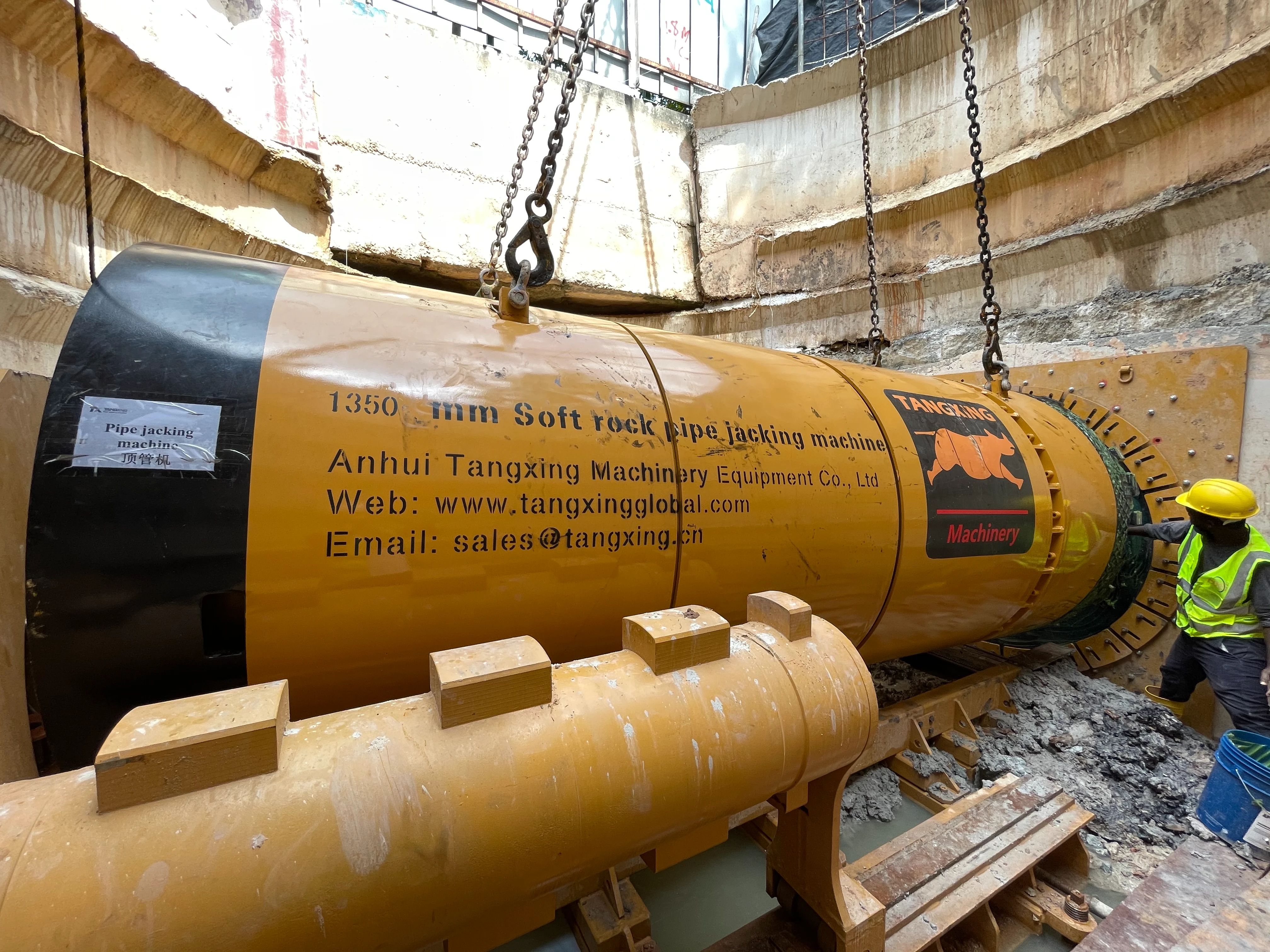
real-time detection methods
You use real-time detection to find guidance loss fast. Monitoring tools help you get data right away. Intelligent systems watch the tunnel boring machine for changes. You use platforms to check cutterhead force and tunnel alignment. These tools warn you early about dangers and surprises. You can act before a crisis gets worse. Real-time monitoring makes your risk plan better. It helps your crisis team respond quickly.
shutdown protocols and crisis management plan
You must follow shutdown steps when guidance loss happens. Your crisis plan shows you what to do next. You stop the machine and make the site safe. Your crisis team checks the tunnel’s condition and decides the next move. You talk to all workers and project owners. The crisis plan gives clear roles and steps to follow. It helps you handle emergencies and lowers project risks. You avoid costly repairs and keep everyone safe.
Tip: Always check your crisis plan before a new project. This helps you get ready for any crisis and keeps your team prepared for emergencies.
pipe rehabilitation for force mains and project recovery
Pipe rehabilitation for force mains is important after guidance loss. You use it to fix pipes and get the tunnel working again. Pipe rehabilitation for force mains keeps your project going. You check how guidance loss affected the pipes and plan repairs. Your crisis team works with experts to finish pipe rehabilitation for force mains fast. This cuts downtime and reduces hazards. CEGC helps you with quick response and good solutions for pipe rehabilitation for force mains.
prevention and mitigation strategies
best practices for guidance system setup
You need a strong guidance system setup to keep your trenchless project safe. Good setup helps you stop shutdowns and avoid big mistakes. Try these best practices to stop guidance loss:
|
Best Practice |
Description |
|---|---|
|
Operational Consistency |
Make sure your trenchless team always follows the same steps. This stops mix-ups and mistakes. |
|
Communication |
Talk clearly with your trenchless crew. Good talking keeps everyone safe and up to date. |
|
Preventive Maintenance |
Check your trenchless equipment often. Change old parts before they break. |
|
Documentation |
Write down what you do and notice. Good notes help you fix problems faster in trenchless work. |
minimizing downtime and resuming operations
If guidance loss happens, you must act fast to keep your trenchless project going. Follow these steps to get back to work safely:
|
Procedure Type |
Description |
|---|---|
|
Make sure everyone is safe. Tell your trenchless team about the problem right away. |
|
|
Recovery Strategy |
Plan how to fix the guidance system. Use backup tools if you have them. |
|
First Alert Procedures |
Let your trenchless leaders know what happened. Check the damage and decide what to do next. |
You can lower downtime by having a clear plan. This keeps your trenchless project safe and on time.
CEGC solutions for TBM machine reliability
CEGC gives you many ways to make your trenchless tunnel machine and TBM more reliable. You can pick special equipment for your trenchless job. CEGC experts help you plan, choose the right tools, and check the ground. You get help with putting things together, testing, and training your trenchless crew. CEGC also keeps extra parts ready so you can fix your trenchless machine fast. These solutions help trenchless rehabilitation and keep your trenchless project working well.
You have to stop your tunnel machine if guidance is lost. It is dangerous to keep working without knowing the tunnel’s direction. The danger gets worse as you dig more. Problems can happen like ground sinking, holes on the surface, or the machine breaking. You cannot let these dangers go. You must act quickly to make things safer.
-
You can have trouble with soil control.
-
You can lose slurry during tunneling.
-
The ground can move and cause issues.
-
The surface can get damaged easily.
-
The tunnel can collapse and cause harm.
-
You might hit other utilities underground.
-
You can get penalties from contracts.
-
Safety problems can put people at risk.
-
Your project can be delayed a lot.
-
Equipment can break and stop work.
-
Water can leak into the tunnel.
-
The ground can become unstable.
-
You can miss the tunnel’s target.
-
Voids can form under roads.
-
Repairs can cost a lot of money.
-
You can waste time on fixes.
-
Records can be poor and cause confusion.
-
Stoppages can happen without warning.
-
Regulators can take action against you.
-
People can lose trust in your work.
-
Work can stay unfinished.
-
Money can be lost from problems.
You need good guidance systems and a crisis plan to stay safe. Use laser guidance, GPS, and real-time monitoring to help your tunnel machine stay on track.
|
Technology |
Contribution to Project Success |
|---|---|
|
Laser Guidance |
Keeps the tunnel straight and helps the project succeed |
|
GPS Technology |
Makes navigation better and lowers mistakes in tunneling |
|
Real-time Monitoring |
Watches the machine and ground to fix problems early |
|
Predictive Maintenance |
Finds equipment issues before they happen and saves time |
You can count on CEGC for solutions that fit your needs. CEGC has helped real projects, like one in Chongqing City, China. With CEGC’s help, you lower danger and make your project better.
FAQ
What should you do first if you lose guidance during micro tunneling?
You must stop the tunnel machine. You need to start your crisis plan. You should check the guidance system. You must keep everyone safe during the crisis.
Why does a crisis plan matter for micro tunneling projects?
A crisis plan helps you act fast. You know what to do in a crisis. You can protect your team. You can save time and money during a crisis.
How can CEGC help you manage a crisis in tunnel machine operations?
CEGC gives you tools for crisis detection. You get support for crisis response. You can fix problems fast. You can keep your project safe during a crisis.
-
You must always have a crisis plan ready.
-
You should train your team for a crisis.
-
You need to check your equipment before a crisis.
-
You must report every crisis to project leaders.
-
You can use real-time monitoring to spot a crisis.
-
You should follow shutdown steps in a crisis.
-
You must review your crisis plan after each project.
-
You can lower risks with a good crisis plan.
-
You need backup systems for a crisis.
-
You should keep records of every crisis.
-
You must update your crisis plan often.
-
You can ask CEGC for crisis support.
-
You should learn from each crisis.
-
You must act fast in a crisis.
-
You can use guidance systems to avoid a crisis.
-
You should check the ground before a crisis.
-
You must talk to your team during a crisis.
-
You can use sensors to detect a crisis.
-
You should have spare parts for a crisis.
-
You must follow safety rules in a crisis.
-
You can use training to prepare for a crisis.
-
You should test your crisis plan.
-
You must keep communication open in a crisis.
-
You can use CEGC’s solutions for crisis recovery.
-
You should review crisis events with your team.
-
You must fix all issues after a crisis.
-
You can use data to improve your crisis plan.
-
You should share crisis lessons with others.
-
You must check alignment after a crisis.
-
You can use technology to manage a crisis.
-
You should always stay ready for a crisis.
-
You must never ignore a crisis.
|
Crisis Step |
What You Do in a Crisis |
|---|---|
|
Stop Machine |
You stop work during a crisis |
|
Check Guidance |
You check systems in a crisis |
|
Inform Team |
You tell your team about the crisis |
|
Start Recovery |
You begin repairs after a crisis |
Tip: Always review your crisis plan before you start a new project. This keeps your team ready for any crisis.


