
Micro tunneling hates data loss in tight corridors. Data keeps your tunnel machine safe and ensures your project stays on track. It also helps you control costs and allows you to identify risks early. CEGC provides you with data through advanced TBM technology. Keeping data safe not only protects your reputation but also safeguards your investment.
Key Takeaways
-
Data is very important for your tunnel project. It helps keep things safe and on time. Use new technology to check and guard your data.
-
Look for risks early by watching for warning signs. These can be things like the ground moving or water getting in. Act fast to stop data loss.
-
Teach your team about safety rules and how to watch data. A ready crew makes fewer mistakes and keeps the project safer.
micro tunneling hates data loss: causes and early detection
Ground settlement and face instability risks
There are many dangers when working in tight corridors. Micro tunneling hates data loss here because ground movement can cause trouble. Digging close to buildings or roads can make the ground sink. This sinking can hurt nearby buildings and stop your work. You must look for warning signs early. If you see cracks or dips, check your tunnel machine’s data fast. CEGC’s face pressure control and ground protection systems help keep the ground steady. These systems give you live data so you can act quickly.
In crowded city corridors, you face:
Not much room for your tunnel boring machine.
Pipes and cables that make planning tough.
More ground movement, which means more risk of data loss.
Water ingress and pressure loss signals
Micro tunneling hates data loss in tight corridors when water gets in. Water can rush into the tunnel and make the face unstable. You need to watch your TBM’s sensors for any changes. The table below lists warning signs you should always notice:
|
Warning Signal |
Description |
|---|---|
|
Sharp Pressure Drop |
A sudden drop in pressure means water may be getting in. |
|
Pressure Relief Wave |
A wave ahead of the face can warn about water coming in. |
|
Pore Water Pressure Increase |
A quick rise in pore water pressure means a higher risk of water coming in. |
CEGC’s sealing and pressure systems help you stop water from getting in and keep your data safe.
Alignment deviation and overcut warning signs
Micro tunneling hates data loss in tight corridors if the tunnel goes off track. If your tunnel machine moves away, you could hit pipes or miss your goal. You should check your data for small changes in direction. Overcutting can happen if the cutterhead moves too far. CEGC’s guidance and steering systems help you stay on track. These systems give you the data you need to keep your project safe in tight spaces.
prevention strategies and CEGC technical solutions
Pre-project planning and risk assessment
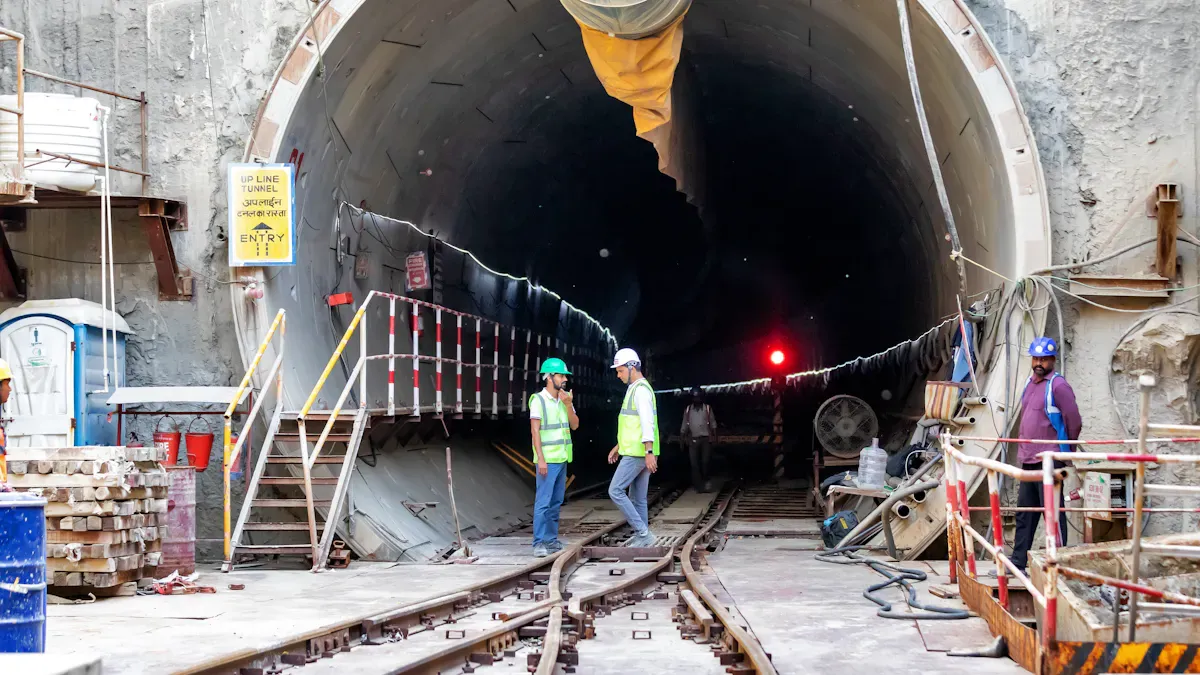
You need a good plan before tunnel work starts in tight corridors. Start by checking for risks. Look at the ground, nearby buildings, and pipes. Make a map to show where sensors will go. Sensors help you watch for ground movement and water. Planning helps you avoid problems and keeps your project safe. Always follow safety rules to protect your team and others.
Real-time monitoring with tunnel machine technology
You must use real-time monitoring during tunnel work. Sensors on your tunnel machine collect data all the time. This data shows if the ground moves or water gets in. Advanced monitoring helps you spot trouble early and act fast. Machine learning finds patterns in the data. This helps you catch data loss before it causes problems. You can share info with your team right away. This makes your project safer and keeps it on track.
|
Feature |
Description |
|---|---|
|
Lets you change ground support quickly, making work safer and better. |
|
|
Adaptive support strategies |
Connects what you see to how you respond, so everyone makes the same choices. |
|
Communication capabilities |
Helps share info with everyone, so teams work together and experts can help. |
|
Automated reporting |
Makes reports about the project, helping you talk to clients and rule makers. |
|
Ongoing training for personnel |
Teaches workers to read data and react to alerts, so the monitoring system works best. |
Face pressure control and sealing systems
You must keep face pressure steady to stay safe. If pressure drops, the ground can move or water can rush in. CEGC’s tunnel boring machine uses closed-mode face support. This keeps pressure steady. Sealing and waterproofing systems stop leaks and protect your data. Remote guidance and real-time telemetry help you adjust pressure. Set clear limits for jacking forces and settlement. These steps help you avoid data loss and keep tunnel work safe.
|
Factor |
Impact on Data Loss |
|---|---|
|
Face Pressure Control |
Stops ground from moving or sinking, so data loss is less. |
|
Cutterhead Speed |
Changes how well the machine works and keeps data safe. |
|
Slurry Density |
Helps keep the tunnel stable and lowers risks. |
-
Use remote guidance and real-time telemetry to control settings.
-
Set limits for jacking forces and settlement.
-
Avoid hitting pipes by checking carefully and using alerts.
Redundant data logging and backup protocols
You must keep your data safe with backup systems. Use redundant data logging to record info in more than one place. If one system fails, you still have your data. This is very important in tight corridors. Test your backup plans often. Make sure sensors and waterproofing work together to protect your data. Good backup systems help you recover fast if something goes wrong.
Team training and workflow standardization
You need a trained team for safe tunnel work. Teach your crew to use sensors and follow safety rules. Make sure everyone knows the steps. Hold safety meetings and drills often. Show your team how to use waterproofing and respond to alarms. When your team knows the plan, mistakes are fewer and your data stays safe.
Troubleshooting and contingency planning
You must be ready for problems before they happen. Make a troubleshooting guide for your tunnel machine. List common problems and how to fix them. Make a plan for emergencies like water leaks or sensor failures. Practice these plans with your team. Keep extra sensors and waterproofing ready. Acting fast keeps tunnel work safe and protects your data.
Tip: Always check your data after each shift. Look for signs of ground movement, water getting in, or sensor errors. Acting early stops bigger problems.
You keep your project safe by protecting data in tight corridors. Use CEGC’s tunnel machine solutions to control data and fit your project. Check this list: watch your data, teach your team, and save your data in backups. Always pay attention. Using data all the time makes your project safer and helps you manage risks.
|
How It Helps You |
|
|---|---|
|
Tailored equipment for urban and complex geology |
Works for your project’s special needs |
|
Expert technical consulting for project planning |
Makes your work and logistics easier |
|
Comprehensive trenchless engineering support |
Solves tough ground and setup problems |
|
Factory-trained technicians for on-site installation |
Makes sure everything is set up right in cities |
|
Benefit |
Description |
|---|---|
|
Improving all the time makes work faster and saves money in tunneling projects. |
|
|
Improved Safety |
Watching data closely helps you spot risks early, stops accidents, and keeps workers safe. |
|
Better Risk Management |
Using data together helps you stop problems before they get worse. |
FAQ
What makes data so important in tunneling projects?
Data lets you see how the tunnel is moving along. It helps you find problems early and pick good ways to fix them. Data keeps your tunnel project safe and on time.
How do CEGC solutions help with tunneling under operating highways?
CEGC solutions help when you dig tunnels under busy roads. They keep your data safe and help control the ground. These solutions make sure tunneling is safe in crowded places.
Why should you trust CEGC solutions for tunneling data management?
You can trust CEGC solutions because they give you live data. They help keep your tunnel safe and let you fix problems quickly.


