
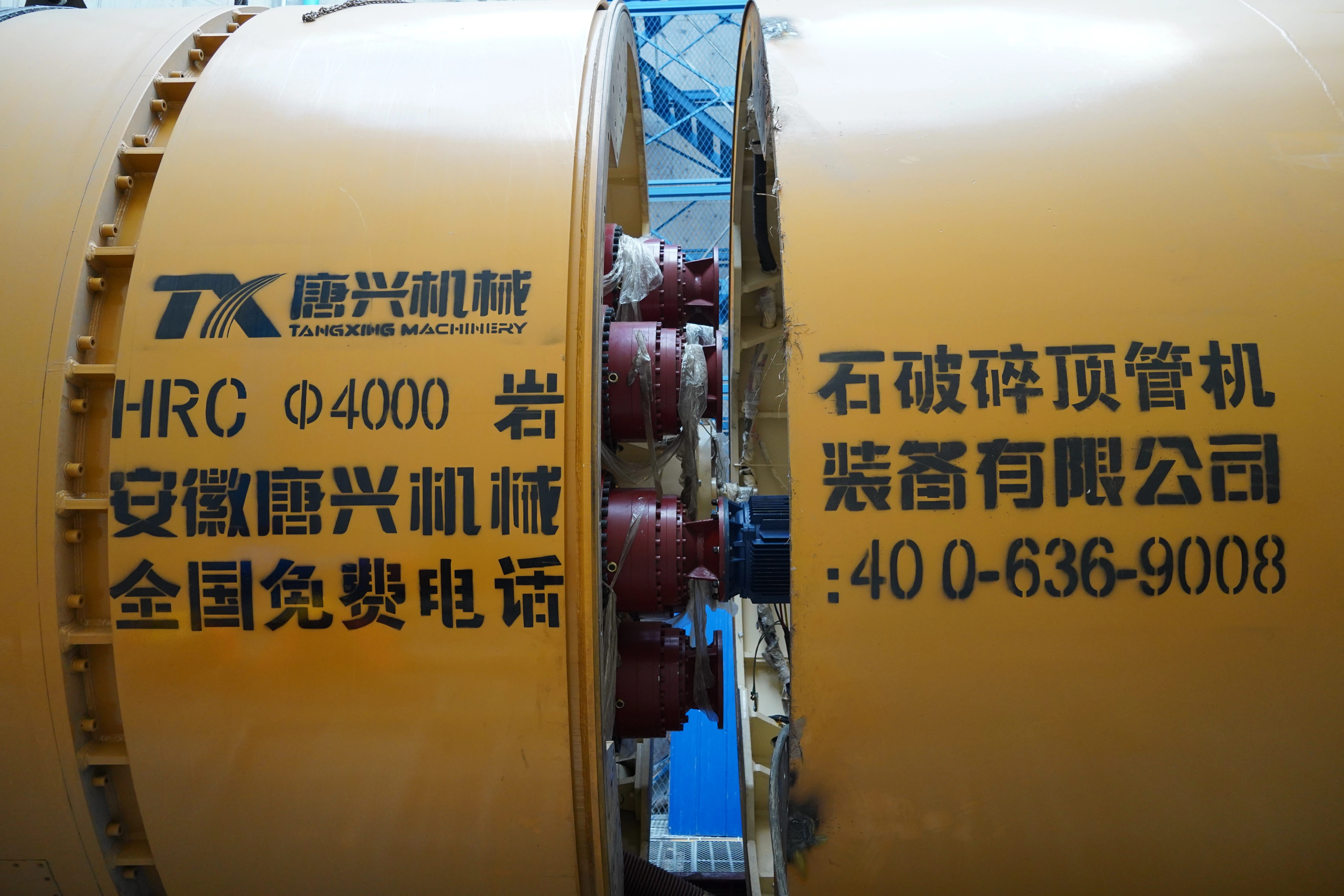
Micro tunneling long drives need spare pumps staged to ensure your project continues without costly delays. CEGC provides tunnel machine solutions that align with market standards while also offering customization options. Reliable pump systems are essential for managing risks effectively, as they maintain strong slurry pump performance throughout your microtunneling operations.
Key Takeaways
-
Always keep spare pumps ready at important spots to stop project delays. Having spare pumps close by keeps the slurry moving and stops expensive waiting time.
-
Pick pumps that fit your tunnel machine's power and slurry type. Choosing the right pump helps things work well and lowers the chance of problems.
-
Check and take care of your pumps and slurry system often. Regular checks find problems early, save money, and help your project stay on schedule.
Risks of Not Staging Spare Pumps
Downtime and Delays
You face serious risks if you do not stage spare pumps during microtunneling. Pumps play a key role in moving slurry through the tunnel. If one pump fails, the slurry flow stops. This can cause the tunneling machine to halt. When the machine stops, the whole project faces delays. You may need to wait hours or even days for a replacement. In long drives, this risk grows. The longer the tunnel, the more you depend on reliable pumps. Without spare pumps, you cannot keep the slurry moving. This leads to downtime and missed deadlines.
Tip: Always keep spare pumps ready at the launch shaft and intermediate points. This helps you switch quickly and keep the slurry system running.
Cost and Safety Impacts
Downtime from failed pumps does not just slow your project. It also increases costs. You pay for idle crews and equipment. You may also face penalties for late delivery. Pumps that stop can cause slurry to settle in the pipes. This makes restarting the system harder and may damage the tunneling machine. Safety risks rise if slurry backs up or leaks. CEGC’s tunnel machine solutions help you manage these risks. Their modular design and face pressure control systems protect your crew and equipment. By staging spare pumps, you keep the slurry moving and protect your investment in microtunneling.
-
Pumps keep the slurry flowing and the tunneling safe.
-
Staged pumps reduce downtime and lower costs.
-
CEGC’s technical solutions support safe and efficient microtunneling.
micro tunneling long drives need spare pumps staged

Selecting Spare Pumps
You have to pick pumps that fit your microtunneling project. First, check what kind of power your tunnel machine uses. Some pumps run on hydraulic power. Others use electric motors. Look at how the machine steers and how the cutting head works. Make sure the pumps can move the type of slurry you have. Think about how many pumps you need. Also, decide where to put them and what size they should be.
Always plan to have backup pumps ready. Spare pumps are important if one breaks down. This keeps the micro tunneling long drives need spare pumps staged plan strong. You do not want the slurry flow to stop. If you have extra parts and trained workers, you can fix things fast. This is a big part of microtunneling rules.
-
Pick pumps that match your tunnel machine’s power and controls.
-
Make sure the pump size and type fit your slurry.
-
Keep spare pumps and parts close for quick changes.
-
Train your team to swap and fix pumps.
Placement and Installation
Putting pumps in the right place is very important. You should put pumps at the launch shaft and other key spots in the tunnel. Booster pumps help move the slurry, especially in long tunnels. These pumps keep the flow steady above the jacking shaft. They also help bring the slurry back from the microtunneling boring machine. Mid pumps can work with booster pumps to move slurry over long distances.
When you set up pumps, follow these steps:
-
Put main pumps at the launch shaft to start the slurry flow.
-
Add booster pumps along the tunnel to keep pressure and flow steady.
-
Use mid pumps if the tunnel is very long or needs more help.
-
Connect all pumps to the main control system so you can watch them easily.
Check the pipes for leaks and make sure all connections are tight. This stops slurry from leaking and keeps the system working well. Always follow microtunneling rules for safe and good installation.
Switchover and Control Systems
A good control system lets you change pumps without stopping the slurry. This is a big part of micro tunneling long drives need spare pumps staged. You must keep the slurry moving all the time. New control systems use sensors to check water levels and power use. They can switch pumps by themselves if one stops working. This means fewer mistakes and safer microtunneling.
Pump speed matching is important too. When you change from one pump to another, both pumps need to run at the same speed. This keeps the slurry flow smooth and stops pressure changes. Synchronous motors can be up to 99% efficient. They save energy and work well when you need steady flow, like in microtunneling.
Here is a table that shows why matching pump speed matters:
|
Evidence Description |
Key Points |
|---|---|
|
Efficiency of Synchronous Motors |
Can be up to 99% efficient, leading to significant energy savings and reduced pollution over time. |
|
Energy Waste Reduction |
Synchronous motors do not waste energy from slip, ensuring more efficient operation. |
|
Application Suitability |
Ideal for applications requiring steady flow and high efficiency, such as water treatment and HVAC systems. |
Control systems also help with switching pumps. See the table below for important features:
|
Feature |
Description |
|---|---|
|
Automatic Switching |
Switches between pumps based on real-time conditions. |
|
Real-time Monitoring |
Sensors track water levels and electrical load. |
|
Reduces Human Error |
Less need for manual changes, so fewer mistakes. |
|
Enhances Autonomy |
Keeps the slurry system running even in remote or unmanned sites. |
You should always follow microtunneling rules for setting up control systems. CEGC has a support package to help you plan, install, and take care of your pumps. This support keeps your microtunneling slurry pump system working well.
Tip: A line pump keeps the material moving all the time. This stops start-and-stop problems and keeps the slurry flowing. You get better control and steady work in your microtunneling project.
By following these steps, you make sure micro tunneling long drives need spare pumps staged works for your job. You keep the slurry system running, avoid downtime, and follow the best microtunneling rules.
microtunneling slurry pump system best practices
Inspection and Maintenance
You should check your pumps and the whole slurry system often. Regular checks help you find leaks, worn parts, or blockages early. Look at the seals, hoses, and connections on every pump. Clean out any slurry that builds up and slows things down. Change filters and check oil so pumps work well.
-
Make a schedule to check all pumps and slurry lines.
-
Clean and flush the pipes to stop clogs.
-
Change old parts before they break.
-
Do maintenance when work is slow to avoid stopping the job.
-
Taking care of pumps early saves money and keeps the system moving.
Crew Training and Documentation
Your crew needs to know how to use pumps and slurry safely. Teach everyone how to start, stop, and switch pumps. Show them how to spot problems with flow or strange pump noises. Good training means fewer mistakes and safer work. Keep clear records of all checks and repairs. Use shop drawings, written plans, and submittals to show how you handle pumps and slurry.
|
Evidence Type |
Description |
|---|---|
|
Shop Drawings |
Contractors must give detailed drawings that show how microtunneling will be done, including safety plans for review. |
|
Written Description |
Contractors need to write out their plans and steps for microtunneling. |
|
Submittals |
Contractors must turn in tunneling methods, equipment details, and safety steps to follow rules and stay safe. |
Avoiding Common Mistakes
You can stop many problems by following these best practices. Do not skip checks or wait to fix pumps. Never let slurry sit in pipes too long or it can get hard and block pumps. Always use the right size and type of pumps for your slurry. Watch for leaks and fix them fast. If you keep your pumps and slurry system in good shape, your project will go well.
Tip: Listen for changes in slurry pressure or pump sounds. If you act fast, you can stop bigger problems and keep your pumps working.
You can keep your microtunneling project going by having spare pumps ready. CEGC’s solutions help stop clogs and move thick slurry. Here is how these features help you:
|
Feature |
Description |
|---|---|
|
Special rotor design helps stop clogs and keeps pumps working longer. |
|
|
High Viscosity Handling |
Pumps can move thick slurry without needing booster pumps. |
Check your plan for staging pumps. You can ask CEGC for special help.
FAQ
What happens if you do not stage spare pumps during microtunneling?
You risk project delays and higher costs. Your tunnel machine may stop if a pump fails. Staging spare pumps keeps your operation running smoothly.
How do slurry feed pumps help in microtunneling projects?
Slurry feed pumps move the slurry through the pipes. You keep the tunnel face stable and prevent blockages. Your project stays on schedule with reliable slurry movement.
Can you use assisted by slurry pumps for longer tunnel drives?
Yes, you can use assisted by slurry pumps for long drives. These pumps help maintain pressure and flow, especially when your tunnel extends over a great distance.


