
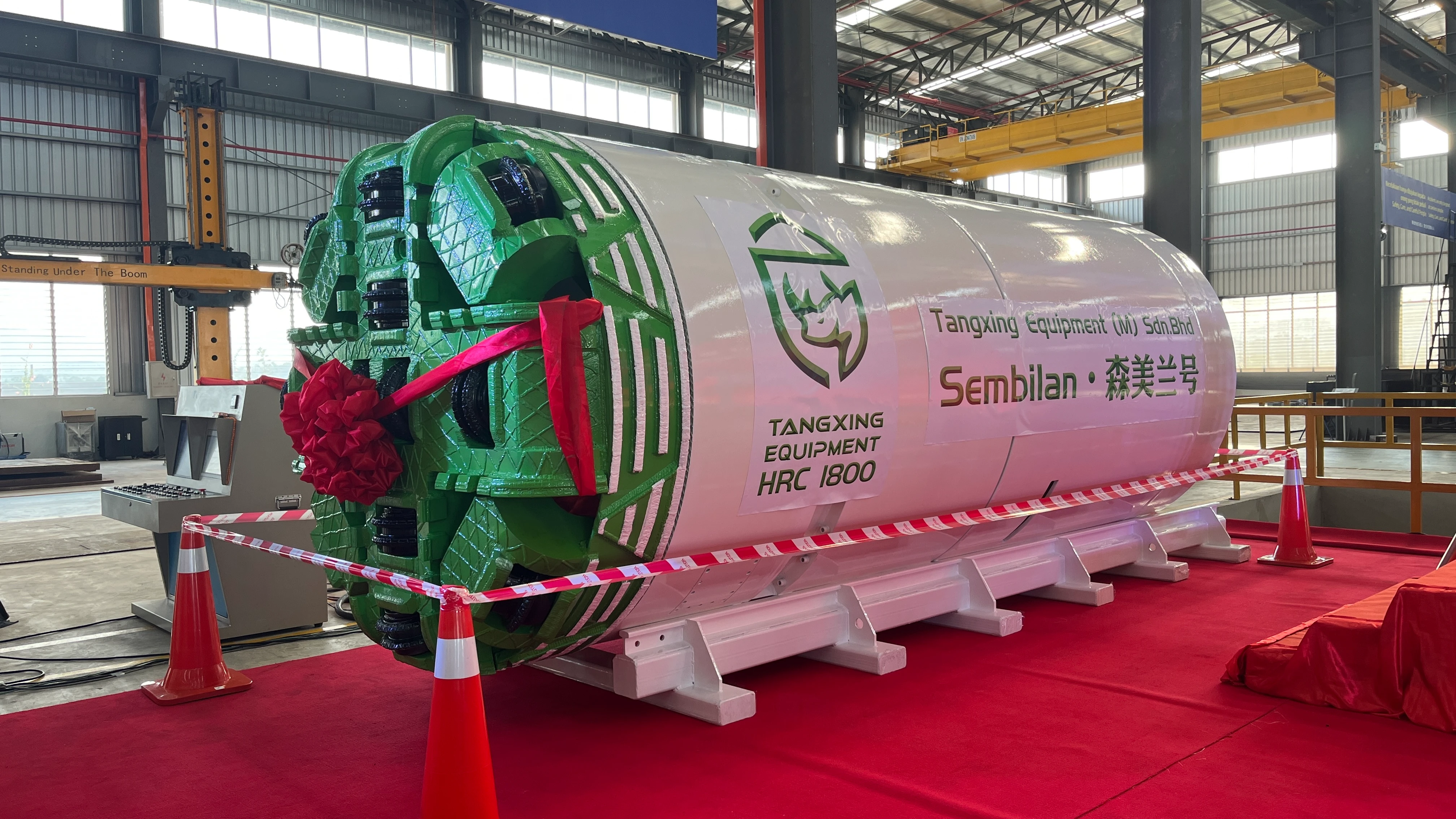
If you notice the slurry temperature rising during tunneling, it's important to act quickly. Micro tunneling needs cooling when slurry heats up to prevent potential damage to your tunnel machine. You should add cooling water or temporarily pause operations if necessary. CEGC provides advanced systems designed to help your TBM tunnel boring machine operate efficiently, minimizing the risk of costly downtime and ensuring your project stays on track.
Key Takeaways
-
Watch the slurry temperature often. Check it every hour to find overheating early.
-
Use cold water or cooling tanks to cool the slurry fast. This keeps your tunnel boring machine safe from harm.
-
Use cooling methods like insulation and cooling loops for a long time. These changes help keep the temperature steady and save energy.
Why Slurry Overheats in Microtunneling
Main Causes of Overheating
Sometimes, slurry gets hotter when you do microtunneling. There are a few reasons for this. The tunnel machine makes heat as it cuts dirt. The cutterhead rubs against the soil and warms up the slurry. If the slurry mix is thick, it can hold more heat inside. When the drive is long, the slurry stays hot for longer. Hot weather or warm groundwater can also make things worse.
Tip: Always check your equipment settings. If you run your TBM tunnel boring machine too fast, the slurry can get even hotter. If you do not cool it down, the temperature will keep going up.
Signs of High Slurry Temperature
You should look for signs that the slurry is too hot. The easiest sign is steam or mist coming from the slurry separation plant. You might see the slurry change color or get thinner. If it smells strange, it could be overheating. The tunnel machine might slow down or show warning lights. Sometimes, the pipes or pumps feel hotter than normal.
-
Watch for these signs:
-
Steam or mist from the slurry
-
Weird smells or changes in how it feels
-
The machine works slower
-
Pipes or pumps feel hot
-
If you see these signs, you need to cool the system. This helps keep your microtunneling equipment safe and your project running well.
micro tunneling needs cooling when slurry heats up
Immediate Cooling Methods
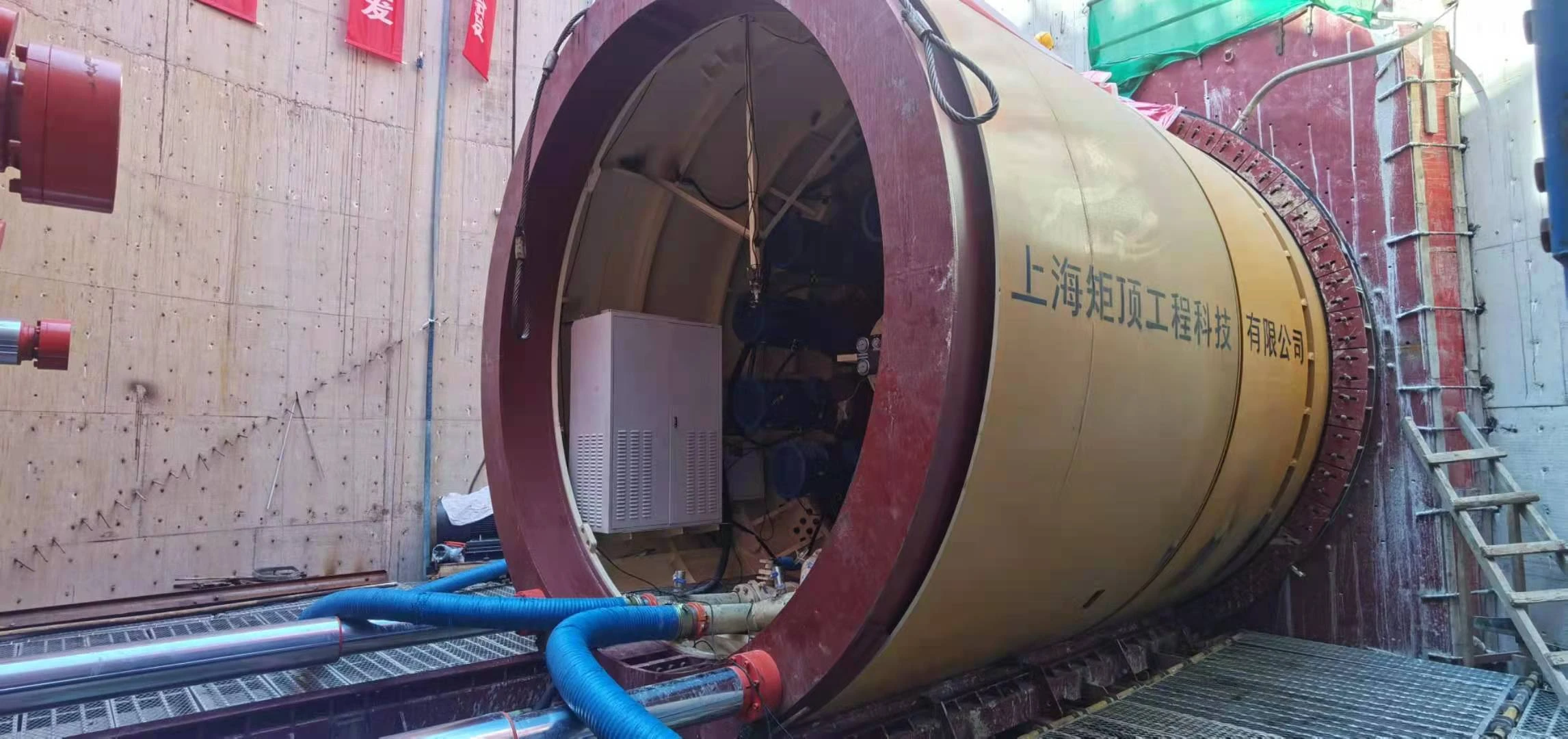
Act quickly if you see the slurry getting hotter. Micro tunneling needs cooling when slurry heats up to keep your tunnel machine safe. There are a few fast ways to cool things down.
-
Add chilled water to the slurry mix. This cools the system fast and protects your microtunneling equipment.
-
Use water-cooling tanks. These tanks hold cold water and send it through the system to take away heat from the slurry.
-
Pause operations if the temperature gets too high. This gives the tunnel boring machine time to cool and stops more heating.
-
Flush the pipes with fresh, cool water. This removes hot slurry and lowers the temperature fast.
Tip: Always check the temperature at different spots in the system. This helps you find hot places and cool them before they cause trouble.
Long-Term Cooling Strategies
You need a plan for long drives or tough ground. Micro tunneling needs cooling when slurry heats up over time, not just in emergencies. You can use upgrades and smart design to keep the temperature steady.
|
Upgrade Type |
Impact on Energy Use |
Cost Savings Potential |
|---|---|---|
|
Insulation |
Reduces heating/cooling loads |
|
|
Cooling Loops |
Keeps slurry at target temperature |
Lowers risk of machine downtime |
|
Buffer Water Tanks |
Stores cooled water for long drives |
Improves temperature stability |
Add insulation to pipes and tanks. This keeps the slurry mix cool and saves energy. Cooling loops move cold water around the system, so the temperature stays even. Buffer tanks store extra cold water for long drives. These upgrades help your microtunneling equipment work better and save money on repairs.
You can also use chemical additives in the slurry mix. These chemicals help the slurry hold less heat and flow better. When you use these strategies together, your system works well in many conditions.
CEGC offers cooling solutions for every tunnel boring machine. You can pick features like insulated containers, evaporative coolers, and pressure boosting systems. These options help you match your cooling plan to your project needs.
Safety and Monitoring Tips
You must keep your team and equipment safe. Micro tunneling needs cooling when slurry heats up, but you also need good monitoring and safety steps.
-
Use automated monitoring systems. These systems track the temperature of the slurry in real time. They alert you if the temperature gets too high.
-
Place sensors on pumps and pipes. This helps you spot overheating before it causes damage.
-
Review data from past jobs. This helps you predict when the slurry might overheat and plan ahead.
-
Train your crew to watch for warning signs. Everyone should know what to do if the system gets too hot.
Automated systems use sensors and smart software to check the temperature all the time. They can warn you early if something goes wrong. This lets you fix problems before they get worse.
Note: Cold weather can also cause problems. You may need to keep the slurry from freezing. Plan for both hot and cold conditions to keep your microtunneling equipment running smoothly.
When you follow these steps, you keep your tunnel boring machine safe and your project on schedule. Micro tunneling needs cooling when slurry heats up, so always stay alert and use the right tools for the job.
You can protect your microtunneling project by using chilled water, cooling tanks, and insulation. Experts say ice slurry and hydrofluidization freezing move heat away fast and use less energy. Controlling the temperature early helps your TBM machine work longer. CEGC gives you choices that fit your project’s needs.
FAQ
What happens if you do not cool the slurry in microtunneling?
If you do not cool the slurry, the tunnel machine can get too hot. This can break the machine, make work slower, or even stop the job.
How often should you check slurry temperature during tunneling?
Check the slurry temperature once every hour. Use sensors to see the temperature right away. This helps you find problems before they get worse.
Can you use regular water for cooling in microtunneling?
You can use normal water to cool the system. Chilled water cools things down faster. Always follow what your equipment instructions say.


