
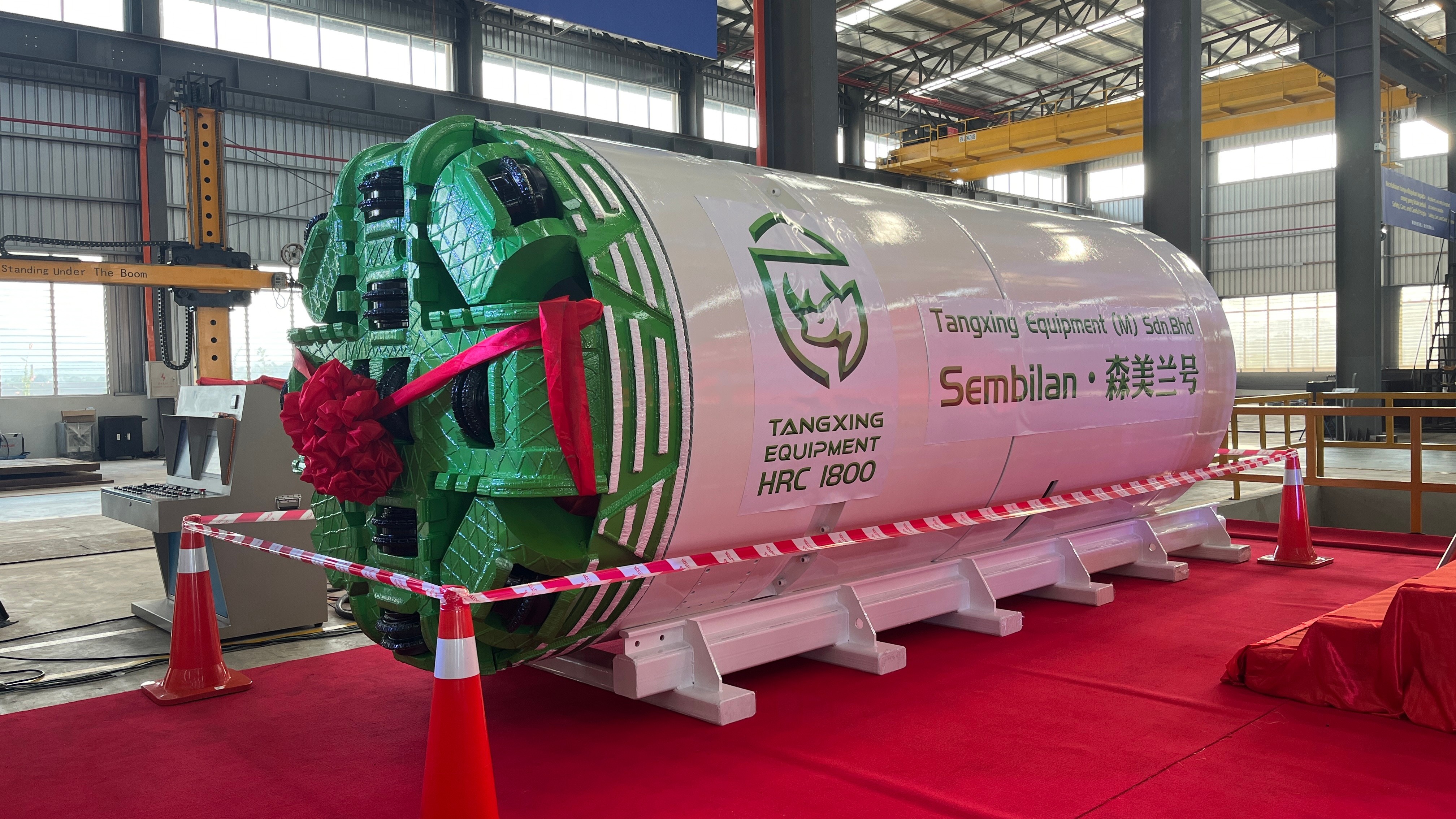
Tunnel projects often present significant challenges, especially when micro tunneling needs separation margin for mixed soils. Without maintaining this crucial margin, your tunnel machine—whether it’s a TBM tunnel boring machine, Microtunnelling Machine, or auger boring machine—can be at risk of damage. CEGC leverages advanced smart technology to ensure that your operations are safer and more efficient, delivering superior results for every project.
Key Takeaways
-
Learn what separation margin means. It makes a safe gap between your tunnel and other buildings. This keeps your tunnel machine from getting hurt.
-
Do geotechnical surveys before you begin any work. These surveys show what kind of soil is there. They also tell you about water in the ground. This helps you make good plans.
-
Use industry rules for separation margins. Following these rules keeps your project safe. It also helps your tunneling work go well.
Separation Margin for Micro Tunneling in Mixed Soils
What Is Separation Margin?
You need to know about separation margin before you start micro tunneling. Separation margin means there is a safe space between your tunnel and things nearby. This space stops your tunnel machine from getting damaged. It also helps your tunnel stay in the right place. When you pick the correct separation margin, your team can fix small mistakes. This makes your work safer and more dependable.
Why It Matters in Mixed Soils
Micro tunneling needs separation margin for mixed soils because the ground can change fast. Mixed soils can have clay, sand, gravel, or rock all together. Each soil type acts in its own way when you dig. If you do not leave enough space, your tunnel boring machine or Microtunnelling Machine can go off track. You might hit hard soil or find water underground. Setting the right separation margin helps you avoid these issues.
Geotechnical surveys and soil exploration are important steps. These steps help you learn about the ground before digging. Here are some reasons why they are useful:
-
Geotechnical surveys show you what is under the ground.
-
You can see if the soil is tight or loose.
-
You use this information to guess how your tunnel machine will work.
-
Machine learning tools help you know what will happen at the tunnel face.
Industry Standards and Tolerances
You should use industry standards when you choose separation margin. These rules tell you how close your tunnel can be to other things. They also say how much your tunnel can move from its planned path. The slurry separation system changes your margin too. This system keeps soil and water apart while tunneling. If your system works well, you can use a smaller margin. If your system is weak, you need a bigger margin to stay safe. Micro tunneling needs separation margin for mixed soils to follow these rules and keep your project safe.
Key Factors and Calculation Steps
Soil Types and Groundwater
You need to look at the soil before you start any micro tunneling project. Soil changes from place to place. Sometimes you find clay, sand, gravel, or rock all mixed together. Each type acts differently when you dig. Clay holds water and can be sticky. Sand moves easily and can wash away. Gravel is rough and can block your tunnel machine. Rock is hard and slows you down.
Groundwater makes things harder. Water can fill the tunnel and push against the pipe. You must check how much water is in the ground. If you ignore groundwater, your tunnel machine can slip or get stuck. You need to plan for water so your tunnel stays safe.
Tip: Always ask for a geotechnical survey before you start. This survey tells you what soil and water you will face.
Pipe Diameter and Tunnel Machine Selection
Pipe diameter changes how much space you need. Bigger pipes need a bigger separation margin. Small pipes can fit in tighter spaces. You must pick the right tunnel machine for your pipe size. A TBM tunnel boring machine works well for large pipes. A Microtunnelling Machine fits smaller pipes. An auger boring machine is good for short tunnels.
Here is a simple table to help you choose:
|
Pipe Diameter |
Tunnel Machine Type |
Margin Needed |
|---|---|---|
|
Small |
Microtunnelling Machine |
Low |
|
Medium |
Auger Boring Machine |
Medium |
|
Large |
TBM tunnel boring machine |
High |
You need to match your pipe and tunnel machine to the soil and water conditions. This helps you keep your tunnel safe and straight.
Calculation Process and Best Practices
You must follow steps to find the right separation margin. Micro tunneling needs separation margin for mixed soils because the ground changes fast. Here is a step-by-step outline:
-
Study the soil and groundwater with a survey.
-
Choose your pipe diameter and tunnel machine.
-
Check industry standards for minimum margin.
-
Use a reliability-based approach. This method looks at soil variability and gives you a safer margin. Traditional methods can miss hidden risks.
-
Adjust your margin if you find loose soil or lots of water.
-
Use digital tools and AI to track your tunnel machine. These tools help you react to changes underground.
Note: CEGC recommends using smart tunnel machine technology. This technology helps you make better decisions and keeps your project safe.
Common Challenges and Solutions
You face many challenges in mixed soils. Sometimes the soil changes quickly. Sometimes water appears where you do not expect it. Equipment can move off track if you do not plan well.
Here are some common mistakes:
-
Ignoring soil variability. This can lead to unsafe tunnels.
-
Using a margin that is too small. Your tunnel machine can get damaged.
-
Not checking groundwater. Water can push your pipe out of place.
You can solve these problems by:
-
Always using a geotechnical survey.
-
Following industry standards for margin.
-
Using digital twins and AI to monitor your tunnel machine.
-
Adjusting your margin if you find new risks.
Micro tunneling needs separation margin for mixed soils to keep your tunnel safe and your project on track. You must plan ahead and use the best tools. This helps you avoid mistakes and finish your tunnel successfully.
You must plan well and follow the rules when you set separation margin for mixed soils. CEGC’s advanced tunnel machine technology helps you stay safe. Projects in New York and Warsaw did well by using the right margin. The table below shows how standards make micro tunneling better.
|
Evidence Type |
Description |
|---|---|
|
Not enough slurry pressure or bad soil control can make holes or cause the ground to sink. |
|
|
Dependency on soil data |
You need good geotechnical checks; if you miss things underground or guess wrong about the soil, work can slow down. |
|
Versatility in conditions |
Micro tunneling works in many types of ground, like soft soils, mixed face, or lots of water, because it uses pressurized slurry and careful digging. |
-
The Maspeth Combined Sewer Overflow Project in Queens, New York (2024) used microtunneling in mixed soils to fix sewers and keep traffic moving.
-
The Warsaw sewer project (2008) put in big pipes with microtunneling, which helped stop floods and made stormwater flow better.
You can ask CEGC for help and new tunnel boring machine ideas.
FAQ
When will fully autonomous TBM machines be available?
Fully autonomous TBM machines should be ready by 2030. CEGC is making these machines with AI and digital twin technology.
What role will Microtunnelling Machines play in future cities?
Microtunnelling Machines will build underground utilities for smart cities. They work safely in mixed soils and cause less disruption above ground.
How can you prepare for electric and AI-assisted tunnel machines?
|
Step |
Action |
|---|---|
|
1. Learn |
Find out about new tunnel machine technology |
|
2. Train |
Take part in CEGC training sessions |
|
3. Upgrade |
Improve your equipment |


