
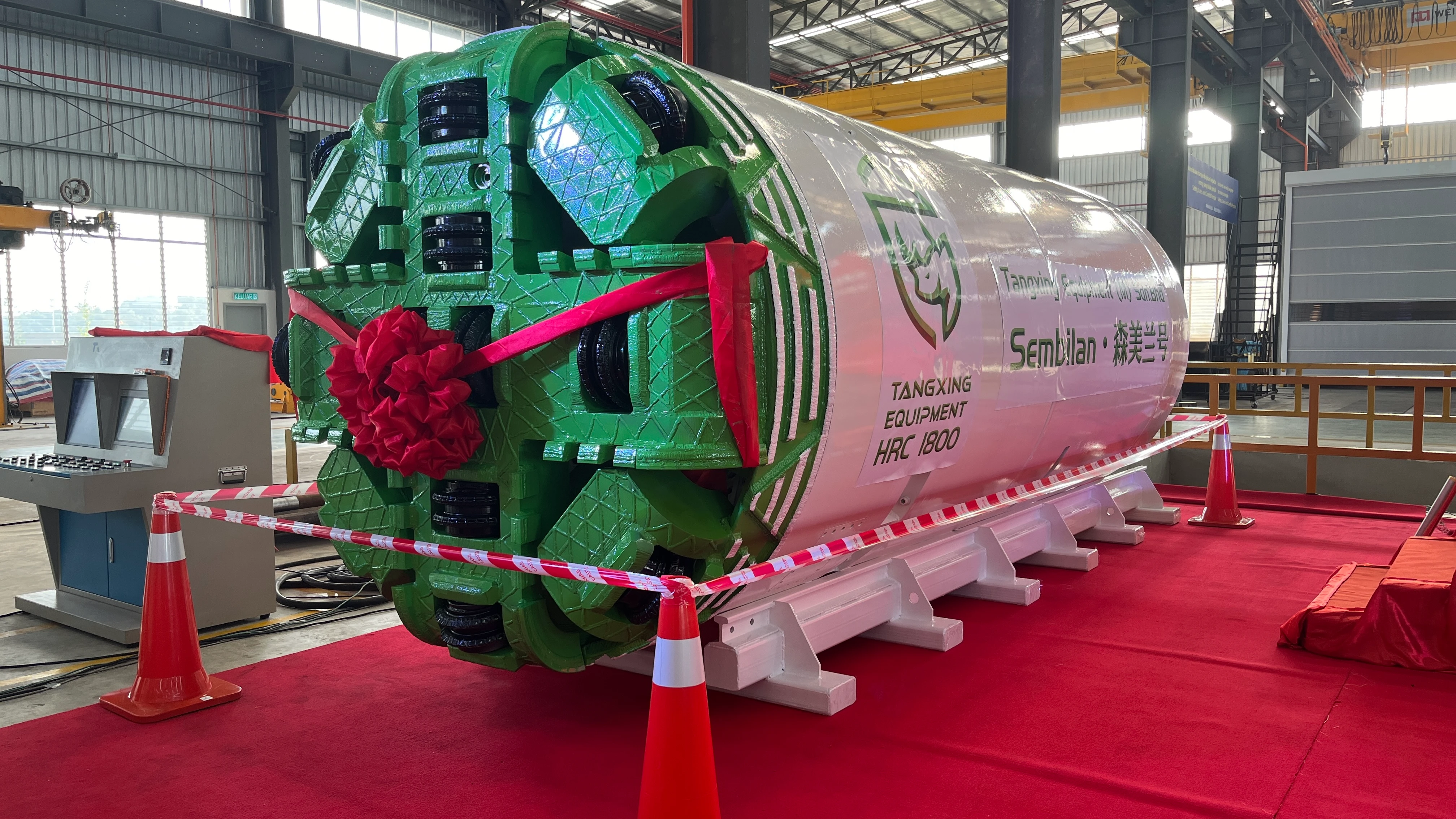
To keep your microtunneling pit dry, micro tunneling pressure control is essential. This system creates a strong pressure barrier that prevents groundwater and soil from entering, ensuring pits stay drier for safer and more efficient work. Dry pits help streamline operations and reduce costs. Using a bentonite slurry system, you manage the slurry pressure to maintain optimal conditions. Alignment is monitored with sensors for real-time adjustments during tunneling. CEGC supports you in selecting the right machine for your project, ensuring effective micro tunneling pressure control.
|
Mechanism |
Description |
|---|---|
|
Bentonite slurry system |
Moves slurry to support the soil face and maintain micro tunneling pressure control, keeping pits drier. |
|
Manage slurry pressure |
Keeps pressure safe, prevents groundwater ingress, and efficiently moves excavated material. |
|
Monitor alignment |
Uses sensors to make real-time changes during tunneling, ensuring precise results. |
Key Takeaways
-
Microtunneling pressure control is very important for dry pits. Dry pits make tunneling safer and more efficient.
-
A bentonite slurry system helps control pressure. It stops groundwater from getting into the pit. This saves time and money.
-
Real-time pressure changes let workers react fast to ground changes. This makes tunneling safer and works better.
what is microtunneling and pit dryness
microtunneling basics
Microtunneling is a way to build tunnels without digging big holes. You use a microtunnel boring machine to push pipes under the ground. This method works well in cities and busy places. It helps you avoid breaking up roads or buildings. Machines and systems help keep the tunnel safe and steady. You control everything from above the ground. This makes it easier to watch and manage the work. Water can cause trouble during microtunneling. You need to keep water out of the tunnel and pit.
Microtunneling lets you put in pipes and tunnels with less mess. It is a good choice when you need things to be safe and exact.
importance of dry pits
The pit is where you start microtunneling. You set up your machines and begin tunneling here. Keeping the pit dry is very important. Water in the pit can make the ground weak and unsafe. Dry pits help you work faster and avoid problems. You do not have to spend as much money to pump out water. You also do not have to fix as many problems from wet ground. Dry pits protect your machines and help them work better. When you use trenchless technology, you want the pit to stay dry for the best results.
-
Dry pits help keep workers safe.
-
You save time and money by not needing to remove as much water.
-
Machines last longer and work better when the pit is dry.
Microtunneling works best when water stays out of the pit. Good pressure control helps your microtunneling go well.
micro tunneling pressure control keeps pits drier
positive pressure barrier
You need a strong barrier to keep water and soil out of your pit. Micro tunneling pressure control keeps pits drier by using a positive pressure barrier. This barrier pushes back against the water and soil that try to enter the pit. When you use a system like an Earth Pressure Balance Shield, you match the pressure from the ground. This stops water ingress and keeps your work area safe and dry. The system uses pumps to move slurry into the tunnel face. The slurry system creates a wall of pressure that holds back water. You can see the results right away. Your pit stays drier, and you do not have to worry as much about water making the ground weak.
-
Earth Pressure Balance Shields help you control soil and water pressure.
-
Slurry systems work best in soft ground or when groundwater pressure is high.
-
The positive pressure barrier keeps water out and makes your pit safer.
microtunneling slurry pump system
The microtunneling slurry pump system is the heart of your pressure control. You use pumps to move a mix of water and bentonite clay through the slurry system. This mixture supports the tunnel face and keeps the ground stable. Pumps push the slurry at high pressure, usually between 20 and 50 bar. The flow can reach up to 500 liters per minute, depending on your tunnel size and soil type. You can add polymers to the slurry to make it thicker and help it carry soil particles away. The system keeps face pressure between 0.5 and 2 bar, which is enough to stop water from entering the pit.
-
The slurry system uses bentonite and water to make a strong mix.
-
Pumps keep the slurry moving and maintain the right pressure.
-
Slurry system circulation helps remove soil and keeps the tunnel face stable.
-
You can control the flow and pressure to match your ground conditions.
-
Slurry return flow brings excavated soil back to the surface for removal.
The microtunneling slurry pump system also helps with dewatering. Pumps can drain water from the pit and keep your work area dry. You do not need as many extra pumps for dewatering because the slurry system does much of the work. This saves you time and money.
real-time pressure adjustment
You must watch your system all the time. Real-time pressure adjustment lets you respond to changes in ground conditions. You use pressure sensors to track what is happening inside the tunnel. If the ground gets softer or water pressure rises, you can change the flow or pressure right away. The system can even make some changes automatically. This keeps your pit drier and stops sudden water ingress.
-
Mechanical balancing uses the tunnel machine to mix soil and control pressure.
-
Air balancing adds compressed air to keep the pressure steady if needed.
-
Slurry balancing uses the slurry system to adjust pressure in soft or wet ground.
-
Continuous monitoring helps you spot problems before they get worse.
-
Automated systems can change pump speed or slurry flow to match new conditions.
When you use real-time pressure adjustment, you keep your microtunneling project on track. You avoid delays and extra costs from unexpected water problems. Micro tunneling pressure control keeps pits drier by letting you react fast and keep your system working at its best.
Tip: Always check your pressure sensors and pumps before you start. Good monitoring helps you keep water out and your pit dry.
benefits for dewatering and safety

less dewatering needed
When you use microtunneling, you keep water out of the pit with strong pumps and smart systems. These pumps push slurry and create a barrier that stops water from entering. You do not need as many extra pumps for dewatering because the main pumps handle most of the water. This means you save time and money. Less dewatering also protects the ground around your project. You avoid lowering the water table too much, which helps keep the soil stable. Pumps work all day to move water and slurry, so your pit stays dry and safe.
Note: Using fewer pumps for dewatering means less noise and less ground disturbance. Your project becomes friendlier to the environment and the people nearby.
improved safety and efficiency
Microtunneling gives you better safety and makes your work more efficient. Pumps keep water away from workers, so you do not need to dig by hand. This lowers the risk of cave-ins and accidents. You can control the pumps from above ground, which keeps everyone safer. Microtunneling also keeps the surface intact, so roads and buildings stay in place. Pumps help you work faster because you do not stop for water problems. You can use sensors to watch the pumps and make changes right away.
Here are some key safety improvements you get with microtunneling and good pumps:
-
You keep the surface strong and avoid traffic problems.
-
You lower noise and ground shaking.
-
You protect water tables in sensitive areas.
-
You keep workers safe by using remote pumps instead of manual digging.
|
Aspect |
Explanation |
|---|---|
|
Soil Stability |
Pumps keep soil stable and stop collapse at the tunnel face. |
|
Operational Efficiency |
Pumps reduce stops and keep your project moving. |
|
Mechanical Balancing |
Pumps in the shield balance soil and water, so you dig without delays. |
|
Slurry Pumping |
Pumps move slurry in soft or wet ground to keep everything steady. |
When you plan your project, think about how pumps and microtunneling help you. You can pick a tunnel machine that matches your soil and water needs. Pumps give you the flexibility to work in many types of ground. You get better results, safer jobs, and less trouble with water.
You keep pits drier in microtunneling by using pumps. Pumps balance the pressure from soil and water. This helps you finish the project faster and saves money. Pumps also stop damage to the pit. They make the work safer and more efficient. Pumps use different balancing methods like mechanical, air, slurry, and mixed.
|
Method |
Description |
|---|---|
|
Mechanical Balancing |
Pumps use shields to push back against soil pressure and keep pits steady. |
|
Air Pressure Balancing |
Pumps move air under pressure to balance the soil. |
|
Slurry Balancing |
Pumps send slurry to stop groundwater from coming in. |
|
Mixed Balancing |
Pumps use both slurry and air for better control. |
Pumps help you watch the face pressure and control the slurry pressure. They also help balance other pressures in the pit. You can learn about the soil and water before you start. Pumps make your project safer and help things go smoothly. You should always think about pumps when picking a tunnel machine.
FAQ
How do pumps keep your microtunneling pit dry?
Pumps move slurry and water away from the pit. You keep water out and maintain a safe work area. Pumps create a strong barrier against groundwater.
Why should you check pumps before starting microtunneling?
You check pumps to make sure they work well. Pumps help you avoid water problems and keep your pit dry. You protect your machines and workers.
Can pumps help with soil stability during tunneling?
Pumps support the tunnel face and keep soil steady. You use pumps to balance pressure and prevent collapse. Pumps make your project safer and more efficient.
Tip: Always monitor pumps during tunneling. Pumps respond quickly to changes in ground conditions.
|
Question |
Answer |
|---|---|
|
How many pumps do you need? |
You choose pumps based on pit size and soil type. Pumps must handle water and slurry flow. |


