
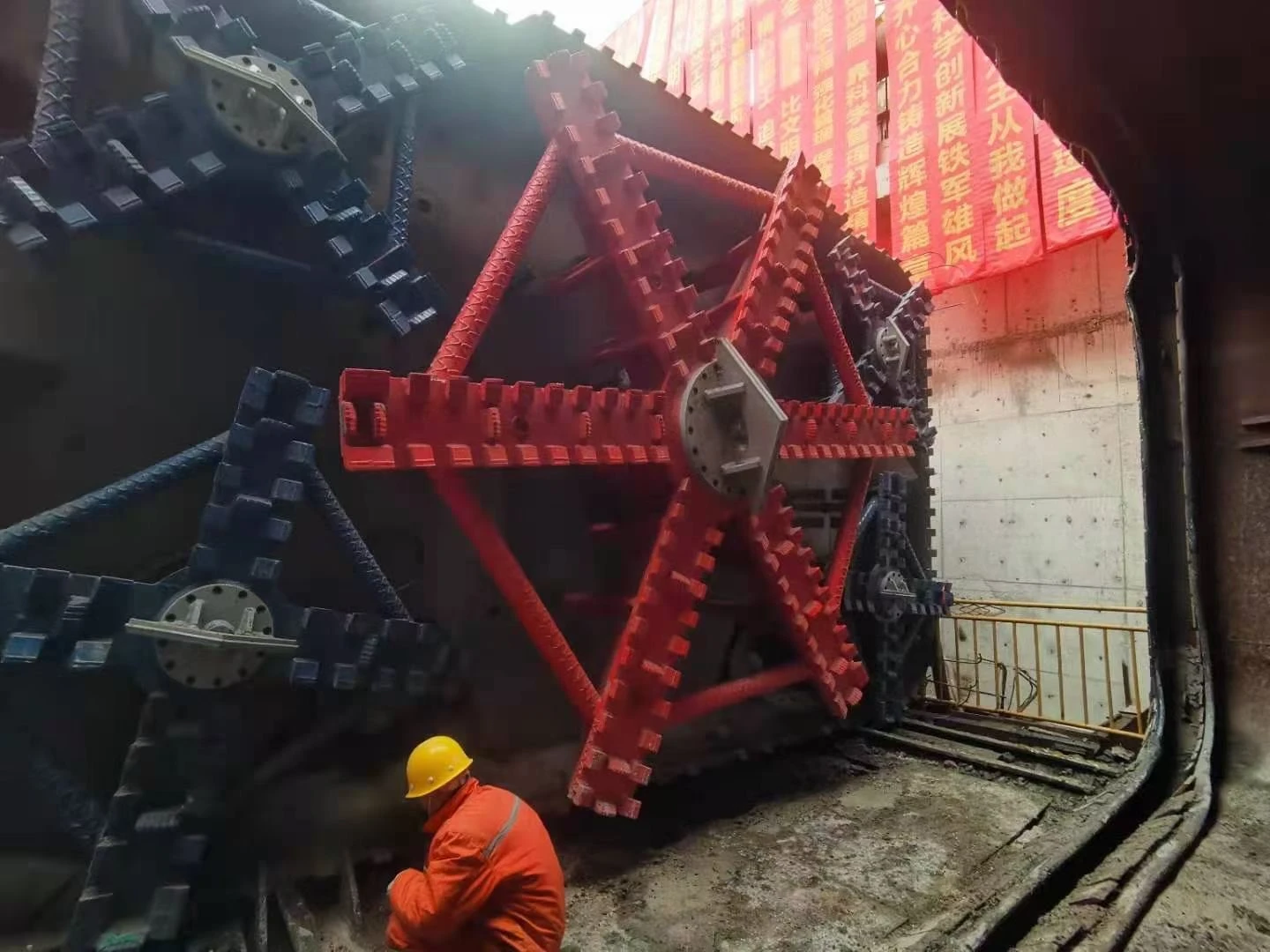
Micro tunneling stability prevents reception pit misses by ensuring the tunnel machine stays precisely on its intended path. This level of control is essential to avoid costly errors and project delays. Key risks in microtunneling include bore hole collapse, ground displacement, worker safety concerns, and ground vibrations. CEGC provides advanced solutions that meet market standards, addressing these challenges with proven technology.
|
Risk/Consequence |
Description |
|---|---|
|
Bore hole collapse |
Without strong casing, loose soils can fall into the bore hole. |
|
Ground displacement |
Pipe bursting operations may cause the ground to move upward. |
|
Worker safety concerns |
Unstable ground and vibrations can pose hazards to workers. |
|
Ground vibrations |
Nearby soil and structures may experience shaking or movement. |
With CEGC’s expertise, micro tunneling stability prevents reception pit misses and supports safe, efficient tunneling operations for every project.
Key Takeaways
-
Microtunneling stability is very important. It helps keep the tunnel boring machine on the right path. This stops expensive mistakes and keeps the project from being late.
-
Knowing about soil conditions is important. Managing face pressure helps avoid reception pit misses. Always look at the ground before you start.
-
Using advanced guidance systems helps a lot. Real-time monitoring finds alignment problems early. This lets workers fix things fast and keeps the project going well.
What Is a Reception Pit Miss?
Definition and Project Impact
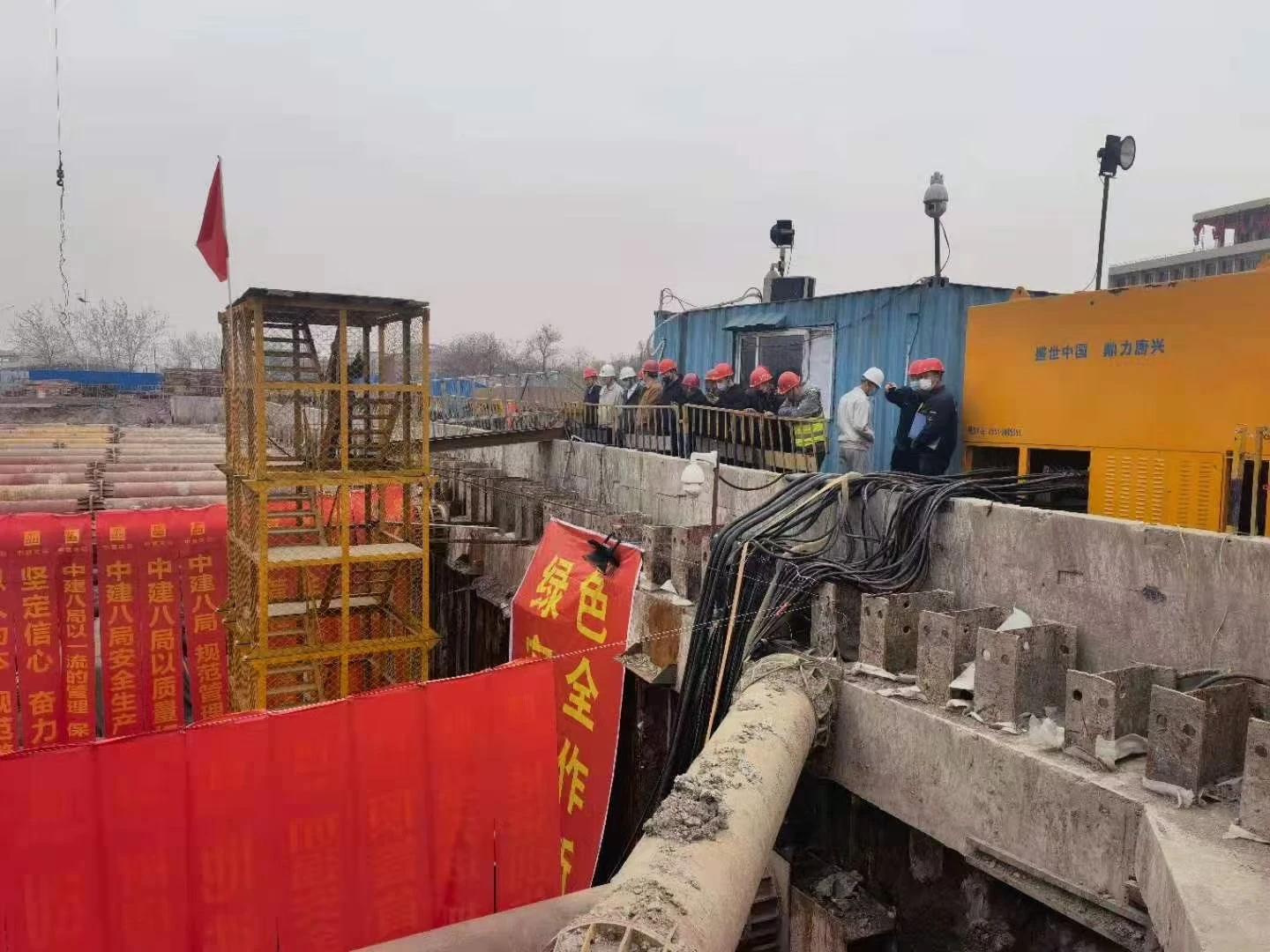
A reception pit miss means the tunnel machine does not reach the right exit. In microtunneling, you want the tunnel boring machine to come out at the planned spot. If it misses, big problems can happen. You might have to dig more ground or move pipes and wires. Sometimes, you may even need to rebuild parts of your project. These mistakes can slow down work and make it cost more. They can also put your team in danger. Owners and city leaders want the work to be very exact, especially in busy cities. A reception pit miss can hurt your reputation as a contractor.
Tip: Always look at your project’s alignment plans before you start microtunneling. This can help you stop expensive mistakes later.
Causes in Microtunneling
Many things can cause a reception pit miss in microtunneling. You might have trouble if you do not know enough about the soil or water underground. If the ground changes, the tunnel machine can go off track. Bad face pressure control can let the ground move or fall in, making it hard to steer. If your guidance system is not right, the tunnel can drift away from the plan. Sometimes, tools that are not set up right can also make the tunnel go the wrong way. You must watch for these risks on every microtunneling job to keep your tunnel boring machine on the right path.
Microtunneling Stability and Alignment
Why Stability Matters in Microtunneling
Stability is important in microtunneling. It keeps the tunnel machine on the planned path. If the tunnel boring machine is not stable, mistakes can happen. The tunnel might drift and miss the reception pit. This can cause extra digging and pipe jacking problems. Costs can go up if mistakes happen. You need to control ground movement and keep the machine steady. Trenchless technology is used in cities because it does not disturb the surface. Microtunneling stability helps keep workers safe and protects nearby buildings.
CEGC’s microtunneling machines use closed-mode face support. This design keeps the excavation face stable in soft or wet ground. Market-standard specs help meet strict project needs. Trenchless technology lowers risks and improves accuracy. Contractors use microtunneling for pipe jacking and utility jobs. It gives repeatable results every time.
Face Pressure and Ground Control
Face pressure must be managed to stop ground loss and settlement. Microtunneling projects deal with changing soil and water. If face pressure is not controlled, the ground can collapse or shift. This can make the tunnel boring machine miss the reception pit. There are several ways to keep face pressure and ground control.
|
Technical Method |
Description |
Success Rate/Effectiveness |
|---|---|---|
|
Pipe Roof Method |
Builds a wall above the tunnel |
Controls deformation but may cost more |
|
Soil Improvement |
Uses grouting to reduce disturbance |
Effectiveness depends on grouting quality |
|
Uses instruments to watch ground movement |
Average subsidence: -8 mm to -10 mm, showing good monitoring |
|
|
Support Pressure Regulation |
Adjusts pressure at the excavation face |
Critical for stability; bad regulation increases force and wear |
Soil improvement and monitoring schemes help keep the ground stable. CEGC’s machines have sealing and pressure retention features. These features reduce leaks and improve stability. You can use them for trenchless technology in cities. Stable face pressure helps pipe jacking and avoids costly mistakes.
Guidance Systems and Monitoring
Guidance systems and real-time monitoring keep the tunnel boring machine on track. These systems find alignment problems early. You can fix issues before the tunnel drifts too far. Microtunneling projects use inspection systems to track position and performance.
-
Continuous monitoring keeps the tunnel within limits.
-
Real-time guidance tracks position and alerts you to problems.
-
Documentation records conditions and helps find areas to fix.
Steering and guidance use remote-controlled systems with laser or gyroscopic controls. You can adjust alignment in real time.
CEGC puts guidance system readiness in every microtunneling machine. Survey control and real-time steering help pipe jacking and trenchless technology jobs. Strong machine structures reduce drift. Controlled excavation limits overcut and supports good pipe installation.
Market-standard machines like the AVN 800 HR are very precise. You can expect accuracy in millimeters. These machines work in hard rock and complex ground without needing a reception shaft. Volume-controlled lubrication helps keep alignment. Contractors use bigger diameters and longer tunnel drives. Curves can be made with fewer shafts, which improves efficiency and alignment.
Microtunneling stability needs good geotechnical information, proper face pressure, and advanced guidance systems. You can trust CEGC’s solutions for reliable trenchless technology and pipe jacking projects.
Microtunneling Design Best Practices
Ground Improvement and Dewatering
You must get the ground ready before microtunneling. Good ground improvement and dewatering help control water and keep soil steady. This protects your tunnel machine and helps trenchless technology work well. You can pick different ways to do this, based on your site:
|
Description |
|
|---|---|
|
Wellpoint Dewatering |
Takes out groundwater from a small spot, good for shallow digs. |
|
Jet Ejector System |
Works for deep digs in soils that do not let water move easily. |
|
Vertical Sand Drains |
Moves water down from top layers, but not for very loose soils. |
|
Deep Wells |
Good for big, deep digs that need to move lots of water. |
|
Cutoffs |
Stops water from getting in, must reach a hard layer below. |
You should always use careful surveys and work with skilled teams. This helps you avoid mistakes that could cause missed reception pits during pipe jacking.
Equipment Calibration and Slurry Management
You have to check and set up your tunnel machine before each job. Proper calibration keeps your microtunneling machine on track. Slurry management is important too. A closed-loop slurry system keeps pressure steady and the tunnel face stable. This stops the ground from sinking and helps trenchless technology work better. Good slurry management also stops pollution and keeps pipe jacking safe.
-
Check all guidance and control systems before you start.
-
Watch slurry flow and pressure while microtunneling.
-
Change settings if you notice ground or water changes.
Quality Control and Customization
Quality control keeps your microtunneling project safe and correct. You need to check every step, from setting up the machine to pipe jacking. Use real-time data from your control system to watch line, grade, and jacking force. Contractors should turn in detailed shop drawings and follow safety plans. You can see the best quality control steps in the table below:
|
Quality Control Measure |
Description |
|---|---|
|
Contractor Oversight |
A skilled person must run things and know the equipment well. |
|
Continuous Pressure |
Keep steady pressure at the tunnel face to balance soil and water. |
|
Control System Data |
Use data to check for any path changes. |
|
Jacking System Capability |
Push the pipe in a careful way and watch the jacking force closely. |
|
Shop Drawings |
Give detailed plans for machines and safety. |
You can get better results with custom project plans. CEGC gives custom equipment, expert advice, on-site setup, and training. These support packages help you with tough trenchless technology and pipe jacking jobs. Customization lets you match your tunnel machine to the ground you find in your geotechnical information. This makes your microtunneling design more likely to succeed.
Tip: Always work with all teams and set clear limits for line and grade. This helps your microtunneling project meet top standards.
If you want your tunnel machine to reach the right spot, you need to keep microtunneling stable and use good methods. Using advanced guidance and CEGC’s tools helps you stop expensive errors.
Remember: Surprising ground changes can make microtunneling less accurate.
-
Look at old project records and find pipes and wires underground.
-
Set up clear lines to see and check the ground carefully.
FAQ
What is the main benefit of microtunneling stability?
It helps your tunnel machine stay on track. This means you can avoid mistakes that cost a lot of money. It also helps the tunnel reach the right spot at the end.
How does face pressure control help in microtunneling?
Face pressure control stops the ground from falling in. This keeps the tunnel safe and steady. It helps the tunnel boring machine get to where it needs to go.
Why choose trenchless construction for urban projects?
Trenchless construction does not mess up the ground above. It keeps pipes and wires safe under the street. You can work safely and quickly in busy cities.


