
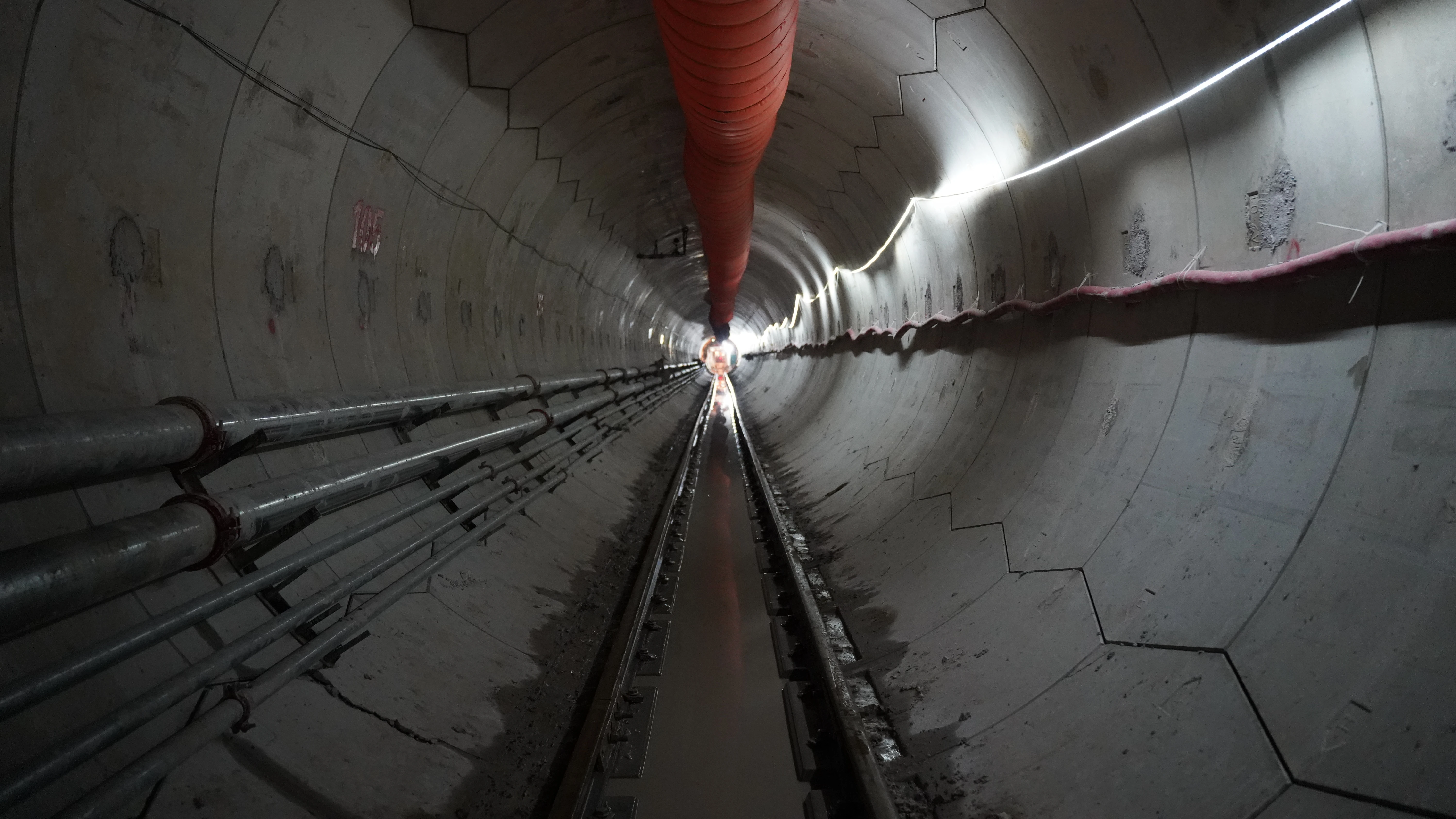
Micro tunneling thrust balance protects fragile utilities by effectively spreading out force, minimizing ground movement and reducing vibrations. This innovative approach in microtunneling significantly decreases the risk of damage to pipelines, thereby lowering the likelihood of sudden breaks. New tunnel machines, such as the Microtunnelling Machine and TBM machine, are now equipped with advanced electric-drive systems. CEGC is at the forefront of this transformation, with approximately 33% of new tunnel machines now utilizing electric drives.
Key Takeaways
-
Microtunneling keeps fragile utilities safe by spreading force out. It also cuts down on shaking and keeps the ground still. Using new technology like electric-drive systems in tunnel machines makes less pollution and noise. This is good for projects in cities. Real-time monitoring systems make things safer and more exact. They let workers fix problems right away while tunneling.
micro tunneling thrust balance protects fragile utilities
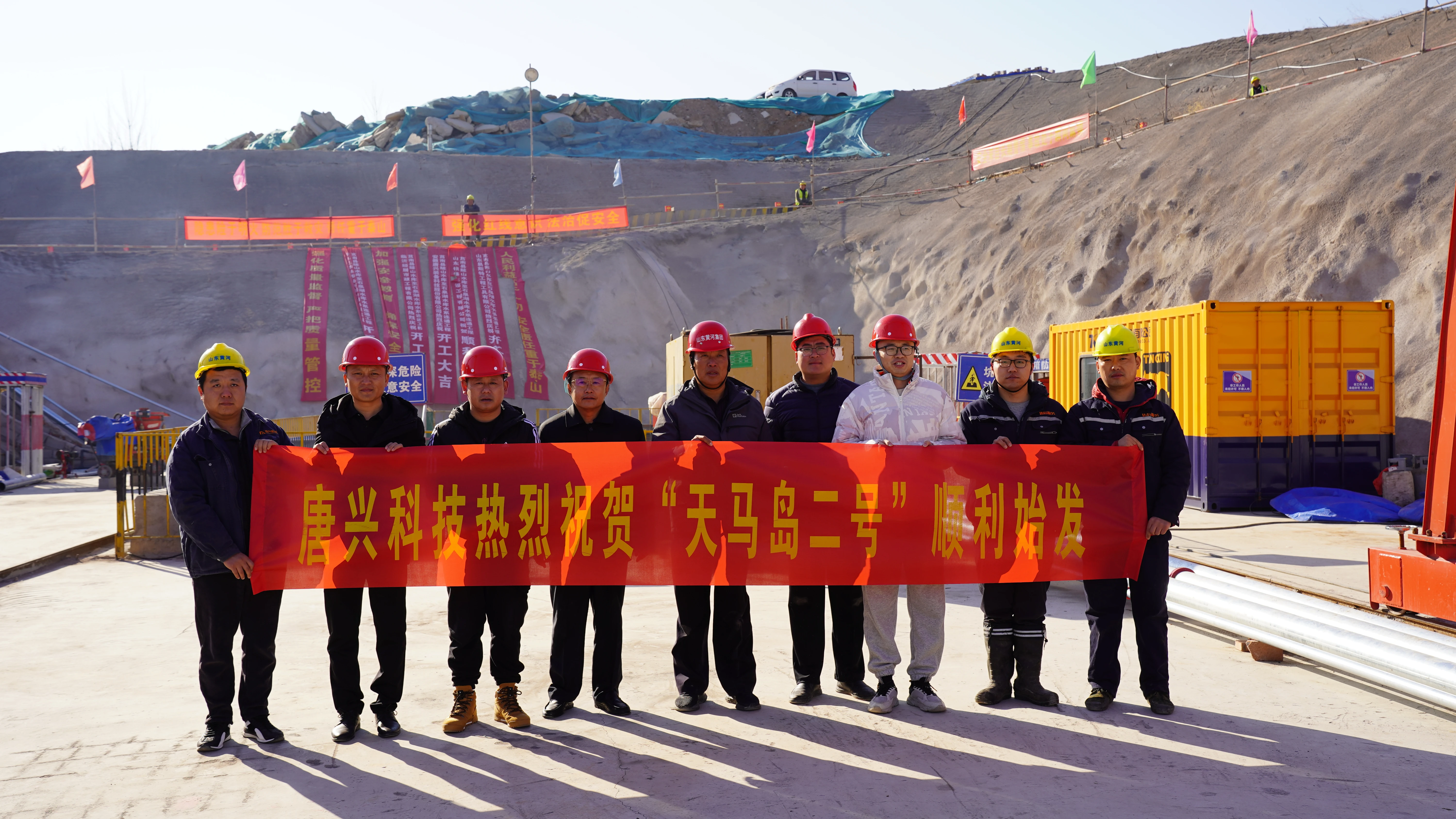
what is microtunneling
Microtunneling is used to put pipes underground without digging big trenches. A micro tunnel boring machine pushes pipes forward under the ground. The operator sits in a cabin and watches everything on screens. Hydraulic cylinders help steer the cutting head. Laser guidance systems keep the tunnel straight and in line. Microtunneling is good for cities where you need to protect things like water pipes, gas lines, and fiber cables.
Micro tunneling thrust balance keeps fragile utilities safe by spreading force evenly and lowering vibrations. This way, you can stop sudden breaks or damage to things already in the ground.
Here is a table that shows the main parts and ideas of microtunneling:
|
Component/Principle |
Description |
|---|---|
|
Microtunnel Boring Machine |
This machine sits on a frame and moves forward with jacks to install pipes. |
|
Guidance System |
Uses lasers and cameras to steer the micro tunnel boring machine very carefully. |
|
Jacking Process |
Pipes are pushed into the tunnel while digging, using hydraulic cylinders. |
|
Laser-Controlled Guidance |
Gives real-time data for steering and keeping the tunnel straight. |
|
Thrust Pressure Management |
Balances thrust pressure and slurry with earth and water pressure for smooth operation. |
You can see that microtunneling uses new technology to keep the tunnel on track and protect fragile utilities.
thrust balance mechanism
Micro tunneling thrust balance keeps fragile utilities safe by spreading force across the tunnel face. The micro tunnel boring machine pushes with steady pressure, so the ground does not move suddenly. This stops the ground from shifting and keeps vibrations low. The operator controls the jacking force with cylinders on the thrust wall. The guidance system, which often uses lasers, keeps the tunnel straight. Thrust pressure management balances the force with earth and water pressure. This balance keeps the tunnel safe and protects things nearby.
Microtunneling helps you because it uses real-time monitoring. The system changes thrust pressure when needed. You can steer the cutting head with hydraulic cylinders that work with the guidance system. The laser guidance system helps you keep the tunnel in the right place. Micro tunneling thrust balance keeps fragile utilities safe by making the ground steady and lowering risk.
Now, rules say you must use tunnel machines that meet strict emission and air-quality standards. Electric tunnel boring machines, like the ones from CEGC, help you follow rules for clean air and low emissions underground. More people are using electric-drive technology in microtunneling. Electric microtunnelling machines make less noise and pollution, so they are great for city projects.
comparison with traditional methods
You might wonder how microtunneling is different from other trenchless methods. Micro tunneling thrust balance keeps fragile utilities safer than old ways. Auger boring machines can dig through bigger rocks but might make the ground rise if you use too much force. Pipe jacking has worked well for a long time and can control ground sinking. Microtunneling is special because it uses advanced guidance and pressure control.
Here is a table that compares force spreading and utility protection:
|
Method |
Force Distribution Characteristics |
Utility Protection Features |
|---|---|---|
|
Pipe Jacking |
Low chance of surface problems; ground sinking can be controlled. |
Has worked well for years; works in many soil types. |
|
Auger Boring |
Can dig through big rocks; ground may rise if force is too high. |
Less chance of ground sinking than slurry boring. |
|
Microtunneling |
Works well in wet sand; can be used in many rock types with the right tools. |
Low chance of surface problems; works well in sandy clay. |
Microtunneling uses a micro tunnel boring machine to be very accurate. You get steady pressure balance, so the ground does not sink. This keeps fragile utilities safe and protects buildings nearby. Micro tunneling thrust balance keeps fragile utilities safe by stopping surface problems and keeping things steady.
You can see that microtunneling is the best way to protect utilities in sensitive places. Electric tunnel boring machines and microtunnelling machines from CEGC help you follow rules and keep fragile utilities safe. Micro tunneling thrust balance keeps fragile utilities safe by using precision, real-time monitoring, and new technology.
microtunneling techniques for utility protection
precision guidance and alignment
Microtunneling helps protect utility tunnels in busy cities. Laser-controlled guidance systems help you steer the machine very carefully. A laser station sends a beam to a target on the machine. This shows you where the machine is and which way it is going. You can keep the machine on the right path. This is important for keeping pipes and cables safe.
-
Microtunneling lowers risk because the work happens underground.
-
You can use microtunneling when tunnels are too close to move.
-
This method helps you pick the safest way to protect things underground.
Microtunneling lets you build new tunnels without hurting old ones.
real-time monitoring systems
Real-time monitoring helps keep your microtunneling project safe. These systems let you watch and change things right away. Here is a table that shows common monitoring tools:
|
Monitoring System |
Description |
|---|---|
|
Closed-Circuit Television (CCTV) |
Lets you control the tunneling process from a panel and make visual adjustments. |
|
Digital Tools and Automation |
Helps you control and monitor machines remotely for better accuracy. |
Sensors in the pipes give you data as you work. This data helps you see the forces and manage risks. Smart technology can warn you about problems early. You can fix things fast and keep tunnels safe.
advanced technology: pipe jacking and vacuum extraction
You can use advanced microtunneling like pipe jacking and vacuum extraction. Pipe jacking lets you put in pipes fast with little mess. Vacuum extraction uses a big pipe and suction to take out loose dirt. This helps you find tunnels and avoid damage.
|
Method |
Advantages |
|---|---|
|
Pipe jacking |
Faster installation, minimal disturbance to the environment, utilities, and existing structures. |
|
Vacuum extraction |
Reduces impact on fragile utilities and minimizes traffic disruption. |
Microtunneling makes less mess than digging open trenches. You can keep roads open and protect city pipes and cables. Microtunneling also makes less noise and waste, which is better for everyone.
You can see these good things in real projects. For example, engineers used lubrication and anti-buoyancy slabs to protect tunnels under rivers. Soil checks helped them make sure it was safe. In one city, microtunneling with an Earth Pressure Balanced TBM kept the ground steady and traffic moving. Microtunneling lets you build new tunnels in tricky places with less risk and less mess.
You get lots of good things from microtunneling. This way helps keep fragile utilities safe and makes work safer. It also means less harm to the environment and faster jobs. Microtunneling lowers the danger of digging underground and helps build in a better way. You can use real-time monitoring, robots, and machines that work by themselves. Microtunneling is good for the environment because it makes less noise, has fewer emissions, and causes less trouble.
-
Microtunneling helps save money and makes tunnels stronger.
-
The environmental benefits help you follow strict rules.
|
Benefit Type |
Description |
|---|---|
|
Cost Efficiency |
Microtunneling can cost more at first but saves money later. |
|
Reduced Disruption |
There is less fixing of the ground than with old ways. |
|
Structural Integrity |
Tunnels last longer because they are put in very carefully. |
|
Environmental Impact |
You do not need to fix things as much, so there is less harm later. |
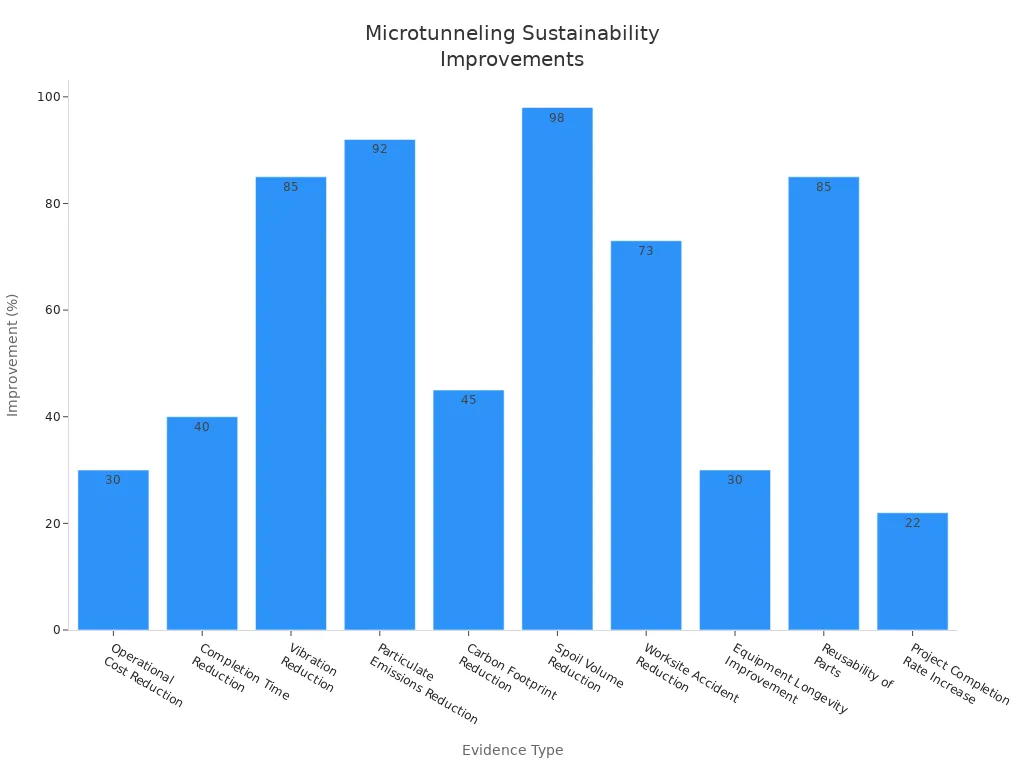
You can count on electric tunnel machines to work well. Microtunneling is better for the environment and helps finish jobs faster. You should pick microtunneling if you want safer and better utility work. CEGC is a leader in new tunnel machine technology.
FAQ
What is microtunneling and why should you use it?
Microtunneling helps you make tunnels without digging up the ground. This means you do not need to make big holes. Pipes and cables stay safe under the street. You do not hurt the city or make a mess.
How does microtunneling protect fragile utilities?
Microtunneling spreads out the force so nothing gets damaged. It keeps the ground from shaking too much. This stops pipes and cables from breaking. Water, gas, and fiber lines stay safe.
Can you use microtunneling in busy cities?
You can use microtunneling in crowded places. It does not block traffic or close roads. Old pipes and cables under the street are protected.
Tip: Microtunneling works in many kinds of dirt and sand. You can finish your work faster and keep everyone safe.


