
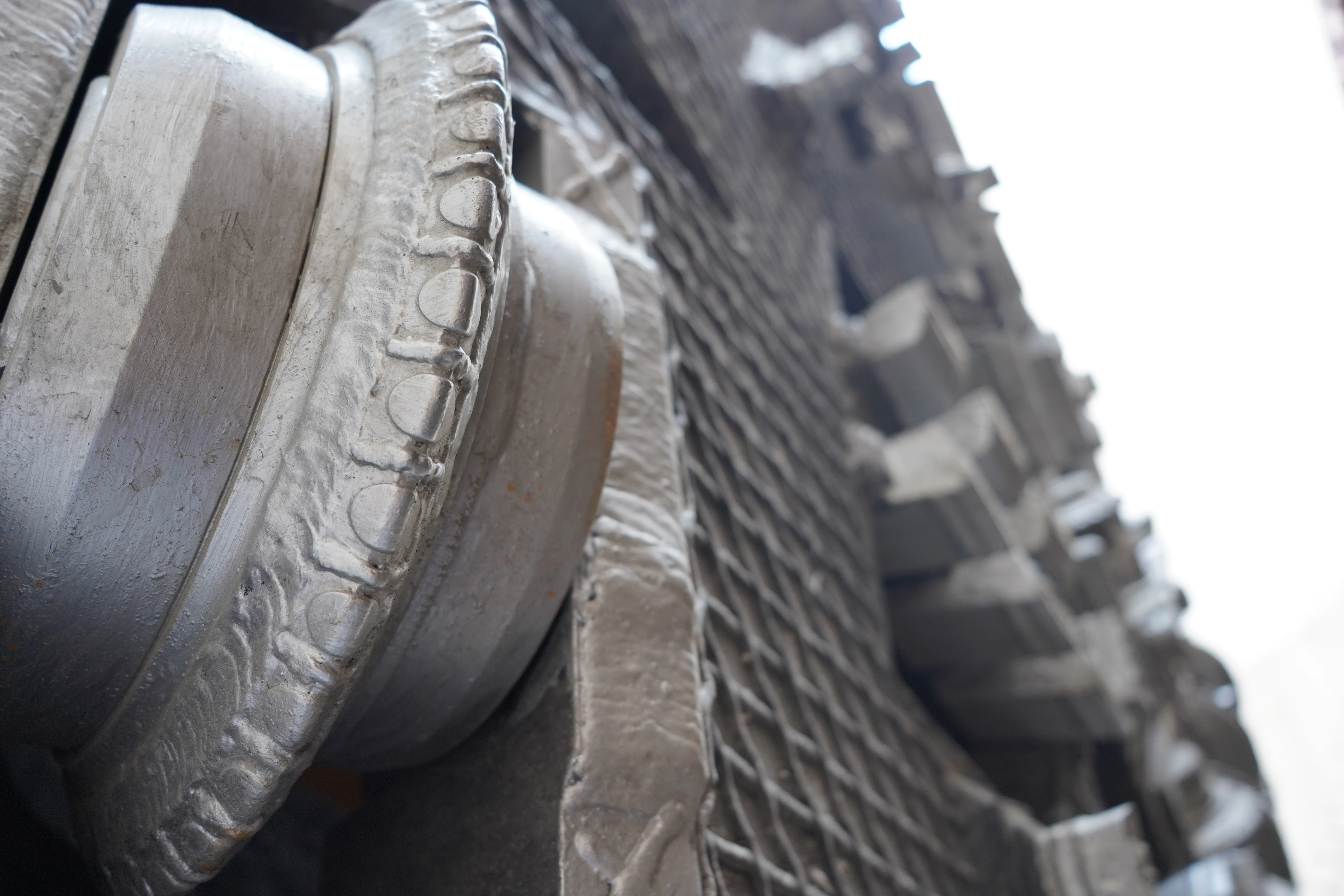
You face real risks when micro tunneling thrust imbalance can bend pipe over time. Small tunnel machines help many utility and infrastructure projects around the world:
-
Microtunnelling Machines are growing fast in city rail and utility jobs.
-
Auger boring machines play important roles in many places.
CEGC provides dependable solutions. Understanding micro tunneling thrust imbalance is crucial for keeping your project safe and protecting the pipe.
Key Takeaways
-
Thrust imbalance can make pipes bend as time passes. Watch the thrust force and pipe alignment to stop this problem.
-
Pick pipes with thick walls and joints that can bend. These things help the pipe deal with stress and stay straight.
-
Check your tunnel machine and ground often. Finding problems early can help you avoid expensive fixes.
Understanding Thrust Imbalance and Tunnel Machines
What Is Thrust Imbalance?
It is important to know about thrust imbalance to keep your microtunneling project safe. Thrust imbalance means the force pushing the tunnel machine is not equal on every side. This can make the pipe go off its planned path. If thrust imbalance happens for a long time, it can bend the pipe. This can cause problems with how the pipe lines up and how long it lasts.
Note: You can control thrust imbalance by using machines that watch thrust pressure and keep the force even. Some machines use pressurized slurry to hold up the ground and stop it from moving. You should also check thrust force and torque during the project. These steps help stop pipe bending and keep your tunnel safe.
Types of Tunnel Machines Used
There are different tunnel machines used in microtunneling projects. Each machine has a special job in the market:
-
Earth Pressure Balance Machines (EPBMs) work in many kinds of soil and are used a lot in cities.
-
Slurry Shield machines use slurry to hold up the tunnel face and stop the ground from moving.
-
Pilot Tube Microtunneling (PTMT) is good for making small and exact tunnels.
-
Auger boring machines are used for short crossings and easy ground.
-
Vacuum Extraction TBMs help take out soil fast.
Micro TBMs use lasers and smart sensors to keep the pipe straight. These tools help you control thrust and stop alignment problems. CEGC has many small tunnel machines for jobs like utility crossings, sewer lines, and water mains. You can pick the best tunnel machine for your project and count on CEGC for good results.
How Micro Tunneling Thrust Imbalance Can Bend Pipe Over Time
Causes of Thrust Imbalance
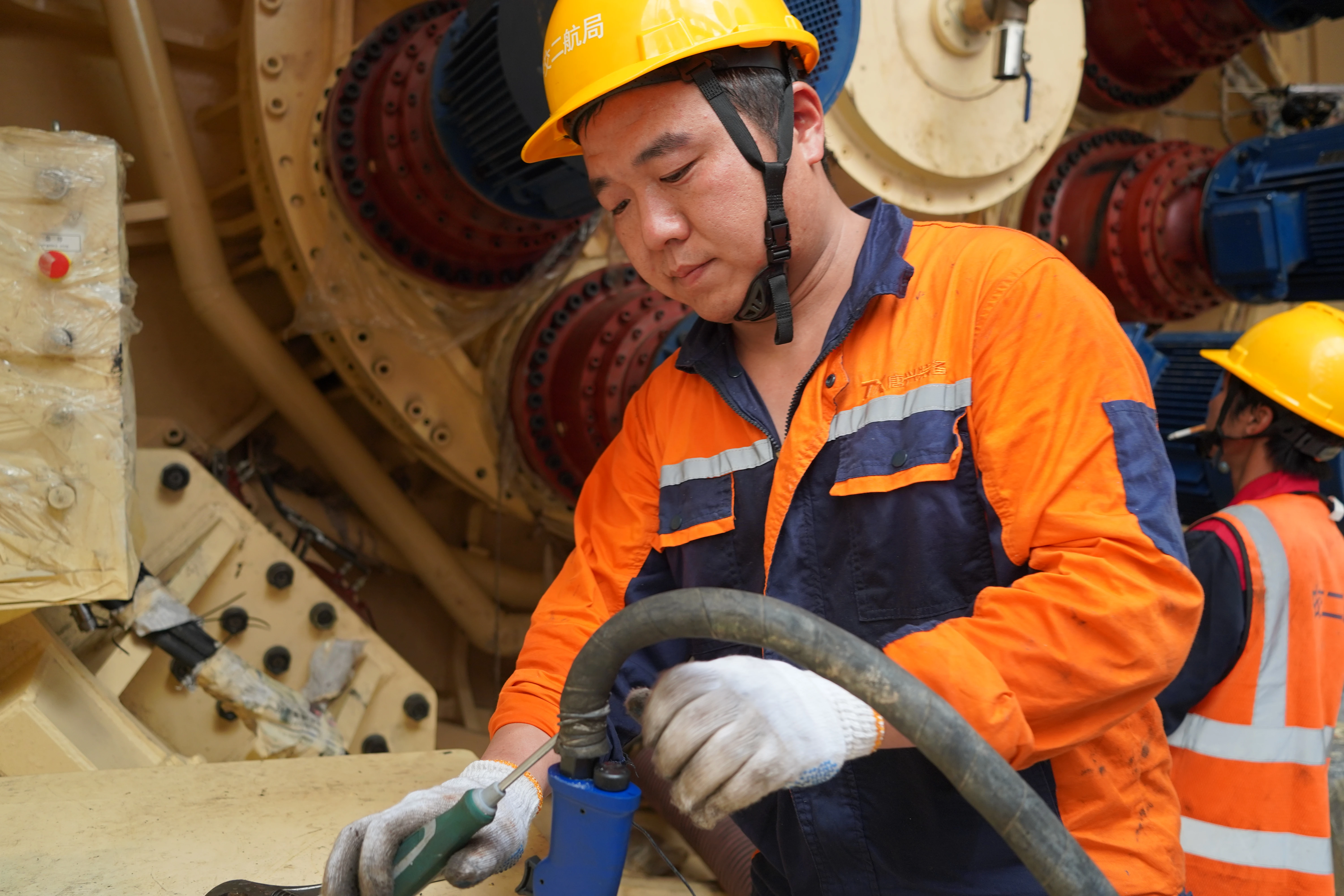
You may notice that several factors can cause thrust imbalance during microtunneling. Uneven ground is a common reason. When the soil is harder on one side, the tunnel machine pushes more on that side. This makes the force uneven. Equipment misalignment also leads to problems. If you do not set up the tunnel machine straight, the force will not spread evenly. Inconsistent jacking force is another cause. If the jacks do not push with the same power, the pipe can start to bend. These issues can happen with any tunnel machine, including auger boring machines and Microtunnelling Machines. You need to watch for these problems from the start of your project.
Pipe Bending Mechanisms and Cyclic Softening
When micro tunneling thrust imbalance can bend pipe over time, you see the pipe slowly move away from its planned path. The pipe joints may start to deflect. This means the ends of the pipes do not line up perfectly. Over time, the pipe material can weaken. This process is called cyclic softening. Each time the tunnel machine pushes unevenly, the pipe bends a little more. The stress builds up at the joints and along the pipe wall. If you use pipes with poor joint design or weak material, the problem gets worse. Good alignment and strong joints help reduce these risks. You should always check the pipe and joint design before starting your project.
Tip: Use pipes with thick walls and flexible joints. These features help the pipe handle small bends and reduce the risk of damage.
Long-Term Effects on Pipe Systems
If micro tunneling thrust imbalance can bend pipe over time, you may face serious long-term problems. The pipe system can develop structural stress. This stress can cause cracks or leaks. You may need to repair or replace parts of the system more often. The performance of the pipe system can drop. Water or other materials may not flow as planned. You may also see more wear on bearings and other moving parts. When the thrust is not balanced, the tunnel machine works harder. This can lower the efficiency of your system. Some engineers use special features like balancing holes or pressure-optimizing vanes to help. These features can reduce pressure differences and improve thrust balance. However, you still need to keep the tunnel machine well-aligned and check the clearances in the equipment. Good maintenance and careful setup help protect your pipe system for many years.
Note: Always monitor thrust force and alignment during your project. Early action can prevent costly repairs and keep your system running smoothly.
Prevention and Mitigation Strategies
Monitoring and Thrust Control
You can stop pipe bending by checking your tunnel machine often. Watching the machine helps you find thrust imbalance early. Use sensors to measure thrust force and alignment. Make sure to set up your equipment before each job. This helps your tunnel boring machine work the right way. Test the ground before you begin. Uneven soil can cause trouble, so check the soil in many places. Write down thrust readings while you work. If you notice changes, fix the jacking force fast. These actions help keep your pipe straight and safe.
Pipe and Joint Selection
Picking the right pipe and joint is key for your project. Thick-walled pipes with articulating joints are best for microtunneling. These pipes can handle tight turns and lower stress. Articulating joints let the pipe move a little without breaking. This design helps spread jacking forces safely, even on long jobs. You should think about these things when choosing pipes and joints:
|
Criteria |
Explanation |
|---|---|
|
Soil conditions |
|
|
Pipe type and diameter |
Material and size affect friction and restraint. |
|
Depth of cover |
More depth means more weight and friction. |
|
Design pressure |
Higher pressure needs stronger design. |
|
Trench type |
Stiffer trenches grip pipes better. |
|
Directional change |
Sharper turns need better joint design. |
|
Installation orientation |
Vertical pipes need more thrust control. |
|
Polyethylene encasement |
Slippery encasement may need longer restraint. |
Best Practices for CEGC Tunnel Machines
You get the best results when you follow good steps. Always use CEGC tunnel machines with strong thrust control and easy setup. Pick pipes that fit your soil and project needs. Teach your team to watch thrust and alignment at every step. For more information on tunnel machines, visit https://cegcequip.com.
You can see that thrust imbalance can bend pipes in microtunneling. To stop this, you need to watch the process closely and use strong tunnel machines. CEGC helps you by giving advice, picking equipment, checking the ground, and making your work better.
|
Service Type |
Description |
|---|---|
|
Expert Technical Consulting |
Gives you help for planning and doing the job. |
|
Equipment Selection |
Helps you pick the best tunnel machine. |
|
Geological Assessment |
Checks what the ground is like. |
|
Operational Optimization |
Makes your project work faster and smoother. |
You can talk to CEGC for good tunnel machine solutions.
FAQ
What is the smallest diameter available in CEGC's Microtunnelling Machine range?
You can choose a Microtunnelling Machine from CEGC with a starting diameter as small as 150 mm. This size works well for tight urban spaces.
Can a small auger boring machine be operated by a two-person crew?
Yes, you can run a small auger boring machine with just two people. This setup helps you save on labor and keeps your project simple.
What is the lead time for a small CEGC underground boring machine?
You usually get your CEGC tunnel machine within 4 to 8 weeks. Check with CEGC for the latest delivery times and shipping options.


