
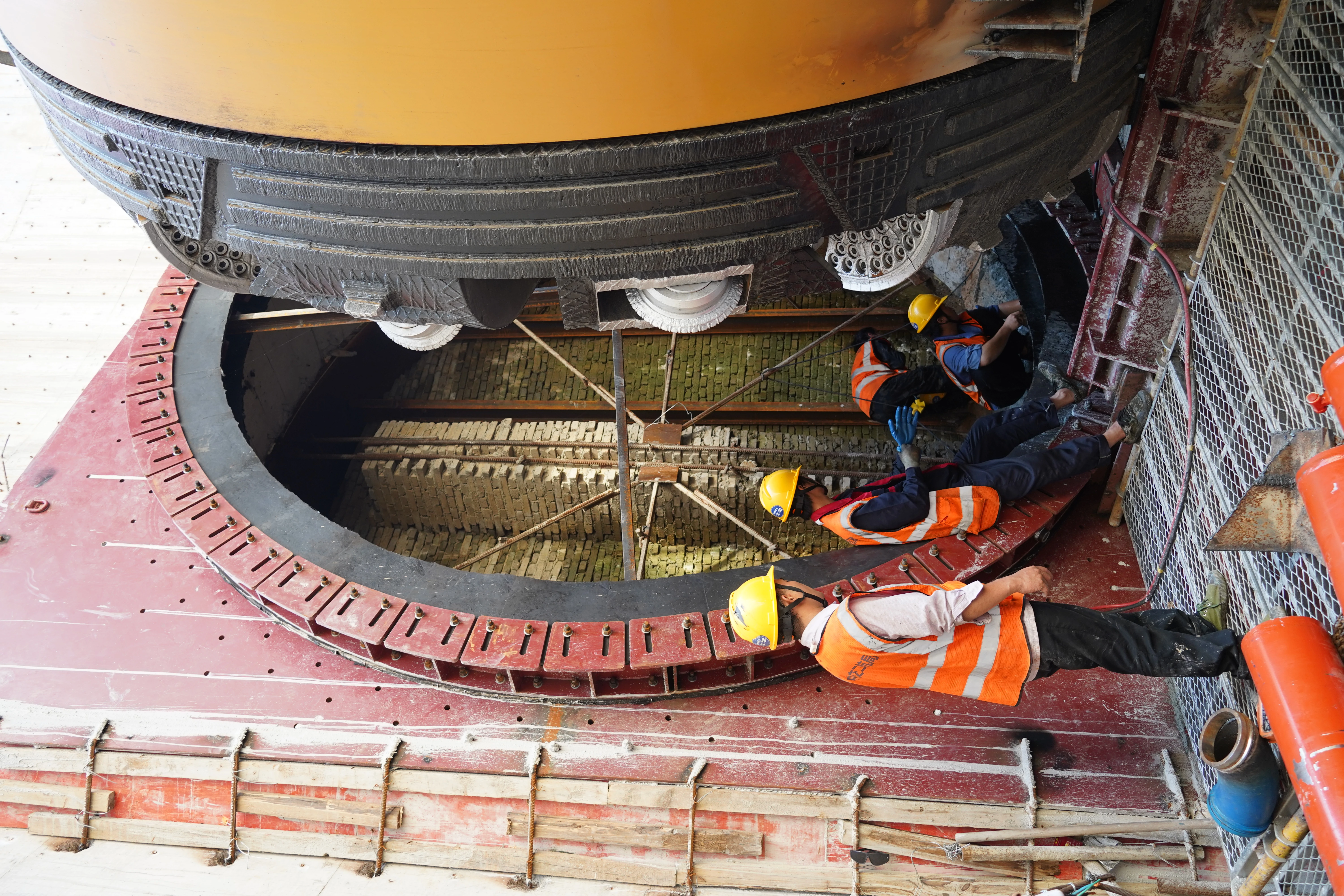
When working near fragile utilities during underground construction, micro tunneling thrust limits protect fragile utilities and ensure their safety. Using microtunneling machines, such as CEGC systems, allows you to precisely control thrust, minimizing risk to sensitive infrastructure. By relying on micro tunneling thrust limits, you can confidently safeguard every utility and comply with strict safety regulations. CEGC microtunneling solutions are engineered to keep thrust low, providing reliable protection for all utilities and maintaining their uninterrupted operation. With CEGC, you can trust that micro tunneling thrust limits protect fragile utilities, making microtunneling the optimal choice for utility safety.
Key Takeaways
-
Micro tunneling thrust limits are very important for keeping fragile utilities safe during underground work. They help control how much force is used, so there is less chance of damage.
-
Using new technology like CEGC microtunneling machines lets workers control the thrust exactly. This makes sure they follow safety rules and keeps underground utilities safe.
-
Checking thrust limits often with sensors and software is needed. This careful way helps stop damage to utilities and keeps tunneling going smoothly.
micro tunneling thrust limits protect fragile utilities
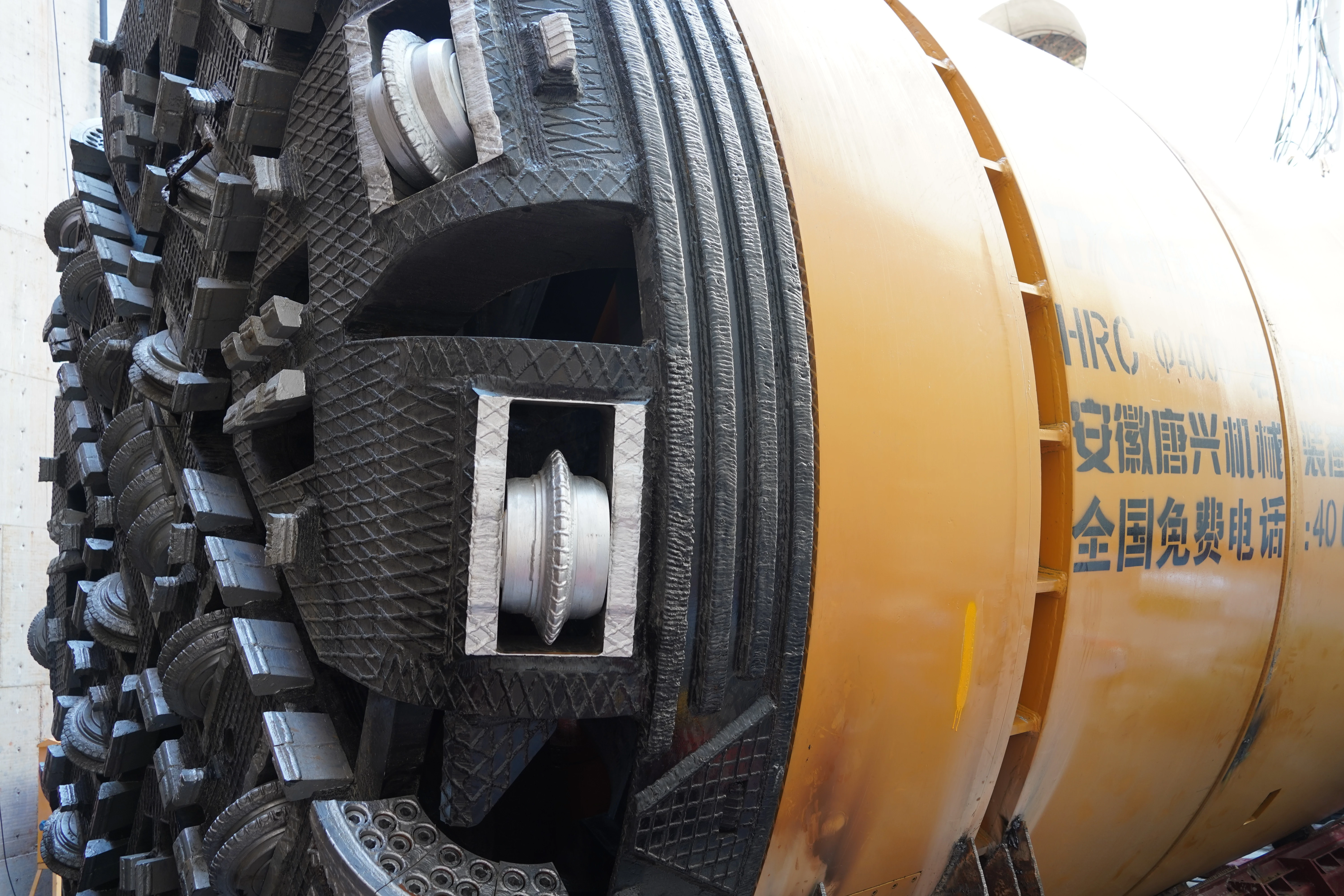
Defining Thrust Limits in Microtunneling
It is important to know about thrust limits when using microtunneling. Thrust limits are the highest force your micro tunnel boring machine can use. These limits help you control the pressure on the ground and nearby utilities.
You can check the table below to see how thrust limits are figured out:
|
Aspect |
Description |
|---|---|
|
Method |
Probabilistic observational approach |
|
Purpose |
Forecasting jacking forces to ensure thrust limits are not exceeded and prevent damage |
|
Factors Considered |
Site geology, lubricated overcut, work stoppages, driving style, pipe misalignment |
|
Technique Used |
Gaussian process regression for probabilistic forecasting |
|
Application |
Applied to two recent UK microtunnelling monitoring projects |
|
Comparison |
Forecasts compared to predictions from current industry design methods |
These calculations help you set safe limits for your machine. This stops too much force that could break fragile utilities. You use these limits to keep your trenchless projects safe and steady.
Why Thrust Control Matters for Utilities
You need to control thrust to keep utilities safe during microtunneling. Too much force can break pipes, cables, or other underground utilities. It can also move the ground and cause surface problems or utility failures.
Here are some key reasons why thrust control is important:
-
Managing jacking forces keeps fragile utilities safe.
-
Torque overload can stop your machine or cause damage.
-
You may need to fix alignment during long drives.
-
Predicting jacking force helps you find problems early.
-
Too much thrust can break your pipe string or launch shaft.
-
Site geology and other things make force prediction harder.
You can look at industry benchmarks for thrust limits in the table below:
|
Parameter |
Value Range |
|---|---|
|
50-70 kNm |
|
|
Allowable Alignment Deviation |
±1 inch tolerance |
|
Maximum Surface Subsidence |
25 mm (1 inch) |
You must build thrust blocks to move jacking loads into the soil. This keeps the highest jacking pressure supported and protects utilities during microtunneling. Trenchless technology helps you keep your work safe and efficient.
CEGC’s Approach to Utility Protection
You can count on CEGC for solutions that protect utilities during microtunneling. CEGC makes each micro tunnel boring machine to follow strict thrust limits. You get custom machines for your site’s geology and utility needs.
You face many problems in trenchless utility construction:
-
Ground settlement can move the surface and cause claims.
-
Face instability can cause blowouts or water leaks.
-
Utility conflicts can stop your project and raise costs.
CEGC helps you fix these problems with advanced trenchless technology:
-
Closed-mode face support keeps your excavation steady.
-
Soil conditioning and muck transport keep spoil behavior steady.
-
Sealing and pressure retention stop leaks and make things stable.
-
Guidance systems help you stay on track and avoid utility conflicts.
You use CEGC’s microtunneling machines to control thrust and keep utilities safe. You can trust CEGC to help you meet industry benchmarks for torque, alignment, and surface movement. You also get help for trenchless projects, technology upgrades, and horizontal directional drilling.
You can use CEGC’s solutions for all trenchless projects, like microtunneling, horizontal directional drilling, and utility construction. You get reliable performance, high uptime, and the ability to protect utilities, even in busy cities.
Tip: Always check thrust limits during microtunneling to keep utilities safe and avoid expensive repairs.
You can see how micro tunneling thrust limits protect fragile utilities in every step of your trenchless project. You use these limits to keep your work safe, efficient, and follow all rules.
Setting and Monitoring Thrust in Microtunneling
Equipment and Real-Time Control
You need special machines to set and watch thrust limits in microtunneling. Tunnel machines and TBM tunnel boring machines use smart systems to control thrust. These machines help protect every utility underground. Strong hydraulic jacks push pipes through the ground. These jacks let you set safe thrust limits. This keeps your microtunneling project moving safely.
Automatic lubrication systems make the pipe slide easier in the soil. You put in bentonite lubrication systems to help tunneling and spread thrust evenly. Intermediate jacking stations help you go farther and use less force at each step. Steerable microtunneling machines let you change thrust and direction right away.
You use sensors and software to watch thrust all the time. These tools check if pipes bend, track ring order, and watch thrust forces. You get alarms and data to stop damage to utilities. Guidance systems use lasers to keep the tunnel machine straight and away from other utilities.
Tip: Always check your machines and monitoring tools before you start microtunneling. This helps you protect every utility and follow trenchless technology rules.
Here is a table that shows important equipment features for thrust control:
|
Feature |
Function |
|---|---|
|
Hydraulic Jacks |
Push pipes and set thrust limits |
|
Bentonite Lubrication |
Reduce friction and distribute thrust |
|
Intermediate Stations |
Lower force and extend drive length |
|
Guidance System |
Maintain alignment and avoid utility conflicts |
|
Sensor Monitoring |
Track deformation and prevent utility damage |
Managing Soil and Utility Challenges
You face many problems in microtunneling, especially in city utility work. The soil can change as you dig, and you must protect fragile utilities. You use trenchless technology to handle these risks and keep your project safe.
Face pressure control is very important. You use a Slurry Balance Machine to keep the tunnel face steady and stop the ground from sinking. Pressurized slurry keeps water and soil pressure balanced. This makes the digging area safe. You add bentonite slurry to make the pipe move easier and lower tunneling forces.
Guidance systems help you steer your microtunneling machine and stay away from other utilities. You use remote lasers or gyroscopic systems to make quick changes. Articulated joints and thrust vectoring let you steer carefully and keep the tunnel on the right path.
You must check the ground carefully before you start microtunneling. This helps you know what to expect and plan for problems. You watch the work often to protect utilities and follow design rules.
Note: It is easier to handle soil and utility problems when you use trenchless technology and advanced microtunneling machines. You keep every utility safe and avoid expensive repairs.
Case Examples of Successful Utility Protection
You can learn a lot from old microtunneling projects. Many teams have kept utilities safe by watching thrust limits closely. You see that risk management and checking often are important in utility work.
Here are some things learned from good microtunneling projects:
-
You must check the ground before you dig.
-
You need plans to protect the utilities already there.
-
You watch thrust and pipe bending during the job to stay safe.
-
You use trenchless technology to keep the ground still and avoid hitting other utilities.
One project used CEGC microtunneling machines with closed-mode face support and guidance systems. The team added bentonite slurry and watched thrust in real time. They kept fragile utilities safe and finished the job with no problems.
Another project put in intermediate jacking stations and sensor systems. The team watched pipe bending and changed thrust when needed. They did not hit any utilities and kept the ground from moving too much.
Callout: You can do safe and good microtunneling by setting thrust limits, using trenchless technology, and watching every step. This keeps utilities safe and helps you finish utility jobs well.
You use microtunneling, trenchless technology, and smart tunnel machines to keep utilities safe in every job. You count on real-time control, face pressure management, and guidance systems to keep your work safe and smooth. You learn from past jobs and use the best ideas for every utility project.
You keep all utilities safe when you set thrust limits in microtunneling. Thrust control helps make trenchless projects safer and lowers risks in underground work. You follow important steps in trenchless technology:
-
Steering cylinders help you control microtunneling thrust exactly.
-
Anti-roll solutions stop trenchless machines from moving around.
-
Jacking and telescopic stations help with long trenchless drives.
You count on CEGC for trenchless technology and microtunneling help. The table below shows how CEGC helps you keep every utility safe:
|
Solution |
Benefit |
|---|---|
|
Safer trenchless microtunneling for each utility |
|
|
Expert Technical Consulting |
Better trenchless project planning |
|
Comprehensive Training Programs |
Safer trenchless technology operation |
|
Trenchless Engineering Support |
Success in complex trenchless utility installations |
You pick trenchless technology and microtunneling first for every utility job. You protect utilities and follow all trenchless rules.
FAQ
What makes trenchless technology safer for fragile utilities?
Trenchless technology lets you work without digging up the ground. This keeps fragile utilities safe because they are not disturbed by tunnel machines.
You can rely on trenchless technology to lower risks and protect utilities.
How do you monitor thrust limits in trenchless projects?
Sensors and software help you watch thrust limits. These tools check tunnel machine pressure and warn you if thrust is too high.
-
You look at readings often to stop utility damage.
-
You change tunnel machine settings to keep trenchless jobs safe.
Can trenchless technology work in different soil types?
Trenchless technology works in soft, hard, or mixed soils. Tunnel machines change to match the soil and keep thrust steady. This protects utilities in every trenchless project.
|
Soil Type |
Trenchless Solution |
|---|---|
|
Soft |
Slurry balance machine |
|
Hard |
High-efficiency cutterhead |
|
Mixed |
Soil conditioning system |


