
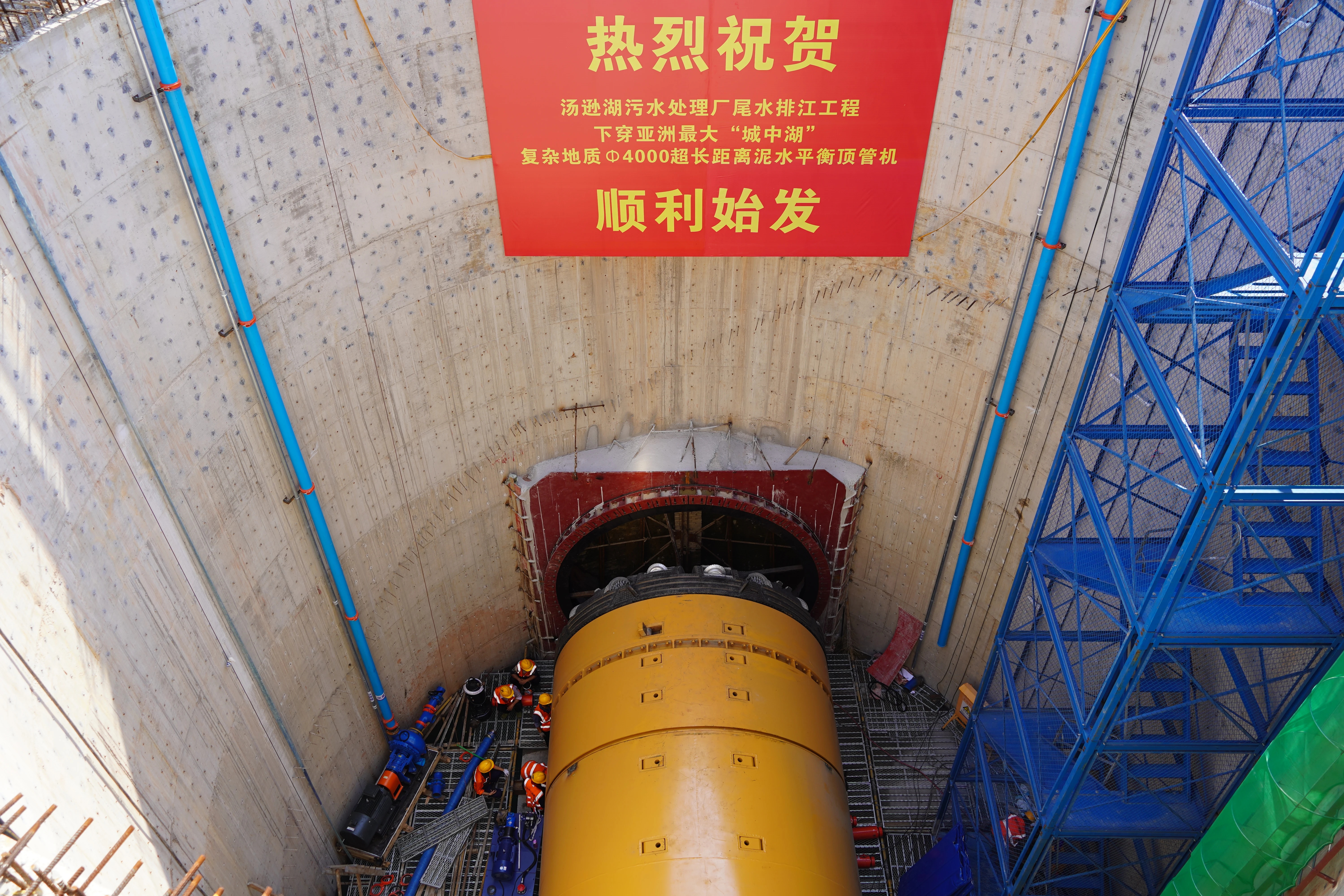
You need thrust margin when you drive a TBM through squeezing ground. A TBM tunnel needs thrust margin in squeezing ground to keep the TBM moving and stop jamming. Without enough thrust, the TBM can get stuck. CEGC gives you market-standard and custom tunnel boring machine solutions for safe tunnelling.
Key Takeaways
-
Thrust margin is very important for TBM work in squeezing ground. It gives extra power to help the machine move and stop it from getting stuck.
-
Always check your TBM's thrust margin to stop delays and keep tunneling safe. Try to guess ground conditions so you can change thrust if needed.
-
Pick a TBM with thrust systems that can change for different ground types. This helps keep work going and keeps everyone safe while tunneling.
TBM Thrust Margin Basics
What Is Thrust Margin?
You need thrust margin when you operate a tbm in tough ground. Thrust margin means the extra force your tbm can use beyond what the ground needs. This margin helps your tunnel boring machine push forward even when the ground squeezes the machine. If you do not have enough thrust, your tbm can stop moving. You must keep thrust margin high to avoid jamming and delays in tunnelling.
Thrust margin acts like a safety buffer. It gives your tbm the power to keep going when the ground pressure changes. You can rely on thrust margin to protect your tunnelling progress.
CEGC designs tbm machines with market-standard thrust systems. You can also ask for custom thrust solutions. These options help you match your tbm performance to your project needs.
Role in TBM Operation
Your tbm uses thrust margin to fight squeezing ground. The ground can push back hard and slow your tunnelling. Thrust margin lets your tbm keep moving and avoid getting stuck. You can trust thrust margin to keep your tunnelling safe and steady.
-
Thrust margin helps your tbm handle sudden changes in ground pressure.
-
You can keep your tunnelling on schedule with enough thrust margin.
-
Thrust margin supports high tbm performance in tough conditions.
CEGC offers thrust systems that fit your tunnelling project. You can choose market-standard or custom thrust options. These systems help you reach the best tbm performance for your tunnel boring machine.
Squeezing Ground and TBM Challenges
queezing Ground Explained
Squeezing ground happens when rocks or soils change shape easily. This is common in places where the ground is weak and bends a lot. You might see big changes in the ground or strong rock pressure. Water in the ground can make squeezing worse. The kind of rock, like schistose or foliated rocks, matters a lot. How the rock layers sit compared to your tunnel also matters. You need to check the stress compared to the rock’s strength. Lowering water pressure can sometimes help reduce squeezing over time. Civil tunnels need different support than mining tunnels.
-
Big changes and strong rock pressure
-
Water makes squeezing worse
-
Foliation spacing and direction change squeezing
-
Stress compared to rock strength matters
-
Short ring closure times help control squeezing
Impact on TBM Tunnel Progress
Squeezing ground can slow down your tbm or stop it. You might see the ground move closer, the tunnel face become unstable, or water leak in. These problems can cause delays and stops. How well your tbm works in squeezing ground depends on the cover above and the ground type. Sometimes squeezing makes you wonder if tbm digging will work.
|
Challenge |
Description |
|---|---|
|
Squeezing Index |
Tbm works better with more cover, but weak ground lowers this. |
|
Squeezing can block your tbm shield and stop work. |
|
|
Mitigation Techniques |
You can use bentonite to help lower squeezing problems. |
|
Prediction of Critical Zones |
You can guess where squeezing will block your tbm. |
|
Impact on Feasibility |
Squeezing can make tbm tunneling hard or not possible. |
You can use CEGC’s technical solutions to handle these problems. Face pressure control keeps the tunnel face steady. Soil conditioning makes the ground easier for your tbm to cut and move. Sealing architecture keeps water out and protects your tunnel machine. These solutions help your tbm move safely through tough ground.
A TBM Tunnel Needs Thrust Margin in Squeezing Ground
Increased Resistance and Pressure
You face high resistance when you drive a TBM through squeezing ground. The ground pushes back against your tunnel boring machine. This pressure slows down your TBM and makes tunnelling harder. You need to understand that a TBM tunnel needs thrust margin in squeezing ground because the shield at the back of your TBM feels the most force. If you do not have enough thrust, your TBM cannot move forward. The advance rate drops, and you risk getting stuck. You must always predict how much thrust you need for your TBM in these tough conditions.
When you see the ground pressure rise, you must increase your thrust to keep your TBM moving. You cannot ignore these changes. If you want to predict TBM performance, you must look at the geology and the ground conditions. You need to check the stress on your TBM and predict how much thrust margin you need. This helps you avoid problems and keep your tunnelling on track. You must always remember that a TBM tunnel needs thrust margin in squeezing ground to handle these challenges.
Preventing TBM Jamming
You want your TBM to keep moving without getting stuck. Jamming happens when the ground squeezes your TBM so hard that it cannot move. You can prevent this by making sure your TBM has enough thrust margin. You must predict the worst ground conditions and plan for them. The Thrust Utilization Factor (TUF) helps you check if your TBM has enough power. TUF shows how much of your TBM’s thrust you use compared to the maximum. If TUF gets too high, you risk jamming. You must always keep a safe margin.
You can use technical solutions to protect your TBM. CEGC gives you cutterhead designs that fight wear and keep your TBM strong. You get wear protection plates and hard facing on the cutterhead. These features help your TBM last longer in tough geology. You also get a flushing ring behind the cutterhead. This tool moves cuttings away and stops fines from building up. You can predict TBM performance better when you use these tools. You keep your TBM excavation smooth and avoid jamming.
Tip: Always check your TBM’s thrust margin before you start tunnelling in squeezing ground. You can predict problems and fix them early.
Maintaining Progress and Safety
You must keep your TBM moving to finish your tunnel on time. A TBM tunnel needs thrust margin in squeezing ground to keep progress steady. You need to predict how the ground will change and adjust your TBM’s thrust. If you do not, you risk delays and safety problems. You must use guidance systems to help your TBM stay on line. These systems measure movement and help you steer your TBM. You can predict TBM performance prediction results by watching these systems.
Modern TBMs, like those from CEGC, use guidance and steering systems that work in all geological conditions. You can switch between operation modes to match the ground. This helps you keep your TBM safe and your tunnelling on schedule. You must always predict the geology ahead and prepare your TBM for changes. You can trust these systems to help you avoid mistakes and keep your team safe.
-
Use guidance systems to predict TBM performance and keep your tunnel straight.
-
Check your thrust margin often to avoid sudden stops.
-
Choose a TBM with flexible systems for different geological conditions.
You must remember that a TBM tunnel needs thrust margin in squeezing ground. You can predict problems, protect your TBM, and finish your tunnel safely when you plan ahead.
Thrust Margin Design and Risks
Design Strategies for TBM
You must plan your tbm for the toughest conditions. You need to study the geology and all possible geological conditions before you start tunnelling. You should always check the ground and predict how it will change. You must choose a tbm with enough thrust to handle squeezing ground and other hard conditions. You can use data from past projects to help you decide. You should look at the thrust system and make sure it matches your tunnelling needs. You must also check the cutterhead and the drive system. These parts must work well in all geological conditions. You can ask CEGC for a tunnel boring machine with custom thrust options. This helps you match your tbm to your project’s geology and conditions.
Tip: Always review your tbm performance in different geological conditions. You can adjust your design before you start tunnelling.
Risks of Low Thrust Margin
If you do not have enough thrust margin, your tbm can get stuck. You may see the shield jam in squeezing ground. You can lose time and money if your tbm stops. Some projects failed because they did not plan for tough geological conditions. You must learn from these lessons. You should always check your tbm performance and thrust margin before you start. You can ask CEGC for support and custom solutions. This helps you avoid problems and keep your tunnelling safe. You must always match your tbm to the geology and all possible geological conditions.
|
Risk |
Result |
|---|---|
|
Low thrust margin |
TBM jamming, project delays |
|
Poor tbm performance |
High cost, safety problems |
|
Wrong design choice |
More downtime, lost progress |
You can trust CEGC to help you design your tbm for any geological conditions.
You need thrust margin to keep tbm tunnelling safe in squeezing ground. The table below shows what changes tbm performance:
|
Factor |
Description |
|---|---|
|
Ground Conditions |
Changes in geology affect tbm work and safety. |
|
Thrust Calculation |
You must figure out thrust to stop jamming. |
|
Weak Structures |
Weak ground can make the tunnel close in and halt tbm. |
You can make tbm work better by picking the right machine.
-
You must know the cutterhead torque and thrust force for your tbm.
-
You match your tbm to the ground for easier tunnelling.
-
You get safer, quicker, and cheaper tunnelling.
CEGC gives you standard and custom tunnel machine choices. You should always plan for thrust margin. This keeps your tbm working well and your tunnelling safe.
FAQ
What is thrust margin in a tbm?
You use thrust margin to give your tbm extra pushing power. This helps your tbm move forward when the ground squeezes or pushes back hard.
Why does a tbm need thrust margin in squeezing ground?
You need thrust margin so your tbm does not get stuck. Squeezing ground can stop your tbm. Extra thrust keeps your tunnel project moving safely.
How do you choose the right tbm for squeezing ground?
You look at the ground type and project needs. Pick a tbm with enough thrust margin. CEGC can help you select the best tbm for your job.


