
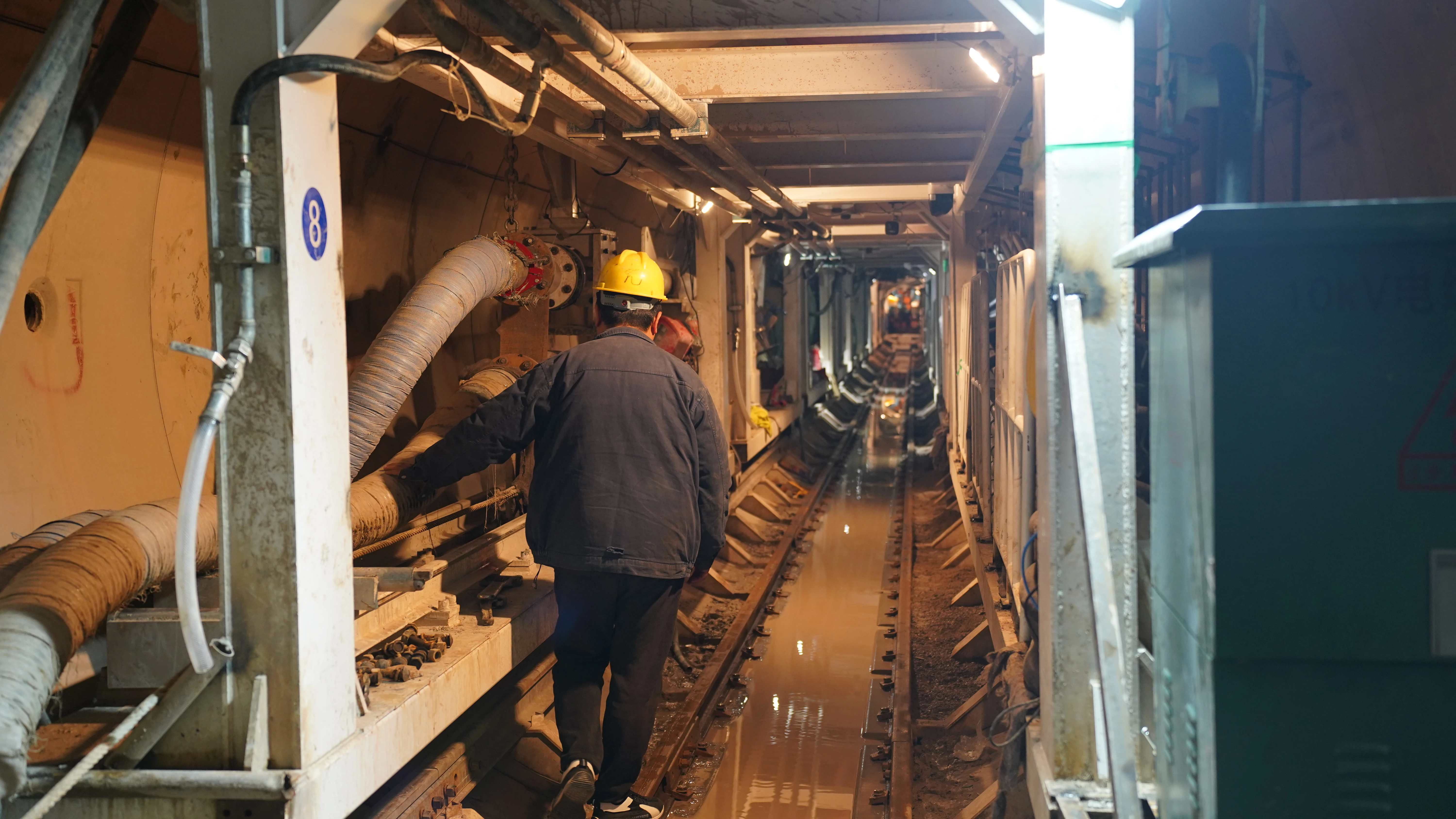
Micro tunneling thrust tuning protects pipe joints by effectively controlling the force applied during installation, thereby preventing potential damage. Without thrust tuning, pipes are at risk of cracking, leaking, or becoming misaligned. CEGC provides tunnel machines designed to mitigate these risks and offers comprehensive technical solutions. With CEGC's expertise, you can ensure that your pipe joints remain strong and secure throughout the installation process.
Key Takeaways
-
Micro tunneling thrust tuning manages the force when pipes are put in. This stops problems like cracks and leaks. It helps keep joints strong and safe.
-
Hydraulic controls and monitoring systems help make changes right away. This keeps the pressure the same on all joints. It makes the work safer and more correct.
-
Using best practices, like rubber gasketed joints and good support, makes pipe joints better. These steps stop common errors and help the job go well.
micro tunneling thrust tuning protects pipe joints
thrust tuning basics in microtunneling
It is important to know how micro tunneling thrust tuning helps pipe joints during installation. Thrust tuning means you control the force that pushes each pipe piece forward. This helps keep the pressure the same on all joints. When you use a tunnel machine or a TBM tunnel boring machine, you do not want too much force on one side of a pipe. If the thrust is not balanced, cracks or leaks can happen at the joints.
Making sure the force is even is very important in microtunneling. You use special pressure transfer rings to balance the forces from different directions. This helps stop damage from uneven pressure. You also use a monitoring system that checks the thrust on each pipe as you work. This system lets you change the force while you install the pipes. You keep the stress on the pipe joints safe. Micro tunneling thrust tuning helps pipe joints by making sure every piece stays straight and under the right pressure.
There are different machines you can use for microtunneling. CEGC has many options, like the TBM tunnel boring machine, auger boring machine, and Microtunnelling Machine. Each machine uses thrust tuning to make the job safe and smooth. You can change these machines to fit your project. This helps you work with different ground types and pipe lengths. Micro tunneling thrust tuning keeps pipe joints safe in all kinds of ground, like soft soil or hard rock.
pipe joint risks without proper thrust control
If you do not use thrust tuning, there are many risks in microtunneling. Pipe joints can crack, leak, or move out of place. Water might get into the tunnel or dirt could get inside the pipe. These problems can stop your work and cost you money and time. Micro tunneling thrust tuning helps pipe joints by stopping these problems before they start.
You can lower the chance of joint damage by using special ways and materials:
-
Wrapping pipes with friction-reducing geotextiles helps lower pipe-soil friction. This makes it easier to control pipe shape during installation.
-
Prefabricated concrete culverts help the pipe keep its shape if the ground moves. This stops extra stress on the joints.
-
Filling the trench with loose soil makes it easier for the pipe to move. This lowers friction that can hurt the pipe.
-
Flexible joints take in ground movement. These joints keep pipe pieces safe and not stressed.
You also need to watch the alignment. If you do not control thrust, the pipe can go off track. Bad alignment puts more stress on the joints. You want each pipe piece to fit just right. Micro tunneling thrust tuning helps pipe joints by keeping the pipes straight and the pressure even.
When you use a CEGC tunnel machine, you get strong thrust control. The TBM tunnel boring machine and Microtunnelling Machine both use real-time checks and hydraulic systems. These tools help you change the thrust while you work. You keep the pipe joints safe and the pipes straight. Micro tunneling thrust tuning helps pipe joints and gives you peace of mind on every job.
mechanisms and best practices for joint protection
thrust tuning technologies and methods
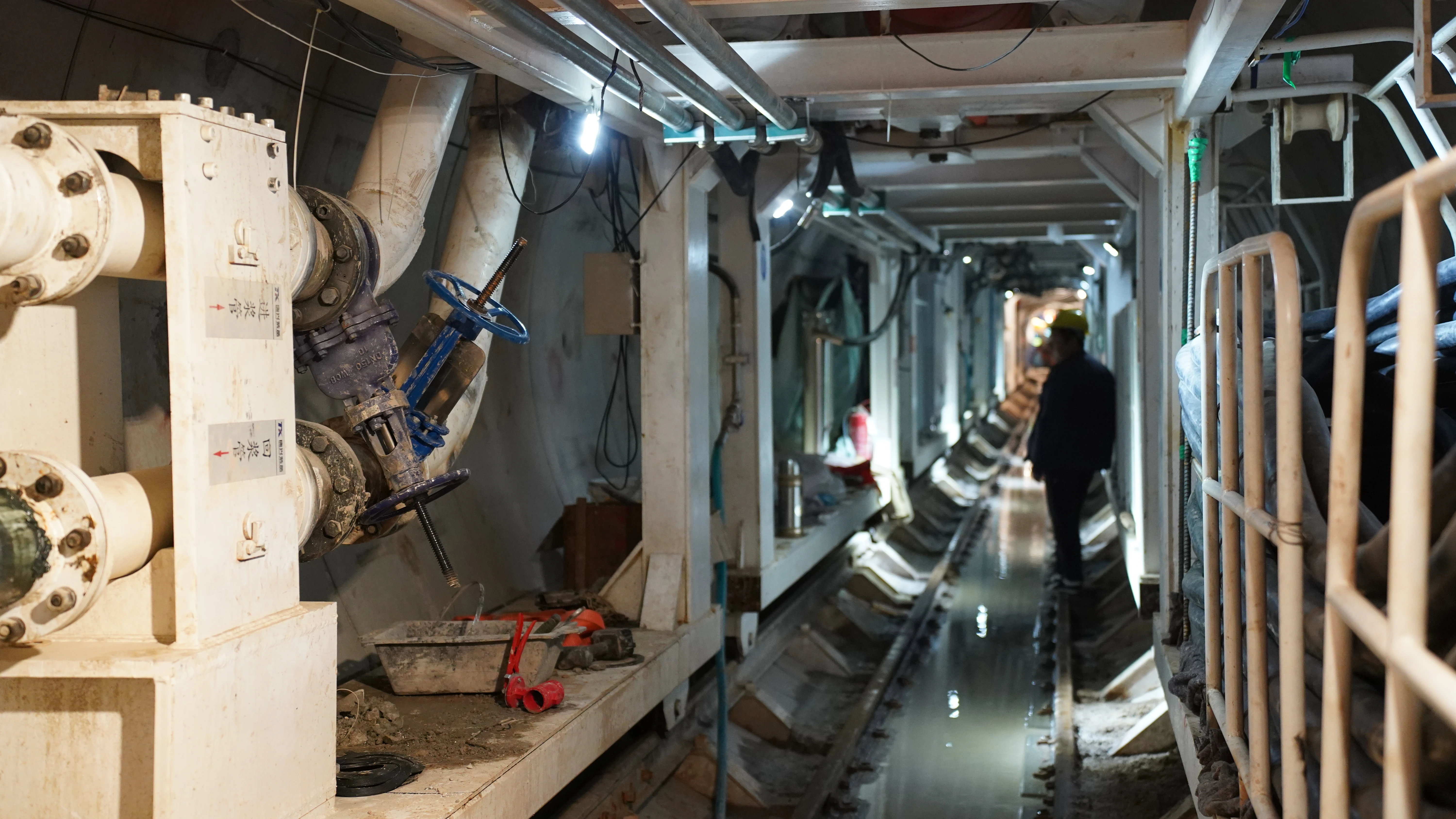
You need good technology to keep pipe joints safe in microtunneling. Hydraulic controls and force monitors help you change thrust right away. These systems use hydraulic cylinders to push each pipe piece forward. You can set the force for every section, so the load stays even. This lowers the chance of pipe ovaling or joints breaking. You can turn these systems on by hand or let them work by themselves. This makes the job more exact and safer.
Soil conditioning is also important for joint safety. You can use different grouting ways to make the ground better for pipes. Here is a simple guide:
|
Grouting Method |
Description |
Applicable Soil Types |
|---|---|---|
|
Slurry Grouting |
Puts material into soil without breaking it apart. |
Coarser soils, gravels, coarse sands |
|
Chemical Grouting |
Uses chemicals that go through soil pores to make it stronger. |
Medium to fine sands, silty sands |
|
Compaction Grouting |
Pushes and packs loose soil with thick mortar. |
Loose sands, improves density and strength |
best practices for pipe joint integrity
You can do a few things to make pipe joints safer and more accurate. Use rubber gasketed joints and make thrust walls stronger to keep joints tight. Always check if pipes are straight and give them good support. Here are some easy steps for using CEGC tunnel machines on your project:
|
Practical Steps |
Description |
|---|---|
|
Front End Engineering and Design |
Plan and design what your project needs. |
|
Detailed Design |
Figure out the stresses and loads for microtunneling. |
|
Construction Support |
Get help during work to fix problems quickly. |
|
Pipe Stress Calculations |
Check how strong the pipes are to keep them safe. |
|
Microtunnel Thrust Loads |
Find out the right thrust for your job. |
|
As-built Drawings |
Save records for later use. |
Real projects show that bellow-type flexible joints and raising pipes above ground both help keep pipes safe. You can see these ideas used in big jobs like the Trans-Alaska pipeline.
Tip: Try not to make mistakes like pipes not lining up, weak anchors, or bolts that are too loose or too tight. These mistakes can make your work less safe and less accurate.
When you adjust thrust in microtunneling, you keep pipe joints safe. Good thrust control makes joint problems less likely. CEGC’s tunnel machines help you do the job right.
|
Benefit |
Description |
|---|---|
|
Joints stay strong when pressure or force changes. |
|
|
Flexibility |
Pipes can bend a little, so you need fewer sharp turns. |
-
You manage the force and stop pipes from coming apart.
-
Checking quality and using grease helps protect the pipes.
FAQ
What is thrust tuning in trenchless pipeline installation?
You change the force when you put in pipes. Thrust tuning makes sure the pipes go in safely. It stops the joints from getting hurt and helps the job look better.
How does thrust tuning protect pipe joints during installation?
You watch the pressure on each pipe joint. Thrust tuning keeps the pipes straight as you work. This stops cracks, leaks, and joints from moving out of place.
Can you use thrust tuning with different tunnel machines for installation?
You can use thrust tuning with tunnel boring machines, auger boring machines, and microtunnelling machines. This helps you put in pipes more exactly and keeps the joints safe every time.


