
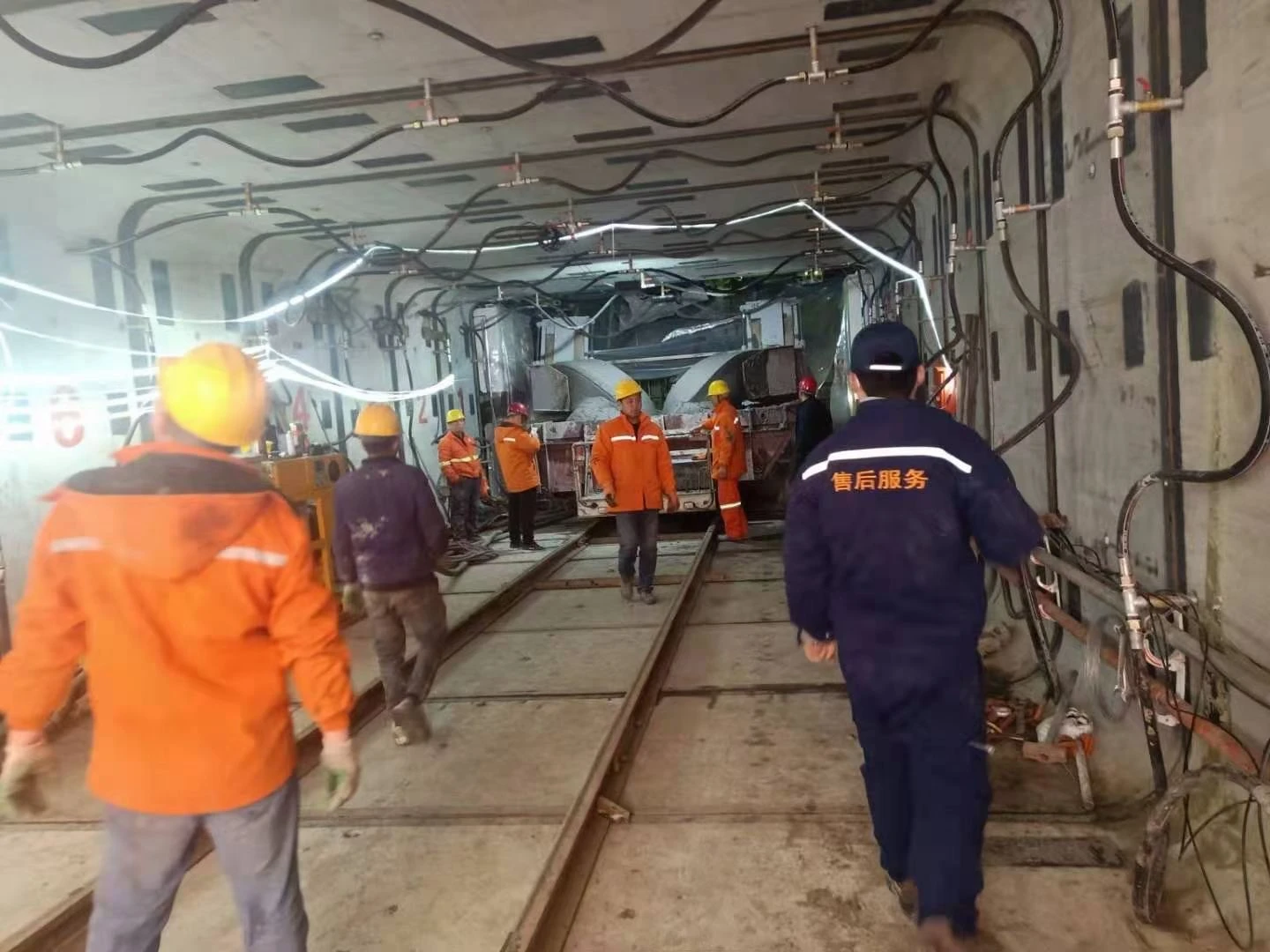
Micro tunneling torque control lowers overload risk by allowing precise management of forces during tunneling operations. With CEGC tunnel machine and microtunnelling machine solutions, you benefit from market-standard features and project-based customization. The advanced torque control system helps address key challenges such as ground settlement, face instability, and cutterhead wear, ensuring safer and more efficient tunneling performance.
Key Takeaways
-
Micro tunneling torque control makes work safer. It controls the forces while tunneling. This helps stop overload and keeps equipment from breaking.
-
Advanced features like automatic torque changes help a lot. GPS guidance helps workers know where to dig. These tools make the job faster and more correct. Projects finish on time.
-
Picking the right features for your micro tunneling machine is smart. It can make repairs cost less. It also helps the machine work better.
micro tunneling torque control lowers overload risk
Torque Control Mechanisms In Tunnel Machines
Advanced torque control in tunnel machines helps tunneling work. Micro tunneling torque control lowers overload risk by controlling face resistance, muck flow, and feed rates. This keeps the process balanced and efficient for small tunnels.
-
Micro tunnel-boring machines use 30 to 50 IoT sensors. These sensors check torque levels and other data as the machine works.
-
Machine learning changes RPM and slurry pressure when soil changes.
-
Hydraulic systems help the machine stay steady and work well.
CEGC gives tunnel machine solutions that meet market standards. You can change features to fit your project. The microtunnelling machine from CEGC uses electric power for good efficiency and cutting torque. You can pick pipe sizes from 600mm to 2300mm. The cutting chamber keeps pressure balanced and can crush cobbles up to 28% of the machine’s diameter. Variable frequency drives let you control speed exactly, so you can adjust to different ground types. High-pressure jetting nozzles clean the chamber in many soils. The guidance system uses TGS 100 active targets for accurate measurement and course correction. PLC controls with backup network communications make the system reliable. On-board cameras and passive targeting backups help with maintenance.
Tip: You can make tunneling better by picking the right design features and changing torque control settings for your project.
Managing Overload Risk In Microtunnelling Operations
Micro tunneling torque control lowers overload risk by adjusting to tough ground conditions. You may face problems like ground settlement, face instability, cutterhead wear, and alignment issues in small tunnels. Torque control lets you change tunneling settings like cutterhead speed and shield torque. These changes help you deal with different ground types and lower dangerous geohazards.
A study shows copying Harvester ant digging can lower force, torque, energy, and power needs. This works well in soils with low stickiness and deep holes. It makes plastic zones around the tunnel face, which spread out stress and cut down ground settlement. You can use trenchless methods to avoid surface damage and keep the project safe.
Good torque control also helps with cutterhead wear and face instability. The table below shows how torque control affects tunneling:
|
Aspect |
Description |
|---|---|
|
Torque Control |
Handles cutterhead load and helps break rock well in small tunnels. |
|
Face Stability |
Right torque keeps the face stable and lowers instability risks. |
|
Cutterhead Wear |
Good torque management cuts down cutterhead wear and boosts efficiency. |
|
Jack Speed Control |
Stops ground disturbance and keeps tunnel face stable while digging. |
You can make microtunneling even better by using lubrication to lower friction between the shield and rock. But low torque can make the machine roll. Torque control makes sure the microtunnelling machine has enough torque and thrust for small cutterheads and multiring cutters in hard rock. This helps the machine dig faster and lose less energy.
CEGC’s microtunnelling machines let you change features to manage overload risk. The table below shows these options:
|
Feature |
Description |
|---|---|
|
Pipe Size Range |
600mm to 2300mm od, with kits for size flexibility. |
|
Cutting Chamber |
Pressure balanced, crushes cobbles up to 28% of diameter. |
|
Power Source |
Electrically powered for efficient cutting torque. |
|
Speed Control |
Variable frequency drive for precise speed control. |
|
Jetting Nozzles |
High pressure jetting nozzles for excavation and chamber clearing. |
|
Guidance System |
TGS 100 active target for accurate measurement and course correction. |
|
Control System |
PLC controls with redundant network communications. |
|
Maintenance Features |
On-board camera and passive targeting backup. |
You can use these features to make sure your design is right and tunneling works well. Micro tunneling torque control lowers overload risk by keeping things stable, cutting down cutterhead wear, and making alignment better. You can have safer and more reliable small tunnel projects with CEGC’s tunnel machine, TBM tunnel boring machine, auger boring machine, microtunnelling machine, and TBM machine solutions.
Benefits And Comparison
Operational And Safety Advantages
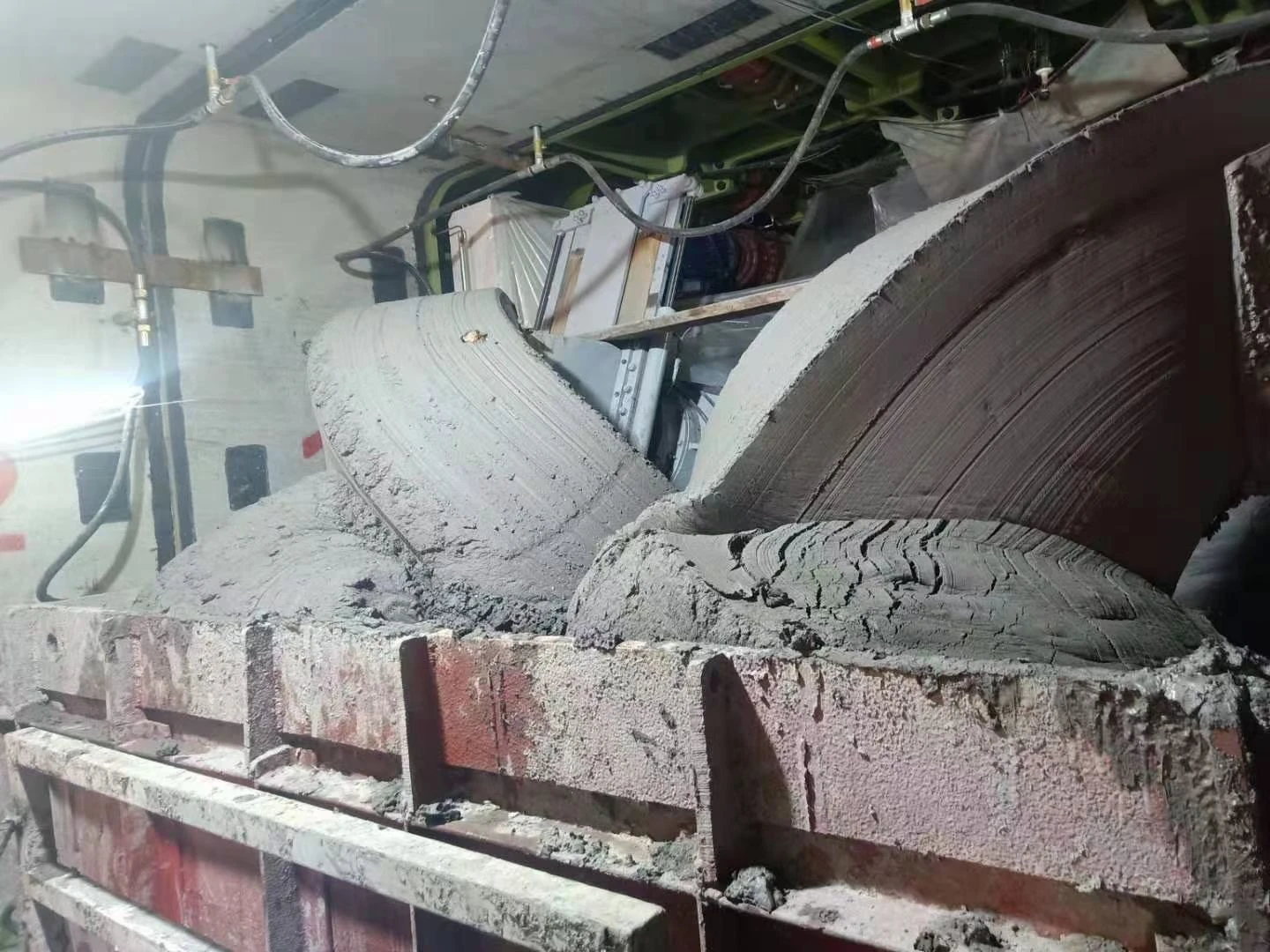
When you use torque control in microtunneling, you get many good things. Torque control helps keep the machine steady and safe. It makes overload less likely, so there are fewer accidents and less broken equipment. You can work in hard ground without worry. Automatic torque control keeps the cutterhead moving without stopping suddenly. This means you do not lose time and can finish faster. You also save money because you do not need as much fixing or repairs.
Note: New microtunneling machines use GPS and lasers. These tools help you dig straight tunnels and make fewer mistakes.
Projects With Vs. Without Torque Control
Let’s look at how projects are different with torque control and without it. The table below shows the main ways they are not the same:
|
Feature |
With Torque Control |
Without Torque Control |
|---|---|---|
|
Machine Stability |
High |
Low |
|
Overload Risk |
Low |
High |
|
Downtime |
Minimal |
Frequent |
|
Maintenance Costs |
Lower |
Higher |
|
Tunnel Alignment |
Accurate |
Often needs correction |
You get better results when you use torque control. Your microtunneling jobs finish on time and do not cost too much. You do not have big delays and you stay safer.
Implementation Tips For Overload Prevention
You can get the best from torque control by doing a few things:
-
Pick a microtunneling machine that checks torque all the time and changes it by itself.
-
Use GPS and lasers to help your tunnel go the right way.
-
Work with CEGC to make your machine fit your project.
-
Teach your team to watch torque and change settings when needed.
If you do these things, you lower the chance of overload and make your microtunneling work better.
You can see that torque control helps stop overload in microtunneling. CEGC has tunnel machines and microtunnelling machines with standard features and custom choices.
-
Pick torque control if you want safer and steady tunneling.
-
Talk to CEGC to find machines that match your project.
FAQ
What is torque control in microtunneling?
Torque control lets you change the force on the cutterhead. This helps keep the machine safe and steady.
Tip: Use torque control so you do not overload the machine.
How does torque control help prevent ground settlement?
Torque control keeps the tunnel face steady. This stops the ground from moving too much.
-
Less settlement means fewer problems on the surface.
Can you customize CEGC microtunnelling machines for your project?
Yes, you can pick features like pipe size, power, and guidance systems.
|
Option |
Customizable? |
|---|---|
|
Pipe Size |
Yes |
|
Power Source |
Yes |
|
Guidance |
Yes |


