
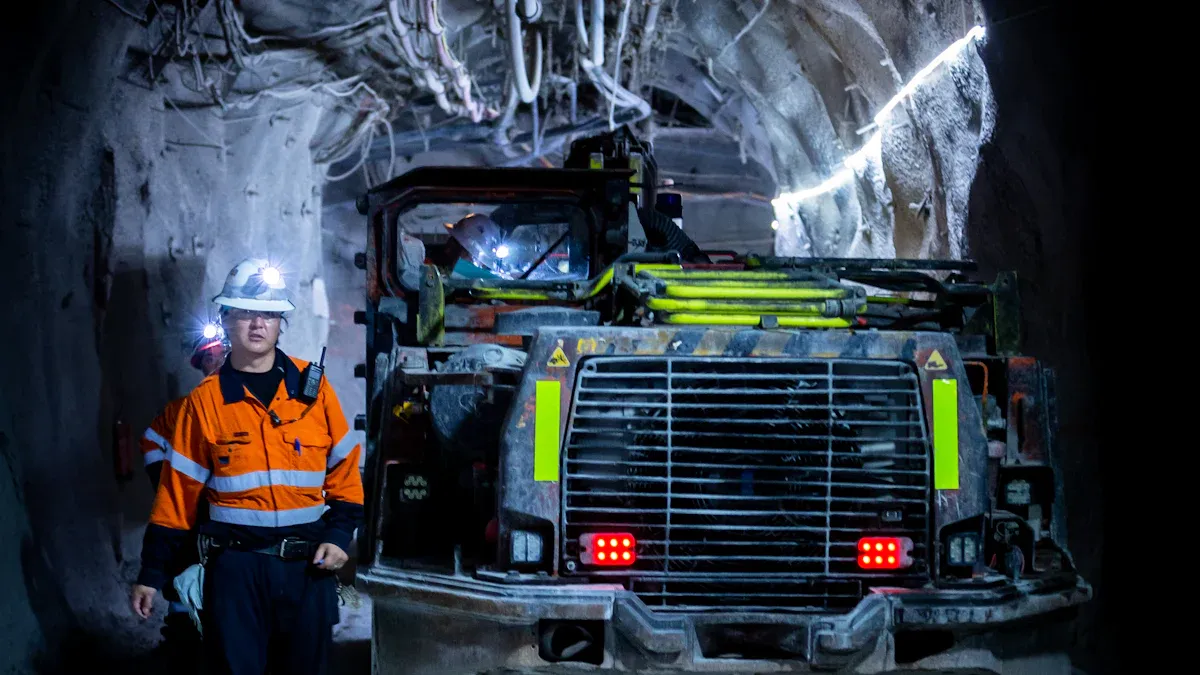
You have big risks and costs when drilling 500m deep. Mining Drills 500m Depth Prevents Issues by using CEGC methods. You can stop common problems with coal seam blasting and pressure relief drillings.
|
Prevention Measure |
Description |
|---|---|
|
Coal seam blasting |
Controlled blasting helps lower stress in the coal. |
|
Pressure relief drillings |
Large boreholes help slow down coal bursts. |
Key Takeaways
-
Use controlled blasting and pressure relief drillings to stop common problems when drilling 500m deep.
-
Check drill rigs often to stop breakdowns and keep work safe.
-
Teach your crew about safety rules and what to do in emergencies to lower the chance of accidents during deep drilling.
Equipment Prep and Maintenance
Drill Rig Selection
Picking the right drill rig is very important. It helps keep drilling safe at 500m depth. The drill rig must fit the rock hardness and core diameter. The table below helps you choose the best drill rig for your job:
|
Maximum Depth (m) |
Minimum Core Diameter (mm) |
Rock Hardness (MPa) |
Recommended Drill Rig Type |
|---|---|---|---|
|
H ≥ 500 |
D ≤ 53 |
Y ≤ 60 |
BQ core drilling rig |
|
200 ≤ H < 500 |
53 < D ≤ 75 |
30 ≤ Y ≤ 80 |
NQ core drilling rig |
|
H ≤ 400 |
D > 75 |
Y ≥ 60 |
HQ core drilling rig |
A mobile underground diamond drill rig is good for deep drilling. It works well in tough places and keeps working strong.
Maintenance Checks and Inspections
Drill rig machines need to be in great shape. This stops breakdowns and keeps things running well. Here are some important steps:
-
Check drill rig machines for any damage.
-
Look for broken or worn parts.
-
Watch for too much wear on key parts.
-
Keep an eye on speed and how well it works.
-
Clean and oil tools often.
-
Put equipment away right to stop rust.
-
Write down all maintenance checks.
Doing regular maintenance stops breakdowns and helps the machines work their best.
Machine Alignment and Rod Deflection
Machine alignment and drill rod deflection can change the borehole path. Gravity and spinning affect drill rig machines in hard rock. If you skip alignment checks, the borehole may go off track. This can lower how well the drill works. You should do deviation surveys and change drilling speed or bit pressure. This keeps the drill working well and stops breakdowns. It also helps the machines work better.
Safety Protocols for Deep Drilling
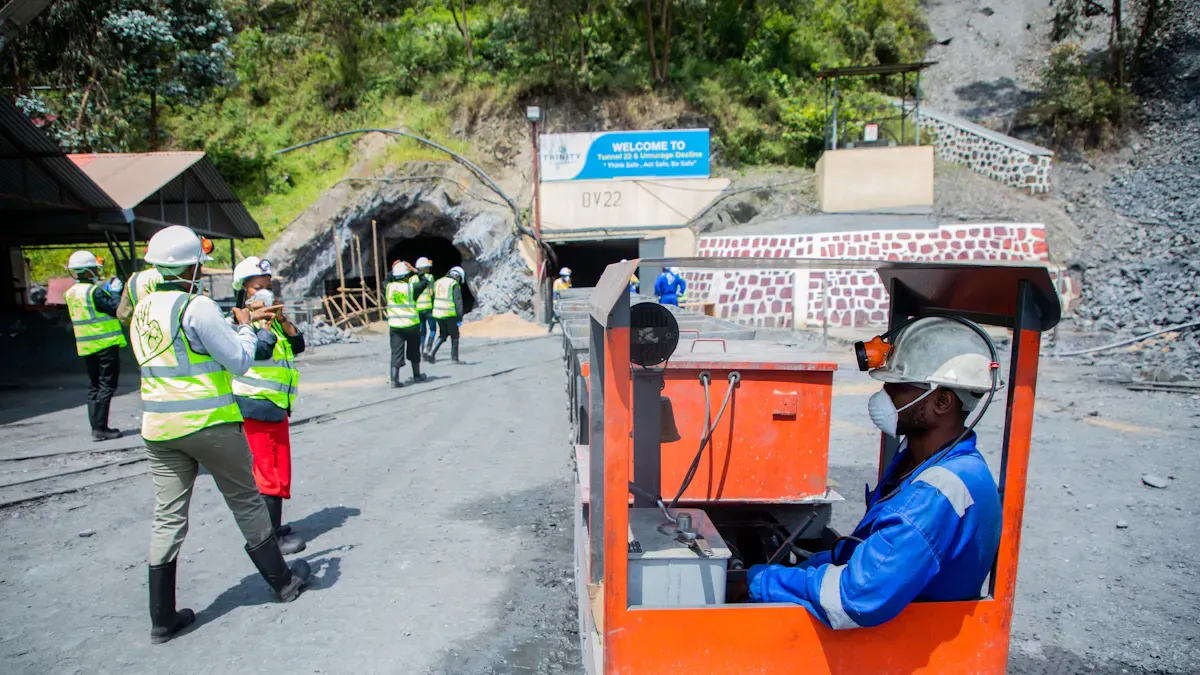
Advanced Safety Measures
You must use strong safety protocols when drilling at 500m depth. Deep drilling brings many risks, so you need to follow strict safety precautions. Start by setting up clear rules for every worker. Use warning signs and barriers around the drill site. Always check your equipment before you begin. Wear the right gear, such as helmets, gloves, and boots. You should also use gas detectors to check for dangerous gases. Good lighting helps you see hazards. You can keep everyone safe by following these steps.
Tip: Review your safety plan before each shift. This helps you spot new risks and fix them fast.
Crew Training for Hazards
You need to train your crew to handle deep drilling hazards. Good training keeps your team safe and ready for any problem. Use these methods to build a strong safety culture:
-
Use hands-on training and practice emergency drills.
-
Teach workers to report unsafe actions.
-
Try virtual reality to show real-life accidents.
-
Give refresher courses often.
-
Focus on emergency response for your mine.
-
Follow all mining safety rules.
When you train your crew well, you lower the chance of accidents. You also help everyone work with more confidence.
Autonomous Systems for Heat and Humidity
At 500m depth, heat and humidity can hurt your crew. You can use autonomous systems to keep workers safe. These machines check the air and control fans. They can also run drills without people in dangerous spots. This reduces the risk of heat stress and keeps your team healthy. You should always monitor the environment and adjust your systems as needed. Smart technology makes your safety plan stronger.
Borehole Stability and Risk Mitigation
Casing and Drilling Fluids
It is important to keep the borehole stable when drilling deep. Using the right casing and drilling fluids helps with this. Casing holds up the hole and stops it from falling in. Drilling fluids cool the bit and move cuttings out. They also help keep the walls strong. The table below shows some good choices:
|
Drilling Fluid Type |
Key Components and Benefits |
|---|---|
|
Oil-based drilling fluids |
Multi-point interface adsorption emulsifiers, shear strength-improving agents, ultrafine barite powder for stability under high-density conditions. |
|
High-sodium bentonite mud |
Used first in thick conglomerate to boost stability, then switch to potassium-calcium-based organic salt fluid to stop hydration expansion. |
|
Cementable micro-nano plugging agents |
Seals well in high tectonic stress formations, cuts filtration loss a lot. |
These fluids help drilling work better and stop expensive problems.
Monitoring for Collapse
You have to watch for signs that the borehole could fall in. Try these ways to keep drilling safe:
-
Borehole imaging helps you see changes in the rock above.
-
Video surveillance technology lets you watch mining conditions live.
-
Visual checks help you notice if the rock is changing or breaking.
Acting fast keeps your team safe and saves your equipment.
Proper Hole Depth and Re-Drilling
Always drill to the right depth. If the hole is too short, drill again so you do not have problems later. Follow these steps to make drilling better:
-
Keep the right hole depth by following size rules for each hole.
-
Change feed and speed rates to stop chatter and help drilling.
-
Pick the best flute style for your reamer.
-
Use good toolholders to keep things straight and stop tools from breaking.
-
Use clean cutting fluids and high-pressure coolant to help tools last longer.
These steps help you get the best results and keep your drilling running well.
Water and Pressure Management
Water Ingress Control
Water can get into the borehole when drilling deep. You need to use good methods to keep the site safe and dry.
To stop water from entering during deep mining, you use different ways. If water inflow is low, you install a pumping system. If water inflow is high, you use surface grouting, cover grouting, or ground freezing. Surface and cover grouting means you drill holes around the shaft. Then you inject grout to make a barrier against water. Ground freezing uses cold brine in pipes to freeze the ground. This stops water from flowing.
Pick the best method based on how much water comes in. These steps protect your equipment and help it work better.
Pressure Strategies
Pressure changes can cause trouble in deep drilling. You need smart ways to keep the borehole stable and help it work well.
-
Use 10.5-ppg kill mud for dynamic kill at 500–1000 gpm.
-
Do wiper trips every 2–3 days to keep the hole in good shape.
-
Watch for gas flows and fix overpull or hole drag problems.
These steps help you stop accidents and keep drilling safe.
Clean Water Circulation
Clean water circulation helps remove drill fluids and cuttings. You must keep water moving to stop blockages and help drilling work well. Coretrax’s circulation technology helps you get circulation back and cut stuck pipes without explosives. This saves time and lowers risks. Using advanced systems keeps your site clean and working well.
Drilling Accuracy and Monitoring
Real-Time Data Systems
Real-time data systems help you drill more accurately. These systems use sensors to collect information. The sensors send data to computers right away. You can see changes in the ground and machines fast. This lets you make quick choices and stop mistakes. The table below shows how these systems help you change drilling settings for better results:
|
Evidence Description |
Key Points |
|---|---|
|
You use data from many wells to build models that improve drilling results. |
|
|
Real-time Adaptation |
You update models with new data to keep drilling stable and accurate. |
|
On-line Operation |
The system gives you advice on drilling settings using real-time telemetry. |
Adjusting Drilling Parameters
You need to change drilling settings when you get new data. You can change speed, pressure, and angle to fit the ground. This keeps the borehole straight and safe. Real-time systems tell you when to make these changes.
Geological Survey and Risk Identification
You should do geological surveys before you start drilling. These surveys help you find hard rock, faults, or water that can cause problems. The table below lists common survey methods and what they do:
|
Method |
Key Features |
|---|---|
|
Ground Magnetic Survey |
Finds changes in rocks; covers 1-5 km per day; detects up to 100+ meters deep. |
|
Electromagnetic Surveys |
Checks for minerals; works at 100-400 meters depth; covers large areas. |
|
Gravity and Seismic Methods |
Maps ore bodies and structures; gives high-resolution images; reaches several kilometers deep. |
|
Core Drilling Methodologies |
Gives you rock samples; works best in strong rock; recovers over 95% of the core. |
Monitoring for Mechanical Problems
You have to watch for machine problems like formation damage or lost circulation. Use these tools and ways to check:
-
Mud logging units collect data about the ground.
-
Depth and drill rate checks show if something is wrong.
-
Gas chromatography finds damage in the formation.
-
Lithological evaluation uses microscopes to study rock.
-
Hydrocarbon fluorescence checks for oil in the fluid.
-
Mud press testing looks at fluid properties.
-
Pit level indicators watch mud levels.
-
Pump stroke sensors track fluid movement.
Tip: Check your tools often so you can find problems early and keep drilling safe.
Mining Drills 500m Depth Prevents Issues: Best Practices
Integrated Approach for Prevention
You need a strong plan to keep your mining site safe and productive. Mining drills 500m depth prevents issues when you follow proven steps. You can combine equipment care, crew training, and smart monitoring to stop problems before they start. Here are some best practices you should use:
-
Keep detailed records of all maintenance activities. This helps you spot patterns and predict future problems.
-
Train your maintenance crew often. New techniques and safety rules help your team stay sharp.
-
Use quality parts from trusted sources. Reliable parts last longer and work better.
-
Calibrate measurement tools regularly. Accurate data helps you make good decisions.
-
Inspect safety gear often. Good gear protects your staff during maintenance.
Note: When you use these steps, you build a safer workplace and improve your drilling results.
Mining drills 500m depth prevents issues by making prevention part of every task. You can see the impact of best practices in the numbers. The table below shows how strong prevention steps help mining sites:
|
Evidence Type |
Statistic |
Description |
|---|---|---|
|
Overdose Deaths |
Shows a big drop in accidents when you use safe practices. |
|
|
Ambulance Calls |
67% reduction |
Fewer emergencies mean your site runs smoother. |
|
HIV Infections |
6 to 57 infections prevented per year |
Better health for your team and community. |
You can use mining drills 500m depth prevents issues as a guide for every project. When you follow these steps, you lower risks and boost productivity.
Optimizing RPM and Thrust in Soft Rock
You can make your drilling more efficient by adjusting RPM and thrust. Mining drills 500m depth prevents issues when you match your settings to the rock type. In soft rock, you need to change how you use your tools. Here are some tips:
-
Increase rotation speed and reduce thrust in soft rock. This helps the bit move faster and cuts through the rock easily.
-
Use mining planning tools to set the best drilling sequence. This saves time and energy.
-
Train your team to understand why you change RPM and thrust. Skilled workers use these settings better in the field.
-
Keep higher feed pressure in soft rock. This keeps the bit in contact with the rock and stops stalling.
-
Watch rotation speed closely. Too fast causes wear on the bit edges. Too slow makes you drill the same spot again.
Tip: You can prevent tool damage and save money by checking RPM and thrust often.
Mining drills 500m depth prevents issues when you use the right settings for each job. You get better results and fewer breakdowns. You can keep your site safe and productive by following these operational tips.
You make mining safer and more productive by planning early. You should check your site often to spot problems. Training your crew helps everyone stay safe. New tools like BVLOS drones and sensor networks help you work better. Using best practices means fewer accidents and more work done. Keep learning new things and use these tips to keep your site safe.
FAQ
What is the best way to keep a borehole stable at 500m depth?
You should use strong casing and the right drilling fluids. These steps help stop the hole from collapsing and keep your drilling safe.
How do you control water when drilling deep?
-
Use grouting or ground freezing for high water inflow.
-
Install pumps for low water inflow.
-
Always check water levels during drilling.
Why does drill rod alignment matter?
You keep the borehole straight when you check alignment. This prevents tool damage and helps you reach the right depth.


