
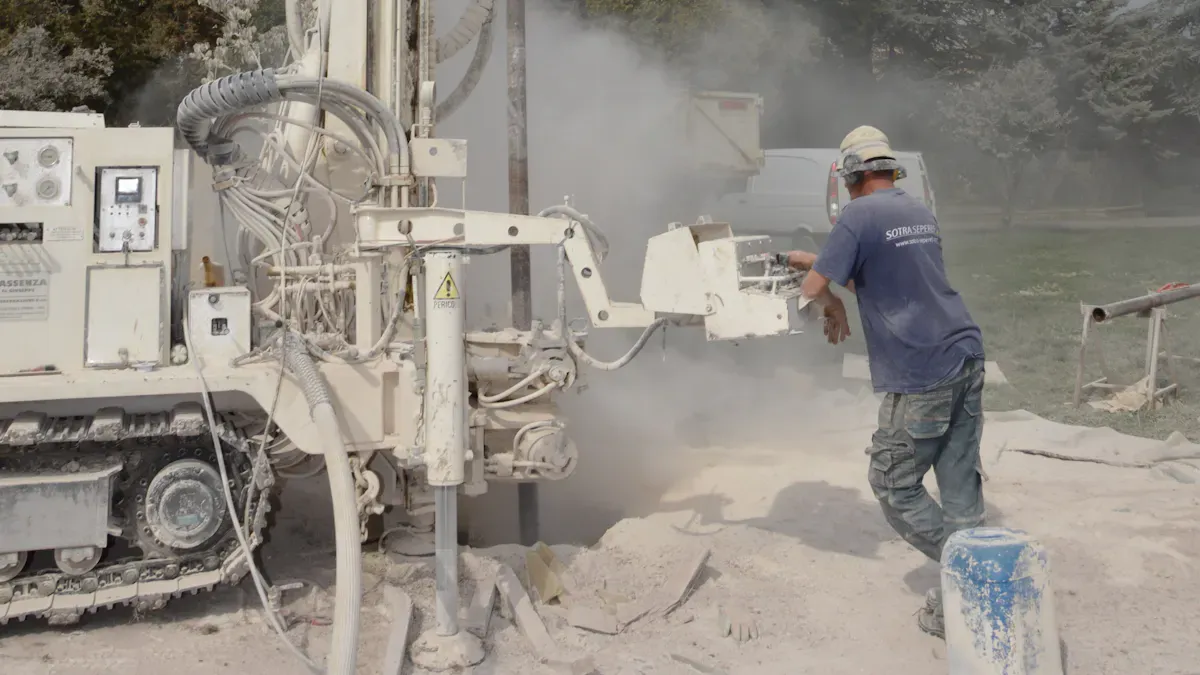
You use your mining equipment each day. Good thermal management helps your drills work well and stops sudden breakdowns. The Mining Drills Thermal System Prevents Issues that make machines stop and cost a lot to fix. CEGC solutions help you stop equipment damage by keeping the temperature safe. Stay ready with early care.
Key Takeaways
-
Good thermal management is very important for mining drills. It stops the drills from getting too hot, lowers the chance of breaking, and helps save money on fixing them.
-
Check your cooling systems often and take care of them. Clean the filters and watch the fluid temperatures to make sure everything works well.
-
Use high-temperature drill bits for hard work. They stay strong longer and help stop sudden problems, so your work does not get interrupted.
Common Thermal Issues in Mining Drills
Overheating Risks
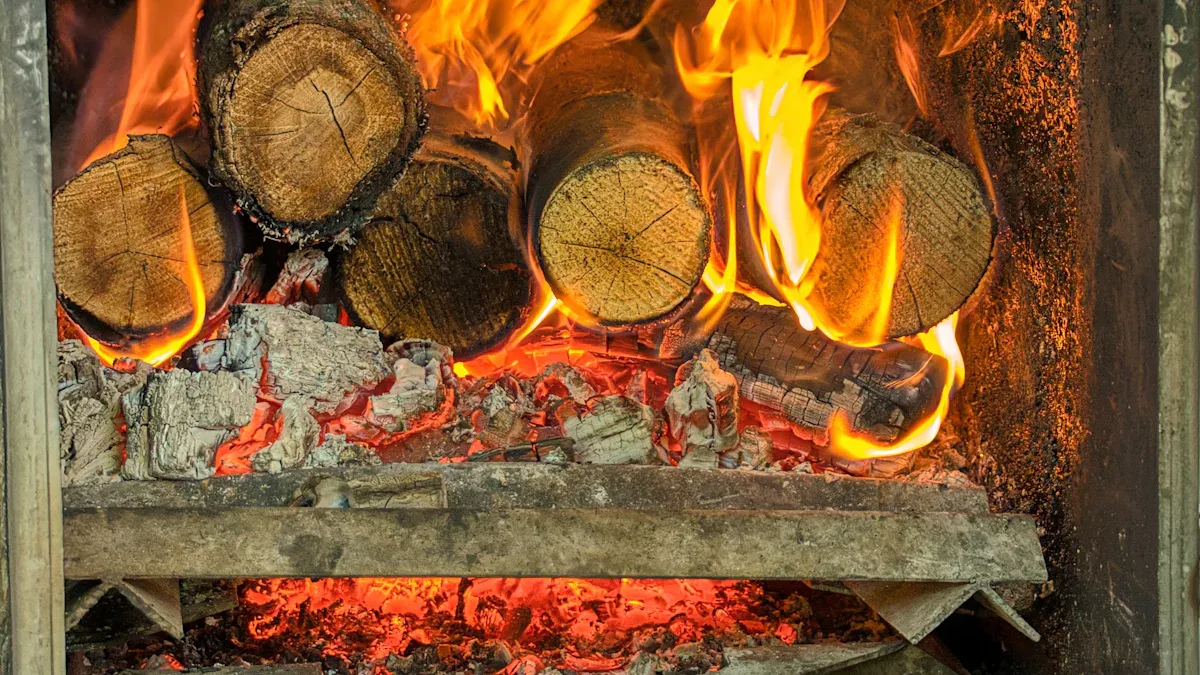
When you use mining drills in deep or harsh places, overheating can happen. This makes it harder for workers and can hurt their health.
-
The chance of heat sickness goes up as mines get deeper.
-
Overheating starts if you push drills too hard or do not cool or lubricate them enough. Drill bits might snap in these cases.
-
Heat stress can make people thirsty, give headaches, cause nausea, or make them faint.
Tip: Look for signs like confusion or throwing up. Act fast to keep everyone safe.
Lubrication Breakdown
Lubrication helps parts move easily and stops friction. If it gets too hot, lubrication can stop working. You may notice parts grinding or sticking together. This wears out parts faster and can break machines. Check often to find problems early.
Electrical Failures
Heat can hurt electrical systems in mining drills. High heat can break wires and circuits. You might see lights flicker or drills stop suddenly. Keeping these parts cool saves money and keeps drills working.
Drill Bit Wear
Too much heat while drilling causes thermal wear. The drill bit gets weaker and breaks down faster. Drill bits do not last long if cooling does not work. The Mining Drills Thermal System Prevents Issues by keeping heat low and protecting your tools.
Note: Good cooling helps drill bits last longer and saves money.
Mining Drills Thermal System Prevents Issues
Advanced Cooling Systems
You need strong cooling systems to keep your mining drills safe and working. Advanced cooling systems use HVAC units to manage heat. These systems protect both the drill and the people who use it. They handle high cooling needs, like the 300 kW needed for hydraulic oil during drilling. Good cooling stops your equipment from overheating and keeps dust away. This means you spend less on repairs and your drills last longer. Air quality control, with CO2 sensors and cyclone filters, also helps you breathe easier and keeps the work area clean.
-
Machines with advanced cooling systems stay reliable during long jobs.
-
Enhanced fluid circulation systems keep drill bits and machinery cool, which helps them last longer.
Tip: Regularly check your cooling system. Clean filters and look for leaks to keep everything running well.
Drill Bit Cooling Methods
You can use different ways to cool your drill bits. Each method helps lower heat and stops your tools from wearing out too fast. Here is a table that shows some common cooling methods:
|
Cooling Method |
Description |
|---|---|
|
Wet Bits |
Uses water to cut down dust and cool the bit. This stops overheating in hard rock. |
|
Dry Bits |
Works without water. These bits handle higher heat and are good where water is not available. |
|
Coolant Systems |
Moves water or special fluids around the bit. This cools, lubricates, and clears away debris. |
When you use internal coolant systems, you see a big drop in temperature. This helps your tools last longer, but it can cost more. Traditional drills can get too hot and wear out faster, but they cost less at first.
|
Cooling Method |
Operational Temperature Reduction |
Tool Life Extension |
Cost-Effectiveness |
|---|---|---|---|
|
Internal Coolant System |
Significant reduction |
Extended tool life |
Higher cost |
|
Traditional Drills |
Prone to overheating |
Shorter tool life |
More cost-effective |
Note: Heat treatment makes drill bits harder and tougher. This means they last longer and you do not have to stop work as often.
Drilling Fluid Temperature Control
You must watch the temperature of your drilling fluids. If the fluid gets too hot, it cannot cool or lubricate well. This can cause your drill to overheat or break. Use sensors to check fluid temperature often. Change or cool the fluid when it gets too warm. This simple step helps the Mining Drills Thermal System Prevents Issues and keeps your equipment safe.
-
Keep fluids at the right temperature to avoid breakdowns.
-
Clean and replace fluids as needed to keep your system working.
Alert: Hot drilling fluids can damage your drill and slow down your work. Always check the temperature during long jobs.
High-Temperature Drill Bits
You need special drill bits for very hot or tough mining jobs. High-temperature drill bits have unique shapes and angles. For example, a back-rake angle of 21° gives the best stress and energy use. These bits go through hard rock and high heat without breaking. They also have strong microstructures from heat treatment. This makes them hard, tough, and able to resist wear.
-
Heat treatment makes the blades stronger and stops cracks from starting.
-
These bits last longer and help you avoid sudden failures.
-
You spend less time and money replacing worn-out bits.
Tip: Use high-temperature drill bits in extreme conditions. They help the Mining Drills Thermal System Prevents Issues by reducing the risk of breakdowns.
The Mining Drills Thermal System Prevents Issues by using advanced cooling, smart drill bit cooling, and strong high-temperature bits. When you use these tools and methods, you keep your drills running longer and safer.
Best Practices for Implementation
Assessing Current Systems
You should start by checking your current thermal management setup. Look for weak spots in your cooling systems, fluid controls, and drill bit choices. Walk around your site and note any leaks, dirty filters, or worn-out parts. Ask your team if they have seen overheating or breakdowns. Use a checklist to make sure you do not miss anything.
Integration Steps
You can follow these steps to add or upgrade your thermal system:
-
Choose the right cooling system for your mine’s needs.
-
Install sensors to track fluid and equipment temperatures.
-
Pick drill bits that handle high heat.
-
Set up regular cleaning for filters and coolant lines.
-
Train your team on new tools and safety steps.
Mining sites face many challenges when you add new systems. The table below shows some common problems:
|
Challenge |
Description |
|---|---|
|
Causes metal parts to rust and puts workers at risk. |
|
|
24-Hour Monitoring |
Hard to watch equipment all day, especially in tough conditions. |
|
Dust and Dirt |
Some mines, like coal mines, have more dust that can clog systems. |
Monitoring and Maintenance
You need to check your thermal system often. Watch for leaks, blocked filters, or strange noises. Use sensors to get alerts if something gets too hot. Clean and replace fluids and filters on a set schedule. This keeps your system working and helps Mining Drills Thermal System Prevents Issues.
Tip: Write down all checks and repairs in a logbook. This helps you spot patterns and fix problems early.
Operator Training
Teach your team how to use and care for the thermal system. Show them how to read sensor data and what to do if they see a warning. Give hands-on practice with cleaning and checking parts. When everyone knows what to do, your drills stay safe and last longer.
Real-World Results
Reliability Improvements
When you use strong thermal systems, drills work better. Plate heat exchangers help control heat and save energy. They are small and fit well in mines. New smart PHEs use nanomaterials and sensors. These upgrades make drills last longer and stop sudden failures. You can trust your drills to not overheat. Mining companies like BHP use cooling machines and strict rules. This keeps drills running without problems.
Smart cooling systems let you find problems early. You can fix them before drills stop working.
Downtime Reduction
Good heat control means drills break down less. Many mines have fewer problems after adding better cooling and sensors. In Tanzania, almost 78% of underground workers got sick from heat before new systems. Open-pit workers had the same risks. After using heat management, there were fewer stops and safer work.
-
Cooling machines help drills work longer.
-
Sensors warn you when it gets too hot.
-
Regular checks stop sudden breakdowns.
Lessons Learned
Real mines teach us important things. Experts say to use the buddy system. Workers can watch each other for heat sickness. Do not only use air conditioning because it makes more emissions. Use smart cooling and sensors instead. Clean filters and check fluids often. Teach your team to see early signs of overheating.
Stay alert and use new thermal systems. This keeps drills safe and workers healthy.
You keep your mining drills reliable when you manage heat well. Use strong cooling, monitor fluids, and pick the right drill bits. These steps prevent breakdowns and save money. Review your current system. Upgrade where needed. Train your team. Start today to boost uptime and protect your equipment.
FAQ
What signs show my mining drill has a thermal issue?
You may see overheating, strange noises, or sudden stops. Check for hot surfaces, leaks, or warning lights. Act quickly to prevent damage.
How often should I check the cooling system?
You should inspect your cooling system every week. Clean filters and look for leaks. Regular checks help you catch problems early.
Can I use regular drill bits in high-temperature mining?
-
You should use high-temperature drill bits for extreme jobs.
-
Regular bits wear out faster and may break in hot conditions.


