
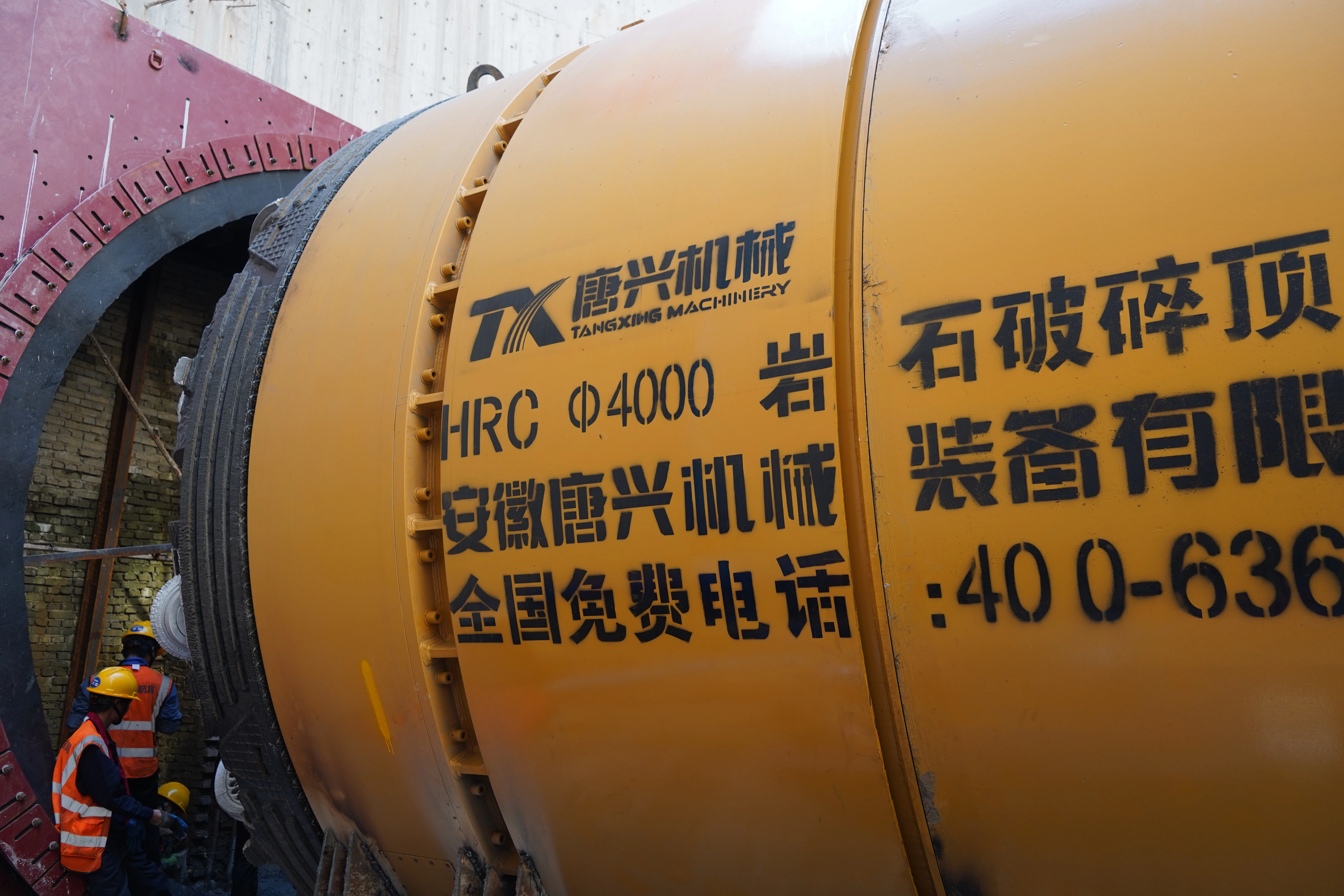
Mixed ground punishes weak control on TBM tunnel jobs, making it crucial to ensure that your tunnel boring machine is well-suited to the geological conditions. If your TBM does not match the ground, there is a significant risk of losing both time and money. CEGC emphasizes the importance of conducting thorough risk assessments and implementing effective management strategies. Refer to the table below to understand how selecting the right TBM can enhance your project:
|
Description |
|
|---|---|
|
Geological Conditions |
Determines the type of TBM required (such as earth pressure balance for soft ground or open-type for hard rock). |
|
Tunnel Diameter and Length |
Influences the choice of TBM based on the size of the project. |
|
Project Constraints |
Includes factors like budget, timeline, and the contractor's familiarity with TBMs. |
|
Ground Water Levels |
Affects the TBM selection to prevent water ingress. |
|
Surface Settlement Restrictions |
Requires careful TBM selection to ensure the safety of structures above the tunnel. |
|
Environmental Requirements |
Necessitates compliance with regulations regarding certain TBM components. |
Always conduct comprehensive checks and evaluate potential issues before commencing a tunnel job to mitigate risks effectively.
Key Takeaways
-
Pick the correct tunnel boring machine (TBM) for the ground type so you do not make expensive errors. - Do careful risk checks and use live monitoring to handle unknown problems while tunneling. - Use clear ways to talk and check machines every day to keep the job site safe and working well.
Mixed Ground Risks and Weak Control in TBM
Common Weak Control Issues
There are many risks when tunneling in mixed ground. Mixed ground makes weak control worse on tbm tunnel jobs. If you do not manage risks well, you can have cutter wear. Roller cutterheads can jam. The ground may settle. TBM performance can drop. Costs can go up. The tunnel face can become unstable. Muck transport can be hard. Backfill grout may not be enough. These problems often happen because of bad cutter head design. Seal failure at the shield tail can cause issues. Too much cutter head torque is a problem. Face pressure can be wrong. Using the wrong tbm or cutter type is risky. Blockages can happen. Conveyor belts may not carry enough muck. This can cause misalignment. Muck transport can get out of control. Mixed ground makes things uncertain. It raises the chance of expensive mistakes.
|
Risk Type |
Description |
|---|---|
|
Different soils in one area make cutting forces uneven. |
|
|
Misalignment of TBM |
Uneven forces can move the tbm off track. You must watch and fix it. |
|
Costly Errors |
Bad management causes delays and costs more money. |
Ground Investigation and Geotechnical Baseline Report
You need to start with strong risk analysis. Not enough ground investigation means you do not know the ground well. This lack of knowledge makes accidents more likely. Projects can be delayed. Costs can go up. You need a geotechnical baseline report for risk checks. This report helps you see how mixed ground affects your job. It guides your risk management plan. Use risk assessment to find dangers and plan fixes. Safety risk checks and risk reduction are important steps.
Face Pressure and Real-Time Monitoring
You should check face pressure as you work. Real-time monitoring gives quick feedback on tbm and rock. This helps you change things fast and stop ground failure. It also stops too much pressure. Cutter-head vibration connects to tbm advance and ground type. Rock pressures around the tunnel change and get higher as you move away from the face. You must use expert advice and risk checks to study these effects. Real-time data helps manage risks and improve tbm work. It helps you control uncertainty and chance during tunneling.
Risk Management Strategies for TBM Projects
Proactive Risk Analysis and Planning
Every tunnel project needs strong risk management from the start. Mixed ground makes weak control a big problem on tbm tunnel jobs. You should build a system that connects all your data together. Integrated data systems help you gather information from many places. This gives you a base to study risks and check them. Predictive modeling helps you spot problems before they happen. Machine learning makes your risk checks better and more exact. These tools let you see how likely each risk is and what it could do. Expert elicitation helps you learn about unknown ground conditions. Risk evaluation tells you which risks need quick action. You should plan for every possible effect and make a risk plan before tunneling begins.
Tip: Use a checklist for risk analysis and risk checks. This helps you follow the chance and effect of each risk.
|
Risk Management Step |
Description |
|---|---|
|
Data Integration |
Gather and connect all tunnel and ground data for risk checks. |
|
Predictive Modeling |
Use models to guess the chance and effect of risks. |
|
Machine Learning |
Make risk checks better and more exact. |
|
Expert Elicitation |
Ask experts about unknowns and ground conditions. |
|
Pre-Construction Planning |
Set up a risk system before tunneling starts. |
Grouting and Ground Treatment Solutions
You must treat the ground before tunneling starts. Probe drilling and pre-grouting work well in mixed ground. These methods help you find weak spots and make the ground stronger. They lower the chance of the tunnel face falling in. Norwegian tunnel jobs first used these ways in hard rock. Now, you can use them for mixed ground with your tunnel boring machine. Ground treatment helps you handle unknowns and lessen bad ground effects. The bow-tie risk analysis method mixes fault tree and event tree checks. This shows how risks can happen and how to stop them. You must use ground treatment to keep your tunnel safe and steady.
Note: Grouting and probe drilling help you handle weak ground and make tunnels safer.
Decision Protocols and On-Site Expertise
You need expert advice and skilled workers at the site. On-site experts help you handle risk and unknowns in tunnel jobs. Advanced monitors show real-time data from your tbm. You can use the bow-tie risk method to check each risk’s chance and effect. Skilled workers can act fast when ground changes. You must collect data daily and use it for risk checks. Decision protocols help you act quickly if a problem comes up. You must set clear steps for risk control and management. CEGC has tunnel boring machine, auger boring machine, and Microtunnelling Machine choices for different ground types. You can pick the best machine for your tunnel and make risk management better.
Alert: Always have skilled experts at the site. They help you handle unknowns and make your risk system better.
-
Use real-time monitors for risk checks and risk study.
-
Set up decision steps for quick action to tunnel risks.
-
Pick the right tunnel machine for your ground type.
|
Tunnel Machine Option |
Best Use Case |
|---|---|
|
TBM |
Long tunnels in steady ground |
|
Auger Boring Machine |
Short tunnels in soft ground |
|
Microtunnelling Machine |
Small tunnels in mixed ground |
You must use risk plans to lower the chance and effect of tunnel risks. Expert advice, risk checks, and ground treatment help you handle unknowns and make tunnels safer. You can use CEGC machines to match your tunnel job to the right ground.
Case Studies and Control Checklist
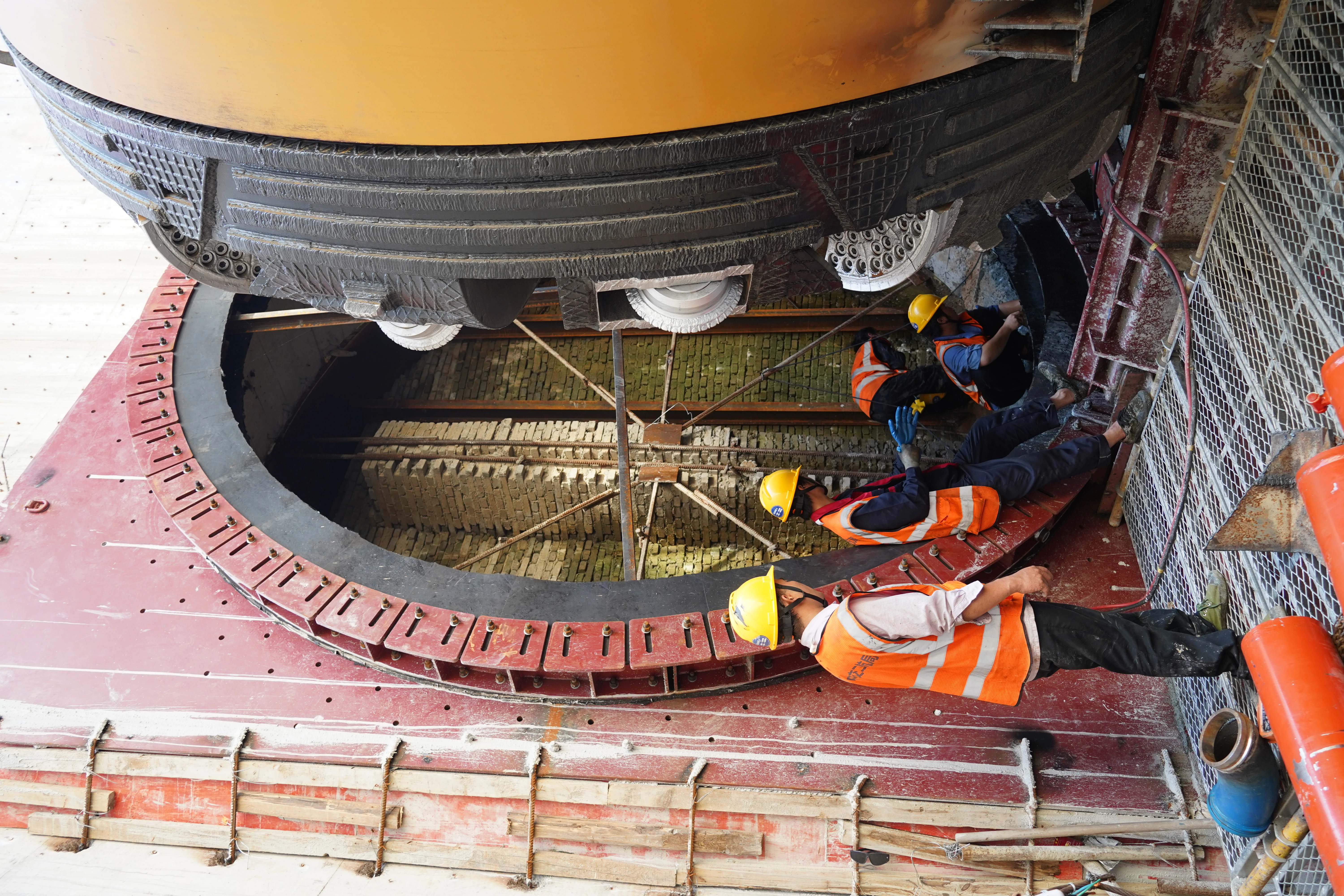
Weak vs. Strong Control Outcomes
Mixed ground causes problems if control is weak. Bad risk management brings many issues. You can see ground failure, heave, blowouts, and road safety risks. Settlement and ground movement affect highways and railroads. Soil settlement makes depressions that are dangerous. Good risk analysis and expert advice help you avoid these problems. Tunnel boring machine solutions and risk checks make things better. You check tunnel alignment, segment installation, and grouting strength. Fast feedback and alerts help you fix problems quickly. Working with design teams and equipment makers helps you succeed. Progress reviews and bow-tie risk checks improve management.
|
Consequence |
Description |
|---|---|
|
Ground Failure |
Low face pressures cause ground loss and groundwater issues. |
|
Heave and Blowouts |
Too much face pressure causes blowouts and risks to buildings. |
|
Road Safety Risks |
Grout leaks make roads slippery and cause accidents. |
|
Ground Movement |
Settlement and sideways movement affect highways and railroads. |
|
Safety Risks from Depressions |
Soil settlement makes depressions and risks on pavements. |
|
Aspect |
Contribution to Project Outcomes |
|---|---|
|
Tunnel Alignment Verification |
Makes sure tunnel follows the design plan. |
|
Segment Installation Quality |
Stops leaks and makes tunnel stronger. |
|
Grouting Effectiveness |
Keeps water out and keeps tunnel strong. |
|
Immediate Feedback |
Lets you fix problems fast. |
|
Deviation Alerts |
Warns teams before problems get worse. |
|
Makes designs more accurate and possible. |
|
|
Equipment Manufacturer Input |
Helps use equipment better and improves performance. |
|
Regular Progress Reviews |
Finds best ways and lessons learned. |
|
Shows risk causes and effects together. |
|
|
Fault Trees |
Finds possible failures and their impacts. |
|
Event Trees |
Plans what to do for each risk found. |
Daily and Emergency Routines
You need daily routines to lower risk and uncertainty. Do maintenance checks before tunneling starts. Look for worn or broken parts. Set times for regular maintenance. Check engine oil and keep oil tanks clean. Clean suction strainer every day. Put fresh grease on all points. Use risk checks to look at ground conditions. Get ready for emergencies if ground changes fast. Keep expert advice ready for quick checks.
-
Do maintenance checks before work starts.
-
Look for worn or broken parts.
-
Set times for regular maintenance.
-
Check engine oil and keep oil tanks clean.
-
Clean suction strainer every day.
-
Put fresh grease on all points.
-
Get ready for emergencies if ground changes fast.
-
Use expert advice for quick risk checks.
Communication Protocols for TBM Teams
Clear communication is important for risk management. Share real-time data and analysis with your team. Hold daily meetings to talk about tunneling progress and risks. Use expert advice to talk about ground conditions and risk checks. Write down lessons learned and best ways to work. Work with design teams and equipment makers. Use bow-tie risk checks to plan what to do. Keep everyone informed to lower uncertainty and make management better.
Tip: Daily meetings and sharing real-time data help you manage risk and make tunneling safer.
You can have many risks in mixed ground TBM tunnel jobs. Good risk management helps you stop expensive errors. Planning ahead and watching things as they happen make control better. Grouting systems and modular grout plants help keep tunnels safe. Ask CEGC for expert help and tunnel machine choices.
|
Service Type |
Description |
|---|---|
|
Technical Consulting |
Project planning, picking equipment, and making work better |
|
Training Programs |
How to use equipment, fix it, and follow safety rules |
FAQ
Is a TBM machine a drilling machine?
Yes. You use a TBM machine to drill tunnels. It cuts through rock or soil with a rotating cutterhead.
When should you choose a TBM over drill-and-blast?
You should pick a TBM for long tunnels in steady ground. Drill-and-blast works better for short tunnels or very mixed ground.
What ground conditions suit a Microtunnelling Machine?
|
Ground Type |
Suitability |
|---|---|
|
Soft ground |
Good |
|
Mixed ground |
Very good |
|
Hard rock |
Not suitable |


