
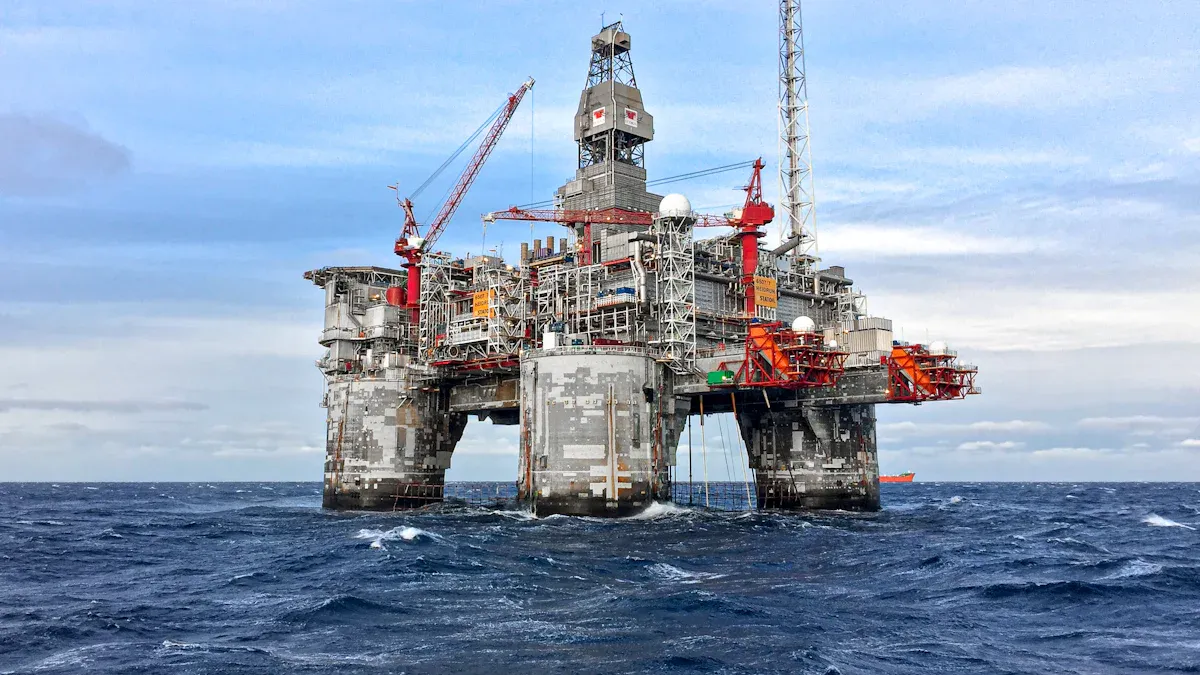
The Oil Drilling Rig 650HP Powers Deep Holes, utilizing its robust engine and advanced hydraulic systems to penetrate challenging rock formations far beneath the surface. This impressive machine is essential for energy exploration. Similarly, the CEGC machine operates with comparable efficiency and power.
Key Takeaways
-
A 650HP engine gives drilling rigs great power. This power helps them drill very deep holes, up to 2000 meters, to find oil and gas.
-
Special parts like drawworks, mud pumps, and strong drill pipes help the rig work well. These parts make sure the rig can handle deep and tough drilling jobs.
-
This powerful rig drills faster and safer. It uses smart controls and strong safety systems to manage difficult conditions deep underground.
650HP Engine: Core Power for Deep Drilling
Engine Specifications and Output
A 650HP engine is the heart of a deep drilling rig. It provides immense power. This power is crucial for drilling deep holes. For example, a diesel engine delivers 650 horsepower. This is similar to engines in ZJ20 rigs. This allows drilling to depths of 2000 meters. That is about 6600 feet. It uses 4 1/2 inch drill pipe. This ability is vital for reaching oil and gas reserves.
Some common engines used include:
|
Engine Type |
Power Rating |
|---|---|
|
CAT C15 |
400 kW (≈536HP) |
|
Domestic Weichai/Yuchai |
400 kW (≈536HP) |
The XJ650 (650HP) Workover Rig shows this power. It handles medium-deep well repairs. It also does complex fishing operations. It can reach a maximum well depth of 4000 meters. This is for conventional workover. This shows the significant depth capacity. Such powerful equipment is very useful. The Oil Drilling Rig 650HP Powers Deep Holes. It converts engine power into drilling force.
Power Transmission Systems
The engine's power must reach the drill string. It needs to do this efficiently. This requires strong power transmission systems. These systems include transmissions. They also have gearboxes and drive shafts. They make sure drilling force goes where it is needed.
-
Torque is key for gearbox loads. It is not just horsepower.
-
Flexible couplings connect engines and gearboxes. They help absorb shocks.
-
Spur gears are often in gearboxes. They are cheap and strong.
-
Gear design avoids even tooth counts. This is for better wear.
-
Strong gear teeth designs improve lifespan.
A typical power transfer path looks like this:
|
Component/Characteristic |
Description |
|---|---|
|
Engine Power |
630HP (470KW) |
|
Transmission Mode |
Hydraulic+Mechanical |
|
Power Transfer Path |
PTO -> Hydraulic Torque Converter -> Transmission Shaft -> Angle Gearbox -> Drawworks |
|
Gearbox Type |
Angle Gearbox |
|
Purpose |
Transfers power to drawworks to drive crown block and hook for oil pipe movement |
These systems work together. They deliver consistent power. This is for deep drilling operations.
Key Components for Deep Hole Operations
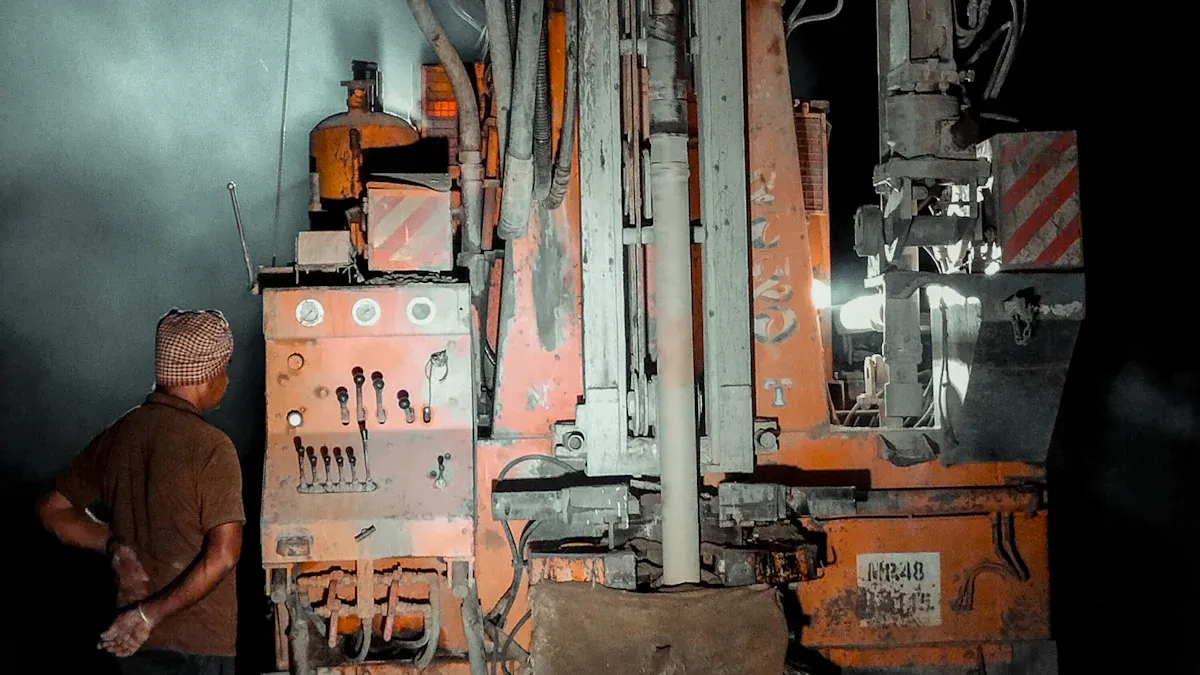
Deep drilling needs many special parts. These parts work together. They help the rig reach great depths.
Drawworks and Hoisting System
The drawworks is like a powerful winch. It lifts and lowers heavy drill pipes. An ALCO 700DD drawworks, for example, can have 665 HP. This power comes from the main engine. It manages the drill string and casing. This is very important for deep wells. The hoisting system needs to be strong.
|
System |
Key Evaluation Criteria |
Recommended Features |
|---|---|---|
|
Hoisting System |
Lifting capacity and control |
Double-drum drawworks, 150,000+ lb line pull, anti-collision devices |
|
Drawworks & Crown Block |
Load handling and rig stability |
Reinforced steel construction, load-rated sheaves, proper alignment |
Mud Pumps and Circulation System
Mud pumps push drilling fluid down the well. This fluid cools the drill bit. It also carries rock cuttings to the surface. High-pressure mud pumps are vital. They keep the well stable. WF Series pumps can reach 7500 psi. This handles deep well demands. For holes deeper than 10,000 feet, pumps need much higher pressures. This overcomes the weight of the mud. It also helps maintain circulation. The pump must provide enough pressure. This ensures fluid moves through the entire system.
Rotary System and Top Drive
The rotary system spins the drill string. This rotation helps the bit cut through rock. A rotary table or a top drive does this job. The rig's power drives it. This allows efficient drilling in deep holes. It can drill an 8.5-inch hole.
-
-
Low speed for drag-bit operations.
-
Fairly fast speed for tricone bit selections.
-
High speeds, up to 500-600 rpm, for coring operations.
-
-
Top Drives:
-
Often driven by hydraulic motors.
-
Can be low-speed or high-speed drives.
-
Drill String and Bit Technology
Specialized drill pipes, collars, and bits are used. They handle extreme pressures and temperatures. Heavy Weight Drill Pipe (HWDP) is thicker and heavier than standard pipe. It is made from alloy steel. This makes it more durable for challenging wells.
|
Standard Pipe |
HWDP |
|
|---|---|---|
|
Weight |
Lighter |
Heavier |
|
Wall |
Thinner |
Thicker |
|
Material |
High-strength |
Alloy steel |
|
Use |
General drilling |
Challenging wells |
|
Stiffness |
Flexible |
Rigid |
|
Durability |
Moderate |
High |
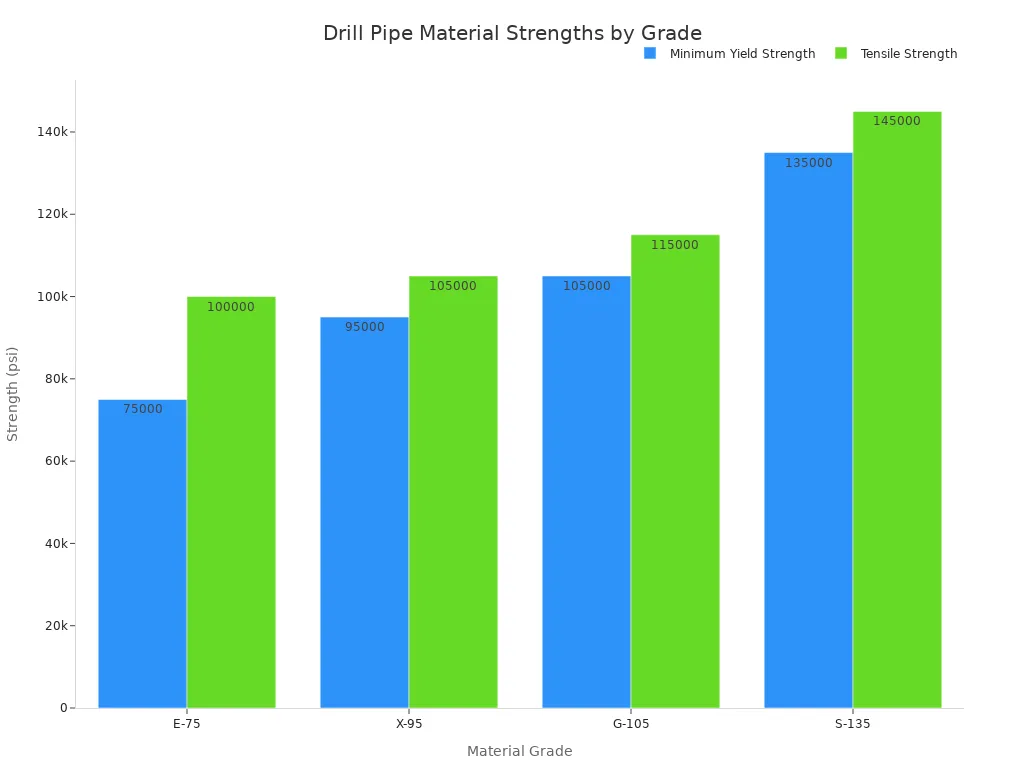
Drill collars are solid steel. They add weight to the bit. This prevents buckling. Drill pipe materials include high-strength alloy steel. Grades like S-135 are preferred. They have 135,000 psi minimum yield strength. This is for high-torque situations. The Oil Drilling Rig 650HP Powers Deep Holes uses these strong components.
Operational Advantages of a 650HP Rig
Enhanced Drilling Speed and Efficiency
A 650HP rig has big benefits. It drills faster. Less time is spent on each well. The strong engine cuts rock fast. This speed lowers project time. It makes drilling better. This saves money.
Versatility in Deep Well Applications
This rig is very flexible. It does many jobs. These include slim-hole drilling. It also does sidetracking. Sidetracking means drilling a new path. A 650 HP workover rig can sidetrack. It works in wells 3,000 to 5,000 meters deep. This is good for medium oil and gas wells. It also works in cold places. Modular 650 HP rigs are good for arctic areas. They set up fast in far-off spots. The Oil Drilling Rig 650HP Powers Deep Holes in many conditions.
Improved Well Control and Safety
Strong power and control make things safer. They help manage underground conditions. New 650HP rigs use smart digital controls. These include PLC and SCADA. These systems watch rig data live. They can do tasks automatically. They also find problems fast. Safety systems are also used. These include emergency stops. They have fire suppression. They also detect H2S. Safety locks stop the rig. This happens if pressure is too high. It also happens if oil pressure is low. Operators must be certified in well control. This keeps high-pressure situations safe.
How the Oil Drilling Rig 650HP Powers Deep Holes: Overcoming Challenges
Deep drilling has many problems. The Oil Drilling Rig 650HP Powers Deep Holes with smart plans. It uses careful work. These help handle dangers. They make drilling safe.
Managing Downhole Pressure and Temperature
Extreme heat is deep underground. High pressure is common. Engineers use special ways to fix this. Work rules also help.
One way is to cool the mud.
-
Surface Mud Cooling Systems: These cool the mud. The mud comes back up. They can lower heat by 20–50 °C. This helps tools last. It keeps drilling fluid good.
-
Continuous Circulation Systems: These keep mud moving. This happens even when pipes are added. This stops heat from building. It stops sudden hot spots. This saves tools.
-
Automated and Optimized Temperature Management: This uses live data. It guesses how heat will change. Workers can change mud flow. They can change mud traits. This keeps heat safe.
-
Thermal Jackets and Vacuum Flasks: These save tools. They are used during logging. They slow heating in hot wells. This is key when tools sit still.
Here are ways for different dangers:
|
Dominant Risk |
Recommended Strategy |
|---|---|
|
Cumulative heat pickup while drilling |
Insulated Drill Pipe (IDP), Dual-Wall Insulated Drill Pipe |
|
High surface return mud temperature |
Surface Mud Cooling Systems |
|
Heat soak during connections |
Continuous Circulation Systems |
|
Tool exposure during trips |
Staged Trip-In with Controlled Circulation |
|
Static exposure during logging operations |
Thermal Jackets, Vacuum Flasks |
Special tools also help. OSP has tools. They are for hot, high-pressure areas.
-
NEXUS™ Service Packers: These seal well. They hold in hot conditions. They keep well parts separate.
-
LaunchPro™ Cement Heads: These handle heat. They handle pressure during cementing. They make sure sealing is good. This lowers risks.
-
BarrierPro™ HPHT Barrier Plug & Remedial Retainer Solutions: These plugs stay strong. They work under great stress. They seal well during work.
Preventing Stuck Pipe and Torque Spikes
Drillers often have problems. Pipes get stuck. Torque spikes can happen. These cause delays. They cost more money. New rigs have tech fixes.
Anti-stall powertrains stop the drill string. Overload systems keep gear safe. High-torque output helps. It works with many speeds. This lets the rig change. It works for different rocks. Hydraulic load sensing lessens shocks. This saves rods. These things make drilling smooth. They reduce wear.
Optimizing Tooling and Consumables
Tools wear out fast. This is true in hard rock. Sometimes, wrong tools are used. This makes work bad.
New rigs work with many reamers. These include blade, fluted, rock, and barrel reamers. This helps match the tool. It matches the job. Smooth torque delivery stops shaking. This makes drilling better. It makes tools last longer. Rigs are easy to fix. Easy access helps. This means less time for repairs.
Ensuring Effective Fluid Management
Bad drilling fluid causes issues. It can cause frac-out risks. Fluid escapes into the ground. Good fluid care is key.
A strong mud plan is vital. It keeps the wellbore steady. It also meets rules.
-
Drilling Fluid (Mud): This is a key system. It cools the drill bit. It greases the bit. It carries rock pieces up. It controls ground pressure. This stops blowouts. It also makes well walls strong.
-
Mud Logging Operations: This is a surface method. It checks rock pieces. It also checks drilling data live. It gives key ground info. It gives safety info. This helps make good choices. It helps keep well control.
-
Masterlog: This is a main record. It holds all well info. This includes drilling depths. It has mud traits. It has bit records. It has casing details. It helps with daily choices. It helps guess problems. It guides mud changes. It makes the plan better. It is key for safety. It is key for checks.
Solutions include right pump size. This makes sure fluid flows. Path and filter readiness are key. They keep fluid clean. Strict mud rules are a must. This keeps the bore steady. It also follows rules.
The 650HP oil rig is important. It drills deep holes. It has great power. It uses new technology. It works well. It gets resources from deep places. It drills faster. It is safer. It can do many jobs. The rig helps find energy. New ideas, like CEGC's work, make drilling better.
FAQ
What makes a 650HP rig good for deep drilling?
A 650HP rig has strong power. This power helps it drill deep holes fast. It can cut through hard rock formations. This makes drilling efficient.
How does the rig handle high temperatures underground?
The rig uses special mud cooling systems. It also has continuous mud circulation. These methods keep tools and fluids safe. They manage heat deep in the well.
What is the purpose of mud pumps in deep drilling?
Mud pumps push drilling fluid. This fluid cools the drill bit. It also carries rock pieces to the surface. This keeps the well stable.


