
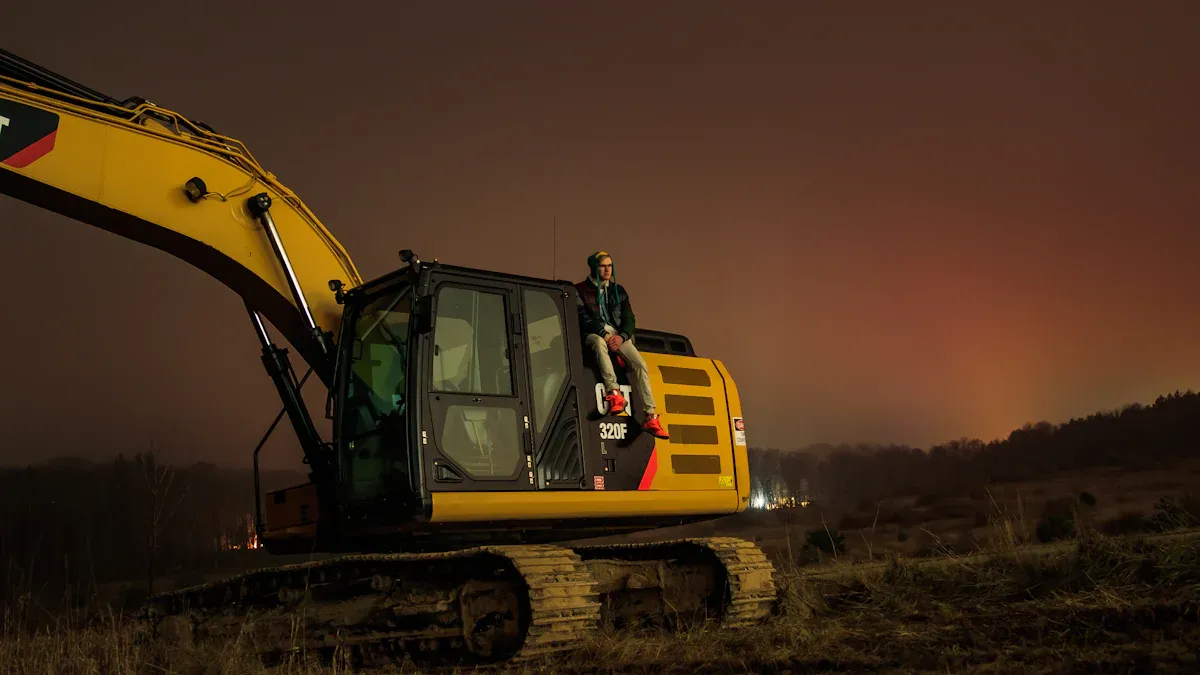
The Oil Drilling Rig 850T Pullback Beats Obstacles. This was a great success. It showed smart engineering. It also showed good planning. This was not a normal job. An 850T pullback rig does hard drilling work. These jobs have many problems. New technology helped CEGC. This included special drilling machines. This made the success happen.
Key Takeaways
-
The 850T rig uses smart guidance systems to drill straight and avoid problems underground.
-
Special features like anti-stall power and strong tools help the rig work through hard ground without breaking down.
-
Careful planning and skilled workers are very important for the 850T rig to succeed in tough drilling jobs.
Overcoming Obstacles: The 850T Pullback's Challenges
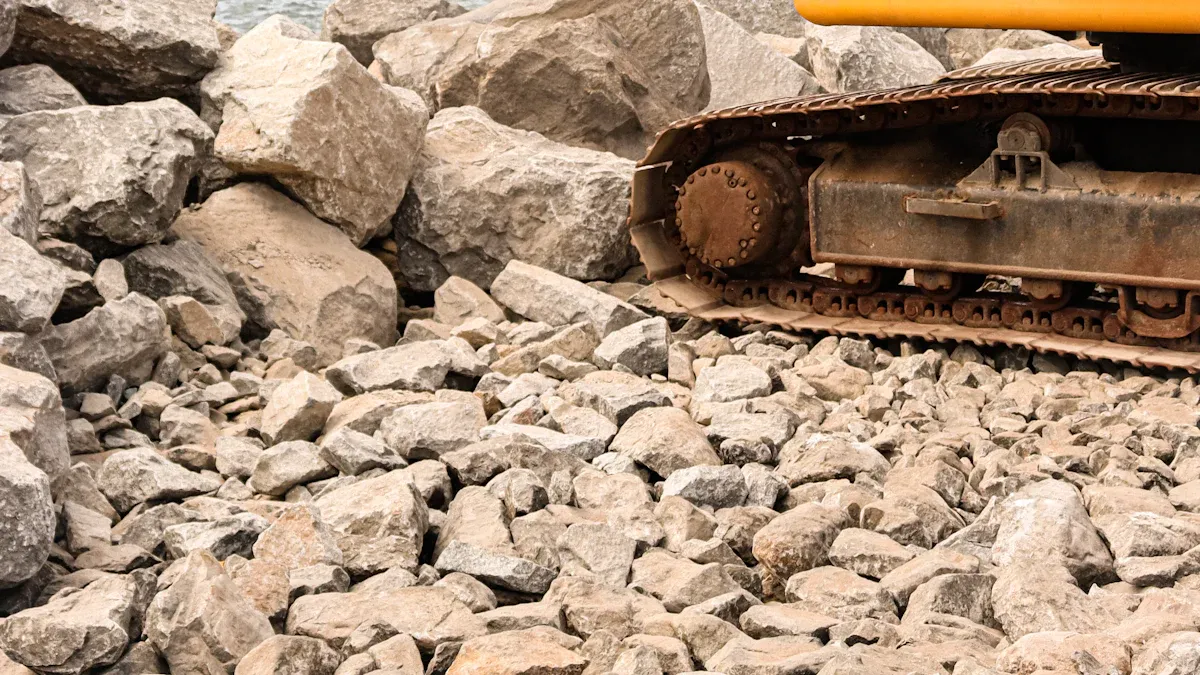
Oil drilling is hard work. It gets tougher in bad places. The 850T pullback rig faced many problems. These problems tested its limits. They also pushed the team's skills. Knowing these problems helps us see why the Oil Drilling Rig 850T Pullback Beats Obstacles was a big win.
Geological and Environmental Hurdles
The drilling path often goes through tough ground. This includes hard rock. It can also be unstable soil. These conditions make drilling slow. They also make it risky. Beyond the ground, nature is a concern. Drilling can harm sensitive areas. These include public parks. They also include wildlife spots. Places with rare animals are at risk. Water sources can get dirty. This happens if drilling fluids leak. Companies must check groundwater. They must use strong casing. Cementing stops leaks.
Nature rules are strict. They need permits. They check drilling's effect on nature. Rig noise can bother people. It can also bother animals. Vibrations can shake the ground. This can hurt buildings. It can harm ecosystems. Engine fumes pollute the air. Drilling fluids can spill. This harms soil and water. Following these rules is key.
Technical Roadblocks and Operational Constraints
Drilling straight is hard. The drill bit can go off course. This is bore deviation. A rock can push it. Loose soil can too. This happens in soft ground. The driller might not fix it. There are many types of bore deviation. Vertical deviation is up or down. Horizontal deviation is left or right. The bore angle can change. Wrong tools cause problems. Too much weight on the bit causes problems.
A big problem is a stuck drill pipe. This stops work for a long time. Bad ground causes this. Poor fluid flow is another reason. The wrong fluid can cause stuck pipes. Sometimes, the drill bit is wrong. Crew mistakes can also cause stuck pipes. The Oil Drilling Rig 850T Pullback Beats Obstacles fixed these issues.
Logistical Complexities in Remote Environments
Moving heavy gear to far places is hard. Many remote areas lack good roads. They lack good ports. Some coasts have no deep-water ports. Big ships cannot dock. Sea and land links are often poor. This makes moving gear hard. It makes it costly.
Supply chains can break. Distance causes delays. Bad weather causes delays. Political issues cause delays. Getting permits takes time. Customs clearance takes time. This adds to costs. Moving workers to remote sites is tough. Bad weather stops work. Equipment breaks far from shops. This means long delays. Communication systems may fail. This makes managing hard. Security can be a worry. All these make remote drilling very hard.
How the Oil Drilling Rig 850T Pullback Beats Obstacles: Strategies and Technologies
The success of the Oil Drilling Rig 850T Pullback Beats Obstacles project was not by chance. It came from smart strategies and new technologies. These tools and plans helped overcome tough challenges. They made difficult drilling possible.
Precision Guidance and Stability Systems
Drilling a straight path underground is very important. The 850T rig uses advanced systems to keep the drill on track. These are called precision guidance and stability systems. They stop the drill from going off course, which is called bore deviation.
The rig has special screens and meters. These show the driller exactly where the drill head is. They show its direction and how deep it is. Digital controls let the operator make changes in real-time. This helps steer the drill around things underground. Analog controls also allow for fine adjustments.
-
Steering: The drill assembly has a special bit or motor. This helps change direction. Sensors tell the driller the angle and roll. The driller can then push the drill without turning it to guide it.
-
Surveying: The system calculates the drill's exact spot as it moves. It uses sensors for angle and direction. These readings, with the depth, show the borehole's position.
-
Tracking: This checks the calculated position. It uses signals from outside the ground. These signals help confirm the drill's location.
To keep the borehole stable, the rig uses several methods. These methods prevent the hole from collapsing or the drill from deviating.
-
Controlling Drilling Speed: The speed changes based on the ground. It goes slower in sticky clay. It goes faster in loose sand. This keeps the hole good and stops the drill bit from wearing out.
-
Using Grouting for Stability: Sometimes, the ground has cracks or holes. Grout is a special liquid that fills these spaces. This makes the ground strong and keeps the drill path steady.
-
Conducting Pre-Drilling Tests: Before the main drilling, small test holes are made. These tests help choose the best drill bits and fluids. They reduce problems later.
-
Selecting Tailored Drilling Equipment: The rig uses different tools for different ground types. Some tools work best in loose sand. Others are better for hard rock. This ensures the hole stays stable.
-
Optimizing Drilling Fluids: Special liquids, called drilling fluids, are used. They are like mud. These fluids are changed for different soils. They stop the hole from collapsing. They also keep the ground pressure balanced.
-
Deploying Temporary Casings: In very unstable ground, temporary pipes are put in. These pipes stop the hole from collapsing. They keep the drill path straight.
Anti-Stall Powertrain and Overload Protection
A big problem in drilling is when the drill pipe gets stuck. This stops all work. The 850T rig has special features to prevent this. It has an anti-stall powertrain and overload protection.
Overload protection systems watch the drill's parts all the time. They check how much force is being used. Sensors measure things like how much the drill is twisting (torque). They also measure the power it uses.
The system compares these measurements to safe limits. If the force gets too high, the system sends a warning. Then, it can stop the drilling right away. This emergency stop prevents damage. It stops parts like drill bits or gears from breaking. It also protects the hydraulic system. This is how the Oil Drilling Rig 850T Pullback Beats Obstacles by avoiding costly breakdowns.
Tip: Overload protection is like a safety switch. It turns off the machine before it can hurt itself. This saves time and money by preventing big repairs.
Specialized Tooling and Fluid Management
Drilling through hard rock or abrasive ground needs strong tools. The 850T rig uses specialized tooling for these tough conditions.
Here are some tools used:
-
Bullet teeth: These are pointed, strong tips. They cut through hard rock and packed soil fast. They are often on drill barrels.
-
Roller cone bits: These bits have spinning cones. They crush and break rock. They are good for deep holes.
-
Flat Cutting Teeth: These teeth have a wide edge. They slice and chip material. They help keep the drill steady in hard ground.
-
Down-the-hole (DTH) hammer bits: These bits hit the rock hard deep inside the hole. They are great for deep, straight holes in hard rock.
Materials like tungsten carbide and industrial diamonds make these tools very strong. They last longer and work better. Hammer drilling and DTH drilling are high-energy ways to break rock. They are good for dense and abrasive ground.
Managing drilling fluids is also key. These fluids help clean the hole. They cool the drill bit. They also keep the hole stable. Good fluid management makes drilling safer and better for the environment.
-
Fluid Selection: The right mud is chosen for the ground type. This keeps the fluid heavy enough. It cools the drill and removes dirt.
-
Fluid Additives: Special chemicals are added to the fluid. These make it thicker or thinner. They help control how much fluid is lost into the ground.
-
Recycling: Used fluids are cleaned and reused. This saves resources and reduces waste. Different types of waste are kept separate.
-
Storage: Fluids are kept in safe, sealed containers. This stops spills and pollution.
-
Monitoring: The fluid's thickness and cleanliness are checked often. This keeps the drilling working well.
-
Disposal: Fluids are thrown away safely. This follows all local laws.
-
Onsite Handling: Trained workers use the right gear. They follow safety rules. They check fluid quality and have plans for spills.
-
Regulatory Compliance: All environmental laws are followed. Records are kept for everything.
-
Preventive Maintenance: Equipment is checked regularly. Seals and hoses are kept in good shape. Workers are trained on how to handle fluids.
Strategic Planning and Team Expertise
Even with the best machines, smart planning and skilled people are essential. The Oil Drilling Rig 850T Pullback Beats Obstacles because of careful planning and a great team.
A good plan starts with understanding the ground. This means looking at seismic studies and geological surveys. It helps find out about the rock, pressure, and temperature underground. It also helps find risks.
Managing pressure and temperature underground is very important. Experts guess the pressure in the rock. They make sure the drilling mud is the right weight. They watch pressure deep in the hole. They also plan for high-temperature areas.
Well design is another key part. This includes planning the casing and cementing. It also means making a path for the drill. This path avoids hitting other wells. Safety measures are also planned.
The drilling fluid program is carefully designed. The right fluids are chosen for the type of rock, temperature, and pressure. The team makes sure the mud has the right properties. They also plan how to handle and dispose of the fluids safely.
Finally, choosing the right equipment is vital. The drilling rig must be right for the depth, pressure, and location. The team's knowledge and experience bring all these parts together. They make sure the project runs smoothly and safely.
The 850T pullback job did very well. It got past many hard problems. This project showed great human skill. It also showed smart planning. New technology helped a lot. The horizontal directional drilling machine was important. This sets new rules for hard drilling. It also moves Trenchless Drilling Rig tech forward. Strong rigs like this will solve future problems.
FAQ
What is an 850T pullback rig?
This is a strong drilling machine. It pulls heavy pipes. It moves them underground. It handles big forces.
Why is the 850T pullback rig important for drilling?
This rig drills in tough places. It gets past hard ground. It beats other problems. It makes hard projects work.
What key technologies help the 850T rig succeed?
Guidance systems keep it straight. Anti-stall powertrains stop stuck pipes. Special tools cut hard rock well.


