
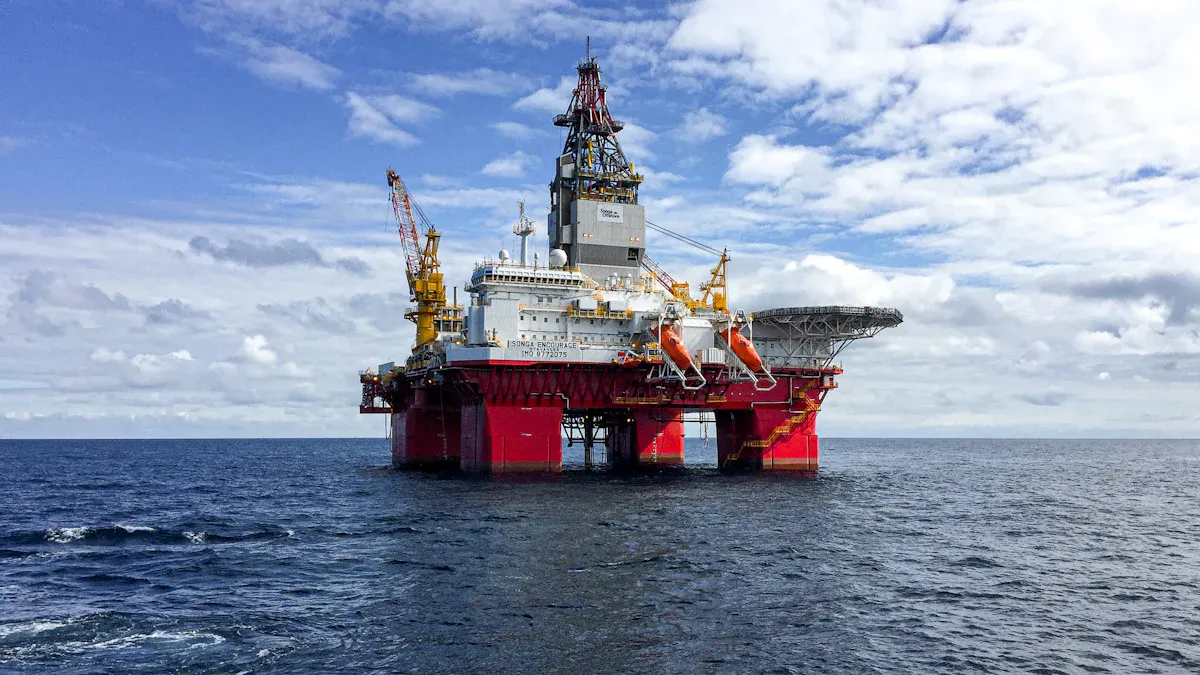
You rely on the Oil Drilling Rig Adjustable System Prevents Overload to ensure safety and boost operational efficiency. With CEGC, you get market-standard specifications and the flexibility to customize your horizontal directional drilling machine to fit your project needs. The Oil Drilling Rig Adjustable System Prevents Overload is designed to address tough challenges like stuck pipe, torque spikes, tool wear, and bore deviation. Real-time load monitoring and advanced dashboards from CEGC help you maintain safety and optimize performance.
|
System Component |
Contribution to Safety and Efficiency |
|---|---|
|
Load Monitoring Systems |
Monitor hook-load, torque, and bit pressure |
|
Drill Monitoring Dashboards |
Detect stick-slip and vibration |
|
Condition-based Analytics |
|
|
AI Torque-trend Modelling |
Prevent shock loads |
Key Takeaways
-
The Oil Drilling Rig Adjustable System makes work safer. It stops overload by watching pressure and load all the time. Hydraulic systems change thrust and rotation to fit the ground. This lowers the chance of pressure spikes and damage to equipment. Using new technology like digital twins and AI-driven maintenance helps a lot. It can cut down on downtime and save money on repairs.
Oil Drilling Rig Adjustable System Prevents Overload
Real-Time Pressure and Load Control
It is important to keep your oil drilling rig working well. This is true when the ground is hard to drill. The oil drilling rig adjustable system prevents overload with advanced hydraulic systems. It also uses real-time monitoring to help you. These systems check pressure, load, and other drilling numbers every second. You can see speed, depth, tension, and flow rate as you drill. This lets you notice pressure spikes before they cause trouble.
Hydraulic systems help control pressure and load. They change thrust, pullback, and rotation to fit the ground. Sensors give you instant feedback on drill bit position, well pressure, mud flow, and tension. If the system finds a sudden pressure change, it sends an alert. You can act fast to stop overload.
Here is how the system keeps drilling safe and efficient:
|
Functionality |
Description |
|---|---|
|
Real-time monitoring |
Watches drilling numbers like speed, depth, tension, and flow rate. |
|
Data tracking |
Follows drill bit position, well pressure, mud flow, and tension. |
|
Blowout preventer (BOP) control |
Checks well pressure, leaks, and gas with real-time pressure trends. |
|
Alarms and notifications |
Gives real-time alerts for quick action if something is wrong. |
SCADA systems collect data from sensors for easy monitoring. These systems let you see your oil drilling rig’s health in real time. Digital twin technology makes a virtual copy of your rig. You can use it to find problems and plan better drilling before issues stop work.
Modern oil drilling rig adjustable system prevents overload with smart sensors. These sensors watch load, tilt, and deck angle on many legs. The system warns you before stress gets too high. This stops overload and keeps your equipment safe.
You can use new real-time monitoring tools. Smart Polycrystalline Diamond Compact (PDC) bits have sensors for temperature, pressure, vibration, and bit wear. Digital twin technology and AI-driven predictive maintenance help you find problems early. This keeps your rig working and lowers surprise breakdowns.
Safety and Overload Prevention in Drilling
You want your crew and equipment to be safe. The oil drilling rig adjustable system prevents overload to protect people and machines. Hydraulic systems control pressure and load. This lowers the chance of pressure spikes that can hurt rods, threads, or tools. You get more safety because the system stops if overload is found.
Here are some important safety features and their benefits:
|
Safety Feature |
Benefit |
|---|---|
|
Stops sudden stops and broken cables |
|
|
Compliance with OSHA standards |
Makes sure safety rules are followed |
|
Focused defense in lifting |
Lowers risk of machine failure and injury |
Sensors also help keep things safe. They watch tray weight and system balance. The system stops if there is overload. This helps prevent damage and injury.
You can see the oil drilling rig adjustable system prevents overload in real life. The AdjustaStairs system has made many rigs safer. It lets you change deck heights fast for sea conditions. This cuts downtime and makes work more efficient.
Real-time data analytics are important too. You can change drilling settings right away using sensor data. This can cut hidden lost time by 25%. It can also save time and money by 10%. You get more safety, better results, and lower costs.
CEGC gives solutions for horizontal directional drilling machines and trenchless drilling rigs. You can change torque, thrust, rod systems, and controls for your project. CEGC rigs use hydraulic systems with load-matched control. This matches thrust, pullback, rotation, and feed. It keeps drilling steady and exact, even in tough ground.
You can trust the oil drilling rig adjustable system prevents overload to keep your work safe, efficient, and productive.
Oil Well Pressure Control and Blowout Prevention
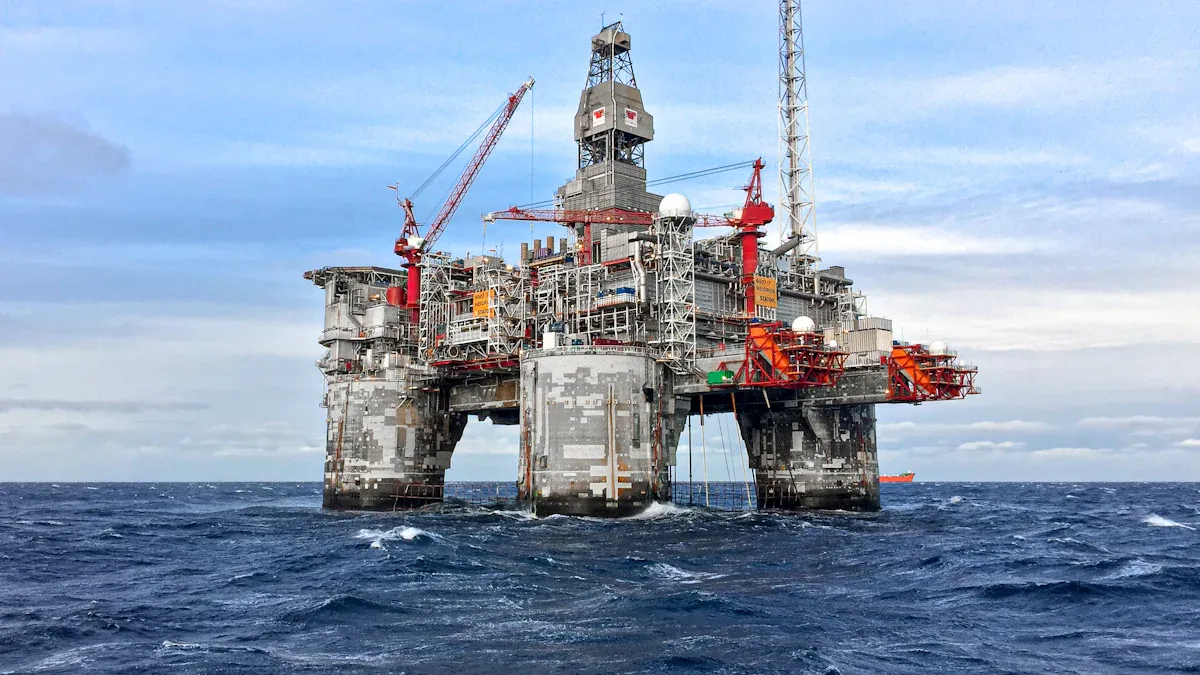
Blowout Preventers and Kick Management
You need strong oil well pressure control to keep drilling safe. Blowout preventers are your main safety equipment. They seal the wellbore and stop oil or gas from escaping. When you drill, pressure can change quickly. If you get a kick, the blowout preventer closes fast. This stops a blowout and keeps your team safe.
Blowout preventers help manage pressure spikes and keep drilling under control. They work with other pressure control systems to keep the well safe. You can see how important these devices are in the table below:
|
System/Technology |
Description |
|---|---|
|
Blowout Preventers (BOPs) |
Safety equipment that lowers pressure spikes and acts as a final defense against blowouts. |
|
Choke Systems |
Used to control fluid flow and keep pressure balanced in the wellbore. |
|
Managed Pressure Drilling |
An advanced technique that lets you change downhole pressure using real-time data. |
Blowout preventers seal the well and contain pressure. They let you respond quickly to emergencies. They also fit different pipe sizes and work on land and offshore rigs. This technology lowers rig downtime and helps you reach safety goals.
Adjustable Systems for Oil Well Pressure Control
You use adjustable systems to keep oil well pressure steady. These systems have choke valves, hydraulic pumps, and pressure gauges. Choke valves let you change flow rates and control pressure. Hydraulic systems adjust thrust and rotation. This helps you avoid overload and keep drilling safe.
You can see the main parts of these systems in this list:
-
Instrumentation valves and pressure gauges
-
Chart recorders for pressure, flow rate, and temperature
-
Hydraulic pumps and pressure sustaining valves
-
Pneumatic pilot valves and pressure regulators
Hydraulic systems help you control drilling fluid density and keep pressure stable. You use real-time monitoring to track pressure and flow. This technology helps you spot problems early and change your pressure control plan. Mud integration keeps the wellbore stable and stops gas kick incidents. It also helps you avoid uncontrolled flow and keeps drilling smooth.
CEGC gives you advanced pressure control systems for horizontal directional drilling machines and trenchless drilling rigs. You get anti-stall powertrain, overload protection, and integrated pressure control system options. These features help you manage pressure and meet industry standards. You can trust CEGC technology to protect your oil drilling rig and keep your team safe.
You count on adjustable systems to stop overloads and keep oil drilling rigs safe. These systems also help horizontal directional drilling machines work better. Hydraulic systems and real-time monitoring let you control pressure. They also protect your equipment from damage. New technology helps your machines last longer and need less fixing. CEGC can make special solutions for what your project needs.
|
Benefit Description |
Measurable Impact |
|---|---|
|
Failure prediction accuracy |
|
|
Emergency repair reduction |
75-85% decrease through early intervention |
|
Maintenance cost optimization |
$45,000-75,000 annual savings per machine |
|
Equipment availability improvement |
94%+ uptime through predictive maintenance |
|
Component life extension |
35-50% improvement through optimal maintenance timing |
|
Safety incident prevention |
Elimination of equipment-related accidents and liability exposure |
FAQ
What does real-time monitoring do for drilling safety?
Real-time monitoring helps you watch pressure and drilling conditions. It checks the hydraulic systems all the time. This lets you see pressure spikes early. You can stop overload before it hurts the equipment or causes danger.
How do hydraulic systems help with pressure control?
Hydraulic systems change how thick the drilling fluid is. They also help manage pressure as you drill. This gives you better control over pressure. It keeps your rig safe from overload.
Why is pressure control important in oil drilling?
Pressure control stops blowouts and gas kicks from happening. Good pressure control systems use hydraulic technology. This lowers the chance of losing control. It also makes drilling much safer.


