
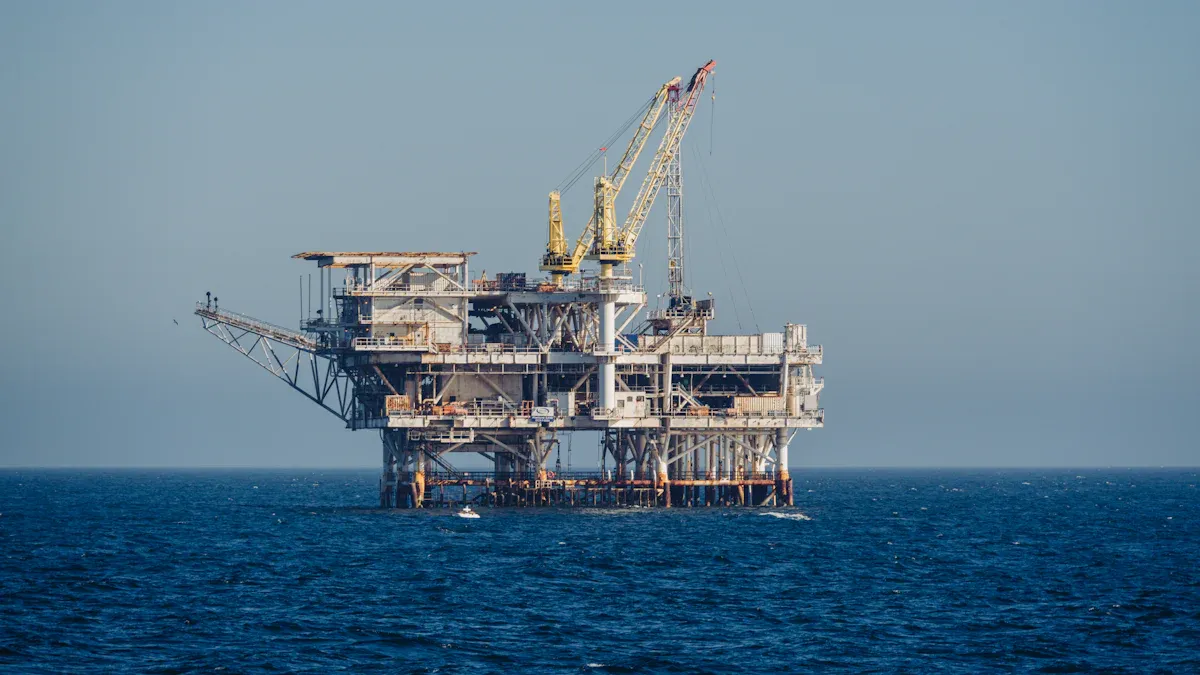
Oil Drilling Rig Enhanced Torque Powers Deep Holes
Enhanced twisting force is essential for today's deep oil drilling operations. It significantly improves drilling efficiency and enables penetration through challenging geological formations. This advancement contributes to safer operations, allowing for deeper drilling while maintaining overall site integrity. Without this enhanced torque, achieving current drilling depths would be impossible. The Oil Drilling Rig Enhanced Torque Powers Deep Holes, making work both safer and more effective. CEGC recognizes the critical importance of this twisting force in modern drilling.
Key Takeaways
-
Enhanced torque is a strong twisting force. It helps drill bits cut through hard rock. This makes deep oil drilling possible and more effective.
-
Modern drilling uses special systems. These systems give strong turning force. They also keep drilling operations safe.
-
Enhanced torque helps drill long horizontal wells. It also helps with complex wells. This allows access to oil that was once too hard to reach.
Understanding Torque in Deep Drilling
Defining Torque and Its Deep Drilling Importance
Torque is a turning force. It is put on a shaft. This makes it spin. We measure this force. Units are foot-pounds or newton-meters. In drilling, torque is the spin force. It is between the drill string and rock. There are different kinds of torque. One is on the driller's gauge. Another is when the string spins off the bottom. Also, there is torque during normal drilling. Incremental torque means more than usual. This spin force is key for good drilling. It changes how well drilling works. Good torque helps the drill bit cut hard rock. This is very important for deep drilling.
Challenges Without Sufficient Torque
Not enough torque causes problems. It can lower the weight on the bit. This makes drilling slower. The drill string can bend. It can bend like a wave or a spiral. This makes steering tools hard. Equipment wears out faster. This hurts drilling and safety. Drill cuttings can build up. This causes high torque and drag. Pipes can get stuck. This wastes time. Bad hole cleaning can also stick pipes. This affects safety. Debris at the hole bottom slows drilling. It can also make torque jump. Drag can also increase fast. This means a pipe might get stuck. Too much torque is also bad. It wastes power. It can break parts. Good torque control is key for best drilling.
Enhanced Torque: Mechanisms and Operational Safety
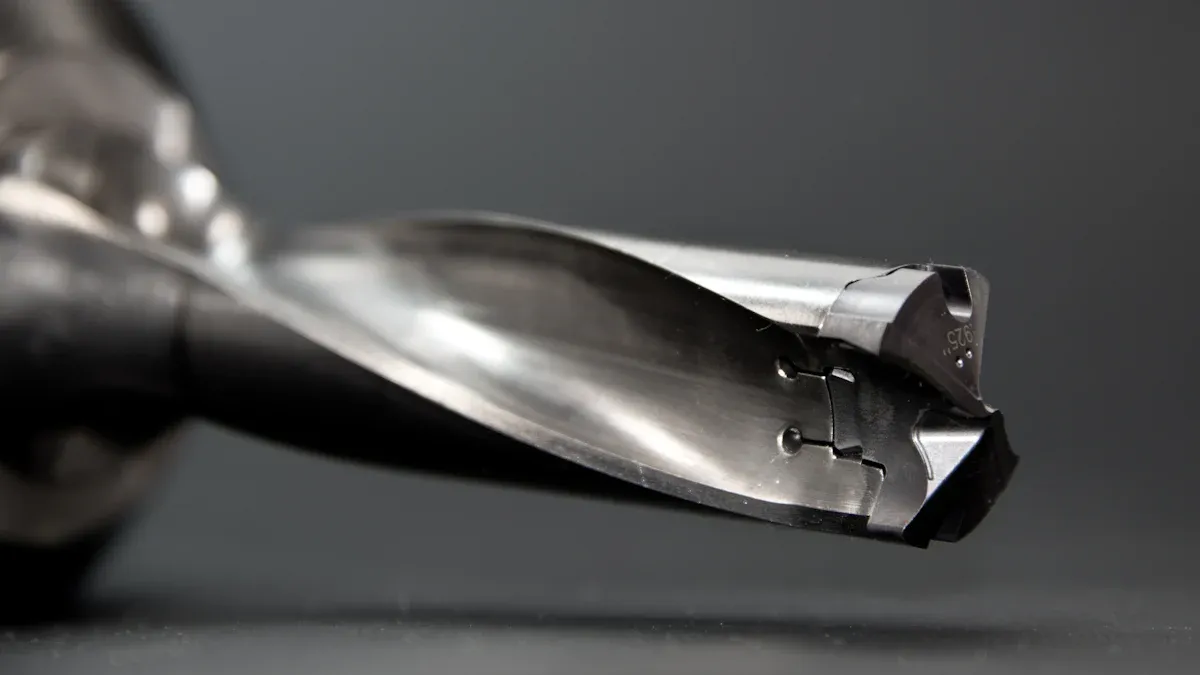
Modern oil drilling uses new technology. This helps make deeper wells. It also helps make more complex wells. Enhanced torque is a big part of this. It uses special systems. These systems give strong turning force. They also keep things very safe.
Top Drive Systems: Core of Torque Delivery
Top drive systems are very important. They give enhanced torque. They turn the drill string all the time. This makes drilling better and safer. These systems replace old tools. They replace kelly and rotary tables. Motors turn the drill string. They can be electric or hydraulic. A gearbox changes the motor's power. This matches the drilling needs.
The torque track helps connect drill string parts. The top drive connects right to the drill string. It turns the drill pipes from the top. The power system uses a transformer. It lowers the voltage. Then it changes the voltage. It becomes alternating voltage. This voltage has a changing frequency. A special system manages this. It uses high-frequency signals. This lets the motor work well. It works in constant power or torque modes. This gives continuous, high torque rotation. This technology gives great torque control.
Advanced Power and Drill String Innovations
Better power systems are key. Drill string changes are also vital. They help send more torque. Strong electric and hydraulic motors are used. Smart gearbox designs also help. Planetary gearboxes are a good example. They have high torque density. This means they send a lot of torque. They do this in a small space. The load spreads evenly. This allows more torque to pass. It also puts less stress on parts. These gearboxes are made strong. They use hardened steel and cast iron. This strong build helps them. They can handle tough conditions. They can also handle heavy loads. Parts like the sun gear are made for stress. They resist wear. This makes them last a long time.
Planetary gearboxes are also very good. They are very efficient. They can be up to 95% efficient. The load spreads across many gears. This means less energy is lost. It makes power transfer better. This design also lowers friction. It also lowers heat. They are made to last long. They have sealed bearings. They also have good lubrication systems. This makes them last longer. It also means less upkeep. Material choice is very important. Strong alloys like hardened steel help. Titanium also helps. They make them durable. They also make them reliable. This lets gearboxes handle big loads. They can handle harsh conditions. Materials that resist rust are also important. They help with long-term performance. Automatic oiling systems give constant oil. This lowers wear. It makes them last longer. Oil cooling systems keep them cool. This stops overheating. It makes them work well.
Stronger, lighter drill pipe materials are also key. Modern drill pipes are seamless. They use special alloys. They can handle over 135,000 psi. This high strength helps them work. They work in tough places. They do this without losing performance. They also do this without losing safety. Tool joints are made from strong materials. They are important for managing high torque. They also resist wear. This keeps the drill string together. Good torque management is vital. For example, 25,000 to 30,000 ft-lbs. This is for a 5-inch drill pipe. It has an NC50 connection. This stops failures or leaks. Modern drill pipes are strong. They are durable. This comes from choosing strong steels. These steels have low alloy. Special heat treatment also helps. The alloy mix balances properties. This is for tough drilling conditions. High yield strength helps the pipe. It handles strong forces in deep wells. Good fatigue resistance means it handles stress. Toughness helps it resist hits. It also stops breaks. Wear resistance lowers rubbing. Heat treatment makes steel harder. It also makes it tougher. New designs improve turning power. These are high-torque connections. Very strong grades help with long drilling. This focus on quality is key. It helps improve efficiency.
Impact on Drilling Efficiency and Operational Safety
Higher torque greatly affects drilling efficiency. It also affects operational safety. It makes the drill go faster. This is through hard rock. For every 1.0 mm/s faster, torque goes up. It goes up by about 0.86 N·m. This means more torque drills faster. This makes drilling time shorter. It also makes the well more stable. Steady torque means fewer stuck pipes. It also means less wear on parts. This helps safety. Drill pipe wear means small cracks. Then bigger cracks. Then breaks. This is from repeated stress. Less stress stops these breaks. Top Drive systems give steady torque. This lowers stuck-pipe problems. It also lowers wear on the drill string.
CEGC fixes "Stuck Pipe, Torque Spikes & Downtime." It uses "Anti-Stall Powertrain & Overload Protection." Enhanced torque systems stop these problems. They give high torque output. They have a wide speed range. They also use hydraulic load sensing. They use pressure management. Controlled start and stop reduce shocks. This is on rods and tools. This precision torque-control system helps. It helps reduce equipment downtime. Rings prevent torque spikes. They also prevent overload. These rings have a wavy design. This design lets the ring bend. It slips when torque is too high. This gets rid of extra energy. It protects parts like gears. This works like a clutch. It resets itself. It takes the spike during overload. Then it re-engages automatically. No manual reset is needed. Other solutions exist. These include JB Torque Limiters. Also Voith Turbo SafeSet couplings. Brunel Safety Element limiters are another. PT Tech's SL series also helps. They release instantly. Or they slip in a controlled way. They protect equipment. This is during high torque applications. Enhanced torque also helps ream. It helps free stuck pipes. This makes things safer. It also makes them more efficient.
Enabling Complex and Extended Reach Wells
Enhanced torque is very important. It helps drill long horizontal parts. It also helps with complex wells. These are common in deep reservoirs. The power for precise guidance comes from enhanced torque. This fixes "Bore Deviation & Crossing Failure." Load-matched control manages thrust. It also manages pullback and rotation. A strong frame reduces shaking. This ensures accurate drilling performance. Tracking systems work with data logging. This gives accurate control. Customizable torque is available. Also thrust and rod systems. And control packages. These match bore length and geology. This precise control is essential. It helps with successful drilling. It ensures the wellbore is good. This leads to better drilling performance. It also leads to safety enhancements. Keeping precise alignment is a sign of this technology.
The Future of Torque in Oil Drilling
Automation and Smart Torque Management
Future oil drilling will use smart machines. Sensors and AI are important. They give real-time feedback. They make torque better. AI can change Weight on Bit. It can also change pump rates. This keeps the drill bit working well. It stops tools from breaking. It makes drilling faster. AI learns about different rocks. It always makes things work best. This means good quality. AI also finds problems early. It sees vibrations or sudden torque changes. This stops accidents. This makes drilling cheaper. It makes drilling faster. Better torque control comes from watching pressure. This makes torque steady. Computers can guess drilling torque. They do this before the bit gets there. One computer model is GA-WNN. It guesses Weight-on-Bit very well. It uses things like feed pressure. It also uses how fast it spins. Another model is Seq2Seq. It guesses surface torque. It works well. Its errors are less than 5%. This way of watching torque helps. It makes drilling better.
Next-Generation Torque Technologies
Future changes will make torque even stronger. Better drilling motors are coming. These motors are key for new BHA technology. They last longer in hard rock. They can handle more torque. They work better with smart systems. This makes them work best. New electric systems are also important. They use VFDs. These let us control torque and speed well. This helps make torque stronger. New drill string materials are also coming. Light drill pipe is one example. It is made from carbon fiber. These materials will handle more torque. This keeps drilling good and fast.
Enhanced torque is very important. It helps with deep oil drilling. It lets us reach tough oil spots. It does this well and safely. This technology drills deeper than ever. It also makes drilling safer. It keeps getting better. This means oil rigs will keep drilling deep holes. This helps new ideas grow. Oil rigs will use enhanced torque for many years. This will help them keep succeeding.
FAQ
❓ What is enhanced torque in oil drilling?
Enhanced torque is a stronger twist. This twist helps drill bits. They cut through hard rock. It is needed for deep wells. It is also needed for complex wells. It makes drilling work well.
⚙️ Why is enhanced torque vital for deep drilling operations?
It helps drill deeper. It pushes through hard rock. This lets us reach oil. Oil that was too deep before.
🛡️ How does enhanced torque improve operational safety?
Enhanced torque stops pipes from getting stuck. It also makes parts last longer. Steady torque makes drilling safer. It makes drilling more stable.


