
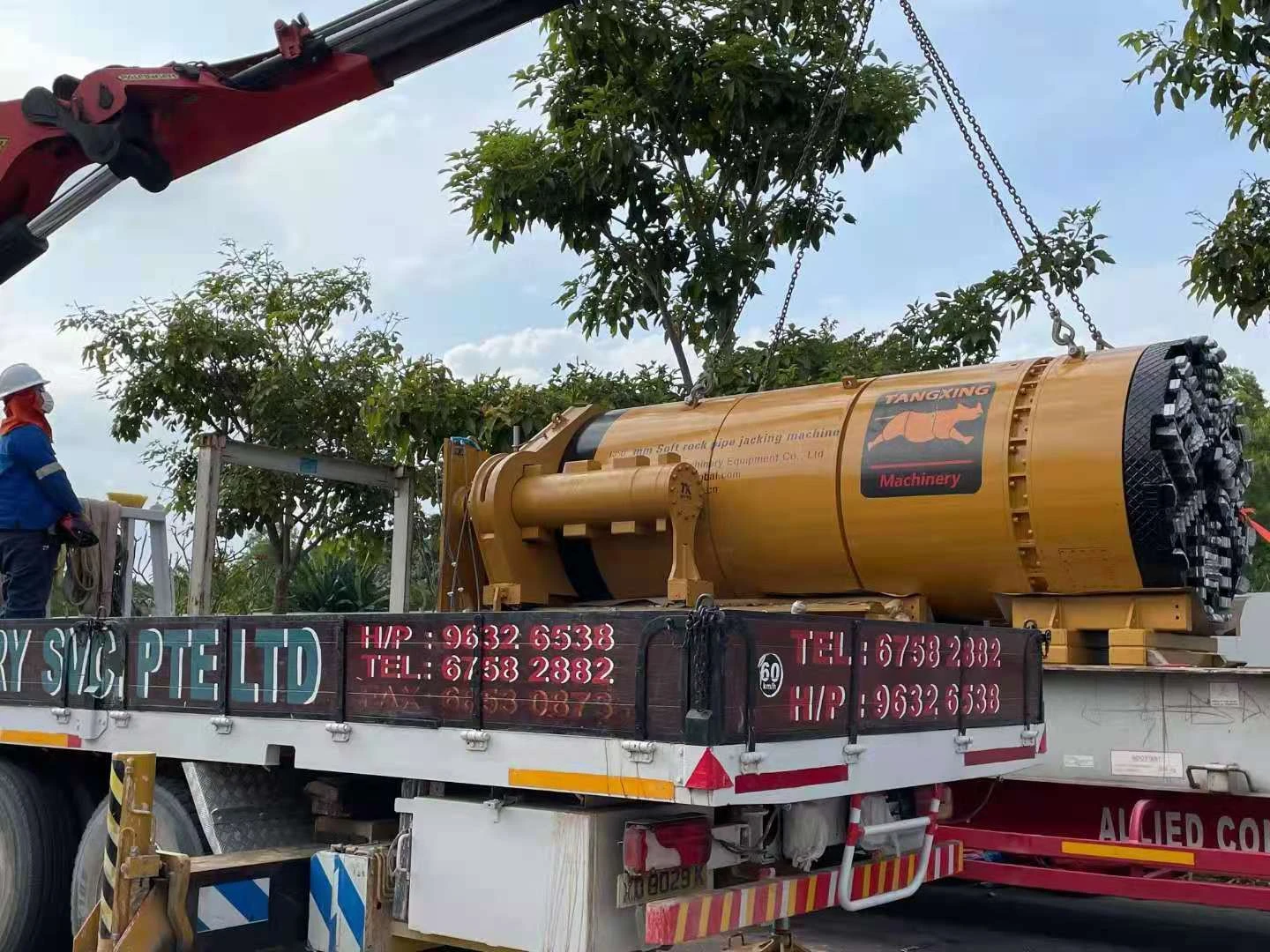
Overbreak costs drop with micro tunneling positioning when you utilize CEGC tunnel machine solutions. With our advanced micro tunneling machines, you achieve precise tunnel placement, allowing for controlled excavation. This effective tunnel positioning ensures that the tunnel remains straight and steady, significantly reducing risks associated with ground settlement, tunnel face instability, and water ingress. By implementing micro tunnel positioning, you can effectively prevent tunnel overbreak, enhancing safety for both workers and the project. This method not only minimizes tunnel risks but also provides substantial cost savings for tunnel owners and builders alike. Furthermore, tunnel positioning improves the guidance of tunnel machines, leading to better overall results. With CEGC's focus on quality, our tunnel positioning techniques ensure that your projects are executed efficiently, delivering high value and performance. Embrace micro tunneling positioning to enhance the success of your tunnel projects and drive them forward with confidence.
Key Takeaways
-
Micro tunneling positioning lowers overbreak costs. It does this by making sure the tunnel is in the right place. This means there is less extra digging and fewer repairs. Using advanced guidance systems keeps the tunnel in the right shape. This makes projects safer. It also saves a lot of money on workers and materials. Using micro tunneling techniques makes projects work better. It also helps the environment by making less noise and less pollution.
Overbreak costs drop with micro tunneling positioning
What is overbreak in tunnel construction
You might ask what overbreak means in tunnel building. Overbreak happens when the tunnel face goes past the planned line during digging. This extra part usually comes from drilling or blasting. Overbreak position is the spot where the tunnel wall goes past the design line. You can check overbreak by looking at the real tunnel shape and the planned shape.
-
Overbreak is extra tunnel face made by drilling.
-
Overbreak position is where the wall goes past the plan.
-
Overbreak can happen during digging, mostly with old methods.
If you use old ways to dig tunnels, you see more overbreak. Blasting can make the tunnel move, mostly at the arch and vault. This movement can make the rock around the tunnel weak. The arch shoulder and vault are the most at risk. Overbreak can also cause underbreak in other places. Underbreak means some parts of the tunnel do not reach the planned line. You need to keep the tunnel shape even to stop these problems.
Micro tunneling positioning helps you control the tunnel shape. You can keep the tunnel close to the plan. This way cuts soil movement by 25% to 30% compared to old ways. The area of soil change is smaller with micro tunneling. You see less soil moving around the tunnel, mostly at the vault. This control helps you stop both overbreak and underbreak.
Why overbreak matters for project costs
Overbreak costs drop with micro tunneling positioning because you skip extra work and materials. When you have overbreak, you must take out more soil and rock than planned. This means you pay more for workers and supplies. You also need to fix the tunnel walls, which costs more. Overbreak position can cause ground to sink, face to fall, and water to leak in. These problems can stop your work and cause claims.
Let’s see some common problems in tunnel building and how micro tunneling positioning helps:
|
Challenge |
Description |
Micro Tunneling Solution |
|---|---|---|
|
Bad slurry pressure can make the ground above the tunnel sink. |
Guidance systems keep slurry pressure steady, so the ground does not sink. |
|
|
Versatility in conditions |
You find soft soils, mixed faces, and lots of water in tunnel digging. |
Micro tunneling works in many soils, keeping the tunnel safe. |
|
Dependency on soil data |
Unknown things in the ground can slow digging. |
Good data helps you pick the right machine and plan the work. |
You see that overbreak costs drop with micro tunneling positioning because you keep the tunnel on track. You skip extra digging, less ground moving, and fewer fixes. You also lower the chance of water getting in the tunnel. Micro tunneling positioning gives you better control over the digging. You can keep the tunnel shape even and stop underbreak.
When you use CEGC’s tunnel machine, TBM tunnel boring machine, or microtunnelling machine, you get top results. These machines help you keep the tunnel in line with your plans. You can set up the guidance system for your job. This means you get the best results for city tunnels. Overbreak costs drop with micro tunneling positioning, and you save money on workers, supplies, and repairs.
Tip: Always use a guidance system with your tunnel machine to keep the tunnel on the right path. This step helps you stop overbreak and underbreak, saving you time and money.
Overbreak costs drop with micro tunneling positioning because you control the tunnel shape. You skip the extra costs from fixing mistakes. You also keep your work safe and on time. When you pick CEGC’s tunnel machine solutions, you get good tunnel digging and better results.
Precision technology prevents overbreak
Guidance and steering systems in tunnel machines
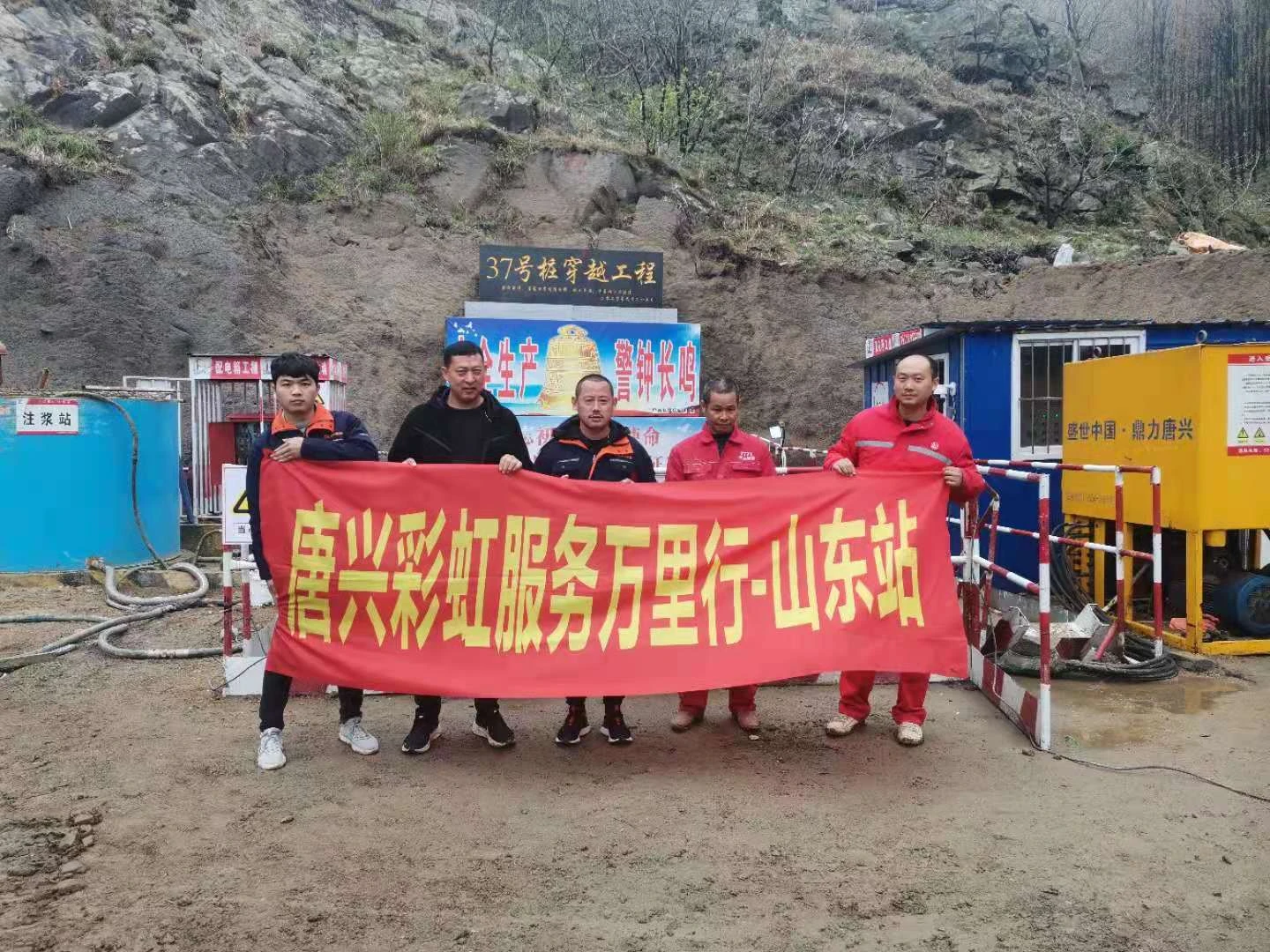
You need guidance and steering systems to keep tunnels straight. These systems help you control where the tunnel goes. They stop overbreak when you dig. You use special software from Trimble and Leica Geosystems. This software helps you measure and watch tunnel progress. You take measurements often to stop mistakes and digging too much. Tunnel inspection tools give you good data. They help you check if the tunnel matches the plan.
-
Guidance and alignment systems use special software to measure and watch.
-
Tunnel inspection tools check data and make sure the tunnel is right.
-
Good guidance keeps tunnel boring machines working well and safe.
-
If the tunnel is not straight, it can cause delays and cost more.
-
Total stations from Leica Geosystems are very accurate for tunnel work.
You can scan tunnel shapes with apps like Leica Captivate Check Tunnel. These apps show if the tunnel is off and help you compare it to the plan. Monitoring tools record how the tunnel and ground move. This gives you information about changes in the ground. You need careful stakeout methods to keep the tunnel boring machine on track. This helps you avoid tunnel shape problems.
CEGC lets you pick how you want your guidance and alignment systems. You can choose the screen, controls, and settings for your tunnel job. This helps you meet tunnel rules and what the owner wants.
Real-time control with TBM and microtunnelling machines
You use real-time control in tunnel boring machines and microtunnelling machines. This helps you lower overbreak. Sensors and automatic systems make tunnel digging more exact. Real-time feedback lets you change how you dig and stop extra digging. Smart tools check the rock and help you dig better.
-
Sensors and automatic systems make tunnel digging more exact.
-
Real-time feedback lets you change digging and stop overbreak.
-
Shield processing machine controls keep the tunnel in the right place.
-
Onboard sensors help the machine work in different soils.
You keep the tunnel in the right direction and stop ground problems. Real-time control helps you keep the tunnel safe and steady. You can react fast to changes in the ground and keep digging safe and smooth.
CEGC tunnel machines use closed-mode face support design. This keeps the tunnel face pressure steady and helps in soft or wet ground. Soil conditioning and muck transport systems keep the tunnel face strong and control dirt removal. Sealing and pressure systems stop leaks and make the tunnel safer.
Pipe jacking and ground support benefits
Pipe jacking, also called microtunnelling, makes less overbreak than old tunnel ways. This method gives better ground support and stops the ground from moving too much. Pipe jacking can build tunnels as well as old ways but with less overbreak and better ground support.
You use ground support systems in micro tunneling to stop overbreak and keep the tunnel strong.
|
Method |
Description |
|---|---|
|
Face Control |
Keeps the tunnel face steady to stop overbreak when digging. |
|
Groundwater Pressure Management |
Uses slurry balance to keep the tunnel face steady and stop the ground from sinking. |
|
Grouting Techniques |
Uses grouting to make the soil around the tunnel stronger before and during digging. |
Face control keeps the tunnel face steady and stops overbreak. Groundwater pressure management uses slurry to keep the tunnel face steady and stop the ground from sinking. Grouting makes the soil around the tunnel stronger before and during digging.
You can pick how you want CEGC tunnel machine guidance and alignment systems for your tunnel job. You choose the screen, controls, and settings. This helps you keep the tunnel steady and stop tunnel shape problems.
Tip: Use pipe jacking and ground support to keep the tunnel shape good and the tunnel strong. These ways help you stop overbreak and keep digging safe.
Cost savings and added benefits
Material and labor savings
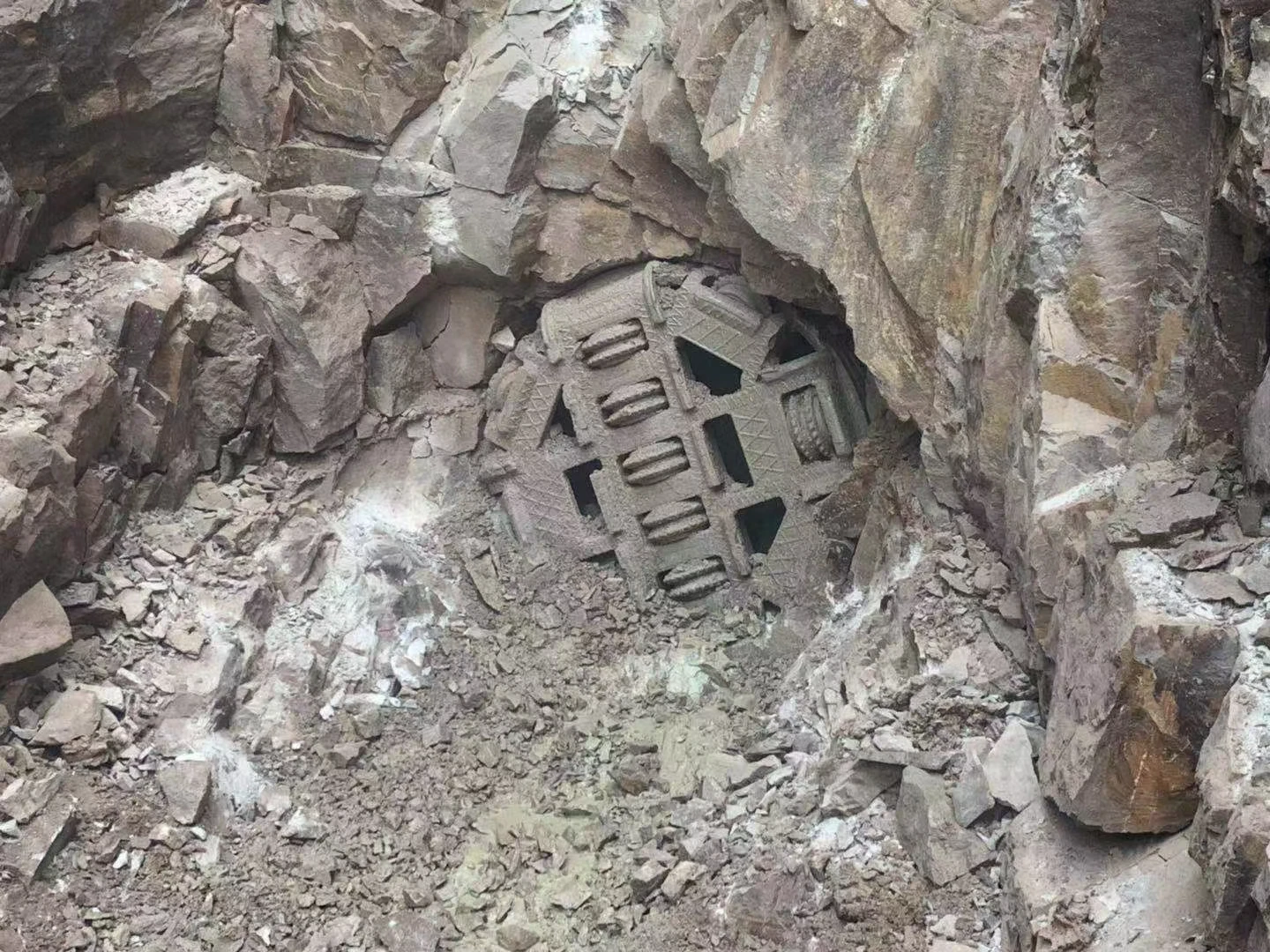
You can save a lot of money with micro tunneling positioning. When you control how you dig, you do not need to dig extra. This means you do not have to move as much dirt or rock. You also do not need as many workers to fix mistakes. You use less material for tunnel lining and support. Keeping the tunnel close to the plan helps you skip repairs. You do not need to fix the tunnel as much. Many tunnel jobs save up to 20% on materials and labor by using good guidance systems. CEGC tunnel machine solutions help you finish digging faster. You do not have as many delays. You can plan your work better and avoid surprises. This makes building the tunnel smoother and costs less.
Environmental and safety advantages
You help the environment when you dig tunnels the right way. Micro tunneling positioning keeps the tunnel on track and makes less waste. You hear less noise and see less mess above the tunnel. You also make less pollution because you use fewer big machines.
-
Minimal surface disruption helps keep green spaces safe.
-
Less noise means a quieter place to work.
-
Lower carbon emissions come from less digging and fewer truck trips.
You also make the tunnel site safer for everyone. Good guidance systems give you real-time data while you dig. You can find problems early and keep the tunnel safe. Laser sensors and smart tools help you check the tunnel and its shape. These systems help you make good choices and stop accidents.
Managing overbreak well is very important for tunnel digging. Advanced tunnel positioning and guidance help you see and lower risks. This makes your tunnel project safer and more reliable.
CEGC tunnel projects show you can manage risks and help the environment by using these advanced ways to dig tunnels.
You can lower tunnel overbreak costs by using CEGC’s TBM and microtunnelling machines. Laser guidance systems help keep the tunnel straight and stop mistakes. This means you spend less money on workers and fixing the tunnel. You also save money on the whole tunnel project. Advanced guidance and alignment systems make tunnels safer and better for the environment. You should always use precise tunnel positioning for every tunnel job. CEGC gives you good tunnel standards and lets you change things for your needs. You get better results, spend less, and keep the tunnel site safer. Using the best tunnel technology helps your team and your community. CEGC tunnel solutions can help make every tunnel project work well.
FAQ
What is micro tunneling positioning?
Micro tunneling positioning helps you guide the tunnel machine. This way, the tunnel stays straight and safe. It makes the work more exact and helps stop mistakes when building tunnels.
How does CEGC’s tunnel machine help reduce overbreak?
CEGC’s tunnel machine gives you good control. The guidance system keeps the tunnel on the planned line. You do not dig too much, so you save money fixing the tunnel.
Why should you choose advanced tunneling technology for your tunnel project?
You should use advanced tunneling technology for your tunnel job. It makes the tunnel safer and keeps the ground steady. You finish the tunnel faster and lower risks and costs.


