
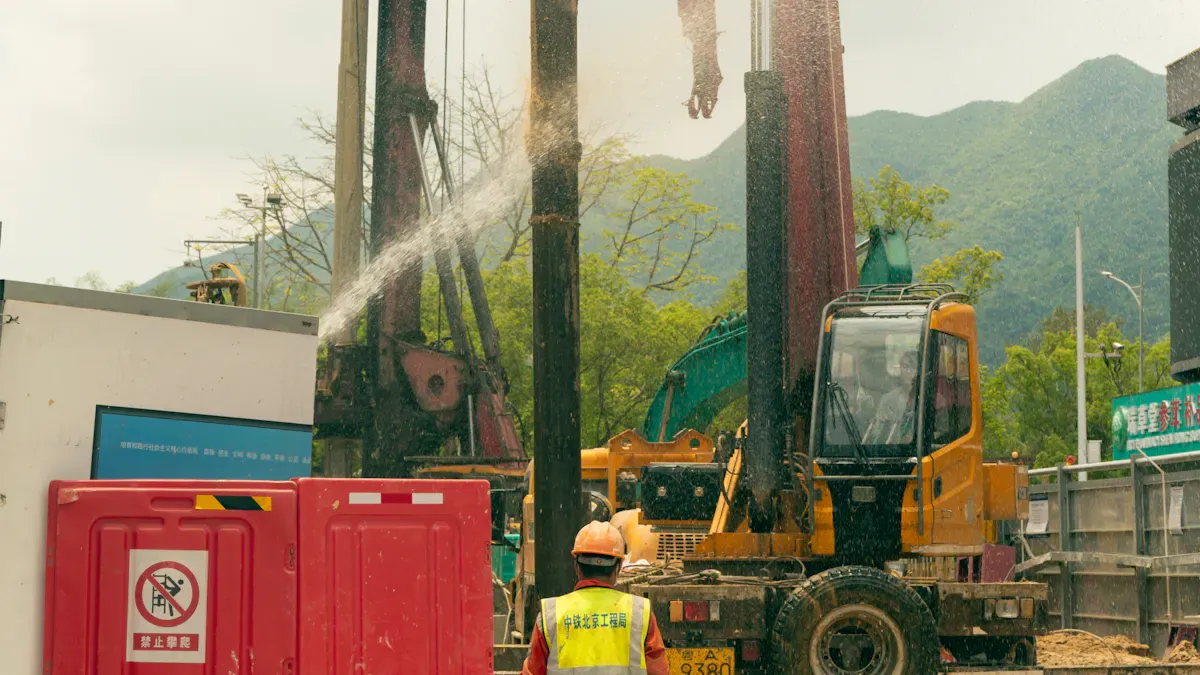
Positioning errors in pile driving can happen because of hammer problems. Piles can also be out of alignment tolerance. Changes in soil resistance and pile driver issues can affect how much weight the pile can hold. Getting Pile Drive 1mm Accuracy Cuts Positioning Error keeps structures safe. It also helps CEGC projects avoid expensive delays.
|
Cause |
Explanation |
|---|---|
|
Misalignment can happen if the hammer and pile are not lined up right. Soil conditions can also cause this. Using templates or pile gates can help fix it. |
|
|
Hammer Issues |
Hammer problems like not enough stroke or ram friction can cause positioning errors. |
Key Takeaways
-
Getting 1mm accuracy in pile driving makes buildings safer and stops expensive delays.
-
Workers use advanced technology like GNSS systems and real-time feedback to fix mistakes fast.
-
Keeping equipment maintained and calibrated is important for accuracy and stops alignment problems.
Mechanical Causes in Pile Driving
Mechanical problems can make piles go in the wrong spot. These problems can happen from bad calibration, hammer-pile not lining up, or old machines. Each problem can make it hard to put piles in the right place. This is even harder when there are things blocking deep piles.
Equipment Calibration Errors
Bad RTCP calibration makes accuracy worse because rotary axis errors change with position and direction. The machine might look good on straight lines but still make mistakes because of rotary axis calibration problems.
Calibration means setting tools to match trusted standards. If calibration is wrong, measurements will not be correct. Workers need to know about these errors and try to stop them. This helps keep measurements right. When deep piles hit blocks, even small calibration mistakes can cause big errors.
Hammer-Pile Misalignment
Hammer-pile alignment is very important for putting piles in the right spot. Piles need to be the right size for good pile driving. Bad piles or hammer-pile not lining up can slow down building and make it weaker. Good hammer-pile alignment also stops piles from bending. This keeps driving accurate and the building strong. Good leads help keep piles straight when putting them in. Using good leads and lining up the hammer and pile right stops piles from bending. This is very important for strong foundations, especially when deep piles hit blocks.
Wear and Tear on Machinery
Old machines can cause different mistakes:
|
Type of Error |
Description |
|---|---|
|
Machine shape changes and this hurts positioning accuracy. |
|
|
Backlash |
Parts move late when changing direction, which causes mistakes. |
|
Thermal Expansion |
Heat makes parts bigger or smaller, which can hurt accuracy. |
Old machines make it harder to keep hammer-pile lined up. Deep pile blocks can make machines work harder and wear out faster. This causes more mistakes.
Human Factors and Common Pile Driving Mistakes
People are important in pile driving accuracy. Many mistakes happen because workers act unsafe or do not have enough training. Not following rules can cause piles to be in the wrong place or not deep enough. These mistakes can hurt the whole project.
Operator Skill and Training
Operators must learn how to use pile driving machines. Training teaches workers about the equipment and how to drive piles. Experienced operators can find problems early and fix them fast. They know how to keep piles straight and make sure piles go deep enough. Teams that train together make fewer mistakes and work better.
-
Training helps operators learn about tools and methods.
-
Skilled operators can fix problems and handle surprises.
-
Well-trained teams meet pile depth needs more often.
Communication Errors
Talking clearly keeps everyone safe and helps the job go well. If workers do not share changes or problems, mistakes can happen. Bad communication can cause piles to be in the wrong spot or not deep enough. Teams should always share updates and warnings to stop accidents.
-
Workers need to talk about progress and problems.
-
Good communication helps everyone follow the plan.
Failing to Meet Pile Penetration Requirements
Not meeting pile depth needs can cause big problems. If piles are not deep enough, they may not hold the building safely. The table below shows what happens when piles do not meet depth needs:
|
Consequence |
Description |
|---|---|
|
Insufficient Load-Bearing Capacity |
Piles that are not deep enough cannot hold the weight. |
|
Ground Instability |
Not enough depth can make the ground move or settle. |
|
Potential Structural Damage |
Not meeting depth needs can damage the building above. |
Teams must always check that piles go deep enough. This step stops ground movement and keeps the building safe.
Environmental and Site Impacts
Unexpected Soil Conditions
Soil conditions can change quickly and affect pile driving accuracy. Workers often find soft clay, loose sand, dense gravel, or even hard rock at a site. Soft clay and loose sand make it easier to drive piles, but they can cause piles to shift or settle. Dense sand and gravel need more energy to drive piles. Hard soil or weathered rock can stop piles from reaching the right depth. Sometimes, crews notice driving piles deeper than expected. This may mean the soil is weaker than planned. Other times, piles move sideways because of ground movement or soft soil settlement. Lateral movement in old piles can also happen when new piles push soil sideways. Teams use soil analysis to check for these problems before starting work.
-
Soft clay and loose sand: Easy to drive but can shift.
-
Dense sand and gravel: Harder to drive, needs more force.
-
Hard soil and rock: May stop piles or need bigger hammers.
-
Driving piles deeper than expected: Shows lower soil resistance.
Weather Effects
Weather changes can make pile driving harder. Rain can soften the ground and cause piles to move or settle. Wind and storms can shake equipment and make it hard to keep piles straight. In marine areas, tides and currents move platforms and sensors. Precision positioning systems help crews place piles in the right spot, even when the weather changes fast.
Modern guidance systems use GNSS and motion sensors to track pile angle, depth, and position in real time. This helps keep workers safe and improves quality control.
Site Accessibility Issues
Some sites are hard to reach. Workers may need to bring in heavy machines over rough ground or water. Limited space can make it hard to line up piles or use big equipment. In marine projects, platform movement and sensor problems can hurt accuracy. Teams use special systems to keep errors low and avoid driving piles out of place. Good planning and soil analysis help crews work around these site limits.
Surveying and Alignment Errors
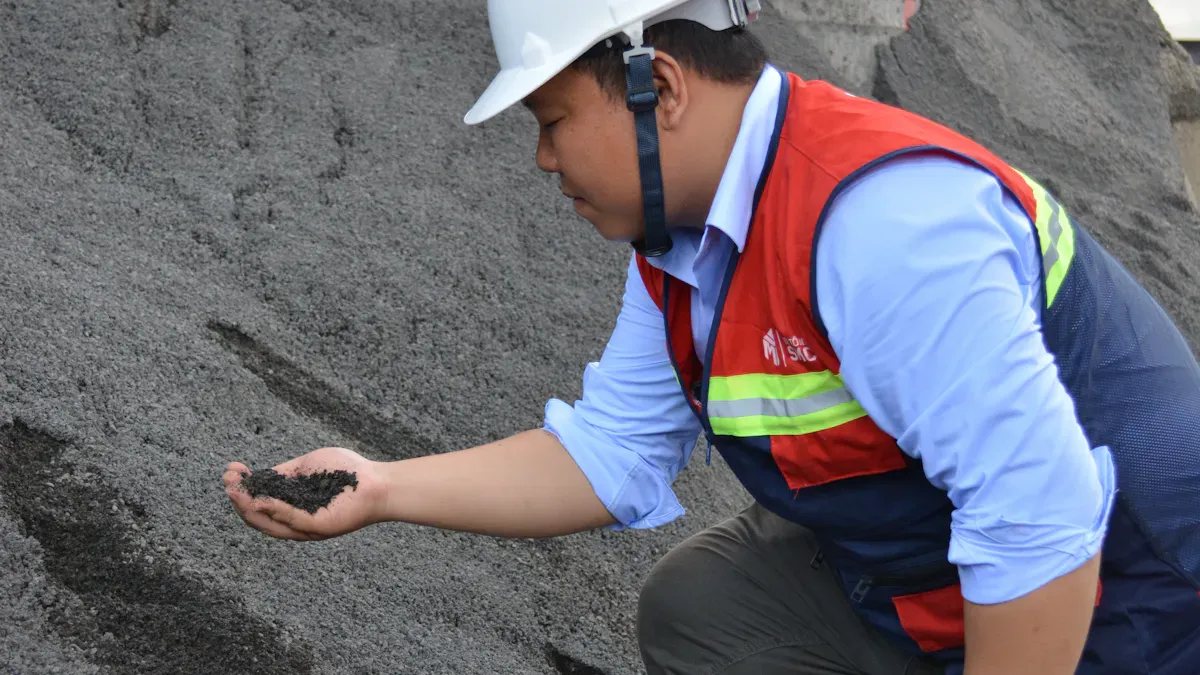
Surveying and alignment errors can cause big trouble in pile driving. These mistakes often happen before any piles are put in. Teams need to measure carefully and use the right reference points. They also need to control pile alignment to stop expensive problems.
Inaccurate Measurements
Small measuring mistakes can turn into big issues later. Sometimes, workers put guide pegs in the wrong spot. If pegs move, workers might guess where to put them back. This can make piles miss their correct spots. The table below shows common mistakes with measurements:
|
Evidence Type |
Description |
|---|---|
|
Measurement Errors |
Mistakes can happen when setting guide pegs, causing wrong placement. |
|
Guesswork |
If pegs get moved, guessing their spot can make more mistakes. |
|
Pile Positioning |
Putting piles in the wrong place can hurt the building. |
Teams use pile alignment control to check and fix measurements. This helps keep piles in the right place.
Reference Point Mistakes
Reference points show where each pile should go. If workers put these points in the wrong spot, the whole plan can shift. The table below lists common surveying mistakes and how close they need to be:
|
Error Type |
Description |
Tolerance |
|---|---|---|
|
Layout |
Good layout is important for the project; use strong survey control. |
Only small mistakes allowed. |
|
Plumbness |
Piles must be straight within 1:150 or better if needed. |
1:150 or better. |
|
Level |
Keep piles level within a few millimeters. |
A few millimeters. |
|
Horizontal Offset |
Check line changes at many spots. |
±15 mm allowed. |
|
Template Alignment |
Fix the template if it moves before you keep going. |
Fix before driving. |
Strong pile alignment control helps teams avoid these mistakes. This keeps the project moving the right way.
Driving Piles Out of Alignment
If piles are not lined up, the foundation gets weaker. Piles should not move more than 4 inches from the plan. If piles move too much, it means bad alignment control or hard soil. These problems can make the foundation weak and hurt the piles. Teams use pile alignment control at every step to keep piles straight. Careful work and checking often help stop piles from moving out of place and keep the building safe.
Achieving Pile Drive 1mm Accuracy Cuts Positioning Error
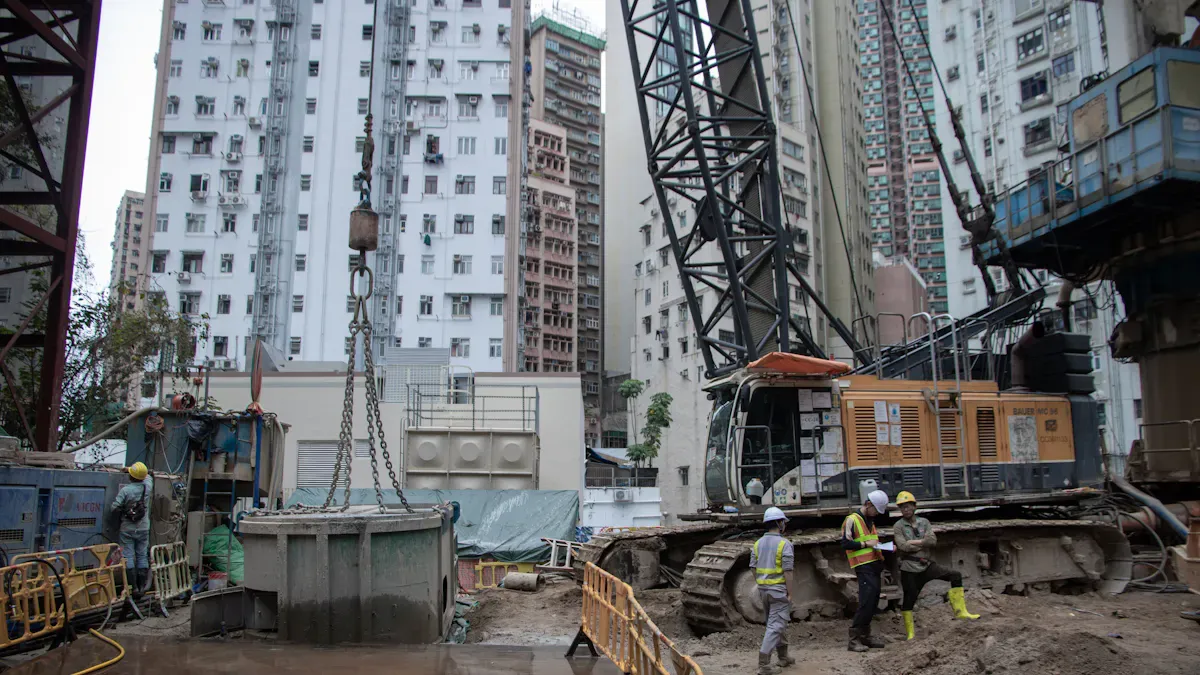
Advanced Positioning Technology
Modern pile driving uses special technology for better accuracy. Engineers put GNSS systems and motion sensors on pile drivers. These tools watch the pile’s spot, angle, and depth right away. The system sends information to workers so they can make quick changes. Laser guidance helps keep piles straight and lined up. Digital templates show the exact place for each pile. Teams use these tools to stop mistakes and keep piles in the right spot. When crews use advanced positioning technology, they see that pile drive 1mm accuracy cuts positioning error and makes the site safer.
Tip: Teams should check sensor calibration before every shift. This step keeps measurements right and stops mistakes.
Regular Maintenance and Calibration
Machines need regular care to work their best. Workers look at pile drivers, hammers, and leads for damage or wear. They clean moving parts and change out old pieces. Calibration checks make sure machines measure and move piles with high accuracy. Teams use trusted standards to set up their tools. They write down calibration results and fix problems fast. When crews follow a strict maintenance plan, they have fewer breakdowns and mistakes. Regular maintenance and calibration help pile drive 1mm accuracy cuts positioning error and keep jobs on track.
|
Maintenance Task |
Frequency |
Benefit |
|---|---|---|
|
Inspect moving parts |
Daily |
Stops unexpected failures |
|
Calibrate sensors |
Weekly |
Keeps measurements accurate |
|
Replace worn components |
As needed |
Prevents alignment errors |
|
Clean equipment |
Daily |
Reduces dust and debris buildup |
Operator Training and Real-Time Feedback
Operators are very important for pile driving accuracy. Teams teach workers how to use new technology and follow good steps. Training covers machine controls, safety, and ways to line up piles. Workers learn to read digital templates and move piles in real time. Supervisors give feedback during pile driving to help operators get better. Teams use checklists to check each step and find mistakes early. When operators get training and real-time feedback, they see that pile drive 1mm accuracy cuts positioning error and makes the project better.
-
Training helps workers learn new tools.
-
Real-time feedback lets operators fix mistakes fast.
-
Checklists help teams stay focused on accuracy.
Note: Supervisors should watch pile driving closely and give help when needed. This support keeps operators alert and stops common mistakes.
Teams that use advanced technology, care for machines, and train operators get the best results. They find that pile drive 1mm accuracy cuts positioning error and makes foundations safer and stronger. These steps help crews finish jobs faster and avoid big delays. When everyone works together, they reach the highest standards in pile driving.
Positioning errors in pile driving can happen for many reasons. Machines, people, site conditions, and surveying mistakes can all cause problems. Teams use new technology to make their work more accurate. They also take care of their machines and train workers well. Teams check their measurements often and follow good steps. Putting piles in the right spot makes buildings safer. It also helps projects finish on time. Future jobs will get better because of these changes.
FAQ
What is the main benefit of achieving 1mm accuracy in pile driving?
Putting piles in the right place makes buildings safer. It also helps stop expensive mistakes and delays. Teams can make stronger foundations when they are more accurate.
How does advanced technology help reduce positioning errors?
GNSS systems and digital templates help workers. These tools give feedback right away. Workers can fix piles fast and stop mistakes.
Why is regular equipment maintenance important for pile driving accuracy?
Taking care of machines keeps them working well. It stops alignment problems and breakdowns. Teams can trust their machines to be accurate.


